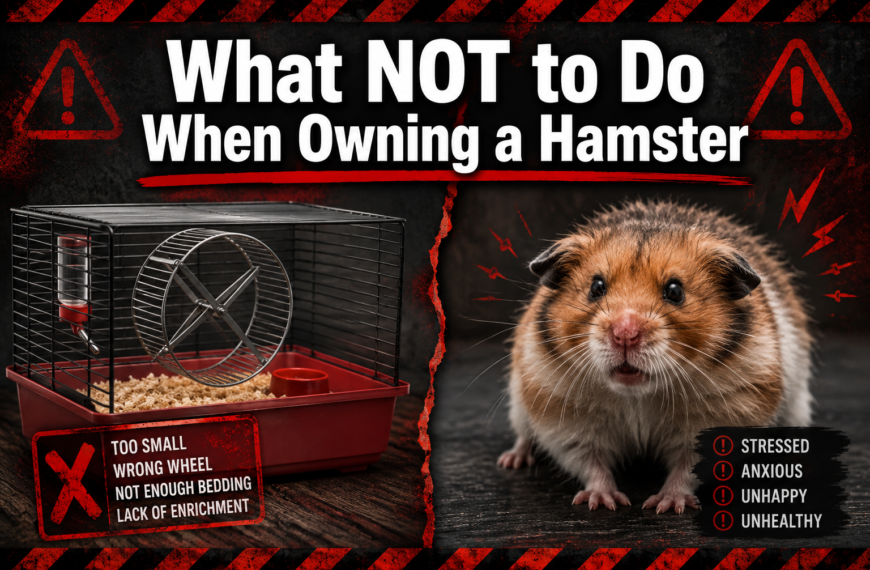
You’re stressing your hamster out more than you think, loud noises, sudden movements, or even dropping a book nearby can send them into panic mode. A dirty or cramped cage is a stress bomb waiting to go off.
Waking them during the day messes with their groove, and changing routines throws them off big time. Overhandling and no cozy hideouts make things worse.
Keep it calm, clean, and predictable, and you’ll see a happier, healthier little buddy. There’s more to keeping them chill than you might guess.
Loud Noises and Sudden Movements Stress Hamsters Easily

Ever wonder why your hamster suddenly freezes like it just heard a horror movie soundtrack? It’s probably because of loud noises or someone darting past its cage.
Hamsters have serious sensory sensitivity, so sudden sounds, like a barking dog or a dropped book, can send them into panic mode.
Remember, they’re nocturnal habits heroes, meaning they’re most active at night and extra alert to disturbances when it’s quiet.
That means daytime loud TV or yelling nearby feels like a thunderstorm in their tiny world.
Even quick hand movements near their home can startle them.
Think of it like sneaking up on someone deep in thought. It’s just not cool.
Keep their space calm and predictable.
Soft voices, gentle motions, and a quiet corner of the room go a long way.
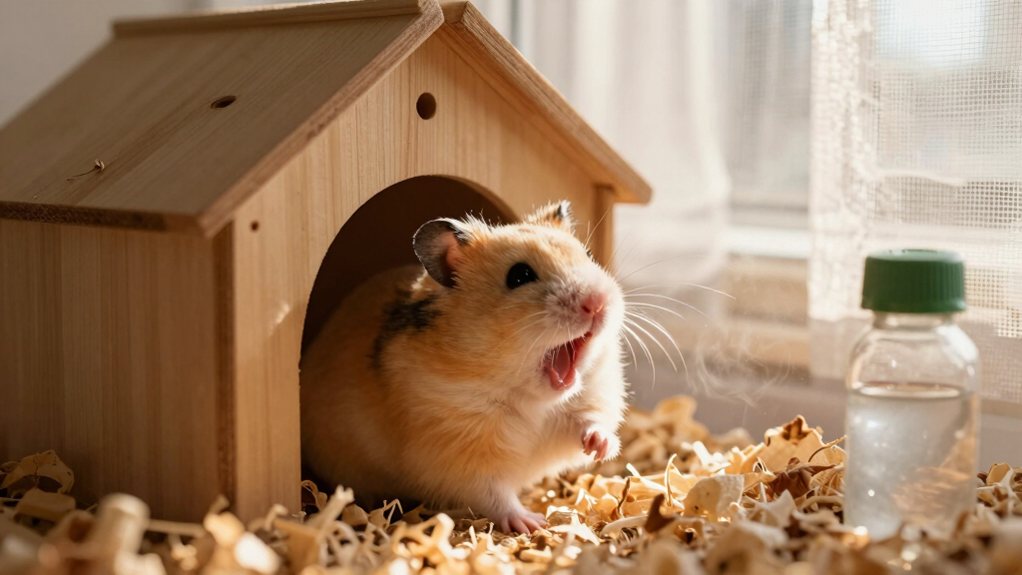
Your hamster mightn’t thank you in words, but that relaxed little yawn? That’s hamster happiness.
A safe environment includes maintaining a volume level comparable to a quiet conversation, as safe sound level helps prevent auditory stress and supports overall well-being.

Comprehensive Set for Tiny Companions: this set includes 1 maze wooden house, 1 silent hamster wheel, 1 water bottle with stand, and 15 diverse chew toys; Ideal for hamsters, gerbils, and mice, it caters to the different needs of your pets

Harvest Flowers: Natural flowers are a beautiful pop of color in hamster bedding. Beautiful and gorgeous flowers and branches, hamster spray is made from hand-picked, carefully selected natural flowers and dried, fresh and without additives, natural raw materials, neatly trimmed branches, hamster cage decoration is the perfect hamster bedding

【Hamster Starter Kit】In addition to the cage, this set includes:A wooden hamster hideout for cozy nesting,A silent exercise wheel for nighttime runs,A dust/sand bath container for natural grooming,A drip-proof water bottle,A food dish, and An arched bridge toy for climbing fun.Everything you need to care for your hamster is covered—no extra purchases required!
A Dirty or Crowded Cage Increases Anxiety
Keeping the peace around your hamster’s home isn’t just about lowering the volume or slowing down your hand motions. What’s inside the cage matters just as much.
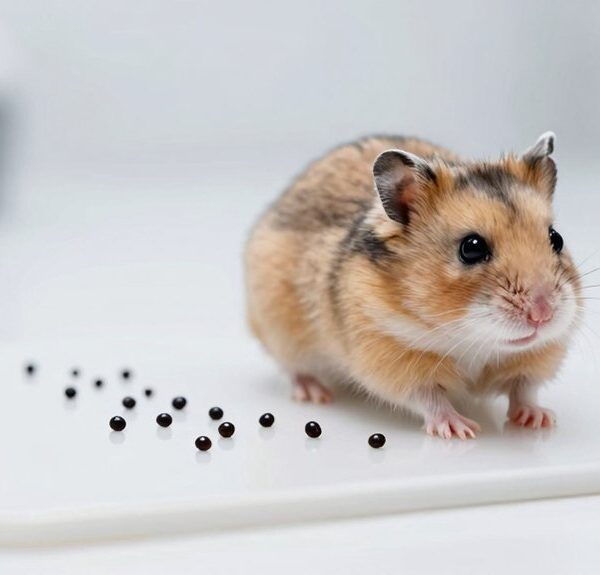
If you skip regular cage hygiene, your tiny friend is stuck living in a mess, and trust us, they notice. Ammonia from urine builds up fast, irritating their lungs and nerves. No one likes a dirty room—imagine if you couldn’t leave yours!
A dirty cage isn’t just messy—it’s stressful and harmful. Ammonia buildup hurts their lungs, and they feel every bit of it. Cleanliness is kindness.
Plus, space limitations turn their world into a constant squeeze. Hamsters need room to dig, explore, and claim their territory.
Cramped quarters lead to stress, pacing, or even grumpiness. Yes, they sulk!
A clean, roomy setup keeps anxiety low and happy zoomies high. Think of it like spring cleaning for their sanity.
Exposure to high levels of ammonia doesn’t just bother your hamster—it can also pose health risks to you, including respiratory irritation and potential infection from airborne harmful bacteria.
Waking Your Hamster During the Day Causes Stress
While your hamster might look like they’re just napping all day, they’re actually following their natural rhythm. These little guys are crepuscular, meaning they’re most active at dawn and dusk, not fully nocturnal like some people think.
Waking them during the day messes with their sleep disruption cycle and causes serious stress.
Imagine being yanked from a deep nap for no good reason. It’s no fun, right?
Hamsters rely on consistent rest to stay healthy, and interrupting their downtime can lead to anxiety and even health issues over time.
Even if you’re excited to play, try to respect their schedule. Wait until evening when their natural nocturnal behavior kicks in.
A well-rested hamster is a happy, playful hamster.
So, let them sleep in peace during the day, and you’ll both enjoy better bonding time at twilight.
Sweet dreams, little buddy!
Handling too much or too soon increases stress levels, especially during daylight hours when they are most vulnerable and handling challenges can mimic predator threats.
Routine Changes Make Hamsters Act Stressed

What if your hamster actually liked a little spontaneity? Spoiler: they don’t. Hamsters thrive on routine, and even small changes can throw them off.
Switching up their feeding schedule, even by an hour, might leave them anxious or acting out.
Same goes for disrupting their sleep pattern. Waking them during the day or changing their environment unexpectedly stresses them big time.
Think of it like showing up to breakfast in pajamas only to find dinner’s already served. Confusing, right? Your hamster feels that way too.
They’re creatures of habit, so keeping things consistent helps them feel safe.
Try to feed them at the same time each evening and avoid rearranging their cage willy-nilly.
A little predictability goes a long way. Stick to the routine, and your furry buddy will stay calm, happy, and way less likely to stage a dramatic wheel-running protest at 2 a.m.
Inadequate or unchanging environments can lead to cage rage, a stress-induced condition marked by hyperactivity and compulsive behaviors.

Includes a food dish, water bottle, and exercise wheel
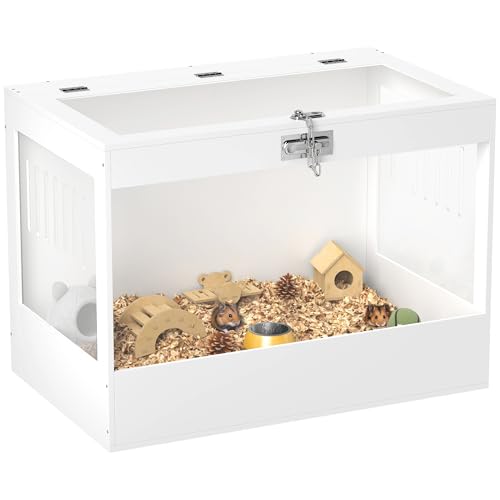
Spacious & Fun: Give your hamster plenty of room to explore! Featuring a cozy hut, a fun ladder, and a playful seesaw, this large hamster cage keeps your pet active and entertained all day long

[Extra Large Living Space] Measuring 31.5" L x 15.7" W x 42.5" H, this spacious hamster cage offers a massive habitat for small pets like Syrian hamsters, guinea pigs, rats, and hedgehogs. The roomy interior easily accommodates a 12-inch running wheel, hideouts, and deep bedding, satisfying your pet's natural instinct to explore and burrow.
Too Much Handling and No Hiding Spots = Stressed Hamster
You’ve got the routine down, same time for meals, same spot for naps, and your hamster seems to be settling in just fine. But if you’re handling your little buddy too much or haven’t given them a cozy hideout, stress might be sneaking in.
Hamsters need downtime, not constant cuddle sessions. Too much handling overwhelms them, they’re not built for marathon snuggle fests!
Hamsters crave chill time, not constant cuddles—overhandling stresses them out. They’re escape artists, not snuggle champions!
And without a hiding spot, they feel exposed, like they’re living in an overcrowded bedding studio apartment with zero privacy. That’s no way to relax.
Limited exploration doesn’t help either, they need space to roam and dig safely.
Think of it like being stuck in a tiny room with no doors, boring and nerve-wracking!
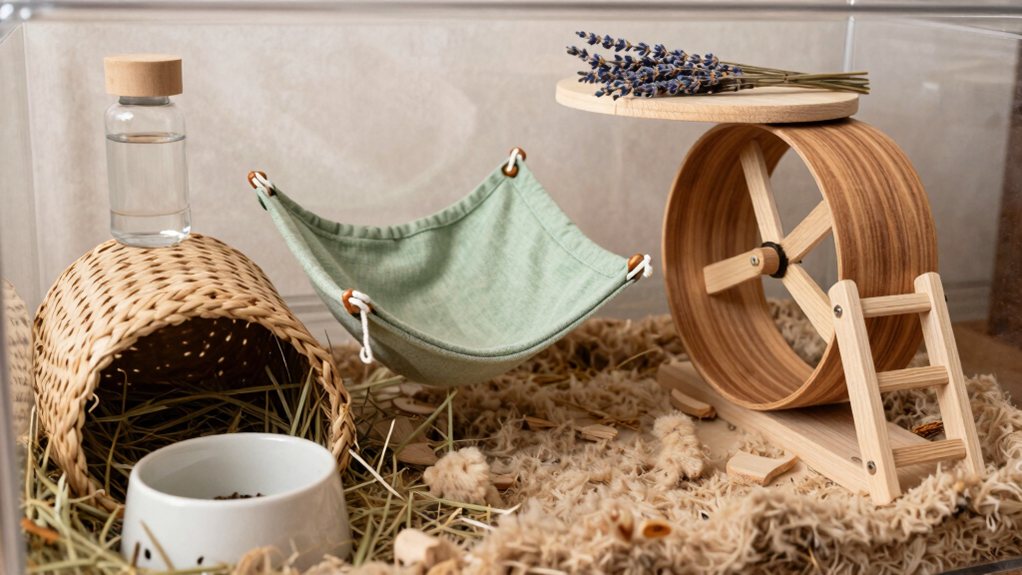
Give your hamster a little cave or igloo, cut back on the handling, and watch their confidence grow. A chill hamster is a happy hamster.
A well-designed wooden hideout can provide both security and mental stimulation, especially one with multi-level layouts to encourage natural climbing and exploration behaviors.
Final Thoughts
You know, hamsters may be tiny, but they feel stress just like we do, sometimes even over things we don’t notice. Loud sounds, a messy cage, or waking them up too early? Big no-nos.
Keep their space cozy, respect their naps, and give them hiding spots. A little routine goes a long way. Treat them kindly, and they’ll reward you with happy, zoomie-filled nights—promise!

Silent Running Technology: Our hamster running wheel features an advanced noise-reduction design that ensures quiet operation, allowing your small pets to exercise without disturbing your sleep or household environment

Wheel spinner--the wheel is a good gift choice for your friends who have a hamster or a small pet animal, for hedgehogs

Hamster wheel Made of plastic material with excellent workmanship, it is sturdy, safe and durable.