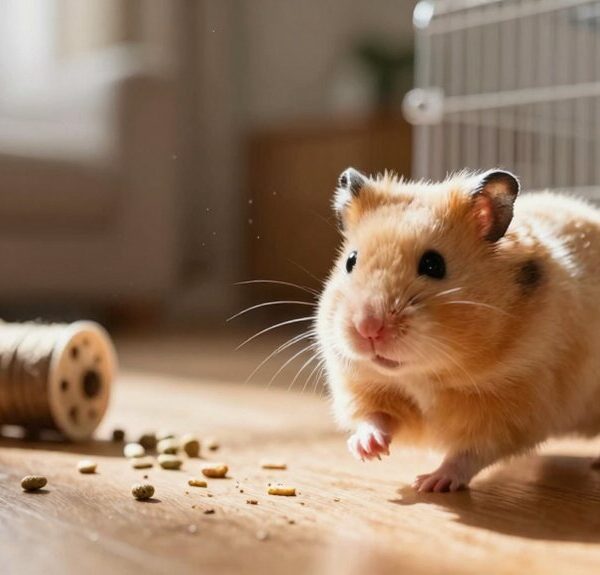
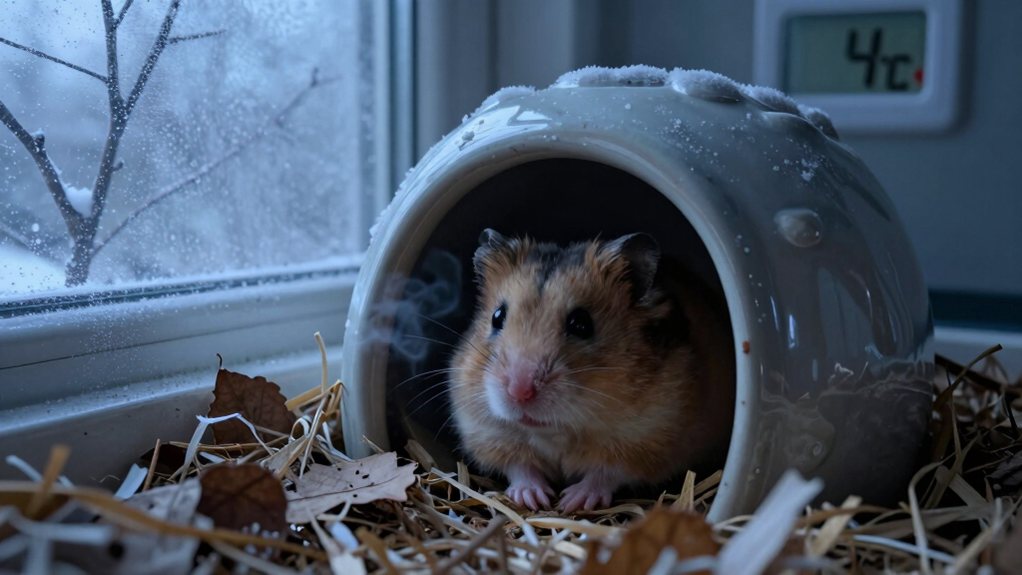
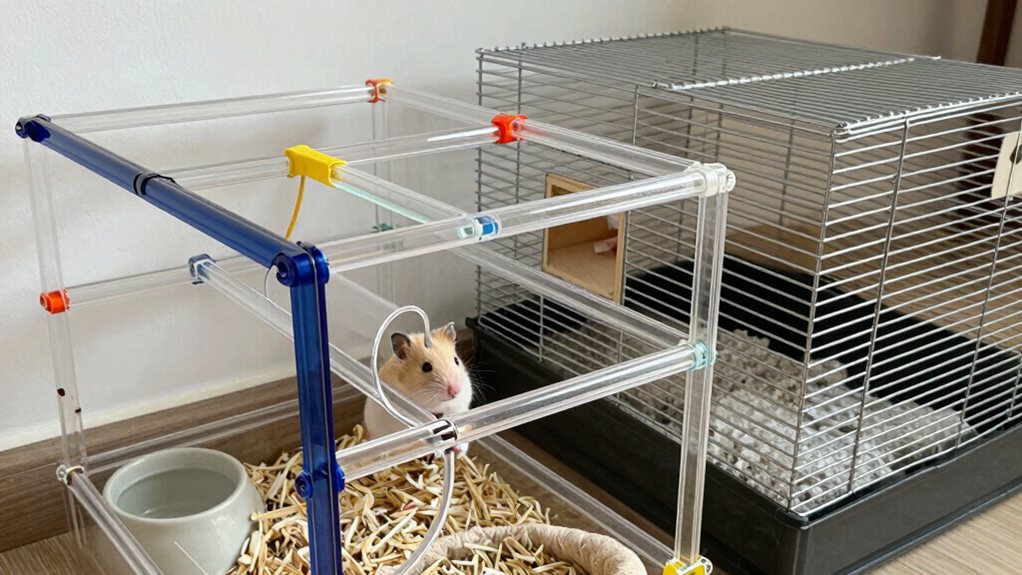
Some hamsters enjoy being held, but let’s be real: others would rather zoom away like tiny furry escape artists. It really depends on their personality and breed; Syrians tend to be cuddlier, while dwarfs like Roborovskis prefer speed over snuggles.
If your hamster climbs onto your hand, grooms itself, or nibbles you gently, that’s a good sign. But if they freeze, bite, or scramble off, they’re telling you to put them down.
Trust builds over time with treats, calm hands, and patience. Stick with it, and you might just win over even the sassiest little buddy.
Do Hamsters Like Being Held?

So, do hamsters actually enjoy being held, or are they just putting up with it for our sake?
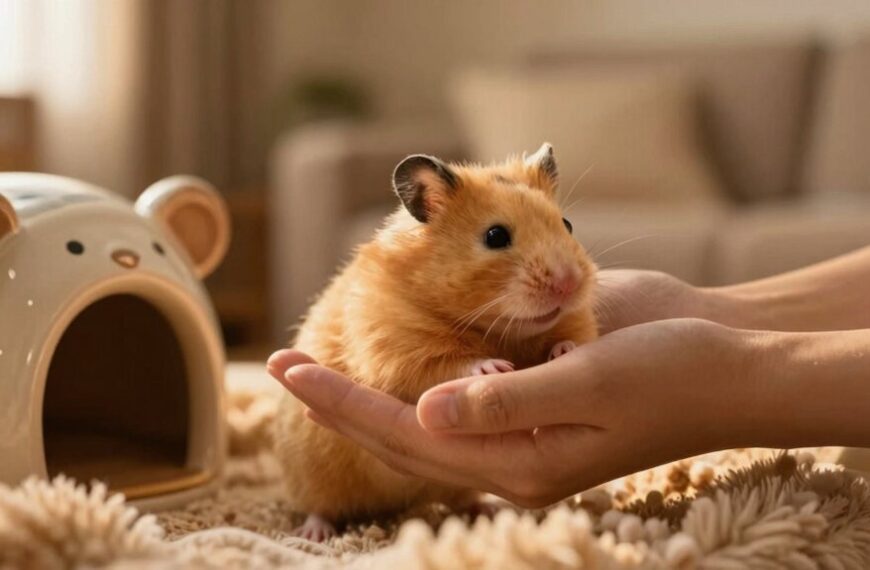
Well, it depends on the hamster. Just like people, each little furball has their own personality and pet preferences. Some adapt well to gentle handling, especially if you start young and move slowly.
Others? Not so much. You’ll know by their hamster behavior. Calm nibbling means trust, but biting or scrambling means “put me down!”
Always support their whole body, and keep sessions short. Think of it like a first date: awkward at first, maybe, but with patience, it can grow into something sweet.
They won’t hug you back (cute as that’d be), but a relaxed, curious hamster is a happy sign.


FRUITY FLAVOR COMBINATION: Crafted with delicious cherry and banana, these bite-sized treats are made for dwarf hamsters, rats, and mice, offering a burst of sweet taste that will make snack time extra special.

Are Some Hamsters More Cuddly Than Others?
You might notice some hamsters cozy right up in your hands while others play hide-and-seek every time you reach in, turns out, calm personalities really do tend to cuddle more.
Certain breeds, like Syrians, often warm up to handling faster than their smaller, speedier cousins.
And if you start gently holding your hamster when they’re young, you’ll build trust that makes them way more likely to snuggle up instead of sprint away.
Calm Personalities Tend To Cuddle
While every hamster has its own little quirks, some really do seem to enjoy a quiet moment in your hands more than others.
If your hamster has a calm personality, you’ll likely notice less frantic scurrying and more curious sniffing, signs they’re open to social bonding.
These laid-back little pals often prefer gentle petting over playful behavior like wheel-sprinting or tunnel-digging.
They might even doze off in your palm, which is basically the hamster version of a five-star cuddle review.
Of course, no hamster’s a guaranteed snuggle bug.
Personality varies by breed and individual.
But with patience, soft voices, and treats, even shy ones can warm up.
Think of it like making a new friend: some hug right away, others need a few hangouts first.
So if your hamster chills instead of zips, celebrate that quiet connection.
You’ve earned their trust, one tiny step at a time.
Breed Differences Affect Affection Levels
When it comes to cuddliness, not all hamsters are created equal, some breeds really do tend to be more affectionate than others. If you’re hoping for a snuggle buddy, consider the Syrian hamster.
Their breed temperament leans friendly and calm, thanks to genetic traits shaped by years of selective breeding.
They’re often more enthusiastic to bond and less jumpy than their tiny cousins.
On the flip side, dwarf varieties like Roborovskis are speed demons—adorable but built for adventure, not lap time.
While they can be sweet, their genetic traits make them a bit more independent.
So, if you’re dreaming of a hamster that enjoys being held, picking the right breed matters.
Think of it like choosing between a lap cat and a wild kitten.
With the right match, you’ll both enjoy the cuddles—well, as much as a hamster ever will!
Early Handling Builds Trust Easily
Getting a hamster used to your touch early on makes a world of difference, think of it as laying down the welcome mat for a tiny, furry roommate. Start with a gentle touch, letting your hamster sniff your hand before you pick them up. It might feel like they’re judging you, but patience wins trust.
A consistent routine helps too: same time, same calm hands. Hamsters thrive on predictability, so handling them daily builds comfort fast.
You’re doing more than just holding them; you’re building a bond.
Some hamsters might still prefer zooming over snuggling, and that’s okay. But with early handling, even the shyest ones learn you’re not a threat.
Think of it like making a new friend—awkward at first, then suddenly they’re napping in your palm. It’s not magic, just time, care, and a little bit of peanut bribery.
How Do You Know If Your Hamster Likes Being Held?
You can tell your hamster’s enjoying the cuddle time if they stay calm and relaxed in your hands instead of scrambling to escape.
Watch for soft, slow movements and perked-up ears. They’re good signs your little buddy feels safe and maybe even likes the attention.
And hey, if they start grooming themselves like they’re at a tiny spa, you’re probably doing something right!
Signs Of Comfort
How can you tell if your hamster actually enjoys being held, or is just tolerating your affection between snack bribes? Look for clear signs of comfort during your playtime bonding. A relaxed hamster feels safe and happy in your hands. Check these clues:
- Calm breathing – Slow, steady breaths mean they’re at ease, not scared.
- Gentle grooming – If they start cleaning themselves, they feel secure, like they do in their nesting habits.
- Climbing onto you willingly – No hesitation? That’s a win!
- Soft squeaks or no noise – Quiet or sweet little sounds show contentment.
If your hamster isn’t bolting for cover or freezing in fear, you’re doing great.
Sure, they mightn’t hug you back (tiny arms, big dreams), but these signs mean they’re enjoying your company. Snacks optional, but always appreciated.
Body Language Cues
Now that you’ve spotted the happy little moments, like quiet nibbles and spontaneous grooming, let’s tune into what your hamster’s body is saying while you’re holding them.
If they’re calm, breathing steadily, and maybe even start nibbling your sleeve, that’s a great sign.
Ears relaxed, not pinned back? Good.
Twitching nose and curious eyes? Even better.
Hamsters that like being held often show it through gentle grooming habits, like licking their paws or sleeking their fur.
Basically, they’re multitasking self-care and trust.
If they scramble toward your shoulder or nestle in, they might be treating you like a cozy hideout.
But if they freeze, tremble, or bolt during playtime preferences, ease up.
Respect their pace.
Remember, a happy hamster isn’t always a cuddly one.
Some just prefer quick check-ins.
Watch closely, respond kindly, and you’ll both enjoy the hold a little more.
What Are the Signs Your Hamster Is Stressed?
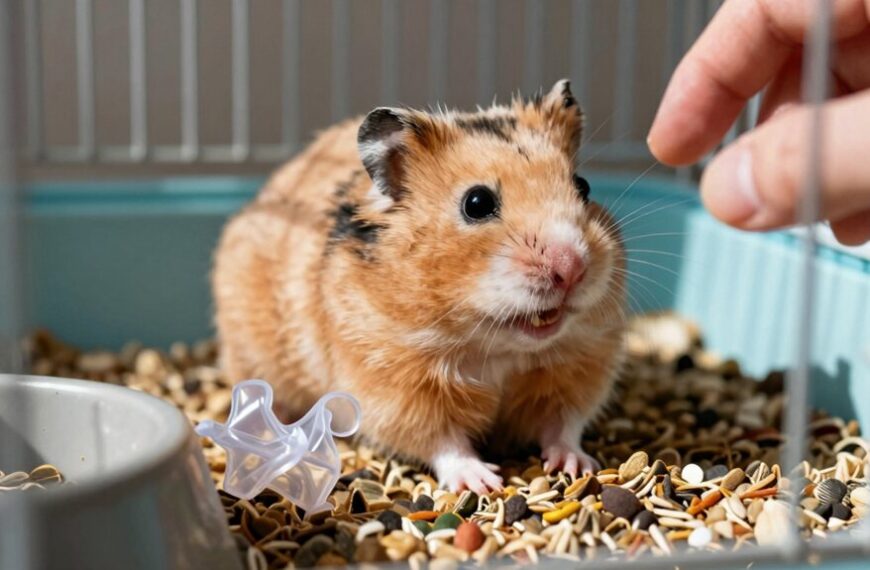
Ever wonder why your hamster suddenly bolts for the nearest hiding spot the moment you reach into the cage? It might be stressed. Hamsters are sensitive little pals, and things like loud noises or sudden movements, common aggression triggers, can really rattle them.
Even small environmental changes, like a new toy or rearranged cage, can cause anxiety. Watch for these signs:
- Excessive grooming or biting – They might over-clean or nip when uneasy.
- Freezing or playing dead – A scared hamster sometimes just shuts down.
- Constant bar-chewing – Boredom or stress often shows here.
- Hiding more than usual – If your hamster’s ghosting you, it’s a red flag.
Stay calm, move slowly, and give your tiny friend time to adjust. A little patience goes a long way in building trust—and fewer escape attempts!
Can You Hold a Hamster Safely?
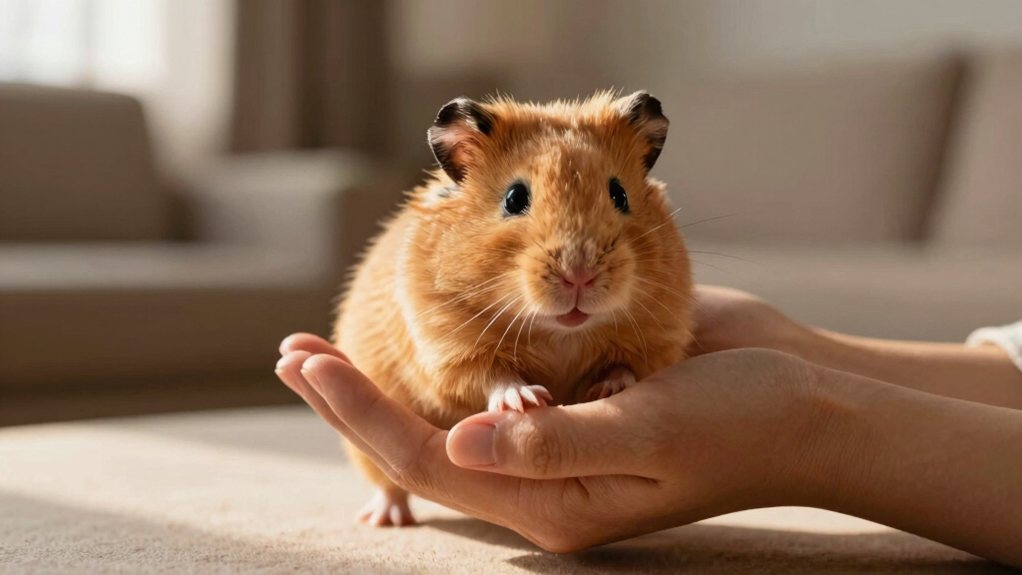
You’ve probably noticed your hamster darting under the bedding the second your hand comes near, totally normal, especially if they’re feeling a bit on edge.
But yes, you *can* hold your hamster safely, as long as you respect their tiny frame and natural instincts.
Hamster anatomy means they’re built small and delicate, so sudden movements or tight grips can scare or hurt them.
Always scoop them gently with both hands, letting them sit in your palms like a cozy little taco.
Make sure your cage design includes secure walls and no big gaps, this helps them feel safe before and after handling.
Start with short sessions, and never wake them suddenly.
Think of it like petting a nervous friend, go slow, stay calm, and keep it positive.
With patience, your hamster might just learn that your hands aren’t so scary after all, maybe even a favorite napping spot.


HEALTHY & TASTY TREAT: Made with real carrot, cherry and cranberry for a delicious and nutritious snack.

How to Handle a Scared Hamster
What do you do when your hamster freezes like a tiny, furry statue the moment you reach into the cage?
Don’t worry—you’re not alone. Many hamsters get jumpy, and some might even show cage aggression or hamster biting when scared.
Many hamsters freeze or lash out when frightened—it’s normal. You’re not alone, and with patience, trust can grow.
Here’s how to help:
- Stay calm and move slowly, sudden motions make fear worse.
- Offer a treat from your hand, let trust grow one seed at a time.
- Scoop gently with both hands, no grabbing; think “cradle,” not “capture.”
- Keep handling short at first, build up time as your hamster relaxes.
Can You Train a Hamster to Enjoy Being Held?
While your hamster mightn’t turn into a cuddle bug overnight, you can actually train it to feel safe and even enjoy being held, with a little patience and the right approach.
Start by spending time near their cage daily, talking softly so they get used to your voice.
Gradually offer treats from your hand, letting them come to you.
Once they’re comfortable, scoop them gently with both hands, never grab!
Short, calm handling sessions build trust over time.
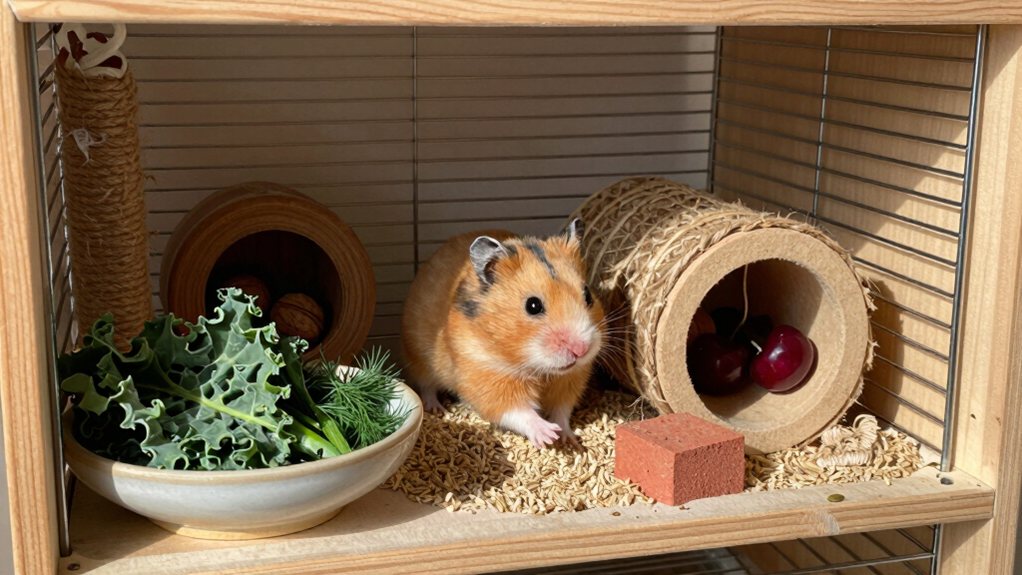
Don’t forget cage enrichment activities like tunnels and chew toys.
A happy, busy hamster is more confident.
And while you’re at it, notice their hamster grooming habits.
Clean fur means a healthy, relaxed pet.
Training isn’t about forcing cuddles.
It’s about creating a bond.
Some hamsters will never love hugs, and that’s okay.
Just like people, they’ve got their own quirky personalities!
When Should You Avoid Holding Your Hamster?
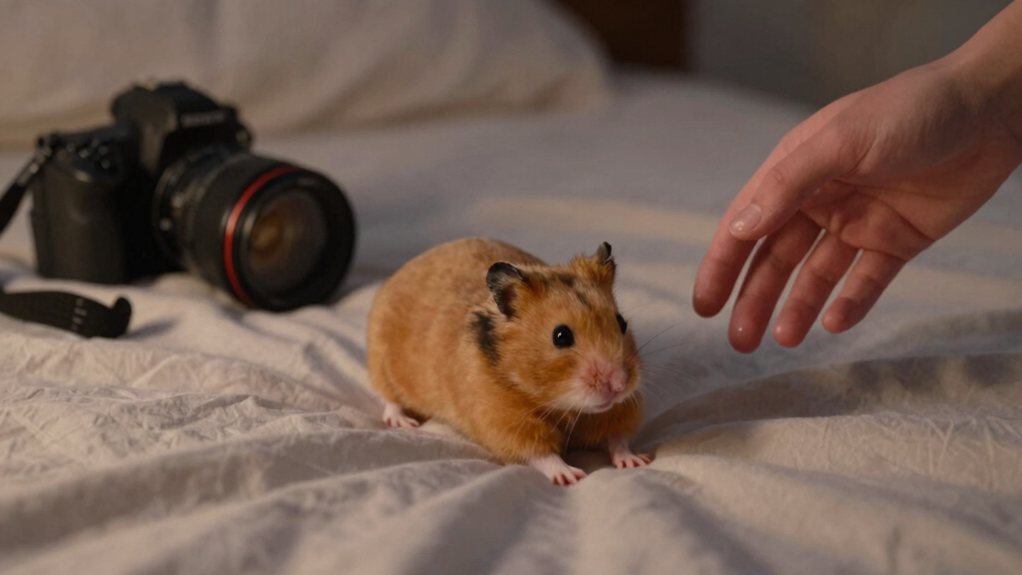
Ever wonder why your hamster suddenly turns into a tiny ninja when you reach for them? Sometimes, it’s not you. It’s the timing.
To keep your little buddy happy and stress-free, avoid holding them during these key moments:
- Right after waking up – Hamsters are nocturnal, so grabbing them mid-yawn might lead to a grumpy nip.
- During feeding habits – Interrupting mealtime? Big no. They’re focused, and you’re just in the way.
- While doing cage cleaning – This is their safe zone. Let them settle before scooping them up.
- When they’re hiding or acting jumpy – They’re telling you they need space. Respect the vibe.
Holding your hamster should be a calm, positive experience. Wait for the right moment, and you’ll both enjoy the cuddle time way more. No ninja moves required.
Final Thoughts
You can totally bond with your hamster, but remember, they’re not all cuddly fans. Some love a gentle hold, while others prefer quick check-ins.
Watch their cues. Calm nibbles mean trust, but biting or trembling means they’re stressed. Go slow, stay patient, and never force it.
Think of it like making a new friend. Trust takes time. And hey, if your hamster zooms away, that’s okay. They still like you in their own tiny, furry way.

Bed for hamster:suitable for small animals such as hamsters and guinea pigs, easy for them to get ,Woolen Yarn Hammock

🌿 100% Meadow Grass Hay – Sweet, and hand-selected for small pets.

[Soft & Safe Silicone Feeding Nipples] Made from premium food-grade silicone, these kitten nipples for feeding are soft, flexible, odor-free, and gentle on delicate mouths. Designed as a reliable pet feeding nipple, they help ensure a smooth and comfortable feeding experience for newborn kittens without irritation.