Your hamster’s bar-biting isn’t about hunger. It’s usually boredom, stress, or those ever-growing teeth needing a healthy outlet.
Tiny cages, loud spots, or lack of chew toys can fuel the habit. Over time, it risks dental issues, jaw pain, or even cage rage.
But don’t worry—swapping in cardboard tubes, wooden chews, or coconut hides helps a ton. Add puzzle feeders, cozy tunnels, and a quiet corner, and you’ll see a real change. There’s more good stuff to try that keeps life fun and teeth trim.
Why Hamsters Bite Cage Bars (And How to Spot It)
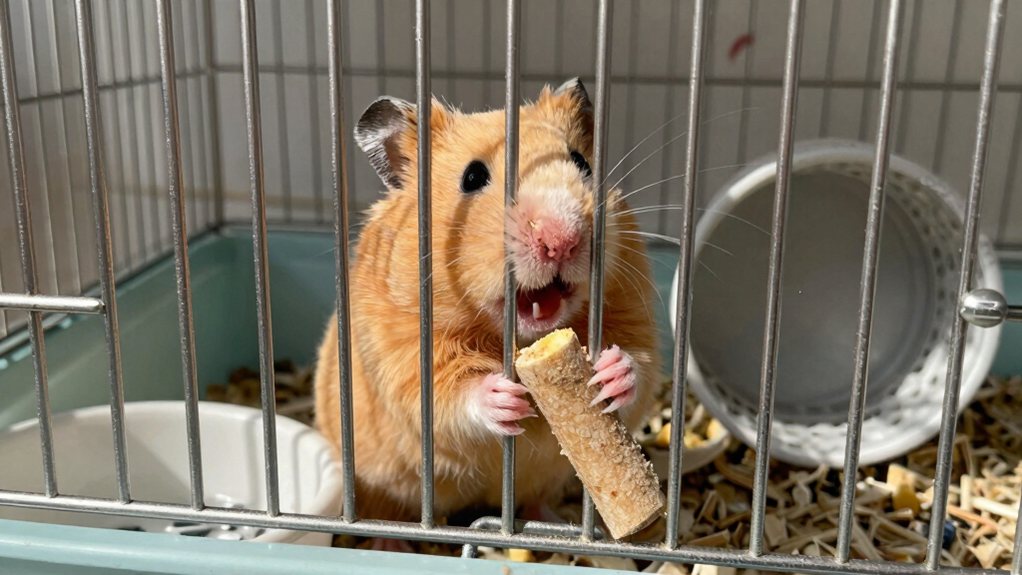
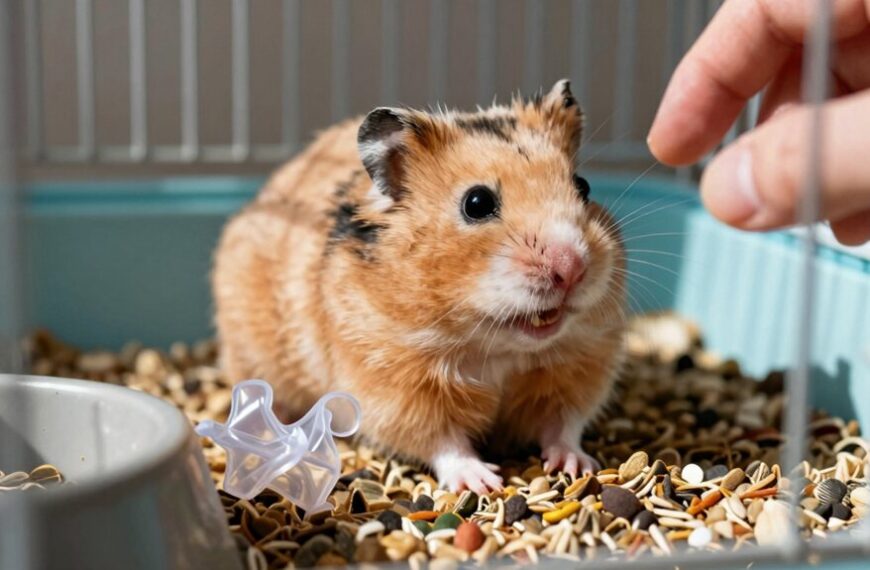
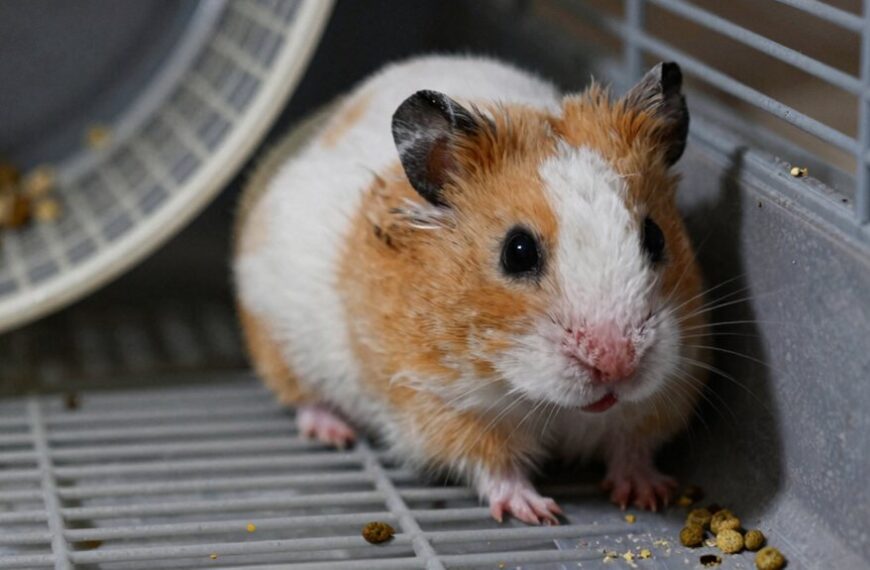
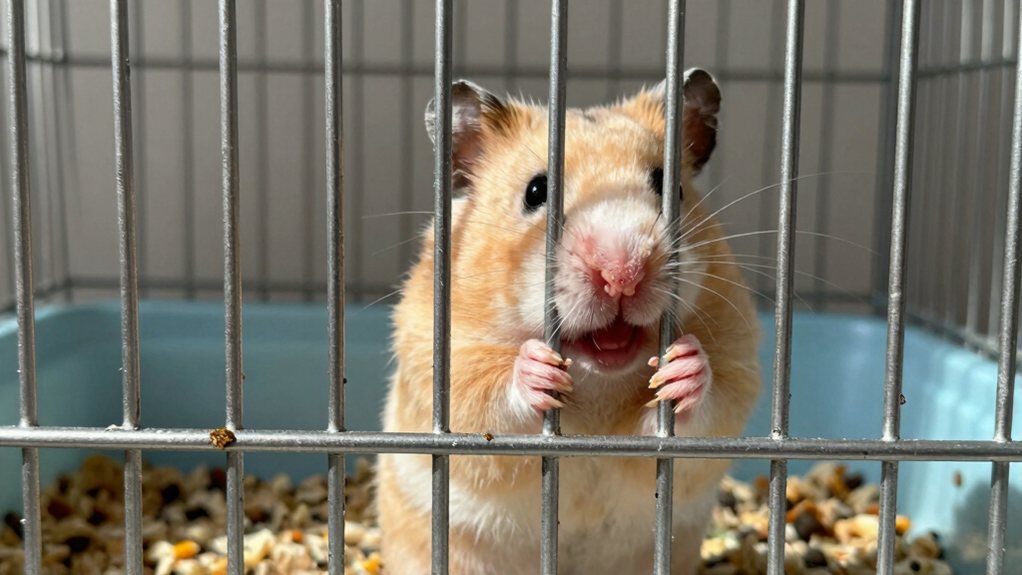
Ever wonder why your hamster’s suddenly taken up cage-bar chewing like it’s training for a rodent Ironman? It’s usually not boredom. Those tiny teeth grow nonstop, so bar-biting helps them stay trim, tied to natural grooming habits.
Hamster gnawing cage bars? It’s not boredom—it’s nature’s way of keeping those ever-growing teeth in check, part of their instinctive grooming routine.
But if your little buddy’s gnawing nonstop, it might be stressed or lacking in hamster nutrition. Check their diet: are they getting enough fiber and chew-safe foods? A poor menu can lead to obsessive chewing.
You can spot the habit by worn teeth, squeaky bars, or bedding stuck between the bars. Also, watch for weight loss or restlessness.
It’s cute at first, sure, but long-term bar-biting can hurt their jaw or cause sores.
Using BPA-free PET plastic guards can help protect your hamster from harmful chemicals while preventing destructive chewing.
The Real Dangers of Bar-Biting for Your Hamster
You might think your hamster’s bar-biting is just a quirky habit, like a tiny gym routine for their teeth, and a little gnawing now and then isn’t a big deal. But over time, it can seriously harm their dental health. Constant bar-biting wears down teeth unevenly, which may lead to painful misalignment or even abscesses. Ouch.
Plus, it’s more than physical. This behavior often points to boredom or stress, opening the door to behavioral disorders.
Your hamster might start pacing, over-grooming, or losing interest in play. It’s their way of crying out for help.
The good news? You can stop it. Swap wire cages for enclosures with solid walls, offer chew toys, and give them space to explore.
A happy hamster is a busy hamster, so keep them munching on safe wood, not metal bars. You’ve got this.
Hamsters require regular gnawing to maintain proper dental health, as their teeth grow continuously throughout their lives.
Check If Cage Size Is Causing Bar-Biting
You mightn’t realize it, but your hamster’s cage could be way too small, imagine trying to do zoomies in a shoebox!
If you’re seeing bar-biting, check for signs of overcrowding, like constant pacing or junk piling up in one corner.
Aim for at least 450 square inches of floor space, because even tiny gym rats need room to live their best life.
A cage with minimum recommended floor space helps prevent stress-related behaviors like bar-biting.
Cage Size Guidelines
While your hamster mightn’t come right out and tell you they’re unhappy with their living space, their habit of gnawing on the cage bars could be a not-so-subtle hint.
You’ll want to check both cage material and bar spacing—some materials wear down faster, and wide gaps can tempt even the most well-behaved hamster to chew.
For a happy, healthy pet, aim for at least 450 square inches of floor space.
That’s about the size of two large pizza trays side by side, plenty of room to run, dig, and explore without feeling cooped up.
Wire cages with plastic bins work well, but make sure the bars are no more than half an inch apart to prevent escapes and chewing.
A spacious, secure home means less stress and fewer bar-biting blues.
Trust us, your hamster will thank you, probably with a cheeky stretch, not a nibble.
Adequate wire spacing is crucial to prevent injury and escape, especially since hamsters can squeeze through gaps as small as 0.5 inches.
Signs Of Overcrowding
Could your hamster’s bar-biting habit actually be a cry for more space? If your hamster shares a cage, overcrowding might be the real issue. Hamsters are naturally solitary and territorial, so squeezing them together can trigger territorial aggression, even if they once got along.
You might notice more biting, chasing, or frantic digging. These are all signs they’re stressed and trying to establish a social hierarchy in too small a space.
Even with same-species pairs, like dwarf hamsters, space is essential.
If the cage feels cramped, bar-biting often follows as a nervous habit. Think of it like being stuck in a tiny room with a roommate who never leaves. Eventually, you’d chew the walls too!
Check cage size: for most hamsters, bigger is always better. When in doubt, separate them and upgrade the space. Your hamster will thank you with calmer, happier behavior.
You can significantly expand their living area using a modular snap-together tunnel system like those found in the Super Large Hamster Cage with Tunnel.
Ideal Habitat Dimensions
A cozy home makes for a happy hamster, and when it comes to cages, size really does matter.
If your hamster’s constantly gnawing on the bars, it might be screaming, “I need more space!”
Most experts recommend at least 450 square inches of floor space, so go big when you can.
A cramped cage, no matter the cage color, can drive your little buddy stir-crazy.
Pair that spacious setup with a solid, quiet wheel type—no wire rungs that could hurt tiny feet.
Think plastic or seamless metal.
And don’t forget room for tunnels, bedding, and snack stashes!
A roomy habitat means less stress, fewer escape attempts, and way less bar-biting.
Trust us, your hamster will do happy backflips (literally).
Give your furball the penthouse suite they deserve, because even small pets need space to live large.
Ensure proper minimum cage size to support natural behaviors like burrowing and exploring.
Offer Safe Chew Alternatives to Stop Bar-Biting
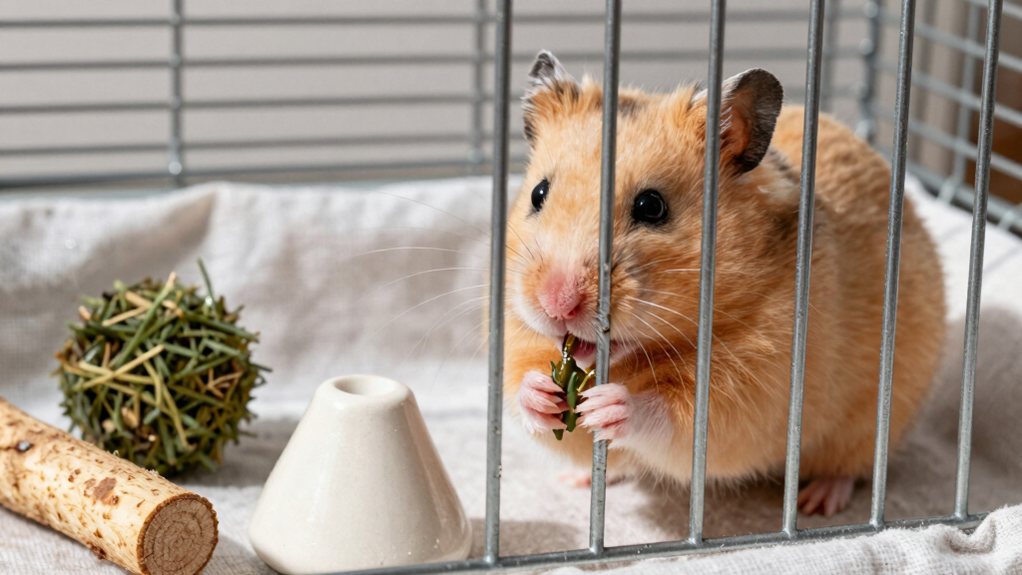
You know your hamster’s got strong teeth, so why not give them something fun to chew besides their cage bars? Try offering safe chew toys made for small pets, or toss in natural options like untreated wood blocks or cardboard tubes. They’ll love the variety.
It’s like setting up a tiny snack bar, except everything’s edible and way more exciting than metal.
Choose options made from 100% natural materials to ensure safety and support healthy tooth wear.
Safe Chew Toys
That metal cage bar isn’t winning any taste tests with your hamster, yet he’s chomping on it like it’s gourmet pasta.
Instead of letting him gnaw on something unsafe, offer chew toys made from safe, hamster-friendly materials.
Chew safety matters. Wood, cardboard, and untreated coconut shells are great options that satisfy his urge to gnaw without risking his health.
Avoid plastic or painted toys, since those can contain harmful chemicals.
When picking toy materials, think natural and non-toxic. Your little furball doesn’t need a five-star chew experience, just something safe and fun.
Rotate toys weekly to keep things exciting.
Besides, this saves your cage bars. It also keeps your hamster mentally stimulated.
Hard wooden chews like peach wood sticks are especially effective for preventing tooth overgrowth and supporting dental health.
Natural Chewing Options
Wondering what your hamster would choose if given a chew menu? Spoiler: it’s not the cage bars! Skip the metal munching and offer natural chewing options instead.
Wooden treats are a crunchy favorite, safe, satisfying, and perfect for wearing down those ever-growing teeth.
Your hamster will go nuts, maybe literally, for untreated applewood or willow sticks.
And don’t overlook cardboard tunnels—they’re like five-star playgrounds with snacks built in! Just tear up clean, ink-free cardboard into strips or roll them into tunnels for gnawing fun.
Not just do they save your hamster’s teeth, but they also save your sanity from that annoying bar-biting sound.
Rotate chewables weekly to keep things fresh and exciting.
You’re not only stopping bad habits, you’re upgrading to chew-tastic habits.
Your little furball will thank you with fewer squeaky midnight snacks on the cage.
Mental Stimulation That Stops Boredom Chewing
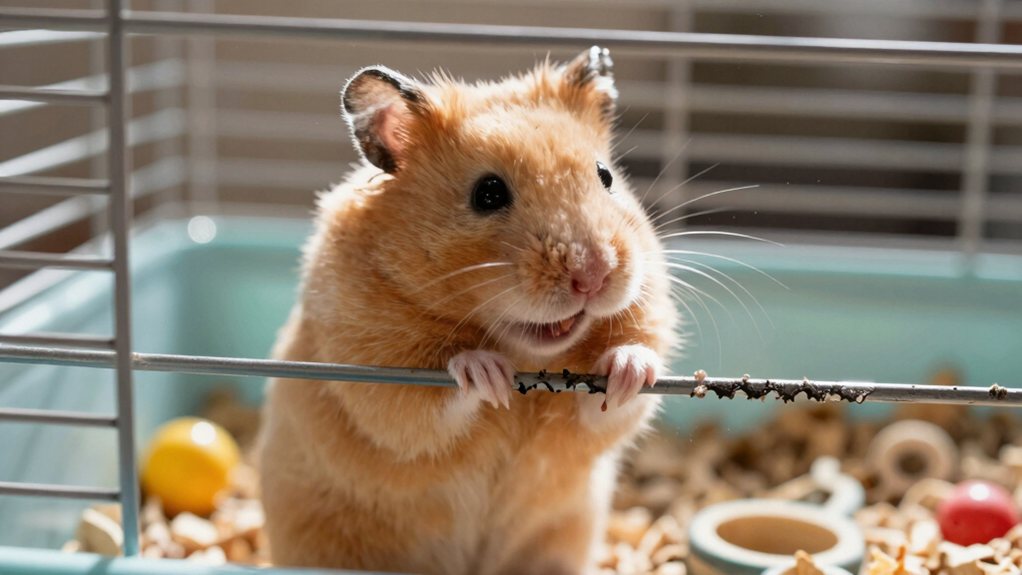
What if the real reason your hamster’s gnawing on the cage bars isn’t hunger, but boredom in disguise?
You’d be surprised how much your tiny buddy craves cognitive enrichment.
Your hamster’s not just chewing for fun—they’re craving brain-boosting adventures as much as snacks and naps.
Just like you’d scroll your phone to stay busy, hamsters need mental workouts too.
Without them, bar-biting becomes their go-to entertainment.
But you’ve got options!
Try interactive play with puzzle feeders or DIY mazes.
Watch them sniff, explore, and problem-solve like little furry geniuses.
Rotate toys weekly to keep things fresh and exciting.
A cardboard tube today, a treat-hunt tomorrow.
Variety is key.
You’re more than preventing damage, you’re building a happier, healthier hamster.
Think of it as playtime with purpose.
Keep their brain buzzing, and those bars will lose their appeal fast.
Who knew stopping bar-biting could be this fun—for both of you?
Puzzle feeders that encourage foraging and problem-solving help satisfy your hamster’s natural instincts and reduce destructive chewing behaviors.
How Stress Triggers Cage Bar-Biting (And How to Fix It)
Sometimes, even with plenty of toys and brain games, your hamster still grabs those cage bars like they’re trying to escape a tiny prison. That’s often a sign of hamster anxiety, not stubbornness.
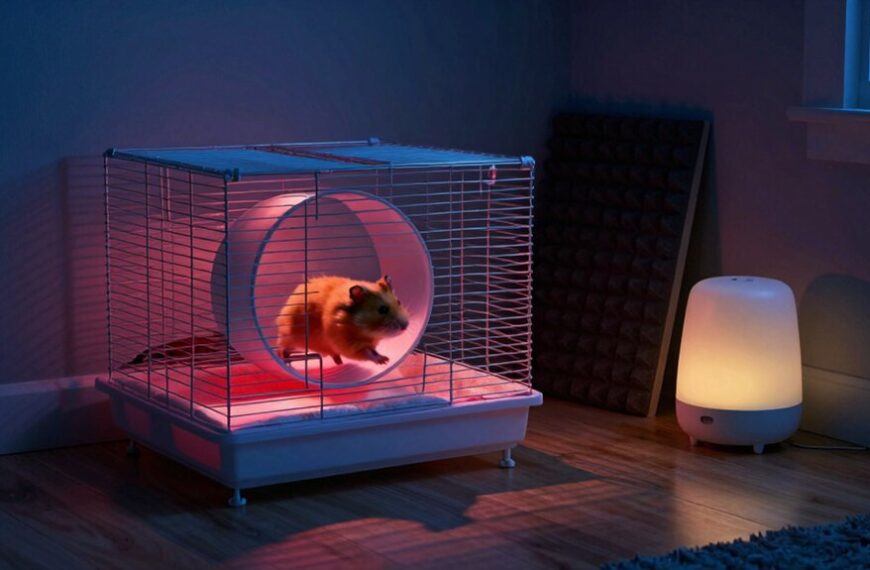
Stress from environmental triggers, such as loud noises, sudden movements, or cage placement near busy areas, can push your little buddy to chew obsessively. It’s their way of coping, kind of like how you might tap your foot when nervous.
But constant bar-biting can lead to dental damage and more stress. The fix is to simplify their world. Move the cage to a quiet, low-traffic spot. Add cozy hideouts and soft bedding so they feel safe.
Reduce noise and avoid sudden changes. You’ve got this. Your hamster just needs a calm vibe and your steady care. Think of it as building them a tiny zen retreat.
This behavior may also stem from cage rage, a condition caused by confinement in unstimulating environments that blocks natural instincts like exploration and digging.
Build a Stress-Free Hamster Habitat to Prevent Chewing
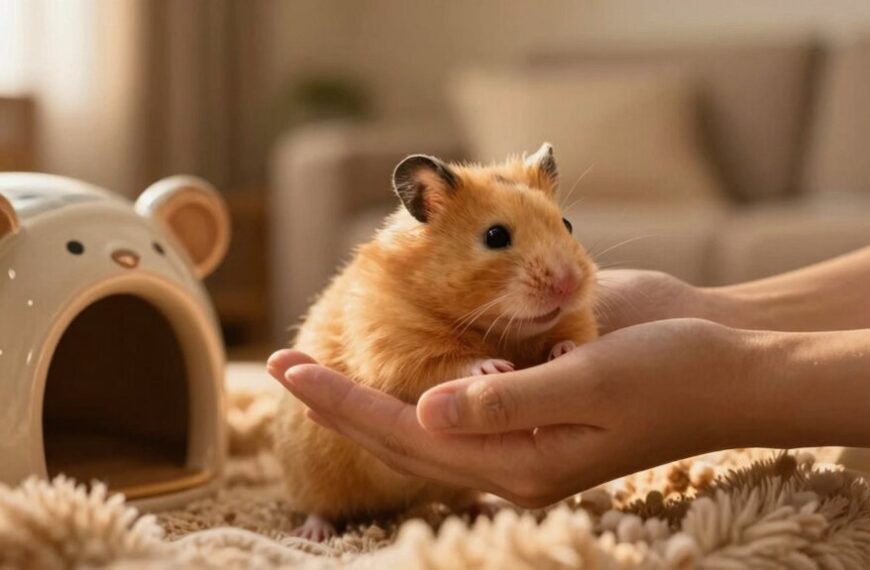
Why do some hamsters turn their cages into chew toys while others stay calm and content? The difference often comes down to their habitat. You can stop bar-biting before it starts by building a stress-free home. Give your hamster plenty of space, soft bedding, and fun hideouts, think cozy tunnels and a snug hammock. Always check for hammock safety to avoid tangled toes.
A silent, well-maintained wheel is key too. Squeaky wheels add stress, so regular wheel maintenance keeps things seamless and quiet.
Add chew toys made for hamsters so they’ve got better options than metal bars.
Natural light, quiet corners, and a consistent routine help your little buddy feel secure. When your hamster feels safe, they’re less likely to chew out of boredom or anxiety.
Turn that cage into a five-star suite. They’ll thank you with calm, happy vibes and maybe fewer midnight wheel marathons.
Final Thoughts
You’ve got this! Bar-biting might seem quirky, but now you know it’s often boredom or stress in disguise.
Fixing it? Easy. Bigger space, fun chew toys, and some daily playtime work wonders. Your hamster isn’t trying to redecorate; they’re just asking for help in their own tiny, toothy way.
With a little love and the right setup, you’ll both smile—well, you will. They’ll chew happily on *safe* things instead.