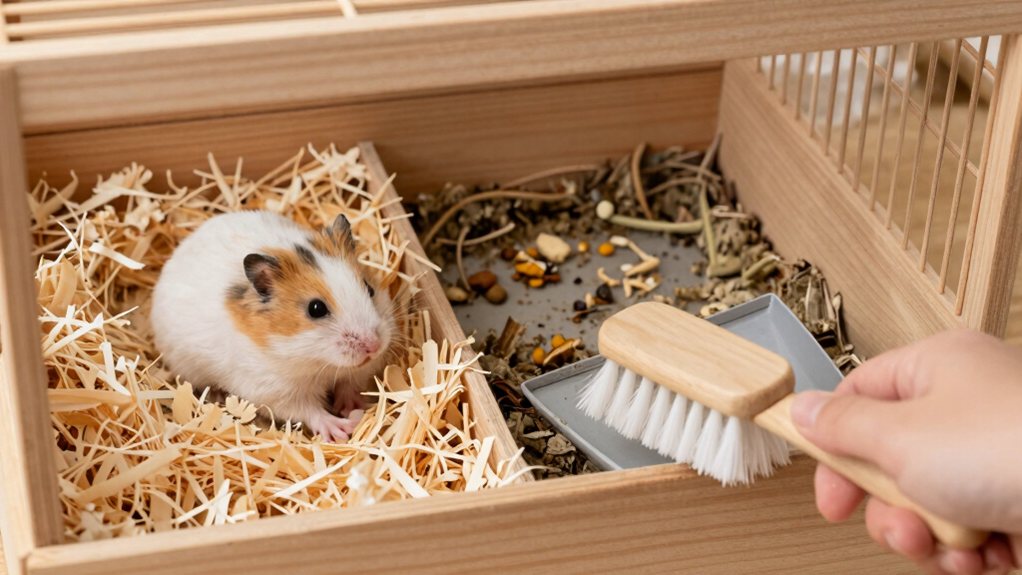
You should change your hamster’s bedding completely once a week to keep things fresh and healthy, nobody likes a smelly room, not even tiny paws. Spot clean every few days by scooping out wet or soiled bits, especially in the bathroom corner.
Use safe, low-dust bedding like paper-based or aspen, and don’t forget to leave a little old nesting material to keep your hamster comforted. Clean enough to stay safe, but not so much that it stresses them out. Balance is key.
And hey, your nose knows: if it smells off, it’s definitely time. There’s more good stuff coming your way.
How Often Should You Change Hamster Bedding?

Honestly, you don’t need to change your hamster’s bedding every single day, thank goodness, right? Most experts recommend a full bedding change once a week, but it really depends on your little buddy’s habits.
If your hamster loves to dig, a thicker bedding thickness (about 2–3 inches) keeps them happy and gives them room to burrow.
Spot cleaning daily helps too: just scoop out the soiled bits to keep things fresh.
Daily spot cleaning? A quick scoop of the messy bits keeps your hamster’s home fresh and comfy—think of it as a mini tidy-up they’ll thank you for!
Pay attention to hamster preferences; some are neat freaks, others? Total mess-makers.
If the cage starts smelling or looks soggy, it’s definitely time.
Over-cleaning stresses them out, so stick to a routine.
A clean home keeps your hamster healthy and your nose happy.
Think of it like laundry: nobody wants to wear dirty socks, right? You’ve got this!
Choose bedding made from safe, absorbent materials like paper-based bedding to help control odors and support your hamster’s respiratory health.

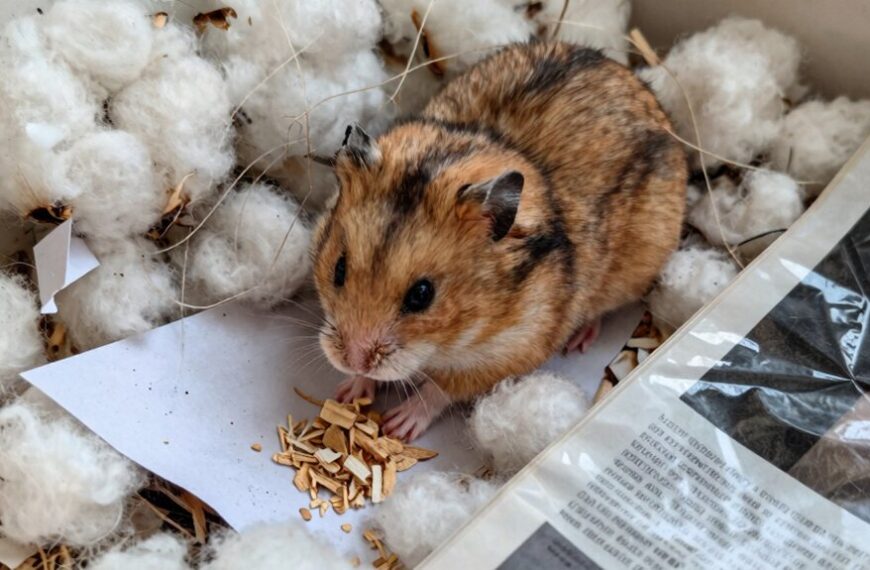
ODOR CONTROL for long-lasting freshness. Kaytee Clean & Cozy can be used with any type of habitat for a fresh animal home.
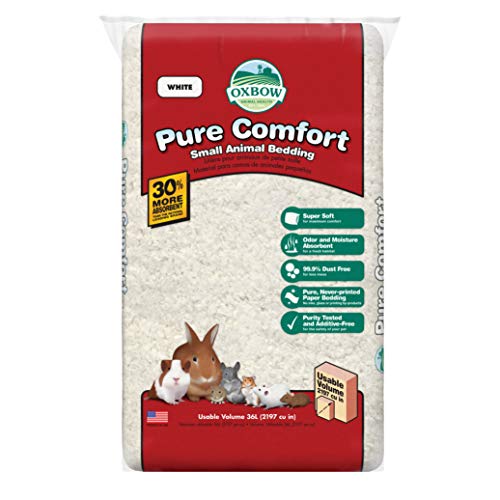
ODOR ABSORBENT TO MINIMIZE PET ODORS: Effectively neutralizes odors to keep bunny bedding & hamster bedding fresh; Ideal for pet bedding, ferret cages, and litter boxes, it helps maintain a clean environment for your pets and a better experience for you

ODOR CONTROL for long-lasting freshness. Kaytee Clean & Cozy can be used with any type of habitat for a fresh animal home
Spot Clean Bedding Every Few Days
Now and then, you’ll want to tidy up your hamster’s home without doing a full bedding overhaul. That’s where spot cleaning comes in.
Every few days, peek in and remove any soiled or wet bedding, especially around the bathroom corner. This helps with odor control and keeps your little buddy feeling fresh and comfy.
Think of it like taking out the trash instead of repainting the whole house. Swap out dirty bits with clean bedding, which also supports smart bedding rotation.
This keeps things healthy without stressing your hamster. Hamsters are neat freaks, seriously, they groom themselves like tiny perfectionists, so they’ll appreciate the upgrade.
Just don’t go overboard. Over-cleaning can mess with their scent markers. A quick scoop and replace every few days? Perfect.
Your nose will thank you, and your hamster will nap happier. It’s a win-win!
Spot cleaning every few days helps prevent bacterial growth and maintains a healthier environment between full cleanings, especially in smaller cages where waste accumulates faster due to limited space.
Replace All Bedding Weekly
Usually, swapping out all the bedding once a week keeps your hamster’s home fresh and healthy without turning their world upside down. You don’t want things too smelly or damp, but you also don’t need to stress over perfection. Aim for about two to three inches of bedding thickness—enough for digging and comfy nesting habits.
Hamsters love to burrow and build little hideouts, so leaving a bit of the old nesting material when you clean can help them feel secure. Just toss the soiled stuff and replace the rest.
Think of it like laundry day: nobody wants to start from scratch with no socks! It’s a balance: fresh bedding keeps odors and bacteria low, while a familiar corner helps your tiny buddy relax.
You’ve got this—your hamster will thank you with happy wheel runs and cheeky food hoards.
Choose dust-free materials to prevent respiratory irritation and ensure a healthier living environment.
Watch for Wet Spots and Smell

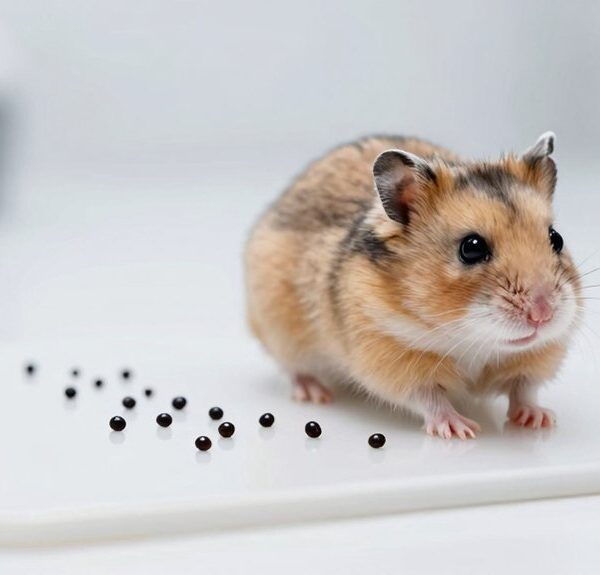
Ever catch a whiff of something less than fresh when you walk by your hamster’s cage? That’s your cue to check for wet spots and use your nose for odor detection. Hamsters love to pee in the same corner, and even with weekly bedding changes, accidents happen.
Lift the bedding gently, yes, get in there, and look for damp areas.
If it smells like ammonia or just “off,” it’s time to scoop and replace. Don’t wait for the full week if things get soggy or stinky.
Spot-cleaning helps a lot and keeps your little buddy comfy. Think of it like taking out the trash before it overflows—nobody wants that surprise.
A quick sniff test daily? Totally worth it. You’ll keep the habitat healthy and your nose happy. Your hamster mightn’t say “thank you,” but trust us, they’ll appreciate the fresh digs.
Using a pet-safe cleaner with natural enzymes ensures both odor and stain are fully broken down, preventing lingering smells and enzyme-based cleaners for long-term hygiene.
Choose Safe, Low-Dust Bedding
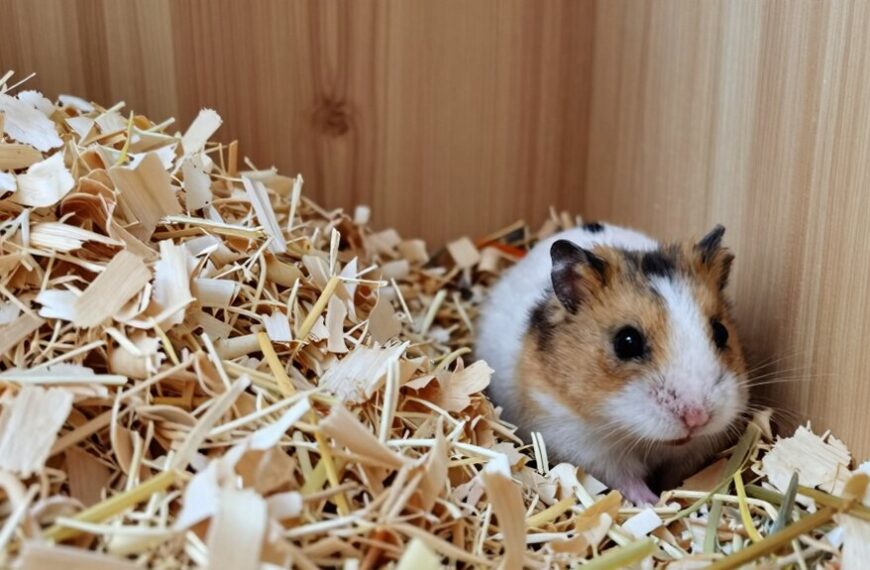
You’ll want to pick bedding that’s safe and easy on your hamster’s tiny lungs. Go for soft, natural materials like paper or aspen, not cedar or pine, which can make your little buddy sneeze like crazy.
Dust-free options aren’t just fancy talk. They help keep your hamster’s air clean and their nose happy.
Skip the scented stuff too, because no one wants a perfumed pet, right?
A high-quality option like 99.9% dust-free bedding ensures minimal respiratory irritation and supports long-term health.
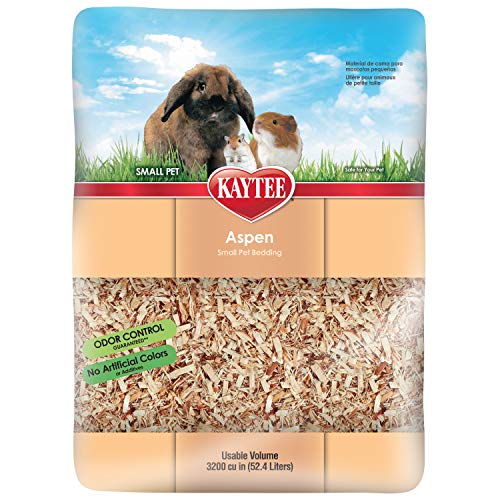
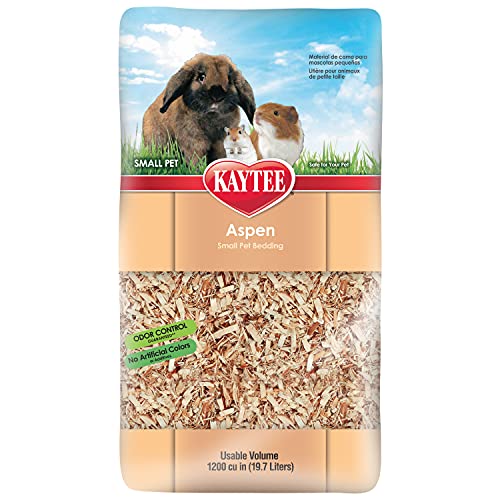
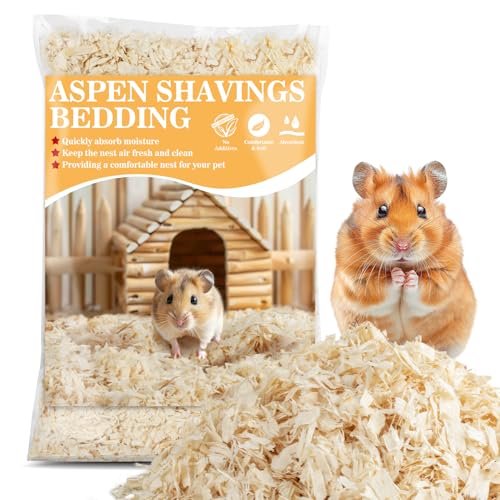
Aspen shavings: Using aspen wood, without any additives, with a nice odor, fluffy and comfortable, good for use as pet bedding
Safe Material Choices
When picking bedding for your hamster, going with safe, low-dust materials isn’t just smart, it’s a must. You wouldn’t want to sneeze all day, and neither does your tiny furball.
Skip the brightly colored bedding. Those dyes might look fun, but they can irritate your hamster’s skin and lungs. Stick to natural bedding colors, like browns and tans, which usually mean fewer chemicals.
As for material sourcing, choose bedding made from sustainable, untreated wood or paper. Aspen is great, but avoid cedar and pine. They release oils that can harm your pet’s breathing.
Paper-based options are soft, safe, and super absorbent. Think of it like picking pajamas for your hamster: comfy, clean, and non-itchy. Your little buddy will thank you with happy wheel runs and adorable cheek stuffing.
Aromatic compounds in bedding can cause serious respiratory issues, so always opt for fragrance-free and non-toxic materials.
Dust-Free Options Matter
Choosing the right bedding isn’t just about softness or smell. What you can’t see matters just as much. Dusty bedding can irritate your hamster’s lungs and worsen airflow quality, leading to sneezing or worse. You wouldn’t want to live in a dusty attic, and neither does your tiny buddy. That’s why dust-free options matter.
Look for bedding labeled “low-dust” or “dust-extracted.” They’re gentler on those little lungs. Soft bedding texture is great, but not if it comes with a cloud of irritants.
Paper-based or aspen shavings are solid picks; avoid cedar or pine, which can be harmful.
Think of it like picking a pillow for yourself—comfy, yes, but also clean and breathable. Your hamster may not thank you in words, but their happy zoomies say it all. Keep it dust-free, and both of you can breathe easier.
For thorough habitat hygiene, consider using a vet-approved disinfectant like SCXD F10 or Zoo Med Wipe Out 1 during deep cleaning.
Avoid Harmful Additives
To keep your hamster happy and healthy, always:
- Check labels for recycled fibers and avoid anything with strong scents.
- Steer clear of bright colors—those natural dyes can still trigger allergies.
- Pick simple, plant-based options like paper or aspen.
Your hamster won’t send a complaint letter.
Cute, but they’re busy hoarding snacks.
Cleaner bedding means fewer sniffles and more zoomies.
Think of it as a spa day, minus the cucumber slices.
Safe, low-dust bedding isn’t just smart.
It’s a small change with big cuddle rewards.
Consider using bamboo charcoal for natural odor control without irritating baking soda.
Avoid Stress From Over-Cleaning
Sometimes, less really is more, especially when it comes to cleaning your hamster’s home. You might think a spotless cage is best, but over-cleaning can actually stress your little buddy out.
A spotless cage isn’t always best—over-cleaning can stress your hamster. Sometimes, less really is more for their peace of mind.
Hamsters rely on familiar scents to feel safe, and wiping everything away too often can leave them confused and anxious.
Instead of replacing all the bedding at once, try bedding rotation. Only swap out soiled sections while keeping some of the old, scent-marked material. This keeps their space fresh without erasing their comfort zone.
Stick to a consistent cleaning schedule, like changing bedding fully once a week, to balance hygiene and security.
Think of it like leaving a nightlight on. Your hamster just needs a little piece of home to stay calm. Clean enough to be healthy, not so much that it feels like a hotel room swap every other day.
A clean environment starts with identifying the bathroom corner to target spot-cleaning effectively.
Change Bedding in 5 Simple Steps

You don’t have to wait for your hamster’s home to smell like a science experiment gone wrong, spot clean spills and droppings every few days to keep things fresh.
Then, once a week, do a full swap by replacing all the bedding so your little buddy always has a clean, cozy space to explore.
Think of it like changing your own bedsheets, except with more nibbles and fewer excuses to procrastinate.
Spot Clean Regularly
Every now and then, your hamster’s cozy little home will need a quick refresh, no full teardown required. Spot cleaning helps you stay on top of messes without disrupting your pet’s bed behavior or nesting habits. It’s quick, easy, and keeps your little buddy happy and healthy.
Scoop out soiled bedding daily – especially around the bathroom corner (yes, they often pick one!).
Replace wet or smelly patches – damp spots can lead to mold and unhappy hamsters.
Top off with fresh bedding – a little refill keeps the nest comfy and odor under control.
You don’t need to stress over perfection. Just a few minutes every few days makes a big difference. Think of it like tidying your own bed in the morning: not a deep clean, just enough to feel fresh. Your hamster will thank you with happy squeaks and fewer stink bombs!
Replace Fully Weekly
Once a week, like clockwork, it’s time to roll up your sleeves and give your hamster’s habitat a full makeover, think of it as their weekly spa day, minus the cucumber slices. Start by scooping out all the old bedding, especially if it’s changed color from fresh to dingy. Bedding color is a dead giveaway of when it’s time to switch.
Replace it with fresh, safe material your hamster can burrow in happily. While they don’t care about hamster fashion, clean bedding keeps them healthy and stress-free.
Spot cleaning helps, but a full swap weekly prevents odor and bacteria buildup.
Make it a ritual: remove, wipe, refill, fluff, and admire. Your little buddy will thank you with energetic wheel runs and happy squeaks.
Consistency is key. Skip a week, and you’ll smell the consequences.
Keep it simple, keep it clean, and your hamster’s home stays a cozy, comfy retreat.
A full weekly cleaning helps prevent the buildup of ammonia from urine, which can cause respiratory irritation in both hamsters and humans.
Prevent Respiratory Issues With Clean Bedding
While your hamster mightn’t complain in words, a stuffy nose or sneezing fit is their not-so-subtle way of saying, “Hey, this bedding’s seen better days!”
Dirty bedding can trap ammonia from urine, and that sharp smell isn’t just unpleasant—it’s a real hazard for your tiny friend’s delicate lungs.
That pungent ammonia smell? It’s more than just gross—it’s a silent threat to your hamster’s sensitive respiratory system.
Keeping bedding moisture levels in check and doing regular air quality monitoring helps you stay ahead of problems.
- Swap out soiled bedding weekly to reduce ammonia buildup
- Choose dust-free materials like paper-based options to support better breathing
- Spot-clean damp spots daily—your hamster’s nose will thank you
A clean habitat doesn’t just smell better (for both of you!), it keeps your little buddy healthy and happy.
Think of it as a spa day they didn’t ask for but totally deserve.
Stay consistent, and you’ll both breathe easier, literally!
Final Thoughts
You’ve got this! Spot clean every few days, swap all bedding weekly, and trust your nose: if it stinks, it’s time. Pick safe, low-dust stuff to keep your little buddy breathing easy.
Don’t over-clean and stress him out, though. Hamsters hate sudden changes. Just follow these simple steps, and your pet will stay happy, healthy, and way cuter in a fresh, cozy home. Clean bedding? That’s a win for both of you!
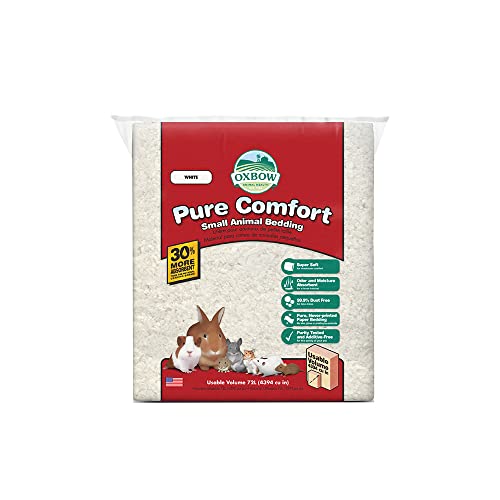
ODOR ABSORBENT TO MINIMIZE PET ODORS: Effectively neutralizes odors to keep bunny bedding & hamster bedding fresh; Ideal for pet bedding, ferret cages, and litter boxes, it helps maintain a clean environment for your pets and a better experience for you

ODOR ABSORBENT TO MINIMIZE PET ODORS: Effectively neutralizes odors to keep bunny bedding & hamster bedding fresh; Ideal for pet bedding, ferret cages, and litter boxes, it helps maintain a clean environment for your pets and a better experience for you

SOFT, NATURAL COMFORT FOR YOUR PET FRIEND: Made from 100% natural corn cob, this premium bedding creates a soft, cozy surface your pet will love while being gentle on delicate feet and feathers.