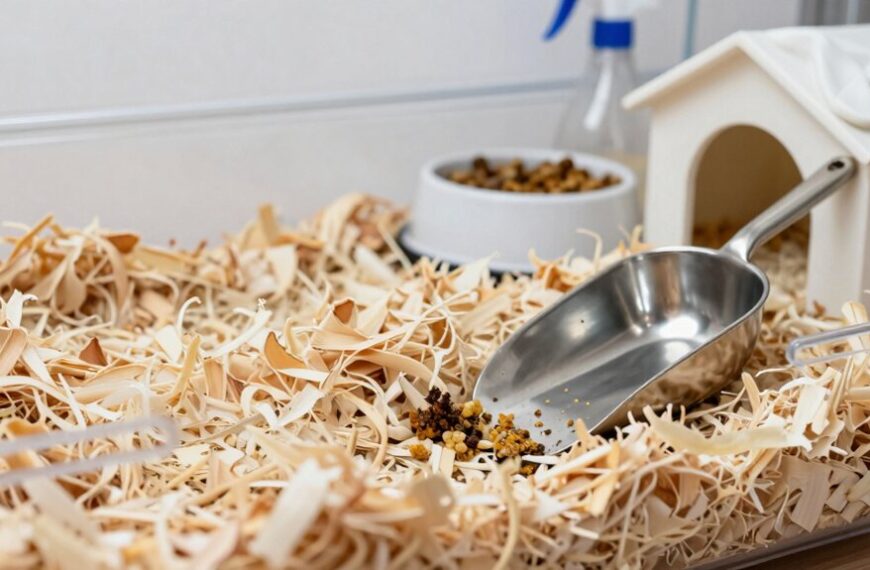
Line the bottom of your hamster’s cage with 2–3 inches of soft, dust-free bedding like paper-based or aspen material. It’s safe, comfy, and perfect for digging.
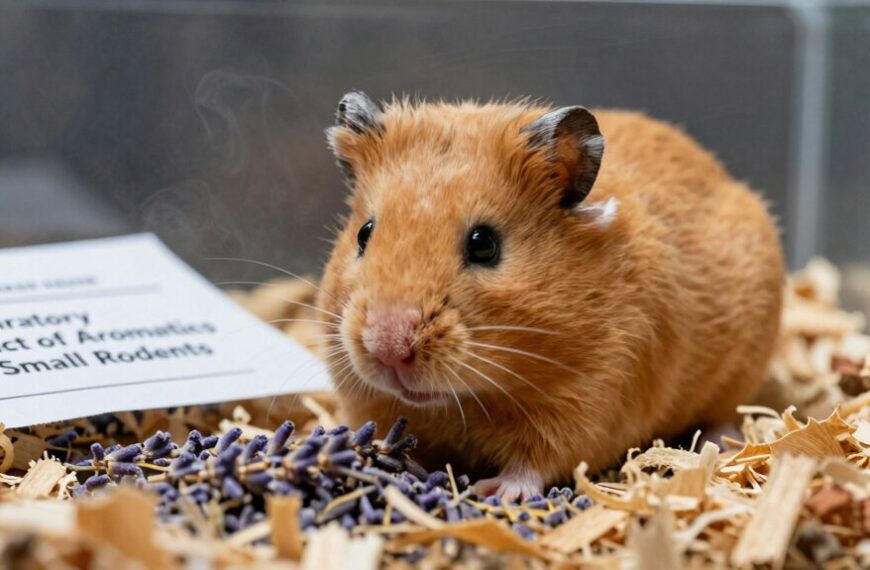
Skip cedar or pine shavings. They can irritate your hammy’s lungs and skin.
Add a waterproof liner underneath to protect the cage and keep things cozy. Your little burrower will love tunneling and snuggling in, and you’ll love seeing them happy and healthy. There’s even more to get right to make their home paws-itively perfect.
What Makes Hamster Bedding Safe?

Let’s talk about what really matters when it comes to your hamster’s happy little home: safe bedding. You want something soft, cozy, and most importantly, safe. Always go for natural fibers like paper or aspen. Your tiny friend will love burrowing in it.
Create a cozy, safe haven with natural bedding like paper or aspen—perfect for happy burrowing and healthy little paws.
Avoid anything with strong scents or chemicals. Their little noses are super sensitive.
Dust free materials are a must. Dust can irritate their lungs and cause sneezing fits. And no one wants a sad, sniffling hamster.
Stay away from cedar or pine shavings. They might smell nice to us, but they’re harmful to hamsters.
Think of it like picking pajamas for your pet. Comfy, breathable, and irritation-free.
Your hamster may not say “thank you,” but a happy, healthy pet is worth the effort.
Plus, clean bedding means fewer odors for you. Win-win!

ODOR CONTROL for long-lasting freshness. Kaytee Clean & Cozy can be used with any type of habitat for a fresh animal home.

ODOR CONTROL for long-lasting freshness, Kaytee Clean & Cozy can be used with any type of habitat for a fresh animal home
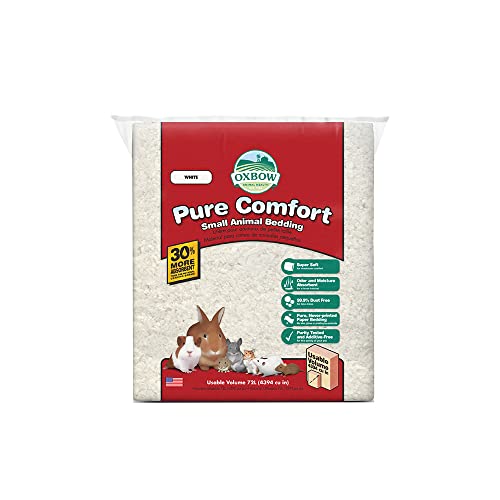
ODOR ABSORBENT TO MINIMIZE PET ODORS: Effectively neutralizes odors to keep bunny bedding & hamster bedding fresh; Ideal for pet bedding, ferret cages, and litter boxes, it helps maintain a clean environment for your pets and a better experience for you
Best Bedding for a Hamster Cage
The best bedding for your hamster’s cage isn’t just about softness, it’s about safety, comfort, and keeping that tiny nose happy.
You’ll want something with a gentle bedding texture that won’t irritate their delicate feet or skin.
Avoid anything dusty or scented. Hamsters have serious scent sensitivity, and strong smells can stress them out or even cause health issues.
Paper-based bedding is a top choice because it’s absorbent, soft, and usually dust-free.
Aspen shavings work well too, but skip cedar or pine. They can be harmful.
Your hamster will love burrowing, so pick a bedding that lets them dig and nest safely.
Think of it like picking pajamas for your pet: cozy, breathable, and irritation-free.
A happy hamster means fewer sneezes and more cute tunnel-building marathons.
You’ve got this. Your little buddy’s comfort is worth the extra thought!
Dangerous Bedding to Avoid
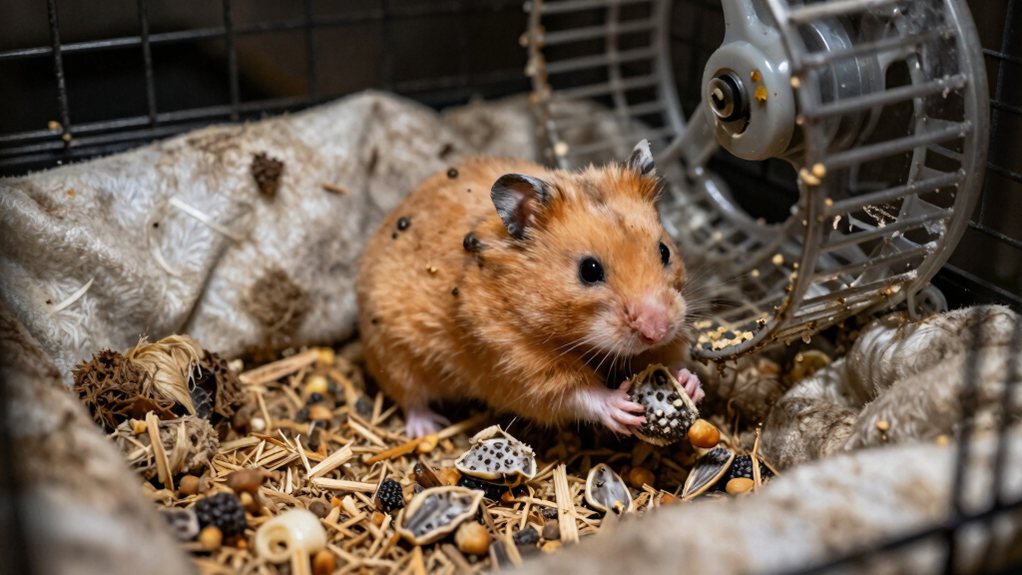
While your hamster mightn’t hand you a five-star review, they’ll definitely let you know, through sneezes, scratches, or sad little side-eye, if their bedding isn’t safe.
Skip anything with toxic materials like cedar or pine shavings. They might smell cozy, but they can cause breathing problems and irritated skin.
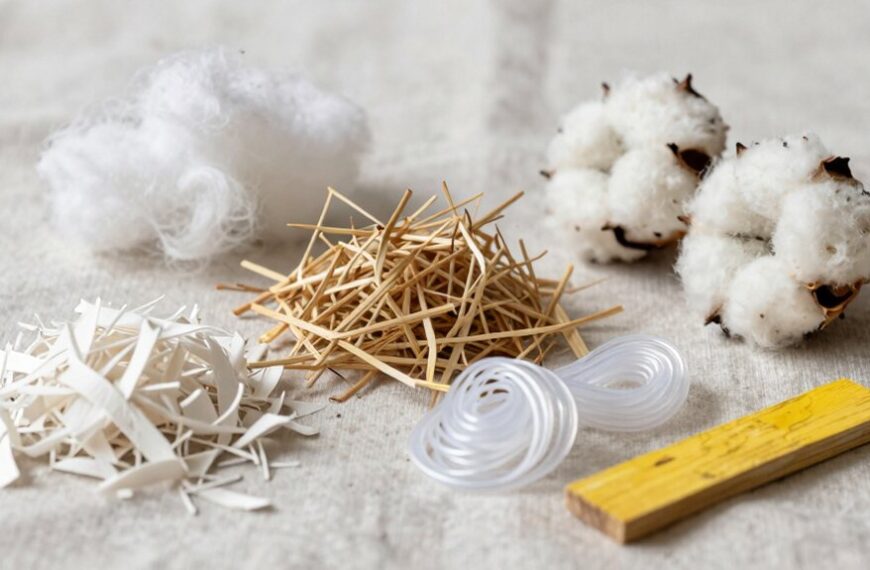
Also, steer clear of fluffy, cotton-like bedding. While it looks soft, it’s an unsafe substrate that can wrap around tiny limbs or be swallowed.
You don’t want your furball turning their nest into a hazard zone.
Stick to paper-based or aspen bedding instead.
Your hamster won’t send a thank-you note, they’re busy, but they’ll breathe easier and nap safer.
And honestly, isn’t that the cutest review you could ask for?
Keep it simple, keep it safe, and your little buddy will thrive.
No drama, just happy digging.
How Much Bedding Does a Hamster Need?

You’ve picked the safe bedding, no cedar, no pine, no fluffy traps, so now it’s time to talk about how much of that cozy stuff your hamster actually needs.
For happy burrowing and deep sleep, aim for a bedding depth of about 6 to 8 inches. That might sound like a lot, but trust us—your little digger will thank you.
Aim for 6 to 8 inches of bedding—your hamster’s natural digger instincts will thrive, and you’ll be rewarded with a happy, well-rested little burrower.
Hamsters love to tunnel, nest, and hide, and the right depth lets them act natural while staying safe.
Remember, material safety matters just as much as quantity. Here’s what your setup should feel like:
- A soft, cloud-like layer that invites digging
- A thick, pillowy base for secret underground nests
- A cozy, insulated space that stays warm at night
- A clean, dust-free zone that keeps little noses happy
Give your hamster the right amount, and you’ll get a busy, blissful pet—and maybe fewer escape attempts!
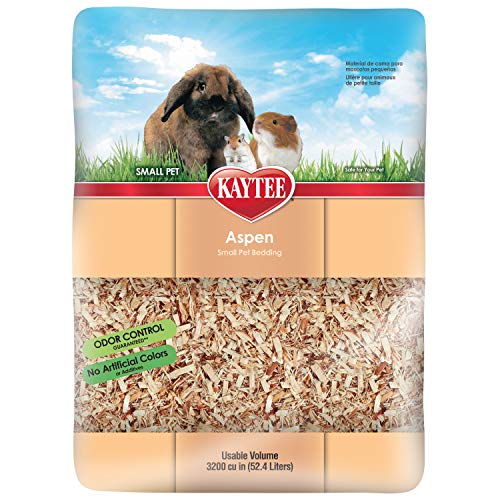
ALL-NATURAL ASPEN SHAVINGS, crafted for a natural, comfortable habitat

Natural Pet Bedding – Made from 100% natural materials with no additives or fragrances. Soft, fluffy, and safe, providing a healthy bedding option for your small pets.
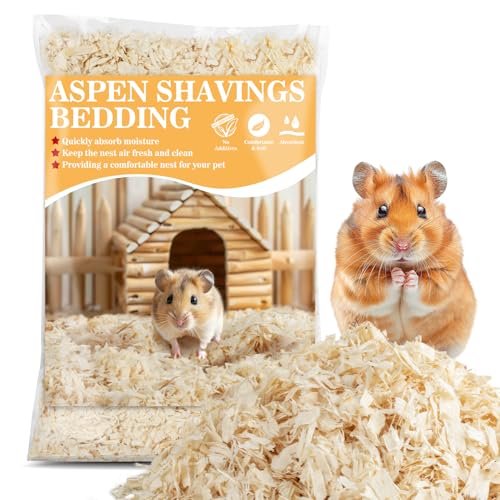
Aspen shavings: Using aspen wood, without any additives, with a nice odor, fluffy and comfortable, good for use as pet bedding
Add Nesting Material and Hideouts for Comfort
What’s better than a cozy castle for your tiny, tunnel-loving roommate? Giving them their own private suite with plenty of nesting material and hideouts. Hamsters crave security, and creating warm nests from soft, safe bedding like shredded paper or unscented tissues lets them burrow just like they’d in the wild.
Tuck these materials into cozy corners of the cage so your little digger can build a snug sleep spot.
Add a hideout, wooden houses, ceramic huts, or even DIY cardboard forts work great, to give them a personal retreat. These spots aren’t just cute, they reduce stress and support natural behaviors.
Watch them snuggle in, rearrange, and maybe even stash snacks inside. It’s part hide-and-seek, part home improvement show.
With the right touches, your hamster won’t just survive, they’ll thrive, one warm nest at a time.
How to Set Up the Bottom of a Hamster Cage
You’ll want to start with a solid layer of bedding to keep your hamster cozy and happy, think of it like making a tiny, furry bed they can burrow in.
This base serves the added purpose of feeling great for their little feet but also protects the cage floor from spills and messes.
Just don’t skimp on the bedding. Trust me, your nose will thank you later.
Bedding Layer Basics
While your hamster mightn’t come with an instruction manual, setting up the perfect bedding layer isn’t as tricky as it seems.
Think of it like making a tiny, cozy apartment for your pint-sized roomie.
Aim for a bedding depth of at least 2–3 inches so your little buddy can dig and burrow like nature intended.
Choose soft, safe material texture—no rough or dusty stuff that could irritate those tiny paws.
Your hamster will nap, play, and tunnel through this layer, so make it comfy!
- Fluffy, cloud-like nesting fibers
- Crinkly paper strips that rustle with every shuffle
- Cozy tunnels formed by packed bedding
- Tiny paw prints pressed into soft, pillowy layers
You’re doing more than just filling space—you’re building a home.
Cage Floor Protection
Now that you’ve picked the perfect cozy bedding for your hamster’s underground adventures, let’s talk about what goes underneath it all.
Yes, the unsung hero of cage setup is floor protection.
You’ll want to place a solid, waterproof liner under the bedding to prevent leaks and keep everything dry.
In addition to protecting your floors, it also adds a bit of floor insulation, keeping your little buddy warm during cooler months.
Think of it like putting on socks before climbing into bed—small move, big comfort.
A liner also helps maintain cage aesthetics by keeping the setup neat and tidy.
Skip the flimsy stuff.
Go for something durable like a reptile mat or thick plastic.
Trust me, your future self and your floors will thank you.
With the right base, your hamster’s home stays cozy, clean, and ready for happy digging.
Final Thoughts
You’ve got this! Just line the bottom with safe, soft bedding like paper-based stuff, add cozy nesting material, and toss in a hideout for naps and snacks.
Skip the dusty or scented stuff, it’s a no-go for tiny lungs. Keep it deep enough for burrowing fun, but not messy. Your hamster’ll thank you with happy zoomies.
Simple, comfy, and safe? That’s the sweet spot.

Fine Silica Sand: Bath sand is one of the necessary hamster accessories. And silica sand is a type of sand commonly used in hamster sand baths. It is a natural and absorbent fine sand that helps remove excess grease and dust from the hamster's fur, removes dirt and odors from the body, and keeps the little pet dry and clean

Hamster Bath Sand, Dust Free Desert Sand or Potty Litter Sand for Hamster Chinchillas Gerbil Syrian Mice Small Animals

Sukh Natural Desert Sand: Desert sand is one of the necessary hamster supplies, and a common type of sand used in hamster sand baths and also all purpose sand. It is a natural, absorbent fine sand that can help remove excess grease and dust from the hamster's fur, remove dirt and odors from the body, and keep the little pet dry and clean.