Don’t use wire cages or solid wheels, they’ll hurt your hamster’s feet and drive them nuts. Skip cedar or scented bedding, it’s like giving them a toxic spa day they didn’t ask for. Never feed just seeds, or you’ll turn snack time into a health crisis.
Don’t rush handling, house two together, or flip their day-night schedule, hamsters are nocturnal divas. And clean smart, not hard, overdoing it stresses them out. Watch for sneezing, sloppiness, or a wet tail, because trouble can sneak up fast. There’s more to keep your little buddy happy and safe.
Don’t Use Wire Cages for Your Hamster

While you might think a wire cage gives your hamster plenty of fresh air and a great view of their kingdom (aka your bedroom), it’s actually one of the worst homes you could pick for them.
That wire cage might look like a dream home, but for your hamster, it’s more like a prison of sore feet and escape attempts—ditch the bars for a safer, cozier home.
Wire cage hazards are real: those open floors can hurt their tiny feet or lead to painful injuries.
Hamsters love to climb, but a wire floor isn’t safe and can cause long-term harm.
Plus, they might chew the bars out of boredom or stress, which damages their teeth and doesn’t solve the real issue.
For better cage floor safety, choose a solid-bottom enclosure like a glass tank or plastic bin.
These keep little paws protected and make cleaning way easier.
Trust me, your hamster would rather have a cozy, safe space than a drafty penthouse.
Swap out the wire cage, and both of you’ll sleep better—no more midnight escape attempts or sore feet.
A 2-level habitat with a solid plastic base provides ample space and easy cleaning features for long-term care.

Large Multi-Floors Hamster Mouse Gerbil Mansion: Features 5 solid paw safe floors with white wire body and 3-inch deep blue base, includes 4 solid plastic floors with 4 solid ladders and 2 front doors, expandable and completely compatible with Mcage accessories for more space

SPACIOUS 39.4" x 15.75" x 19.7" HABITAT: With generous interior height, this large hamster cage easily accommodates deep bedding (8-10 inches) to satisfy your pet’s natural digging & burrowing instincts. Give your Syrian hamster the freedom to tunnel, nest, and explore like in the wild.

【Upgraded Quilted Material】: Made of premium quilted fabric that is thicker and more absorbent, quickly wicking away moisture. The internal waterproof coating still effectively prevents pet urine from seeping out. It's designed for dual-side use, offering double the durability and convenience.
Avoid Harmful Bedding Like Cedar or Scented Paper
You might think cedar bedding smells nice and keeps things fresh, but it’s actually a no-go for your hamster’s health. Those oils can irritate their little lungs.
And while scented paper looks cute and smells like a spring meadow, those artificial fragrances can overwhelm your pet just like too much perfume on a first date.
Stick to safe, unscented bedding, and your hamster will thank you by staying happy, healthy, and drama-free.
Aim for a bedding depth of 6 to 8 inches to support your hamster’s natural burrowing instincts and provide a comfortable, secure environment.
Cedar Bedding Risks
If you’re looking to give your hamster a cozy, safe home, skip the cedar bedding. Those pretty wood shavings might smell great to you, but they’re a sneaky hazard for your tiny friend. Cedar toxicity and respiratory irritation are real risks. Your little furball deserves better.
Instead of risking their healthortion- 2ll0llll sp. They’re counting on you! health, consider these safer options:
- Aspen shavings – no harmful oils, soft, and great for burrowing.
- Paper-based bedding – unscented and gentle on sensitive noses.
- Focellus or fleece liners – washable, cozy, and eco-friendly.
Your hamster may not send a thank-you note (cute as that’d be), but their bright eyes and happy zoomii hops will say it all. Skip the pine and cedar. Your pet’s lungs will thank you. Keep it simple, safe, and snuggly.
Hamsters exposed to aromatic compounds in bedding can develop chronic respiratory issues, so always choose chemical-free bedding materials.
Scented Paper Dangers
That fresh-from-the-store scent might seem like a nice touch, but your hamster definitely doesn’t care for lavender-scented paper bedding. Truth is, they’d rather you skip the perfume altogether.
Those artificial fragrances can cause serious respiratory irritation in such tiny lungs. Imagine wearing a cologne you couldn’t wash off. Yeah, not fun.
Scented paper might look clean and cozy, but it often hides paper toxicity from added chemicals that stress your pet’s system.
Your hamster’s nose is way more sensitive than yours, so what smells “fresh” to you could feel like a chemical attack to them.
Skip the air fresheners, scented liners, or perfumed care products near their home.
Stick to plain, unscented paper or aspen shavings instead.
Your little buddy will breathe easier—literally.
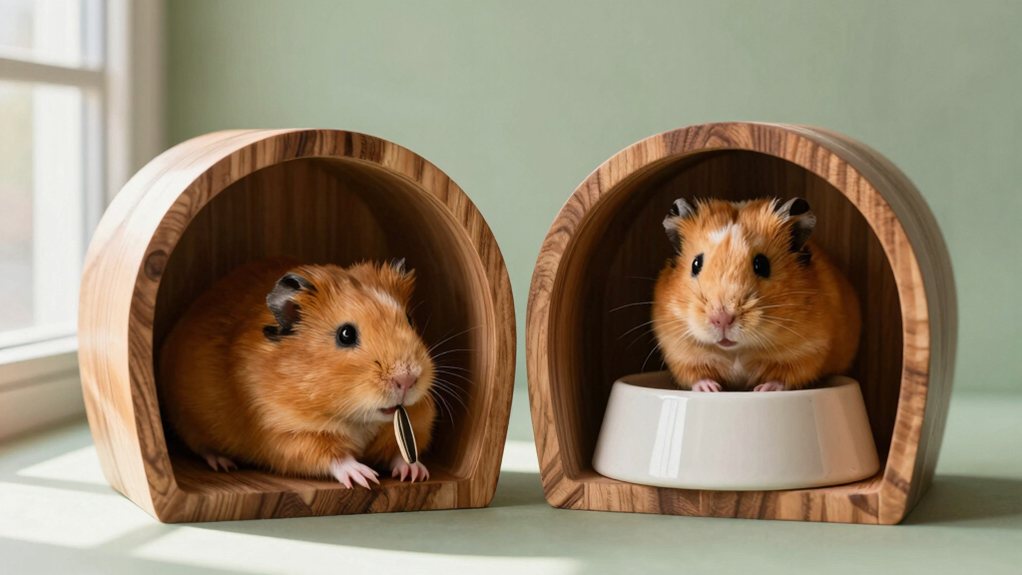
A happy hamster isn’t one buried in lilac-scented fluff. It’s one happily munching a sunflower seed, not sneezing through it.
Fragrance-free, 99.9% dust-free bedding is essential for maintaining your hamster’s respiratory health and overall well-being.
Stop Using a Solid-Surface Exercise Wheel
You might think a solid-surface wheel is safe, but it can actually hurt your hamster’s little feet and tail over time.
Skip the old-style wheels and grab one with a solid, flat surface instead, it’s way safer and still gives them a great workout.
Your fuzzy buddy will keep running circles around you, just without the risk!
Injury Risk From Solid Wheels
While your hamster might look like a tiny, furry superhero sprinting through the night, that solid-surface wheel in their cage could be doing more harm than good.
The injury risk from solid wheels is real, even if your pet seems happy using one. Those slick surfaces don’t offer grip, which means tiny paws can slip, leading to sprains or worse.
Here’s what you should know:
- No traction: Solid wheels lack texture, making it easy for feet and toes to get caught or twist.
- Spine strain: Running on an uneven or slippery surface can hurt their delicate backs over time.
- Hidden injuries: Your hamster won’t complain, but limping or reluctance to run could signal pain.
Switch to a wire or textured wheel, your little speedster will thank you with safer, happier midnight marathons.
Better Alternatives For Exercise
What if your hamster’s nightly workout routine could be safer *and* more fun? Ditch that old solid wheel. It’s time for better alternatives.
Try a treadmill ball for safe, supervised zoomies around the house. Your hamster gets fresh air and new sights while staying active. Just keep an eye on them. No stairs.
Another great option? Playpen time. Set up a secure space with tunnels, cardboard castles, and room to explore. It’s like hamster vacation time.
Exercise *and* adventure in one.
These options reduce injury risk and add variety to their routine.
Plus, watching your little buddy discover a new maze is pure joy. You’ll both look forward to it.
A good treadmill ball features secure locking mechanism to prevent escapes during use.
Don’t Feed Your Hamster Only Seeds and Treats
Here’s what to remember:
- Base their diet on quality hamster pellets, they’re packed with balanced nutrients.
- Offer fresh veggies in small amounts, think carrots or cucumber, not a whole salad.
- Use seeds and treats sparingly, like a dessert, not dinner.
Your hamster will stay healthier, happier, and way less sneaky when you hide the treat jar.
Trust us, they’ll still adore you—just without the junk food jitters.
A consistent daily feeding routine supports your hamster’s rapid metabolism and helps prevent digestive issues and nutrient imbalances.
Handle Your Hamster Too Soon at Your Own Risk
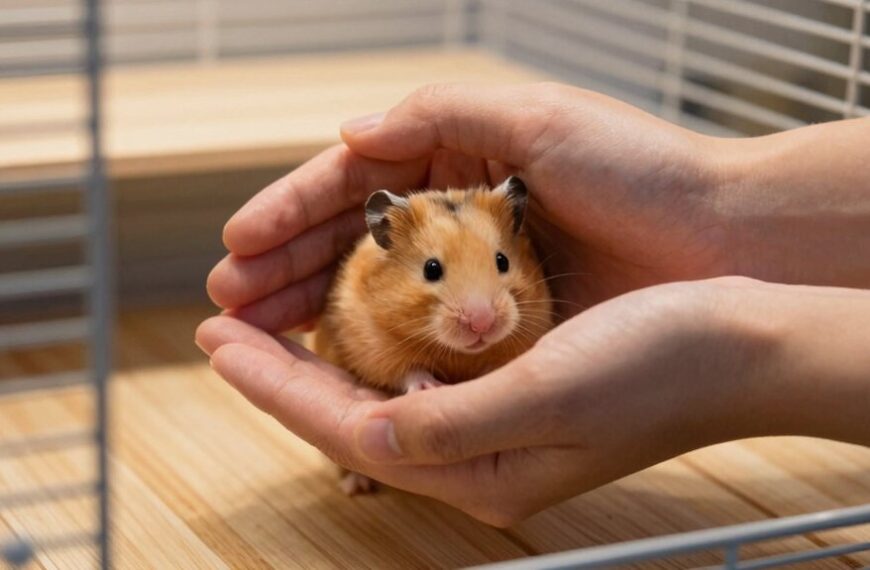
So, you just brought home your new hamster and they’re staring at you with those beady little eyes, adorable, right? But hold off on the cuddles. Early handling can stress them out big time.
Your hamster’s in a strange new world, and grabbing them too soon increases bonding risks. They might get scared, bite, or just hide all day. Give them 3 to 5 days to adjust. No poking, no scooping. Let them sniff the cage, find their food, and settle in.
After the wait, start slow. Offer a treat from your hand, then gently cup them without lifting. Build trust, not panic.
Think of it like a first date. Rushing never ends well.
Be patient, and soon your hamster might actually run into your hands. Wait it out, and you’ll both be happier. Trust us. Good things come to those who wait.
Over time, your hamster will begin to recognize your scent and voice, forming a bond based on consistent, calm interaction—a process that hinges on trust development.
Never House Two Hamsters Together: They’re Solitary
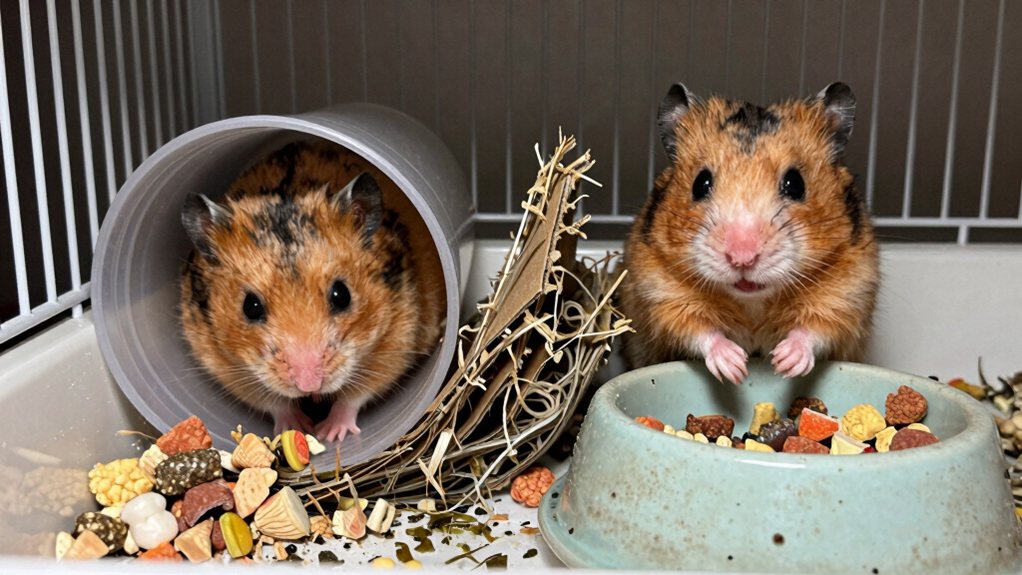
While you might think your hamster would love a roommate for company, tossing two together could turn your cozy pet habitat into a tiny turf war.
Hamsters are naturally solitary, and cage sharing often leads to hamster aggression, no joke.
Here’s what you need to know:
- They don’t do friendships: Unlike dogs or guinea pigs, most hamsters see others as intruders, not pals.
- Fights happen fast: Even if they seem calm at first, one bite can escalate quickly, sometimes fatally.
- Stress builds silently: A cagemate might seem harmless, but constant tension harms their health over time.
You’re not being mean by keeping them solo, you’re being kind.
Think of it as giving your hamster their own peaceful studio apartment instead of forcing a roommate they never asked for.
Trust us, your little furball would thank you if they could talk!
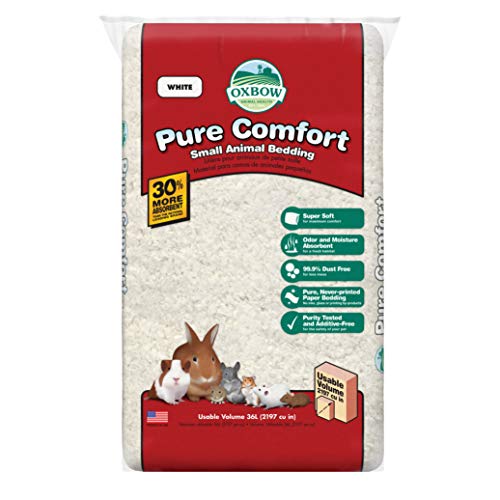
ODOR ABSORBENT TO MINIMIZE PET ODORS: Effectively neutralizes odors to keep bunny bedding & hamster bedding fresh; Ideal for pet bedding, ferret cages, and litter boxes, it helps maintain a clean environment for your pets and a better experience for you

ODOR CONTROL for long-lasting freshness, Kaytee Clean & Cozy can be used with any type of habitat for a fresh animal home

ODOR CONTROL for long-lasting freshness. Kaytee Clean & Cozy can be used with any type of habitat for a fresh animal home.
Don’t Ignore Your Hamster’s Nighttime Nature
You’ve already given your hamster their own space to thrive without roommates, and now it’s time to respect another big part of their personality, their late-night lifestyle.
Hamsters are naturally nocturnal, meaning they sleep all day and come alive when you’re winding down.
Don’t be surprised if your hamster starts running on their wheel at midnight. It’s just their way of saying, “The night is young!”
Avoid using night lighting near their cage. It can confuse their internal clock and stress them out.
Keep their environment quiet and dark at night so they can follow their natural rhythm.
Waking them during the day isn’t a great idea. They might bite out of sleepy surprise.
Think of them as tiny roommates who party when you nap.
Respecting their nocturnal behavior doesn’t mean losing sleep, just a little understanding. You’ll both rest easier.
Never Deep-Clean Your Hamster’s Cage
Though your inner neat freak might beg to differ, going overboard with cleaning your hamster’s cage can actually backfire.
Hamsters rely on familiar scents to feel safe, so wiping everything clean strips away their sense of home.
Instead of deep-cleaning, stick to a smart routine:
- Spot clean daily – Toss out soiled bedding and leftover food to manage cage odor.
- Refresh weekly – Replace about a third of the bedding to maintain scent familiarity.
- Deep-clean monthly – Only then should you fully scrub the cage, using water (no harsh chemicals!).
Overdoing cleaning frequency stresses your tiny buddy and can cause behavioral issues.
Think of it like redecorating their entire home overnight—no one likes that!
A little mess is normal, and a slight scent? Totally fine.
Your hamster isn’t judging your cleaning standards.
Keep it balanced, and they’ll stay happy, healthy, and comfortably stinky.
Full cage cleaning is necessary only once every seven days for a single hamster to prevent odor and bacterial growth without causing unnecessary stress.
Watch for Early Signs of Hamster Illness

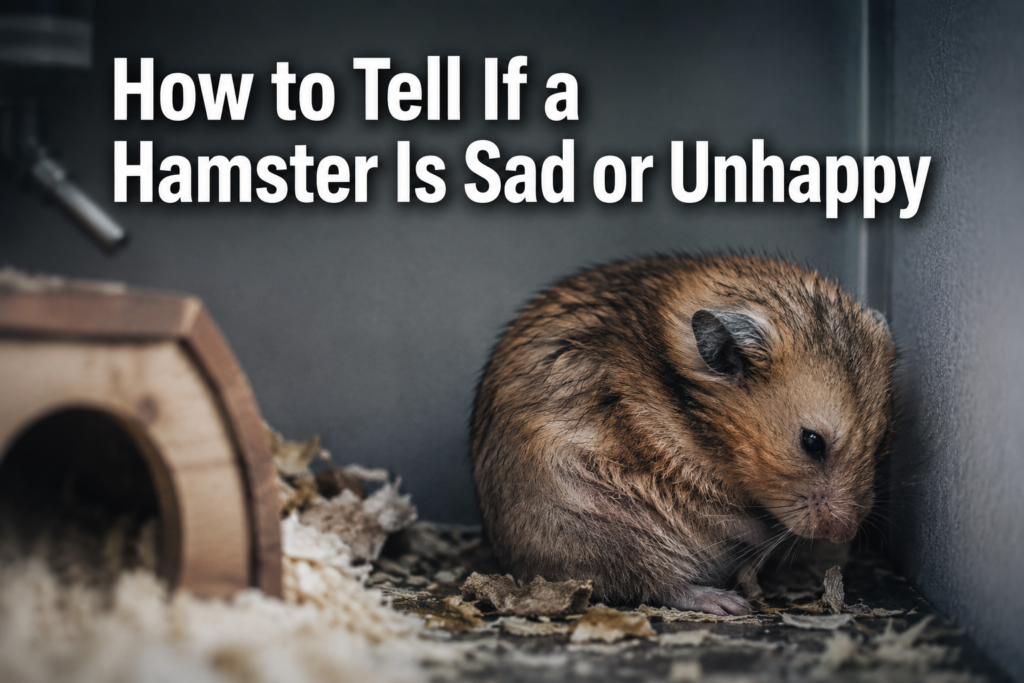
Keep an eye out for little changes in your hamster’s routine. They can speak volumes before anything serious shows up.
If your normally active buddy suddenly seems sluggish, that’s a red flag. Lethargy often means something’s off.
Maybe they’re not eating as much, or they’re hiding more than usual. Don’t brush it off.
One nasty culprit could be wet tail, a serious infection that hits hard and fast, especially in young hamsters.
You might notice a messy, wet bottom or a strong smell. It’s no joke, but catching it early gives your little furball a real fighting chance.
Also, check for sneezing, dull eyes, or ruffled fur. These are tiny clues your hamster’s under the weather.
Think of yourself as a hamster detective: curious, calm, and ready to call the vet.
A quick response today can save your pet a world of trouble tomorrow. You’ve got this!
Decline in food consumption and weight is compounded by reduced energy levels, and a noticeable loss of appetite can be one of the first observable end-of-life signs.
Final Thoughts
You’ve got this! Just skip the wire cages, ditch the cedar bedding, and don’t rush the cuddles. Your hamster will thank you. Keep their wheel solid, their diet balanced, and their space cozy with a little stink left in the corners (yes, really).
They’re night owls, not roommates. A grumpy hamster isn’t being dramatic—it might be sick. Watch closely, love deeply, and remember: tiny paws, big responsibility. But hey, at least they don’t shed on your couch.
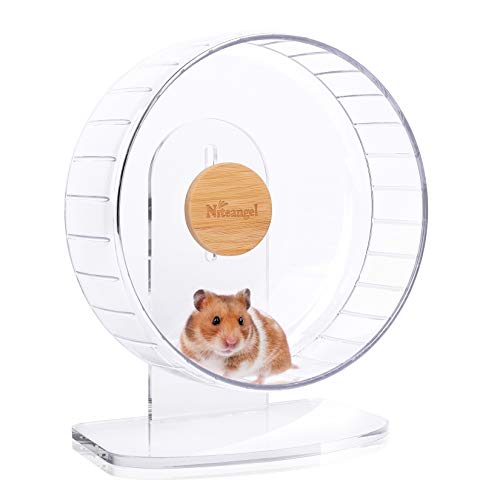
Super Silent 10-Inch Hamster Wheel - Niteangel Silent Spinner Hamster wheel designed with Dual Ball bearings, it brings your little hamster endless running happiness, also brings you a quiet night even if your hamster on the race track to run & hamster wheel is spinning

【Mini Size for Your Pets】 This is S size for small furry animals, about 6.1x3.74x7 inch(15.5x9.5x18 cm). Highly recommended for dwarf hamsters, small gerbil, mice, and other similar-sized pets, fits for them when run without bending their backs.

Super Silent 8.2-Inch Hamster Wheel - Niteangel Silent Spinner Hamster wheel designed with Dual Ball bearings, it brings your little hamster endless running happiness, also brings you a quiet night even if your hamster on the race track to run & hamster wheel is spinning