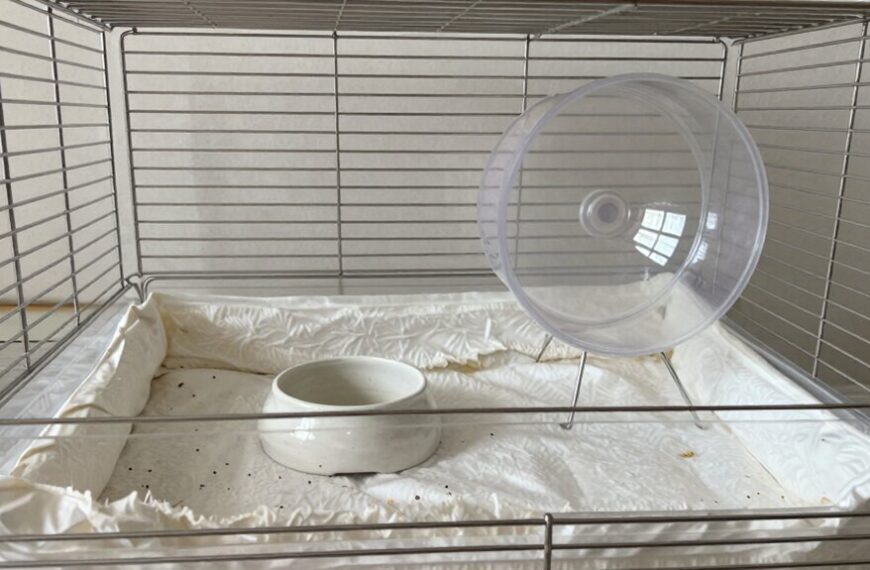
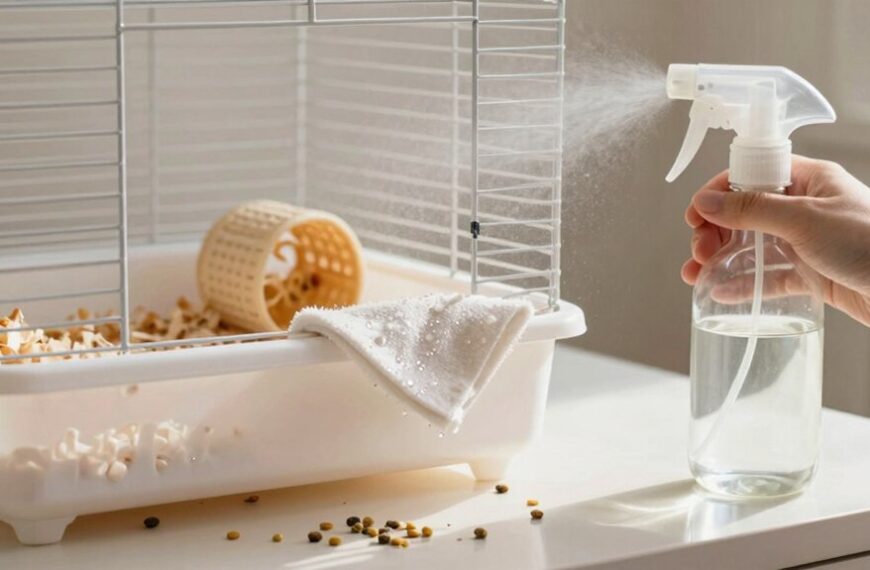
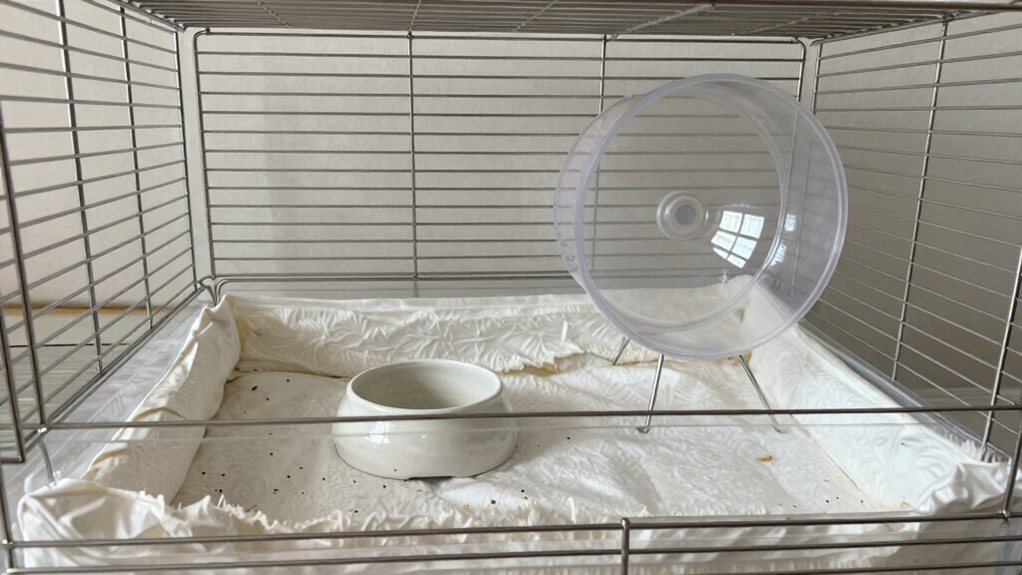
You should clean your hamster’s cage every single week, no skipping, or you’ll be greeted by a smelly, bacteria-filled surprise. Pair that weekly deep clean with daily spot checks to scoop out wet bedding and leftover snacks.
Larger cages stay fresher longer, but all setups need this routine. Think of it like doing laundry: skip it too long, and everyone regrets it.
Your hamster will thank you with happy zoomies and fewer health issues. Plus, you’ll both enjoy the peace of knowing their home stays cozy and clean.
There’s even more to get right, from safe cleaners to clever time-savers.
Why Hamster Cage Cleaning Matters for Health
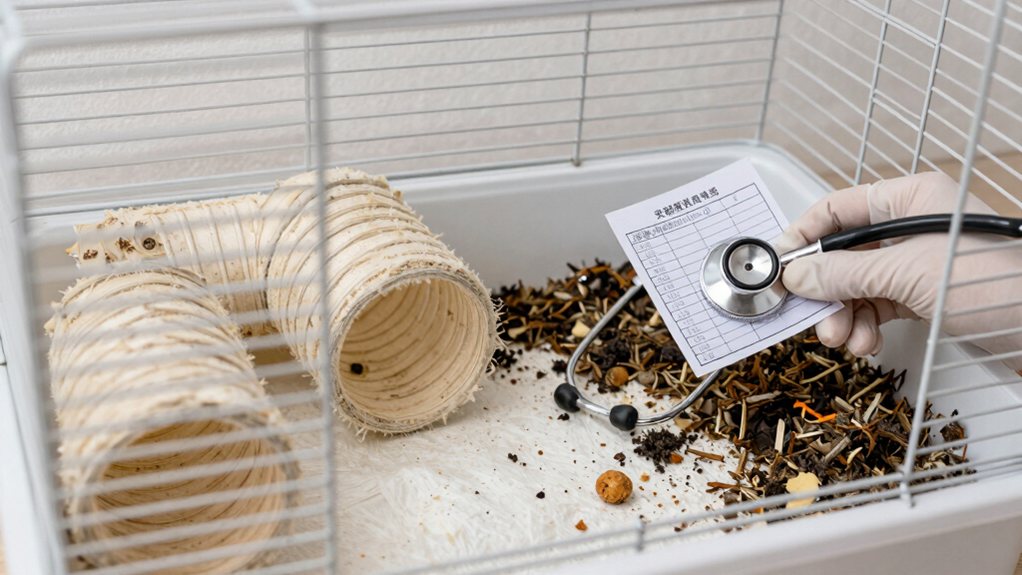
Even though your hamster mightn’t hand you a cleaning checklist, keeping their cage tidy is one of the best ways to keep them happy and healthy.
A clean cage isn’t just nice—it’s essential. Keep your hamster’s home tidy and watch them thrive with more zoomies, less stress, and all-around happiness.
A dirty cage can lead to bacteria buildup, which might make your little buddy sick.
You’ll notice changes in hamster behavior, like lethargy or irritability, if the space feels off.
Plus, smelly bedding and grimy cage decorations aren’t just gross for you, they stress your pet out too.
Think about it: would you want to nap in a dusty tunnel or munch snacks near a soggy corner?
Regular cleaning keeps odors down, prevents mold, and gives your hamster a safe, comfy home.
It also means you get to see their playful, curious side more often.
So grab that sponge and toss the yucky stuff.
Your hamster will thank you with happy zoomies and fewer grumpy moments.
Clean cage, happy hamster, peaceful life.

For Daily Hamster Cage Messes Between Deep Cleanings: Hamster habitats can quickly collect food residue, bedding scatter, droppings, and everyday buildup. These hamster cage cleaning wipes are designed for routine spot cleaning to help keep cages, feeding areas, and living spaces cleaner between full habitat cleanings

"FAST-ACTING FORMULA: Our natural enzyme cleaner formula is incredibly fast acting and does not leave behind greasy, sticky, or filmy residue like other cleaners or soaps. Once this cage-cleaning formula has been applied and rinsed, your pets’ habitat can be wiped down, so it will be stain-free and smelling fresh in no time. "

Soft, non slip portable recycled plastic dustpan and anti static broom for cleaning your pet cage, it is so durable and easy to clean.
How Often to Clean a Hamster Cage: The Weekly Rule
You’ve seen how a messy cage can turn your hamster’s world upside down, nobody likes sleeping next to last week’s salad scraps, not even tiny furballs with zero fashion sense.
So here’s the golden rule: clean the whole cage once a week.
Yep, every seven days like clockwork.
Swapping out old bedding keeps smells down and your little buddy happy.
Plus, fresh bedding texture means comfy burrowing.
Don’t forget to wipe down toys and check cage lighting.
Dim or flickering lights can stress your hamster out.
Spot clean spills or droppings between full cleanings, but don’t skip the weekly deep clean.
A consistent schedule helps prevent bacteria and keeps your pet healthy.
Think of it like laundry, nobody wants to wear dirty socks, and your hamster doesn’t want a dirty home.
Stick to the weekly rule, and you’ll both breathe easier.
Spot Clean vs Full Clean: What’s the Difference?
Ever wonder why you can’t just wait until the whole cage stinks before cleaning? Because your hamster deserves better, and so do you!
Spot cleaning means tackling the messy spots daily, like scooping out wet bedding or leftover snacks.
Think of it as waste mapping: tracking where your hamster goes potty or spills water so you can fix it fast.
It keeps things fresh without a full overhaul.
A full clean, though, happens weekly.
Swap all the bedding, wipe everything down, and start fresh.
That’s where bedding rotation helps.
It keeps your hamster’s environment clean and stress-free.
Spot cleaning saves time, but full cleaning keeps germs away.
Do both, and you’ll have a happy, healthy pet who doesn’t treat their home like a dumpster.
You’ve got this.
Your tiny roommate will thank you!
How Cage Size Affects Cleaning Frequency

You know how a messy room gets smelly fast when it’s tiny? Well, your hamster’s cage works the same way. Smaller cages need cleaning more often because waste builds up quicker in tight spaces.
But if you’ve got a bigger cage, lucky you. More space means smells and mess spread out, so it stays fresh longer and makes your job a little easier.
Smaller Cages Require More Cleaning
Actually, the idea that smaller cages need more cleaning isn’t quite as straightforward as it sounds. Sure, less space means mess builds up faster, but it’s more than just about size. It’s about cage design and how easy it’s to maintain.
A smart layout with accessible corners and removable trays can make cleaning way simpler, even in compact spaces. With the right cleaning tools, like a small brush or pet-safe spray, you’ll tackle messes quickly and keep things fresh.
Think of it like tidying a tiny apartment. Everything’s closer together, so spills and odors spread faster. But with a solid routine, you’ve got it under control.
You don’t need to deep-clean daily, but spot-cleaning a few times a week helps a lot.
Larger Cages Retain Cleanliness Longer
While it might seem like a bigger cage stays cleaner just because there’s more space, that’s not always the case, and sometimes, it’s not even true. But here’s the good news: larger cages can retain cleanliness longer, especially when smart cage design and proper ventilation quality are in play.
With more room, waste spreads out, smells linger less, and your hamster enjoys a fresher environment. Think of it like this: would you rather share a closet or a living room with a buddy who never takes out the trash?
A roomy cage gives your little guy space to roam while keeping messy spots isolated.
Just don’t skip spot-cleaning! Even the best setup needs weekly touch-ups. So, go big if you can, but remember: size alone won’t do the work. Smart design and airflow make all the difference. Your nose—and your hamster—will thank you.
Cage Size Impacts Waste Buildup Speed
A bigger cage doesn’t just give your hamster more room to sprint like a tiny, furry marathoner. It actually slows down how fast waste builds up.
When you’ve got a spacious cage design, your little buddy spreads out droppings and spills over a wider area, so messes aren’t concentrated in one spot. That means less ammonia buildup and a fresher-smelling room for you.
Good ventilation quality helps too. Air flows better in larger cages, reducing dampness and odors. Think of it like airing out a small bathroom versus a big walk-in shower.
With smart cage design and solid airflow, you won’t need to deep-clean as often. Sure, spot cleaning’s still a must, but you’ll stretch those full cleanings further.
One or Two Hamsters? How Population Changes Cleaning
Let’s be real, more hamsters might sound like more fun, but when it comes to cage cleaning, one tiny buddy is way easier on your schedule than two. With just one hamster, waste builds up slower, so you can stick to weekly cleanings without stress.
But toss in a second hamster? Now you’ve got double the pee spots, burrow messes, and chewed-up bedding. Here’s how it plays out:
- One hamster = once-a-week deep clean, easy toy rotation, and you actually notice when they ignore their blue wheel for the red one.
- Two hamsters = more poop, more pee, more chaos—clean every 5 days.
- Cage color fades faster with extra moisture and waste.
- Toy rotation becomes survival mode—you’ll swap toys just to keep the peace.
Stick to one if you want less laundry (hamster edition).
Best Bedding for Hamster Cage Cleaning and Odor Control
You’ll want to pick bedding that keeps your hamster comfy and your nose happy, after all, nobody likes walking into a room that smells like a dirty gym sock.
Paper-based or aspen shavings work great because they soak up moisture and help control odors without irritating your little buddy.
Just skip the cedar or pine, unless you enjoy sneezy, grumpy hamsters and frequent trips to the vet.

Natural And Comfortable Hamster Bedding: Are you looking for natural and comfortable bedding for the hamsters? Through pet experts carefully select, let you not worry about bedding causing any danger to your pet. Multiple colors enrich your hamster habitat and choose the most comfortable natural bedding for small animal.

FUN CONFETTI PIECES that provide mental enrichment for your pet
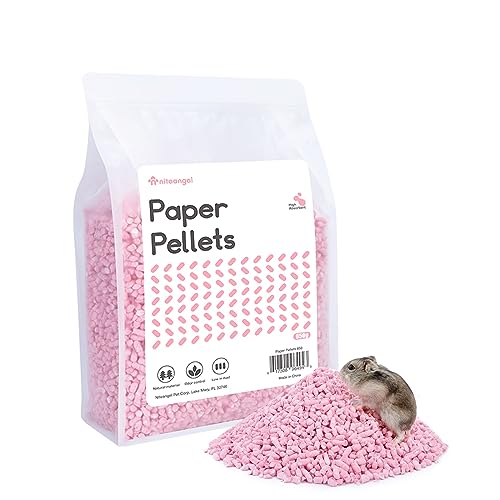
[Natural Material Paper Bedding] Are you still worried about the annoying smell of your tiny pet farm? Niteangel small animal paper bedding are made of natural pulp, which has strong water absorption, which can better absorb the annoying smell of the cage, and it will not deform in contact with water, allowing hamsters to have more fun rolling and digging.
Best Bedding Materials
Picking the right bedding isn’t just about comfort, it’s your secret weapon in the never-ending battle against stink and mess.
You want something safe and soft, but also great at soaking up odors and staying dry.
Let’s break down the top 4 bedding materials you should consider:
- Aspen shavings – Safe, affordable, and great for odor control. Plus, they’re dust-free and won’t irritate your hamster’s lungs.
- Paper-based bedding – Super absorbent and soft on tiny paws. Just check for ink-free, recycled paper to guarantee material safety.
- Carefresh (natural) – Long fibers mean less digging out of the cage. It’s also gentle on bedding texture and highly absorbent.
- Hay – Natural and cozy, but best mixed with other types to avoid mold.
Avoid cedar or pine, it’s risky and harsh. Your hamster’s health (and your nose) will thank you!
Odor Control Tips
Ever wonder why your hamster’s cage starts smelling like a locker room by midweek? It’s more than mess, it’s poor air circulation and the wrong bedding. You’ve gotta let that cage breathe! Make sure it’s not tucked in a dark corner. A spot with gentle airflow helps keep odors from settling in.
Spot-clean pee corners every few days, and don’t skip weekly full cleanouts. For natural deodorizers, try baking soda under the bedding. It’s cheap and works like magic.
Some folks swear by cedar or pine, but those can irritate your hammy’s lungs, so skip them.
Instead, go for paper-based or aspen bedding. They soak up smells and are safe.
A sprinkle of dried lavender? Okay, maybe that’s overkill, and your hamster might side-eye you. Stick to smart cleaning and smart choices, and both you and your tiny roommate will breathe easier.
How to Deep Clean a Hamster Cage (Step by Step)
While your hamster mightn’t hand out cleanliness awards, they’ll definitely thank you, with fewer sneezes and more energetic wheel runs, when you give their home a proper deep clean.
Cleaning deeply once a month supports good hamster behavior and keeps cage decoration fun, not funky. Here’s how to do it right:
A monthly deep clean keeps your hamster happy, healthy, and full of energy—turn cage time into fun time, not funk time.
- Remove your hamster and place them in a secure playpen or carrier—safety first!
- Take out all bedding, toys, and decor, tossing soiled items and washing the rest with warm, soapy water.
- Scrub the cage with a pet-safe cleaner, focusing on corners where gunk loves to hide.
- Rinse, dry, and reassemble everything before adding fresh bedding and returning your curious little friend.
Your hamster will notice the difference. So will your nose.
Hamster-Safe Disinfectants: What Works and What to Avoid

What should you reach for when it’s time to disinfect your hamster’s home—bleach, vinegar, or something gentler?
Skip the harsh stuff: bleach leaves behind chemical residues that can seriously harm your tiny friend.
Instead, go for hamster-safe options like diluted white vinegar (one part vinegar to one part water) or natural sprays made specifically for small pets. These clean effectively without dangerous leftovers.
After spraying, wipe everything down well and rinse with water. Yes, even if it’s labeled “natural.”
You don’t want your hamster sneezing like they’re auditioning for a commercial!
Let the cage air dry completely before bringing back toys and bedding.
Your little buddy will thank you with happy wheel runs and cheeky food hoards.
Keep it safe, keep it clean, and keep those whiskers wiggling stress-free.
Signs It’s Time to Clean Your Hamster Cage Early
Is your hamster’s home starting to smell more like a locker room than a cozy hideaway?
Don’t panic, sometimes life gets busy, but your hamster still needs a clean space.
Watch for these signs it’s time to clean early:
- Pungent odor hits you at hello – If you wrinkle your nose before even seeing the cage, it’s a red flag.
- Food spillage piled up like tiny landfills – Leftover seeds and crumbs attract mold and bugs fast.
- Toys looking chewed beyond repair? Time for toys replacement – Soggy or broken toys aren’t just gross, they’re unsafe.
- Damp or clumpy bedding – Moist spots mean bacteria are throwing a party you didn’t approve.
Don’t wait for the regular schedule.
A quick clean keeps your little buddy healthy and happy.
Plus, you’ll both enjoy the fresh vibe!
Time-Saving Hacks for Stress-Free Hamster Cage Cleaning
Ever feel like cleaning your hamster’s cage takes forever, like you’re prepping for a tiny royal inspection? You’re not alone. The good news? A few smart tweaks can make it way easier.
Try using DIY tools, like repurposing old toothbrushes to scrub corners or a mini dustpan for quick spot-cleans. They work great and save cash.
Stick to simple cleaning schedules, spot-clean every few days and do a full refresh weekly, so mess never piles up.
Keep supplies in one caddy so you’re not scrambling.
Rotate two identical cages, or bowls and hideouts, so one’s always ready. That way, cleanup’s a snap.
You’ll save time, stress less, and your hamster will stay happy. Honestly, it’s a win-win.
A little planning goes a long way. Your future self, and your tiny roommate, will thank you.
Final Thoughts
You’ve got this! Cleaning your hamster’s cage doesn’t have to be a chore you dread. Stick to weekly full cleans, spot clean a few times a week, and your little buddy will stay happy and healthy.
Remember, a fresh cage means fewer odors and less stress for both of you. Tackle it like a pro with simple tools and a bit of routine. Your hamster might not say “thanks,” but trust us, they’ll show it with zoomies!
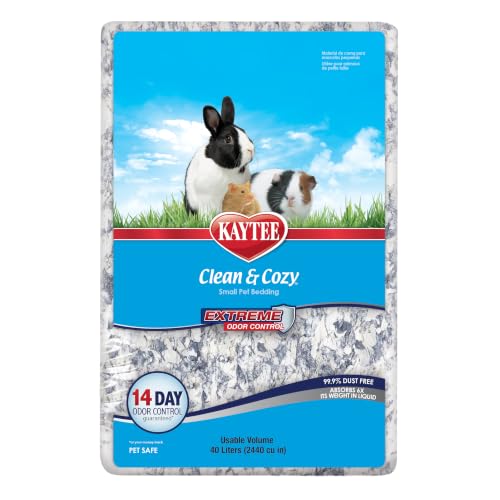
14-DAY ODOR CONTROL for long-lasting freshness. Kaytee Clean & Cozy can be used with any type of habitat for a fresh animal home

HAMSTER CAGE ODOR CONTROL — Helps neutralize urine, soiled bedding, food and everyday habitat odors without covering the cage in heavy perfume. Ideal for keeping the habitat and surrounding room fresher between full bedding changes

Hamster Bedding: Hamster bedding consists of a variety of natural floral and herbal materials that have been carefully selected. All of them are hand-picked and naturally air-dried without any added ingredients, providing a soft surface for hamsters to walk, sleep and play comfortably