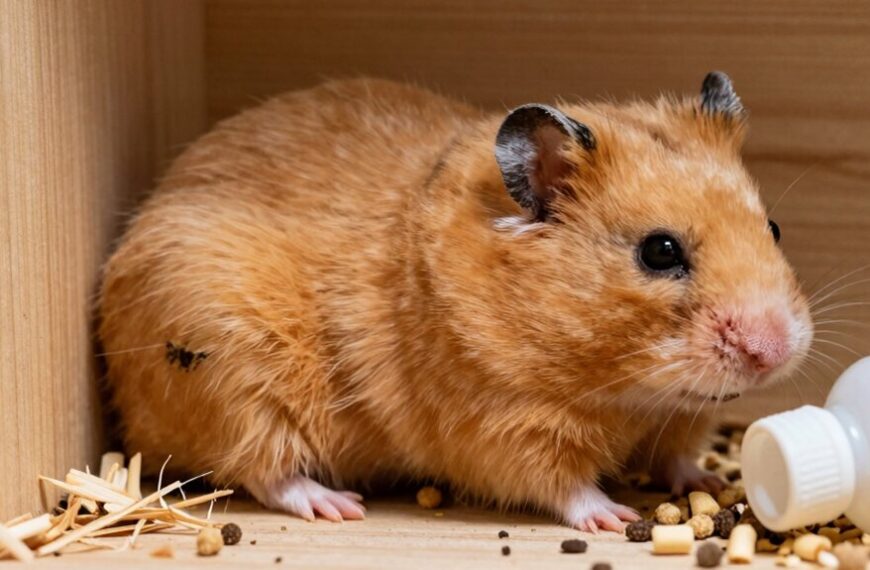
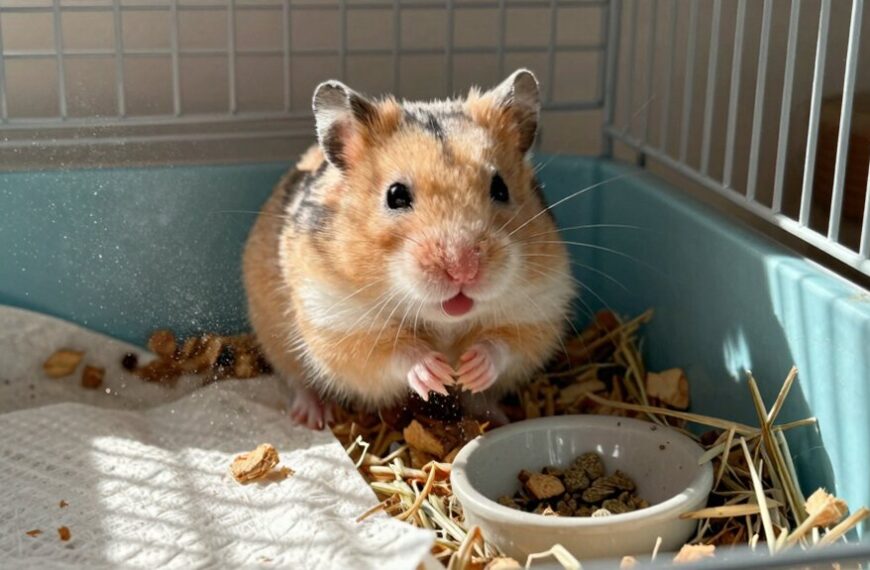
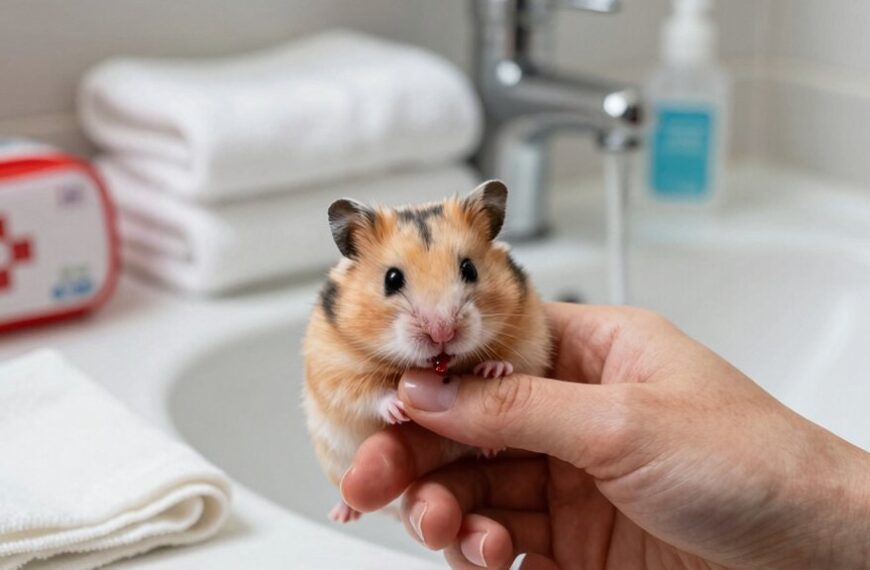
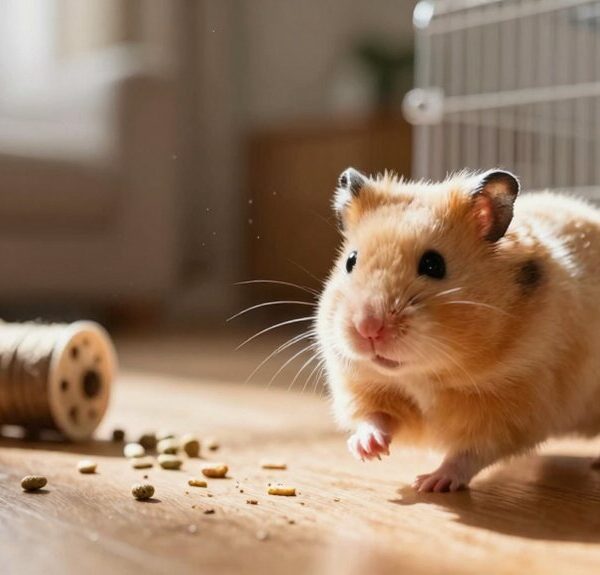
If your hamster sneezes, it’s probably reacting to dust, strong scents, or irritants, kind of like you would in a smoky room. Things like pine bedding, dirty cages, or moldy hay can tickle their tiny nose.
Occasional sneezing is normal, but constant sneezing? That’s a red flag. It could mean irritation, allergies, or even an infection brewing. Keep their space clean, use safe bedding, and watch for other symptoms, because there’s more to the story than just a little “achoo.”
Why Is My Hamster Sneezing?

Ever wonder why your little hamster suddenly lets out a tiny “achoo”? Sneezing isn’t usually a big red flag, but it’s worth paying attention to. Often, it’s just normal hamster behavior, like when dust from bedding tickles their nose. But if the sneezing keeps up, it might be a sign of something more.
Check your cage placement. If it’s near a drafty window or in a smoky room, that could be irritating their sensitive sniffers.
Hamsters have delicate respiratory systems, so clean air matters. Make sure their space is cozy, draft-free, and away from strong smells like cleaning products.
Occasional sneezes? Totally normal. Constant ones? Time to tweak their setup.
A little observation goes a long way. Your tiny buddy will thank you with more snuggles and fewer “achoo!” moments.
Is Your Hamster Sneezing From Dust or Irritants?
You mightn’t realize it, but that sneeze could mean your hamster’s tiny nose is reacting to dust in the air, kind of like when you walk into a dusty attic and *achoo*!
Check their bedding, because some types kick up more irritants than others, and nobody wants a sniffling sidekick.
If you’re seeing frequent sneezes, red eyes, or a runny nose, it’s a sign your little buddy’s feeling a bit under the weather from something in their environment.
A good choice is 99.9% dust-free bedding, which helps protect sensitive respiratory systems and reduces irritation from airborne particles.
Dust In The Air
That little *achoo* from your hamster mightn’t be a cold. It could just mean the air’s a bit too dusty for their delicate nose. Poor air quality is a common culprit when your tiny friend keeps sneezing.
Dust from bedding, hay, or even nearby cleaning products can stir up environmental triggers that irritate their sensitive respiratory system. You wouldn’t want to live in a constant dust storm, and neither do they!
Try switching to a dust-free bedding like paper-based options, and avoid scented litters or strong sprays near their cage.
Keep their space clean but gentle. No harsh chemicals. A quick wipe-down and a good vacuum now and then go a long way.
Think of it as spring cleaning, hamster-style! If the sneezes stop, you’ve likely nailed the fix.
Your furry buddy mightn’t say “bless you,” but they’ll thank you with fewer sniffles and more happy wheel runs.
Aromatic compounds in certain beddings can also trigger respiratory distress, so always choose unscented bedding materials to protect your hamster’s sensitive lungs.
Bedding Type Matters
A dusty environment isn’t the only sneeze trigger. What’s actually *in* that dust could be the real problem.
If your hamster’s bedding is rough or made from irritating materials, it could be setting off those little sneezes.
Bedding texture matters more than you’d think. Soft, fine fibers are gentler on tiny noses.
Harsh shavings, especially from pine or cedar, release strong scents and chemicals that bother your pet’s lungs.
You want material safety first. Opt for paper-based or aspen bedding instead.
These choices are kinder, less dusty, and way safer for daily use.
Think of it like picking pillowcases: would *you* sleep on sandpaper? Probably not.
Your hamster feels the same.
Switching bedding might stop the sneezing and keep your little buddy happy, healthy, and sniffle-free.
Your pet’s comfort starts from the ground up—literally.
A bedding depth of 6 to 8 inches supports natural burrowing and reduces respiratory stress by encouraging proper nest placement away from dustier upper layers.
Signs Of Irritation
Ever wonder why your hamster’s nose is staging a tiny protest? If your little buddy is sneezing a lot, it mightn’t be a cold, it could be irritation from dust or bedding.
Strong scents, dusty substrates, or even cleaning products nearby can set off those sniffles.
Keep an eye out for other red flags like wet tail or fur loss, which can signal stress or illness.
While sneezing alone isn’t a crisis, combine it with messy fur or bald patches, and it’s time to act.
Swap out dusty bedding for a softer, unscented kind, and skip the air fresheners near the cage.
Your hamster will thank you with fewer sneeze attacks and more happy wheel runs.
Think of it like spring cleaning, minus the sniffles.
A little change goes a long way in keeping your tiny friend healthy, happy, and full of energy.
Can Dusty Bedding Make My Hamster Sneeze?
While your hamster might look like a tiny, furry ninja sneaking around their cage, even stealthy little pals can fall victim to something as simple as dusty bedding.
Poor air quality from bedding particles can seriously irritate their sensitive nose.
Here’s how dusty bedding might be the sneezy culprit:
- Bedding particles float in the air and can get inhaled, causing your hamster to sneeze nonstop.
- Low-quality or shredded paper bedding often kicks up more dust than safer options like aspen or paper-based bedding.
- Poor ventilation traps dust, making air quality worse inside the cage.
- Frequent sneezing or wet noses could mean it’s time to switch to a dust-free alternative.
Switching bedding isn’t just smart.
It’s a small change that can make your little buddy much happier and less sniffly.
Using a non-toxic disinfectant can further improve air quality by safely eliminating pathogens without leaving harmful residues.
Can Bad Hay Make My Hamster Sneeze?
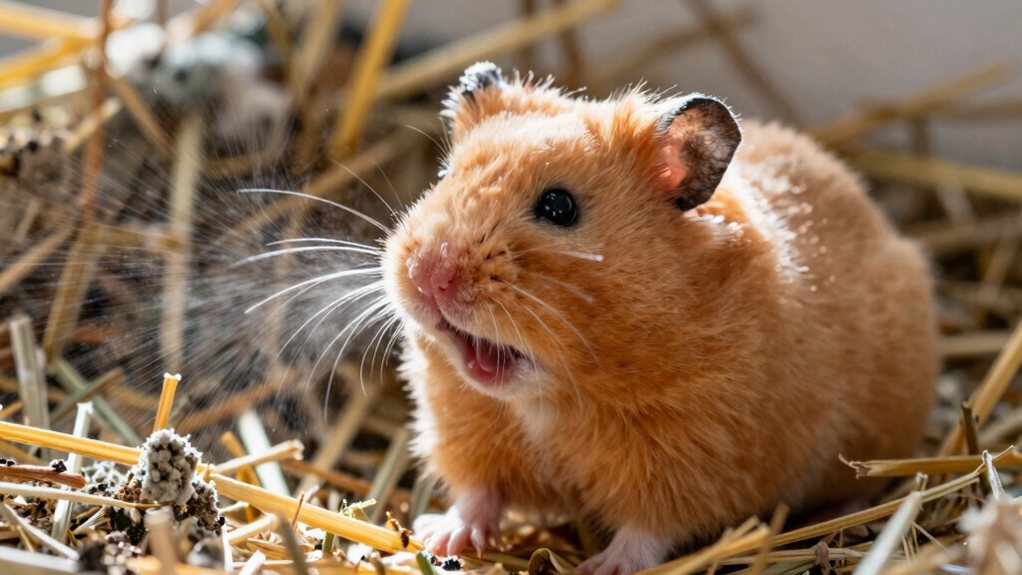
Not every sniffle your hamster has points to a sneaky culprit. Sometimes, the hay you’re using might seem like the obvious suspect, but the truth is, bad hay isn’t actually a common cause of sneezing.
That said, poor hay quality can still be a problem. If the hay’s damp or stored poorly, it might grow mold, and mold exposure is no joke for tiny lungs.
You wouldn’t want to nap in a musty attic, and neither does your hamster. Always check hay for a fresh, grassy smell and dry texture. Skip anything clumpy or discolored.
While sneezing isn’t usually from hay alone, pairing clean bedding with good hay helps keep your little buddy breathing easy.
Think of it like choosing snacks for a picky toddler—freshness matters. So, relax, but stay sharp. Your hamster’s health is worth a second glance at that hay bag.
Can Hamsters Catch Colds? Symptoms Explained
- Frequent sneezing or wheezing
- Runny nose or crusty eyes
- Lethargy or less interest in their usual hamster diet
- Ruffled fur or unusual fur shedding
These symptoms aren’t just cute quirks. They could mean your tiny friend needs a vet.
Unlike us, hamsters can’t tell you they’re feeling under the weather. So it’s up to you to notice the clues.
Stay calm, but don’t wait. A quick trip to the vet can make all the difference.
And hey, at least they’ll never steal your tissues!
Signs of a Respiratory Infection in Hamsters
Ever wonder why your hamster’s sneezing more than a kid on a pepper farm? While an occasional sneeze is normal, frequent sneezing could signal a respiratory infection. Watch for goopy eyes, wheezing, or labored breathing. These aren’t just bad hay days.
If your little buddy seems sluggish or stops grooming, that’s a red flag. Unlike wet tail, which mainly affects the digestive system, respiratory issues target the lungs and airways.
You might even notice fur loss from constant rubbing or stress.
Don’t brush it off. Hamsters hide illness well, so by the time you see symptoms, it’s often serious.
Keep their bedding clean and avoid dusty litter to help prevent flare-ups.
And if symptoms persist, skip Dr. Google and call your vet. Catching it early can save your squeaky pal from a world of sniffles and maybe even a fur-raising crisis.
Respiratory infections can rapidly become fatal, especially when combined with underlying genetic predisposition.
Do Hamsters Get Allergies? Common Triggers

- Dusty bedding (like cedar or pine)
- Strong scents from cleaning products or air fresheners
- New foods or treats with unfamiliar ingredients
- Household dust or pollen drifting into the cage
Switching to paper-based bedding or unscented cleaners might help.
If symptoms continue, your vet can rule out other issues.
You’re doing great paying attention.
Your care makes all the difference!
When to Worry If Your Hamster Is Sneezing?
So, how do you know when a sneeze is just a sneeze, and when it’s something more? If your hamster sneezes once in a while, especially after sniffing bedding dust, it’s likely no big deal.
But if sneezing becomes frequent or comes with wet nose, labored breathing, or goopy eyes, it’s time to act. Keep an eye on your hamster behavior. Lethargy or loss of appetite are red flags.
Poor cage placement near drafts, direct sunlight, or strong cleaning fumes can also irritate their tiny nose. Move the cage to a calm, draft-free spot with steady airflow.
Think of it like giving your hamster a cozy, sniffle-safe bedroom.
When in doubt, call your vet. Better safe than sorry, because nobody wants a stuffy-nosed hamster on their conscience.
How to Clean Your Hamster’s Cage to Stop Sneezing
Could your hamster’s sneezing be tied to a dirty cage? Quite possibly! A clean environment is key to stopping sneezes, and you can help with simple steps.
Regular cage disinfection and ventilation improvement go a long way.
Keep your hamster happy and sneeze-free with regular cleanups and fresh air flow—it’s simple care that makes a big difference.
Think of it as spring cleaning—for your tiny roommate!
- Remove your hamster safely to a cozy carrier while you clean
- Dump old bedding and scrub surfaces with pet-safe disinfectant, no harsh chemicals
- Rinse and dry thoroughly to avoid any irritating residue
- Refresh with new bedding and reposition the cage in a well-ventilated spot
Your hamster will thank you with fewer sneezes and more zoomies.
A little effort keeps their home fresh and healthy.
Plus, you’ll both breathe easier—literally!
Exposure to ammonia from urine buildup can irritate both you and your hamster, so maintaining clean conditions reduces respiratory risks for everyone. This means ensuring proper ventilation and addressing ammonia from urine buildup promptly during weekly cleanings.
When to Take a Sneezing Hamster to the Vet
You’ve been on top of cleaning the cage, switching out bedding, and making sure your little buddy’s space stays fresh, maybe even added a tiny hamster-sized welcome mat.
But if your hamster’s still sneezing, it might be time to call the vet.
Sneezing with goopy eyes, wet tail, or fur loss isn’t normal and could mean an infection or allergy.
Wet tail is serious, think diarrhea, lethargy, and a messy rear, so don’t wait.
Fur loss around the face or body is another red flag.
You know your hamster best.
If they’re less active or eating less, trust your gut.
Vets who treat small pets can help fast.
It’s better to be safe than sorry, even tiny patients need big care.
Keep calm, stay kind, and give your furry friend the help they deserve.
You’ve got this.
Final Thoughts
So, if your hamster sneezes once in a while, don’t panic. You’re probably just catching them mid-dust bath or hay mishap.
But if the sneezing won’t quit, or you spot goopy eyes or wheezing, it’s time to step in. Clean their space, switch to gentle bedding. Yes, even hamsters sometimes need a vet.
Think of it as being their tiny superhero. You’ve got this, and your little sniffler will thank you. Probably with a cheeky sunflower seed hug.