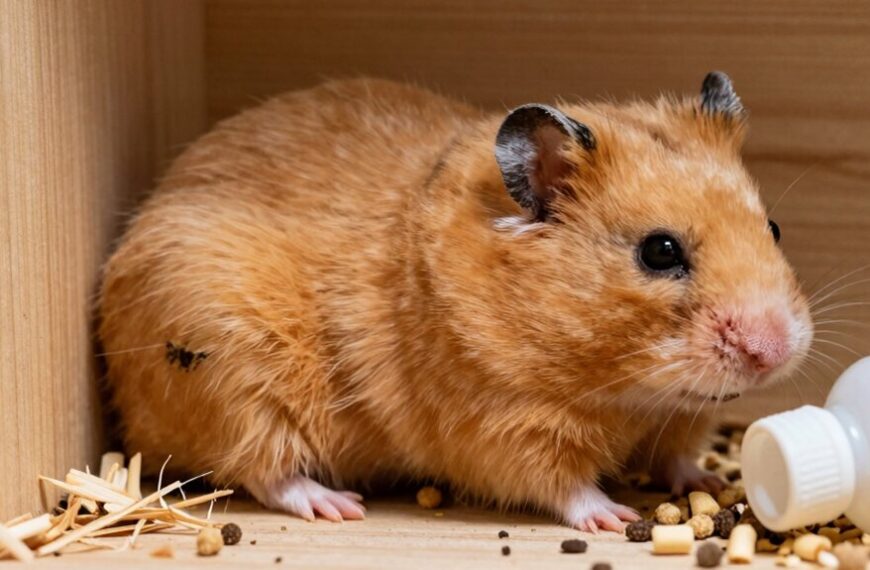
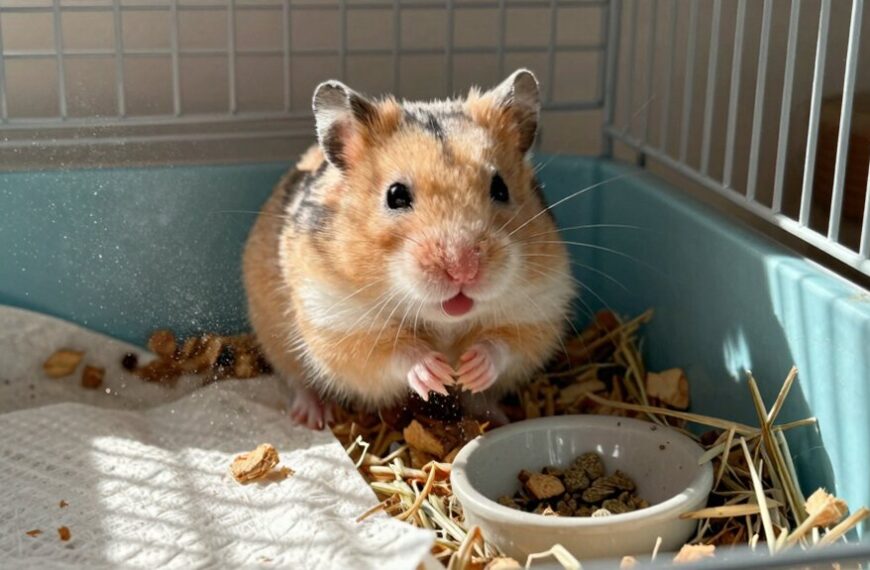
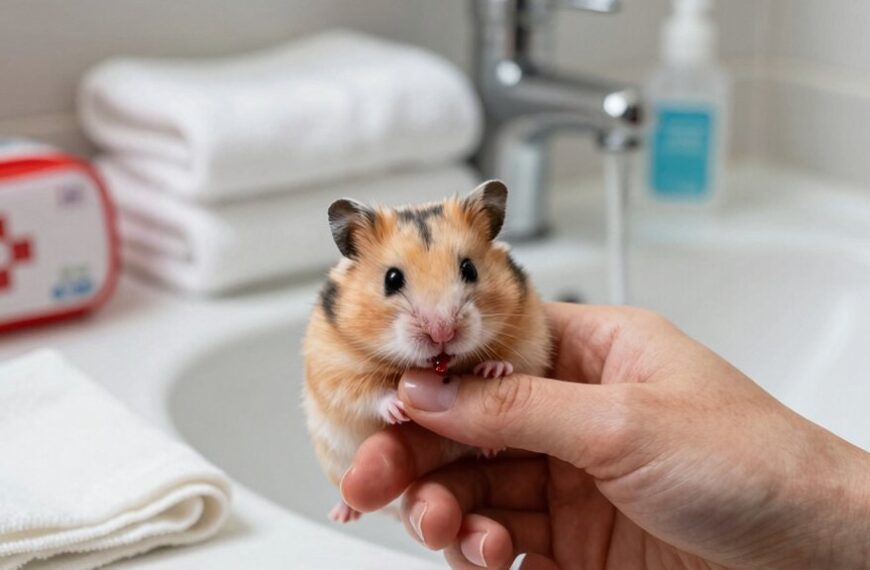
Your hamster’s most common cause of death is often heart disease, especially as they age. Stress plays a big role too, tiny hearts can’t handle constant chaos.
Wet tail, respiratory infections, and tumors are also frequent culprits, even with great care. Genetics and sudden health crashes can sneak up fast. But don’t worry—knowing the signs early gives you the upper hand in keeping your little buddy happy and healthy longer. There’s more to uncover about their fragile, whiskered lives.
Why Do Hamsters Die Suddenly?
Ever wonder why your hamster seemed perfectly fine one minute and then, out of nowhere, wasn’t? It’s heartbreaking, and you’re not alone.
Sometimes, sudden hamster deaths come down to hidden genetic defects that don’t show until it’s too late. These little guys might look healthy, but poor breeding practices can pass on weak hearts or fragile systems.
Hidden genetic flaws can strike silently—healthy appearances mask weak hearts, a legacy of poor breeding, revealed only too late.
Even with the best care, clean cage, tasty snacks, fun wheels, some issues are just out of your control.
Think of it like a surprise plot twist in their tiny lives.
While it stings, remember you gave them love and comfort. It’s not your fault.
Hamsters are fragile by nature, and their short lives can be unpredictable.

Large Size - The size of the hamster cage platform is 9.84*5.9*4in. The platform is large enough for small animals to move around freely and fits most cages. Waterproof...
Wet Tail: Can Your Hamster Survive It?
You’ve probably heard about wet tail, that scary stomach bug that hits baby hamsters hard, and yeah, it’s as serious as it sounds.
While it can be a real gut-punch, literally, for your tiny friend, catching it early gives your hamster a fighting chance, especially with a vet’s help and some tender loving care.
Think of it like a hamster version of the flu—nasty, but not always a death sentence if you act fast.
Wet Tail Overview
What’s that pungent smell and why does your hamster look so miserable? It might be wet tail, a serious bacterial infection that hits hard and fast.
You’ll notice your little buddy hunched over, barely moving, with a wet, messy rear end. It’s more than a bad day—it’s an emergency.
Wet tail spreads quickly, especially in stressed or young hamsters, and without fast treatment, it can be deadly.
But don’t panic just yet. Catching it early makes a big difference. You’ll need to rush your hamster to the vet, stat.
Antibiotics and fluids can help, but time is everything.
Think of it like a hamster version of the flu, nasty, but beatable with the right care. Keep their space clean, reduce stress, and watch closely. Your tiny pal’s counting on you.
Survival Chances
So, can your hamster actually pull through wet tail? It’s tough, but not impossible. Survival chances improve drastically with fast vet care, think antibiotics and fluids. Without treatment, the odds drop fast, especially since wet tail hits hard and fast.
Some hamsters have a genetic predisposition that makes them more vulnerable, so even with perfect care, they might struggle. But don’t lose hope.
A calm, clean habitat with plenty of environmental enrichment, like tunnels, chew toys, and cozy bedding, can boost recovery by reducing stress. You’ve got to act quickly and stay on top of hygiene.
Think of it like a tiny battle: your hamster’s fighting for their life, and you’re their superhero (cape optional). With love, care, and a vet’s help, some little guys do make it.
Stay alert, stay kind, and give your furball the best shot.
Treatment Options
How do you give your hamster the best fighting chance when wet tail strikes? Act fast, this nasty bacterial infection hits hard and fast. Rush your little buddy to the vet; antibiotics are often a must.
At home, focus on diet management: offer plain, easy-to-digest foods like boiled rice or plain pasta. Skip the seeds and treats—they’ll only make things worse.
Hydration importance can’t be overstated; a dehydrated hamster is a serious concern. Use a dropper to give clean water or unflavored electrolyte solution if needed.
Keep their space clean and warm, but not stuffy. Stress slows healing, so talk softly and move gently.
Sure, it’s scary, but with quick action and TLC, some hamsters pull through. You’ve got this—and so does your tiny, squeaky warrior.
How Old Age Causes Sudden Hamster Death
You might notice your older hamster slowing down, maybe napping more or not grooming like they used to, that’s just part of getting gray in their little whiskers.
As they age, their organs start to wear out, kind of like a tiny, furry car with too many miles on it.
Sometimes that leads to sudden changes. It’s sad, but know you gave them a cozy life full of snacks and snuggles.
Signs Of Aging
Ever wonder why your once-zippy hamster now naps more than a retired grandpa on a Sunday afternoon? As your little buddy ages, you’ll notice signs like slower movements and stiff joints, classic arthritis pain that makes climbing or wheel-running tough.
Maybe they bump into walls or miss the food bowl. That’s often vision loss creeping in.
Their fur might thin or look patchy, and grooming takes a backseat.
You might even see them sleeping in spots they used to ignore. These changes are normal, but they signal your hamster’s golden years.
While it’s bittersweet, knowing these signs helps you care better.
Offer soft bedding, easy-access food, and gentle handling. Aging isn’t a disease, but it does bring challenges.
Cherish those quiet moments—they’re full of tiny, squeaky love.
Organ System Decline
As your hamster slows down and naps more, just like we all might after a long life, their body systems are quietly working harder behind the scenes.
Old age doesn’t just bring gray whiskers. It gradually wears down essential organs.
Even if your little buddy seems fine one day, organ system decline can lead to sudden changes. Here’s what’s happening inside:
- Digestive issues become more common as their gut slows, making it harder to process food.
- Immune weakness sets in, so even small infections can become serious fast.
- Organs like the heart and kidneys lose efficiency, struggling to keep up.
It’s not always obvious until it’s too late.
But knowing this helps you cherish every squeak and sunflower seed moment.
Aging is natural—even for tiny hoarders of treats. You’re doing great just by caring.
Sudden Death In Elder Hamsters
Why do some older hamsters seem fine one day and gone the next? It’s heartbreaking, but sudden death in elder hamsters is often tied to age-related organ stress. Even if your little buddy seems lively, their tiny body may be working overtime.
Genetic predisposition plays a role. Some hamsters inherit weaker hearts or kidneys. Combine that with environmental factors like temperature swings or loud noises, and it’s a recipe for trouble. Their systems just can’t handle extra strain.
Think of it like an old car sputtering to a stop. Everything wore out quietly over time. You did your part with love, treats, and a cozy cage. Sometimes, nature just says, “Time’s up.”
While it stings, remember they lived well because of you. A little life, a big heart. What a tiny legend.
Heart Disease: A Common Cause of Death
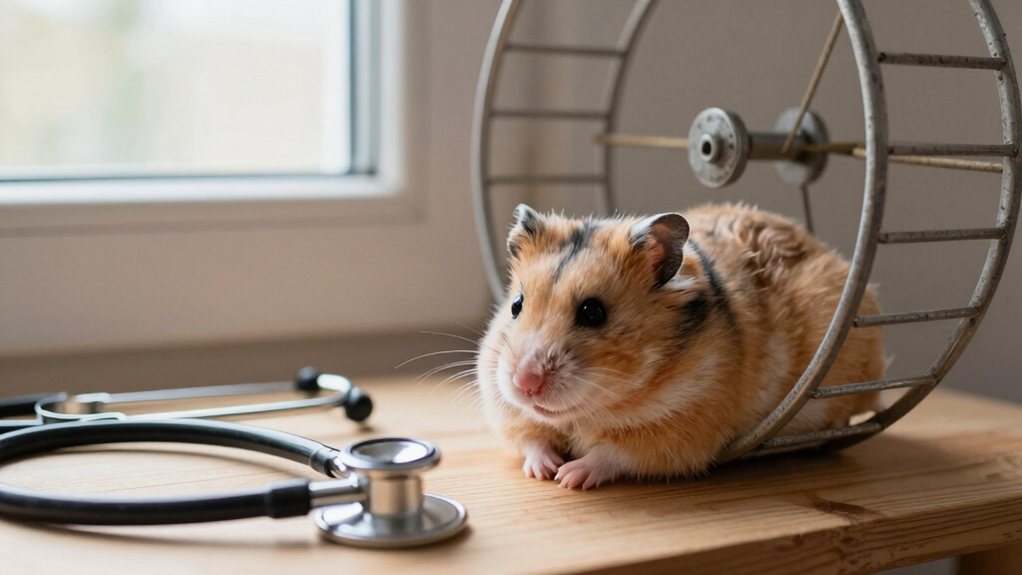
While it mightn’t be the first thing you think about when you picture your tiny furball running on his wheel, heart disease is actually one of the leading causes of death in hamsters, especially as they get older.
It’s often due to a mix of genetic predisposition and environmental factors, so even with the best care, some little guys are just more at risk.
But don’t panic. Knowing the signs helps you stay ahead:
- Lethargy or weakness, like skipping the nightly wheel marathon
- Trouble breathing, where you might notice fast or labored breaths
- Swelling in the belly or limbs, a sneaky clue something’s off
You’ve got this. Keep an eye out, offer love (and vet checkups!), and cherish every squeak. After all, even tiny hearts deserve big care.
Deadly Respiratory Infections in Hamsters
Ever wonder why your hamster’s sniffles should never be brushed off as just a cute little cold? That’s because respiratory infections can turn deadly fast. While some hamsters have a genetic predisposition making them more vulnerable, others fall ill due to environmental toxins like dusty bedding or cigarette smoke.
You might notice sneezing, wheezing, or even a goopy nose. Don’t wait it out. These aren’t drama queen moves. They’re real red flags. Left untreated, a simple infection can spiral into pneumonia.
Keep their habitat clean, avoid strong scents, and call your vet at the first sign of trouble. Sure, hamsters are tiny, but their health matters just as much. Think of yourself as their tiny superhero. Cape optional, common sense required. With quick action and a little TLC, you could just save your little buddy from a serious setback.

ACTIONABLE HEALTH INSIGHTS: 75% of dogs are either at risk or a carrier for a genetic health condition. Embark's panel tests for over 250 genetic health conditions and provides hundreds of actionable insights to help you give your pup the best care possible. After receiving their test results, 37% of dog owners changed how they care for their dog.

AFFORDABLE, PROVEN AND LOVED BY THOUSANDS – Get top-tier DNA testing with over 99% accuracy without the premium price. Our test is one of the most cost-effective on the market

AFFORDALE, PROVEN AND LOVE BY THOUSANDS – Get top-tier DNA testing with over 99% accuracy without the premium price. Our test is one of the most cost-effective on the market
Tumors and Cancer in Aging Hamsters
As your hamster waddles into their golden years, yes, even these tiny furballs retire, usually around 2 to 3 years old.
You might start noticing lumps or bumps that weren’t there before.
Keep an eye out for new lumps or bumps—subtle changes can speak volumes as your little one ages.
Don’t panic just yet, but do keep an eye out—tumors are sadly common in aging hamsters.
While not all are cancerous, many stem from genetic predisposition or hormonal imbalance as their little bodies slow down.
- Some tumors grow quickly and need vet attention, while others stay harmless.
- Females are more prone due to reproductive system changes linked to hormonal imbalance.
- Genetics play a big role—some breeds are just more at risk due to genetic predisposition.
It’s bittersweet watching your pint-sized pal age, but knowing what to watch for helps you give them the best care.
Stay curious, stay calm, and keep loving that cheeky little face.
How Stress Leads to Hamster Dying Fast

What if something as invisible as stress could quietly tip your hamster’s health into danger? You mightn’t see it, but stress can seriously shorten your little buddy’s life.
A cramped cage size leaves your hamster feeling trapped and anxious, imagine never having room to explore or run!
That constant worry weakens their immune system, making them prone to illness.
Even your hamster diet plays a role; poor nutrition adds stress instead of fighting it.
Loud noises, rough handling, or sudden changes in routine? All of it piles up.
Over time, this pressure can lead to heart problems or a sudden crash in health.
But hey, the good news is you’re in control!
Give your hamster a spacious home, tasty balanced meals, and a calm environment.
You’ll both ease their stress.
You’ll help them live a longer, happier life.
Who knew peace and quiet could be this powerful?
Early Signs Your Hamster Is Dying
How do you know when something’s off with your tiny furball? Hamsters are silent sufferers, often hiding illness until it’s serious. Keep a close eye—your furry friend can’t tell you when they’re hurting, but their body might give clues.
Watch for these early signs your hamster is dying:
- Lethargy or lack of movement: If they’re not scurrying around at night, something’s wrong.
- Loss of appetite or weight: Skipping snacks or looking thinner? That’s a red flag.
- Labored breathing or hunched posture: Wheezing or curled up tightly means distress.
You know your hamster best. If their usual zest fades, trust your gut.
It’s tough, but catching these signs early helps you give them comfort fast. After all, even the tiniest companions leave the biggest paw prints on our hearts.
Final Thoughts
You’ve probably hugged your hamster tight, wondering how to keep them around longer, and now you know the big risks, from wet tail to old age. But hey, you’re doing great! Stay alert, keep their home clean, and love them hard.
Most importantly, enjoy every tiny squeak and snack steal. Life’s short, especially for hamsters, so make every moment count. You’ve got this, super pet parent!
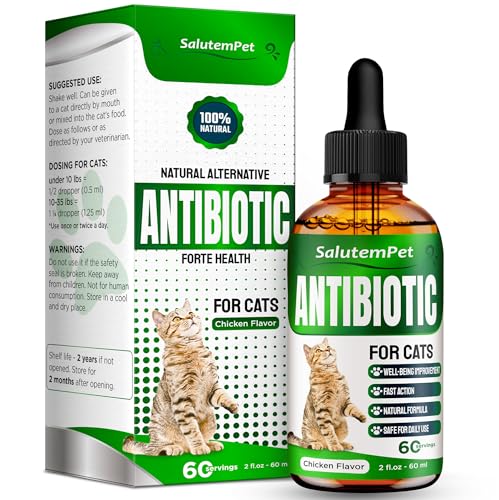
NATURAL ANTIBIOTICS FOR CATS: Formulated with a blend of beneficial and completely safe extracts from plant pomace, this ensures that your cat gets the most critical components with no harm to its body.

Ear & Skin Care: Specially formulated for rabbits, guinea pigs, hamsters, ferrets, and all exotics. This solution quickly and effectively relieves ear and skin infections, soothes itching and significantly speeds up wound healing
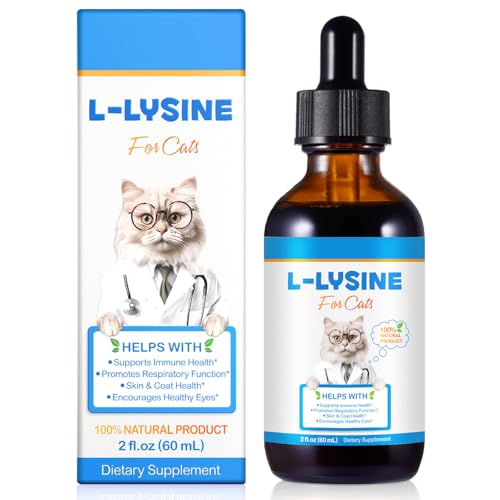
【For Sneezing & Watery Eyes】Our Lysine drops are a nutritional supplement to support upper respiratory health in cats. This specialized formula helps comfort your cat during episodes of sneezing, a runny nose, or watery eyes, promoting clearer breathing and overall eye comfort.