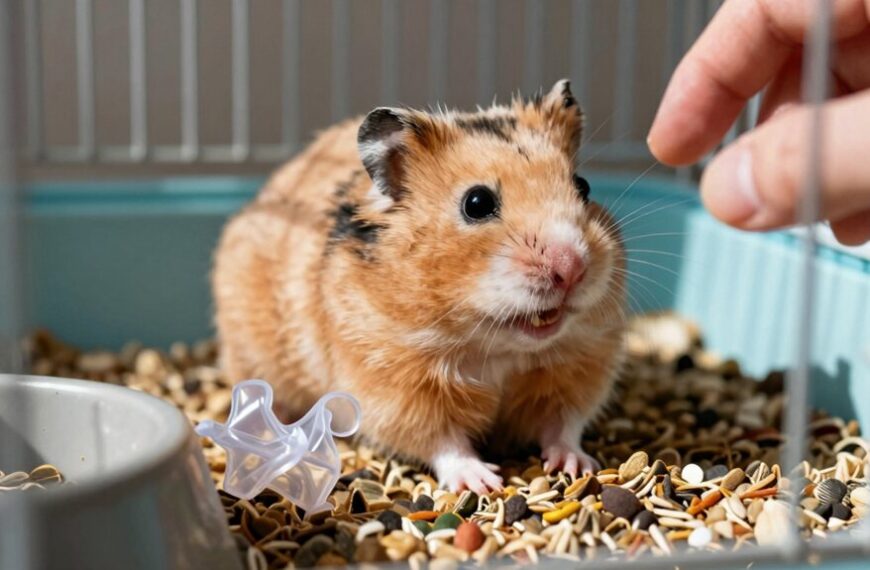
Dwarf hamsters don’t usually love being held at first, your hand might look like a swooping hawk to their beady little eyes! But with patience, treats, and gentle routines, they can learn to trust you.
Let them sniff your fingers, climb on your hand willingly, and keep things calm. When they’re relaxed and curious, holding can become a bonding moment. Just go slow, avoid scary moves, and you’ll both enjoy it more. There’s a whole friendly side to your tiny escape artist waiting to shine.
Do Dwarf Hamsters Like to Be Held?

So, do dwarf hamsters actually enjoy being held? Well, it depends on the hamster, and how you do it. Some take to it quickly, while others prefer exploring their cage or sprinting on their wheel. Building trust is key.
It depends on the hamster and your approach—some warm up fast, others stay wild at heart. Trust takes time, patience, and gentle handling.
Start with short sessions and gentle handling to help your tiny buddy feel safe. Playtime benefits go beyond bonding, they help reduce stress and keep your hamster active.
A well-thought-out cage design with tunnels and hideouts makes them feel secure, which can make them more open to being held.
Think of it like inviting a shy friend to hang out. Patience wins! They mightn’t cuddle like a cat, but with time, many dwarf hamsters learn to tolerate, even enjoy, a little hand-holding.
Just don’t expect them to sign up for hugs 24/7. They’re still tiny escape artists at heart!
Voluntary climbing onto an open hand is a clear sign they’re feeling comfortable and beginning to trust you. Voluntary climbing shows your hamster associates your presence with safety rather than threat.


【Complete Habitat Combo】Includes: One 8.3"L x 4.3"W x 3.2"H dual-chamber Hamster Hide + One 5"L x 4.4"W x 3.2"H Hamster Ladder. Designed for dwarf hamsters, Syrian hamsters, and gerbils. Tip: Verify cage dimensions to ensure this Hamster Cage Accessories set fits properly.
Why Dwarf Hamsters Are Naturally Skittish
You know that jittery little hop your dwarf hamster does when you reach into their cage. That’s more than drama. They’re hardwired to be cautious because, in the wild, everything from birds to bigger rodents sees them as a snack.
They didn’t grow up with humans like dogs or cats. Your hand probably looks like a giant, clumsy predator at first, especially since they’re most alert when it’s dark and you’re stumbling around like a sleepy giant.
Fear and stress are the primary causes of scratching or biting, which are often mistaken for aggression but are actually rooted in their defensive survival instincts.
Prey Animal Instincts
Even though your dwarf hamster might look like a tiny, curious explorer ready for adventure, deep down, that little fluffball is wired to be cautious. In the wild, being small means you’re often on someone’s lunch menu.
Their survival instincts are always on high alert, thanks to natural hunting behavior from birds, snakes, and bigger mammals. That’s why sudden movements or loud noises make them freeze or bolt. It’s not personal—they’re just doing what keeps them safe.
Think of it like this: your hand might look like a giant, warm cloud to you, but to them, it could resemble a swooping hawk.
Over time and with patience, you can help your hamster learn you’re not a threat. Go slow, speak softly, and let them sniff you first.
With trust, those skittish moments can turn into sweet, snuggly ones—well, as snuggly as a hamster gets!
Limited Human Exposure
That jumpy instinct we just talked about? It’s stronger in dwarf hamsters because of their limited exposure to people in the wild. These tiny guys don’t grow up seeing humans, so when they do, it’s like meeting an alien! Without early handling, they stay skittish and unsure.
Think about it—would you calmly hug a giant creature twice your size if you’d never seen one before? Exactly.
But here’s the good news: with gentle, regular contact, your hamster can learn you’re not a threat. Start slow, keep your hands calm, and let them sniff you first.
It’s kind of like a first date, awkward at first, but it gets better with time. Early handling builds trust, turning jitters into cuddles.
Nocturnal Nature Traits
Ever wonder why your dwarf hamster bolts for cover the second you reach into the cage? It’s not personal, your tiny friend is just wired for nocturnal behavior. While you’re sipping morning coffee, they’re catching up on beauty sleep.
These little cuties are built for night activity, meaning they’re most alert, active, and curious when the lights go out.
Imagine being woken up by a giant hand in the middle of your deepest sleep. Yikes, right? That’s your hamster’s reality when you try to hold them during the day.
Their skittishness comes from survival instincts. In the wild, quick getaways keep them safe.
So, if your hamster dashes off, don’t take it hard. They’re not mad—they’re just night owls in a daytime world.
Be patient, respect their rhythm, and try bonding during their evening wake-up. You’ll both enjoy it more.
Their nocturnal behavior evolved to help them avoid predators under the cover of darkness.
Signs Your Dwarf Hamster Is Comfortable
You’ll know your dwarf hamster’s feeling chill when it stops zooming around and starts chilling in your hand, relaxed and calm.
If it’s sniffing you curiously or even climbing onto your finger on its own, that’s a solid win, you’re officially trusted.
Sure, they’re not cuddle bugs, but when your tiny buddy hangs out instead of hides, you’re doing something right.
Calm Body Language
How can you tell your dwarf hamster actually enjoys being held instead of merely tolerating it? Look for calm body language, it’s your little buddy’s way of saying, “Hey, this isn’t so bad!”
If your hamster sits relaxed in your palm, breathes slowly, and perks up with playful behavior, they’re probably feeling safe.
You might even catch them sniffing your sleeve or climbing gently, showing curious exploration instead of panic.
Ears forward, eyes bright, and no frantic scrambling? Great signs! They’re not merely enduring cuddle time—they’re enjoying it. Think of it like a tiny, furry seal of approval.
Just remember, every hamster has their own personality. Some love the attention, while others prefer a quick hello.
Pay attention, respect their vibe, and you’ll both have a better time.
Eager To Interact
When your dwarf hamster starts coming to you instead of just sitting still, that’s when you know you’ve really hit the sweet spot. You’ll notice playful behavior, maybe they climb onto your hand without hesitation or pop up on their hind legs like they’re saying, “Hey, it’s me again!” That’s your cue they’re not merely tolerating you—they’re enthusiastic to interact.
These little moments are gold for social bonding. A hamster that nudges your fingers or follows your movements is clearly comfortable and curious.
They might even chirp or scurry in circles, which is their version of doing a happy dance.
It’s not just cute; it’s trust in action. You’ve gone from stranger to snack buddy to best friend in their tiny eyes.
Keep the treats coming and the tone gentle, and you’ll see this bond grow stronger every day.
Who knew such a small creature could give such big love?
How to Tame a Dwarf Hamster Gently
While your dwarf hamster might look like a tiny, furry escape artist, taming one doesn’t require a magician’s skill.
Just a little patience and a lot of treats will do.
Start by making sure your cage setup is calm and quiet.
Support trust-building with a solid hamster diet, think fresh veggies and quality pellets.
Now, focus on gentle bonding.
- Let your hamster get used to your scent by placing a worn sock near their nest
- Offer treats from your hand daily, letting them come to you at their own pace
- Speak softly and move slowly to avoid startling them during early interactions
You’re not only teaching them to be held.
You’re building a friendship.
It might take days or even weeks.
But soon that little bundle of energy might actually climb onto your hand looking for love, and maybe another sunflower seed.
Supervised playtime outside the cage can strengthen your bond and support their well-being through safe out-of-cage time.
How to Hold Your Dwarf Hamster Safely

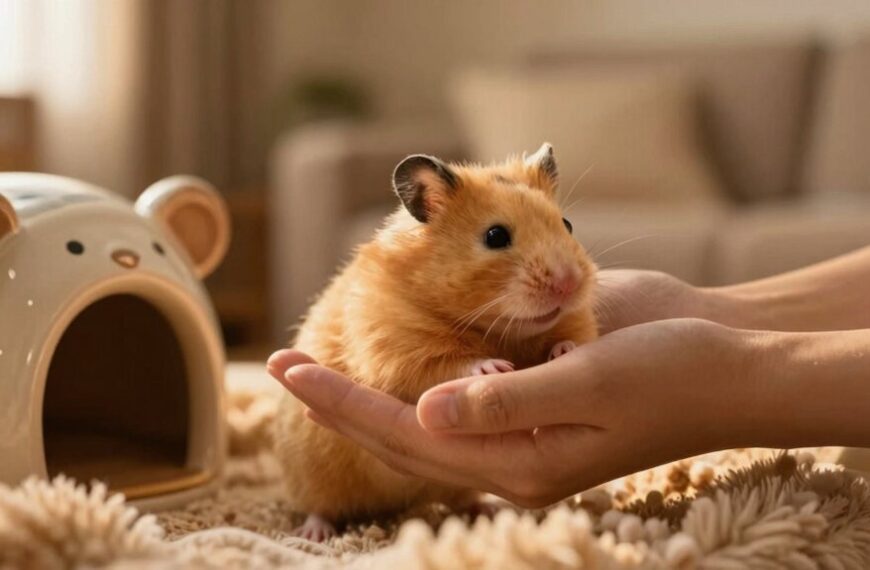
Once your dwarf hamster starts sniffing your fingers for snacks and climbing onto your hand without hesitation, you’ll know it’s time to lift them gently, carefully, and with both hands ready.
Cup one hand under their belly and use the other to support their back legs. No dangling.
Always scoop them up near the ground, just in case they wiggle free.
Good hamster hygiene means clean hands, but not scented, skip the lotion, so you don’t confuse their sensitive nose.
Avoid grabbing from above, it feels like a hawk attack. Instead, let them step onto you willingly.
And remember, cage decor isn’t just for style. Having tunnels and hideouts helps them feel safe before and after cuddle time.
Keep handling short at first, 5 minutes is plenty. You’re building trust, not auditioning for a circus act.
Soon, they’ll nap in your palm like a tiny, furry loaf.


HEALTHY & TASTY TREAT: Made with real carrot, cherry and cranberry for a delicious and nutritious snack.

Mistakes That Stress Your Hamster
If you’ve ever reached into the cage with enthusiastic hands only to find your hamster darting into the nearest tunnel like it’s training for hamster parkour, you’re not alone.
Plenty of well-meaning owners accidentally spook their tiny pals without realizing it. Here’s how to avoid common missteps:
- Sudden movements or grabbing: Your hamster isn’t a stress ball. Move slowly and cup both hands gently to build trust.
- Ignoring loud noises anxiety: Blaring music or yelling nearby can spike their stress. Keep their space calm and quiet.
- Overfeeding obesity risks: Tossing in extra treats seems sweet, but it leads to health issues and discomfort.
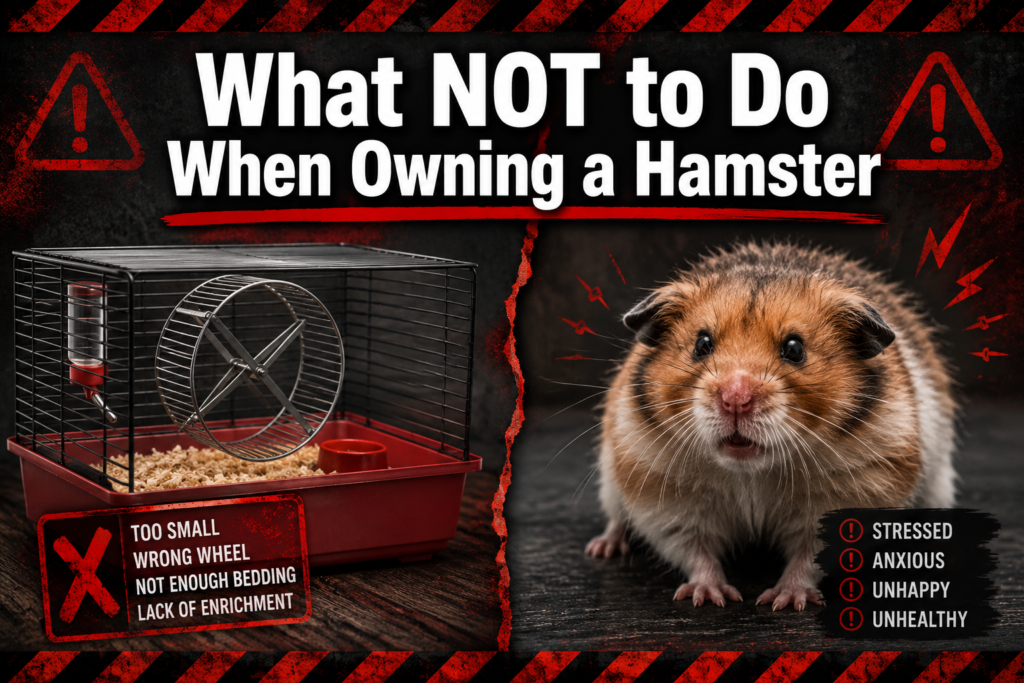
A cramped or barren cage can also contribute to stress and unwanted behaviors, as it may lead to cage rage in hamsters due to unmet physical and mental needs.
These small changes make a big difference.
Your dwarf hamster might never love being held like a teddy bear, but with patience and care, they’ll learn you’re not a threat. Just their favorite human.
When Not to Hold Your Dwarf Hamster
Ever wonder why your dwarf hamster turns into a tiny escape artist the second you reach for them? It’s because timing matters, big time.
Avoid picking them up during feeding time. No one likes having dinner snatched away, right? Your hamster might get grumpy or even nip out of frustration.
Same goes for cage cleaning. Your pet may feel stressed or territorial when their home’s being rearranged. It’s like trying to hug someone while they’re vacuuming, it just won’t end well.
Also, skip handling after they’ve just woken up. Dwarf hamsters are nocturnal, so grabbing them at dawn is like waking you up for a pop quiz, super unfair.
Wait until they’re alert and calm.
Respect these moments, and you’ll build trust faster. Think of it as hamster harmony: good timing equals happy snuggles or at least polite tolerance.
Build Trust Without Forcing Cuddles
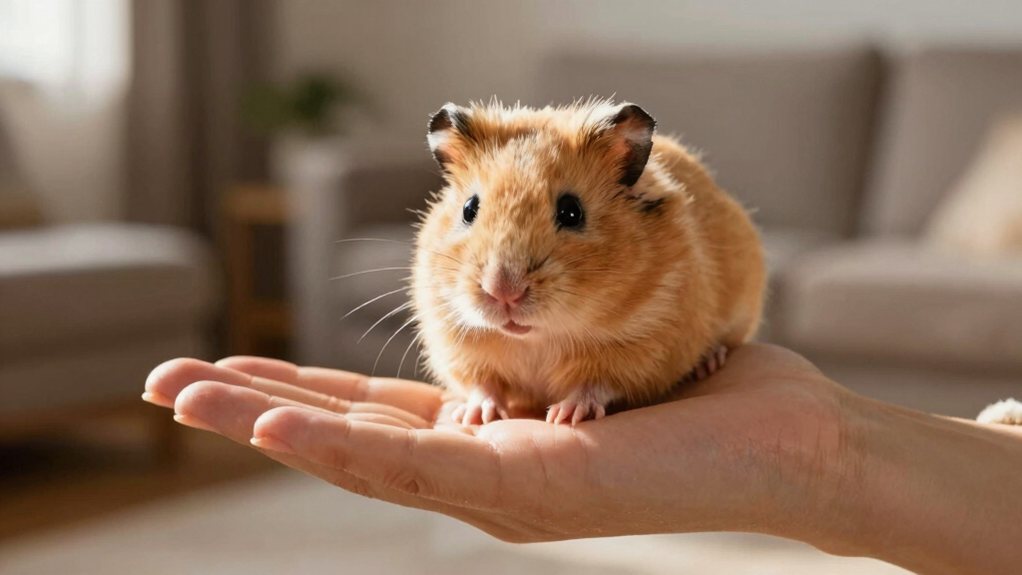
How do you get a dwarf hamster to trust you without turning every interaction into a high-stakes game of catch?
The secret’s in patience and play, not pressure. You don’t need to force cuddles to build a bond. Your hamster will appreciate you more if you don’t.
Instead, focus on low-stress moments that let trust grow naturally.
- Set up daily playtime bonding in a safe, enclosed space where your hamster explores while you sit nearby.
- Use treat training with tiny snacks like sunflower seeds to create positive associations with your presence.
- Let your hamster come to you—literally—by sitting still and letting them sniff and investigate on their terms.
Over time, those little nose boops and curious stares turn into real connection.
No grabbing, no stress. Just friendship at hamster speed. And honestly, that’s way cuter than forced cuddles anyway.
Final Thoughts
You’ve got this! With a little patience, your dwarf hamster can learn to enjoy your company, even if they never become a cuddle bug. You’ll know you’re doing great when they nibble your finger for treats or nap in your palm.
Just go slow, stay calm, and skip the squeeze hugs. They’re not fans. Think of it as friendship building, not pet handling. After all, who doesn’t love a tiny, furry buddy who trusts you?


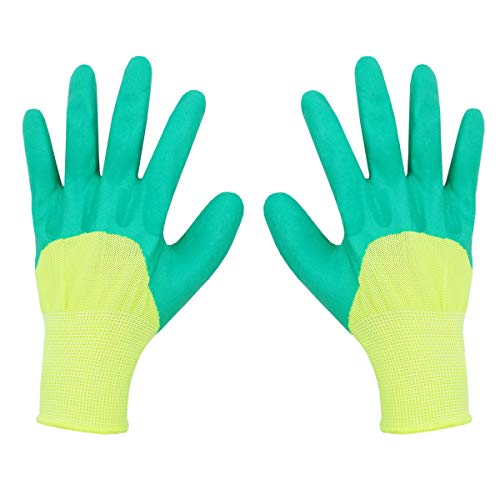
Bonding Routine for Daily Handling – Soft mitt-style pet handling gloves help keep hands covered during close contact, supporting steady, gentle bonding while you handle your sugar glider at the cage door.