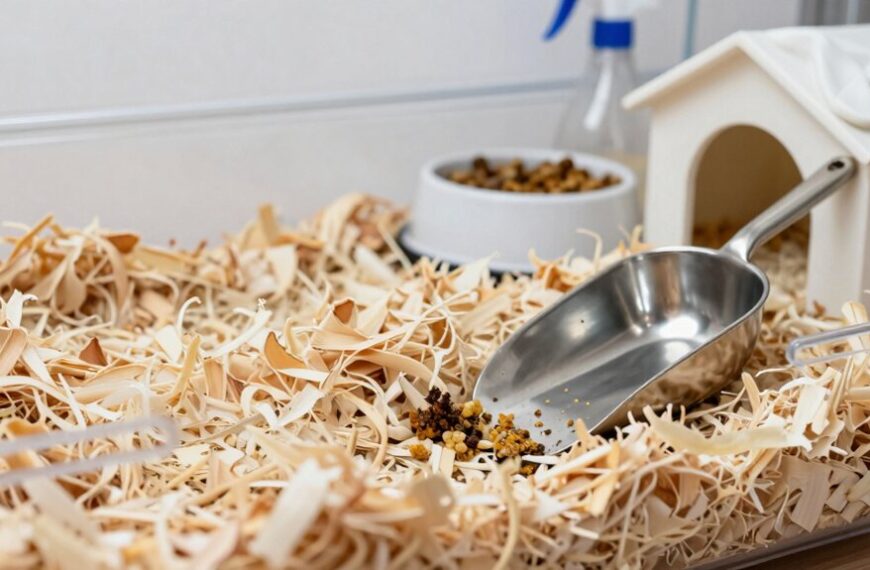
You should change your hamster’s bedding once a week if it’s just one little buddy, or every five days if you’ve got two, they’re twice the fun but also twice the mess.
If things smell off or the bedding feels damp, don’t wait, just swap it out. A roomy, well-ventilated cage can stretch changes to two weeks, especially with odor-fighting bedding.
Spot-clean pee corners a few times a week to stay ahead of stink. Your furry pal will breathe easier and stay healthier.
Oh, and there’s a trick or two you might not know yet.
How Often Should You Change Hamster Bedding?

Every now and then, you might catch a whiff of something less than fresh coming from your hamster’s cozy little home. That’s usually your cue to act.
You should change your hamster’s bedding completely every week to keep things clean and healthy. If you skip a week, bedding moisture can build up, especially in corners where your little buddy pees a lot.
Change bedding weekly to prevent moisture buildup—especially in pee-prone corners—and keep your hamster healthy, happy, and odor-free.
That dampness isn’t just gross. It can lead to bacteria and irritate your hamster’s skin or lungs.
Watch their nesting behavior too. If they’re shredding fresh bedding like a tiny paper artist, it’s a sign they appreciate a clean space.
Spot-clean soiled spots every few days to stay ahead of the stink. And hey, your nose knows. When it’s wrinkling, it’s time.
A clean cage means a happy, healthy hamster who can nap, snack, and sprint in peace. You’ve got this!
For two hamsters, aim for a full bedding change every five days due to increased waste and moisture, as double the waste requires more frequent cleaning.
Best Bedding Types for Controlling Hamster Odors
Let’s be real. Nobody wants a hamster cage that smells like a locker room.
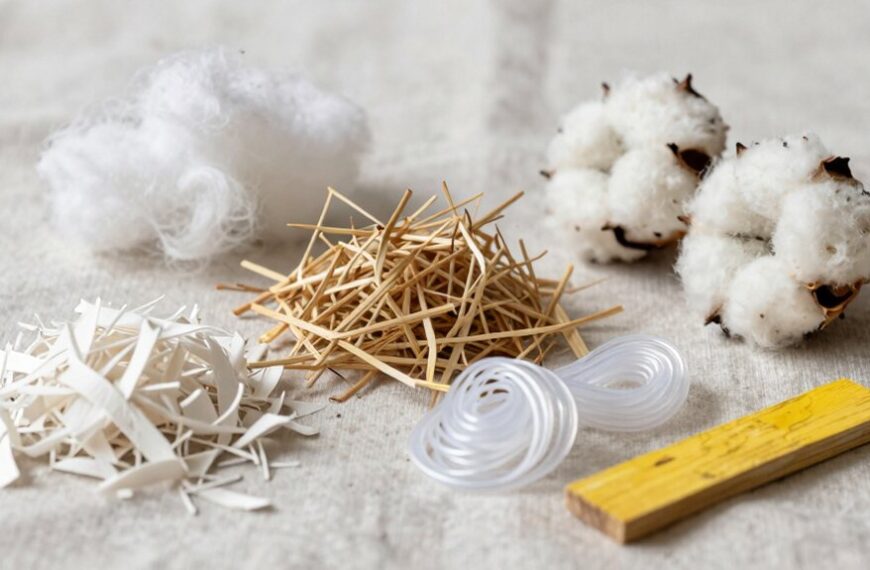
You can stay ahead of the stink by choosing odor-absorbing bedding like paper-based or aspen shavings, which trap smells before they take over.
And while no bedding works magic forever, pairing the right type with a smart change schedule keeps things fresh without turning your living room into a science experiment.
Bedding with long-lasting odor control can maintain a fresher habitat for up to 10–14 days, depending on the material and cage conditions.
Odor-Absorbing Bedding Materials
Ever wonder why your hamster’s cage sometimes smells like a locker room after gym class? The right bedding can make all the difference.
Opt for odor-absorbing materials made from natural fibers, like paper or aspen shavings. They’re great at trapping smells before they spread.
These materials also offer solid moisture control, pulling dampness away so bacteria and stink don’t build up.
Avoid scented or cedar-based options. They might smell nice to you but can irritate your little buddy’s lungs.
You’ll save time and nose wrinkles by choosing bedding that works hard behind the scenes.
Think of it as a quiet superhero for your hamster’s home, fighting funk without fanfare.
With the right pick, you’ll keep things fresh, clean, and way more pleasant for both of you. Your hamster mightn’t say “thank you,” but trust us, they’ll feel it.
A deeper layer of bedding, ideally 6 to 8 inches, helps maintain cleanliness by containing waste and supporting natural burrowing behavior.
Bedding Change Frequency Tips
Most of the time, you’ll want to do a full bedding change once a week to keep things smelling fresh and your hamster happy. But don’t just go by the calendar. Check bedding moisture levels too.
If it feels damp or smells strong, it’s time to clean, even if it hasn’t been seven days. Wet spots from urine or spilled water can lead to mold and unhappy hamsters.
Spot-clean messy corners every few days to stay ahead of odors. Pay attention to your hamster sleep patterns as well. If they’re restless or avoiding their nest, dirty bedding might be bothering them.
Deep cleaning weekly with odor-absorbing bedding like paper-based or aspen keeps things comfy. And hey, your hamster may not say “thank you,” but trust us—they’ll appreciate the fresh digs. A clean home means a healthy, snoozing cutie.
For multiple hamsters, consider changing bedding twice a week to maintain hygiene and prevent odor buildup.
How Cage Size Affects Bedding Change Frequency
While your hamster mightn’t be redecorating their cage anytime soon, the size of their home plays a big role in how often you’ll need to change the bedding. A larger cage means more space for your hamster to roam, which spreads out mess and waste, making the bedding stay fresher longer.
But don’t forget about cage material and ventilation design. Plastic bins trap moisture and odors, while wire or mesh cages with good airflow help keep things dry and clean.
If your hamster’s home is small or poorly ventilated, you’ll likely need weekly changes. But with a spacious cage and smart design, you might stretch changes to every two weeks. Just keep an eye and nose out! Your tiny roommate will thank you with happy, healthy zoomies.
A well-ventilated cage with micro-holes or mesh panels under 5 mm supports consistent air circulation and helps prevent humidity buildup, contributing to longer-lasting bedding freshness. ventilation design
Spot Clean vs. Full Change: What Your Hamster Needs
You’ve got the cage size figured out, so now let’s talk about what really happens between bedding changes. Because let’s be honest, your hamster isn’t exactly using a litter box.
Spot cleaning is your best friend. Scoop out soiled spots every few days, especially near the bathroom corner, to keep smells and germs down.
But don’t skip full changes. Swap all the bedding weekly to prevent bacteria buildup.
Your hamster’s nesting habits mean they’ll pile up soft bedding texture in cozy corners, so check those nests often.
If it’s damp or smelly, it’s time to clean.
A full change keeps their space fresh and healthy, while spot cleaning saves time and stress.
Think of it like doing laundry. Socks get tossed in the hamper, but you still change the whole load weekly.
Your hamster will thank you with happy zoomies and fewer sneezes.
A clean environment supports better respiratory health, especially when using dust-free, natural fiber bedding to avoid irritation and maintain air quality.
Signs It’s Time to Change Your Hamster’s Bedding

Ever wonder why your hamster’s cage suddenly smells like a locker room after gym class? That’s your cue!
If you notice bedding moisture, especially in corners where your little buddy likes to nap or snack, it’s time for a change.
Damp bedding isn’t just gross. It can lead to mold and make your hamster sick.
And let’s not ignore waste buildup.
If you’re spotting clumps of pee-soaked material or a pile of droppings that rivals a tiny mountain, don’t wait.
Your hamster deserves a clean, comfy home.
Plus, they’re way less grumpy in fresh bedding!
A quick sniff test helps.
Strong ammonia smell? Yep, change it now.
Spot cleaning helps between full changes, but when things feel soggy or stinky, don’t hesitate.
Your furry friend will thank you with happy wheel runs and cheeky food hoards.
A consistent cleaning schedule prevents odor buildup and supports your hamster’s health through cleaning routines.
How to Change Hamster Bedding Safely (Step by Step)
Ready to give your hamster’s home a fresh start without turning it into a circus act? Start by moving your hamster to a secure playpen or temporary cage, safety first!
Remove all cage decorations and set them aside, they’ll need a gentle wipe down.
Dump the old bedding completely, then clean the cage base with warm, soapy water, no harsh chemicals!
Rinse and dry it well.
Next, add a thick layer of fresh bedding, making cozy corners your hamster will love.
Return the clean cage decorations, placing them similarly to reduce stress, hamsters notice changes in their space!
Finally, gently place your little buddy back in.
Watch their hamster behavior closely, curious sniffs mean all’s well.
You’ve just made a clean, comfy world for your tiny roommate, great job!
Avoid using any bedding containing aromatic compounds, as these can cause serious respiratory issues in hamsters.
Keep Your Hamster Calm During Bedding Changes
Why does your hamster suddenly turn into a tiny, wide-eyed escape artist every time you clean the cage?
It’s all about hamster behavior—your little buddy feels vulnerable when their safe, familiar nest disappears.
But with a few smart tricks, you can make bedding changes way less stressful—for both of you.
Focus on stress reduction and calm shifts to keep your hamster relaxed.
- Keep a routine: hamsters love predictability, so clean around the same time weekly.
- Save a bit of old bedding: it carries comforting scents.
- Work quickly but calmly. No sudden movements that spook your pet.
- Talk softly: your voice reassures them you’re not a giant cage monster.
- Offer a treat after: positive vibes go a long way!
A peaceful clean means a happier hamster and a more relaxed you.
Using super absorbent liners can also help maintain a dry, odor-free environment between cleanings, reducing the frequency and stress of full bedding changes.
Final Thoughts
You’ve got this! Changing your hamster’s bedding doesn’t have to be stressful for you or your tiny friend. Just stick to a regular schedule, spot clean when needed, and watch for stinky signs.
A clean cage means a happy, healthy hamster who’ll keep zooming around like a fluffy little tornado. Think of it as spa day for them, not you, sorry! Stay consistent, stay calm, and you’ll both enjoy a fresher, cozier home.