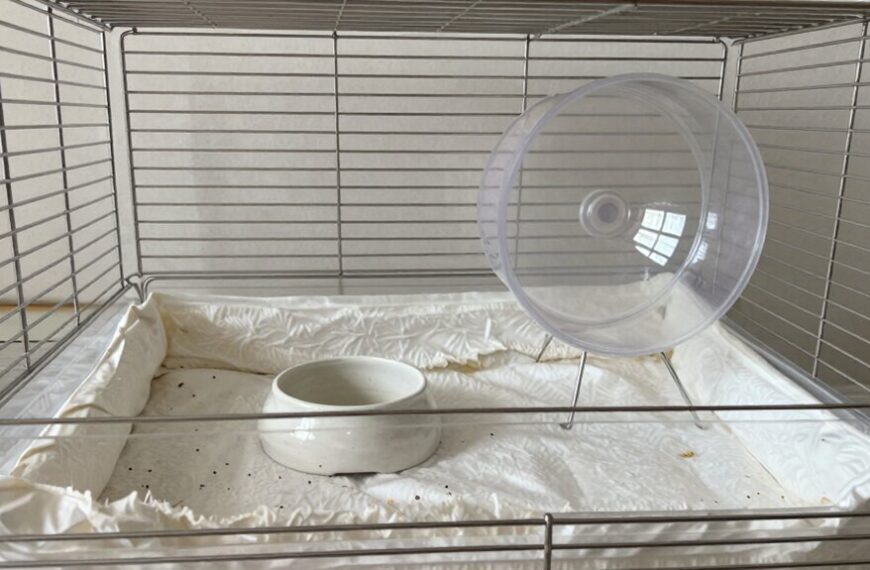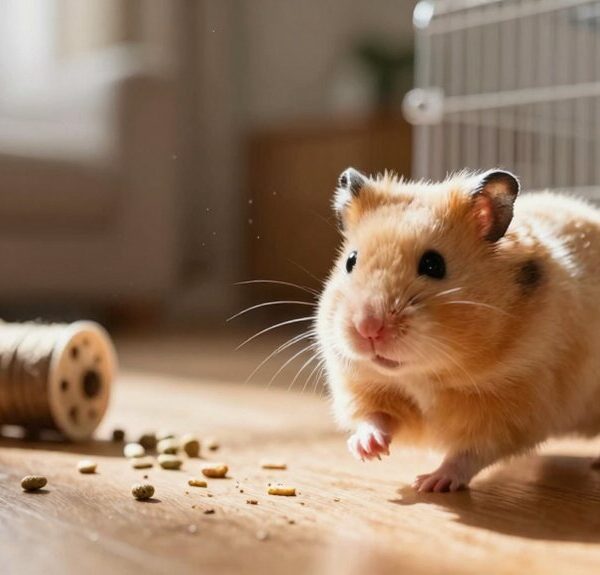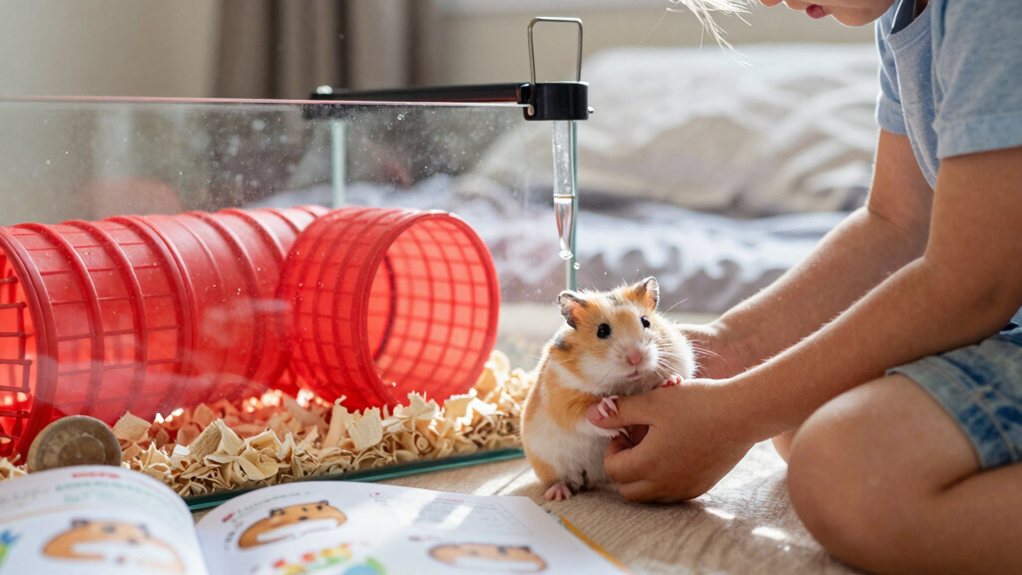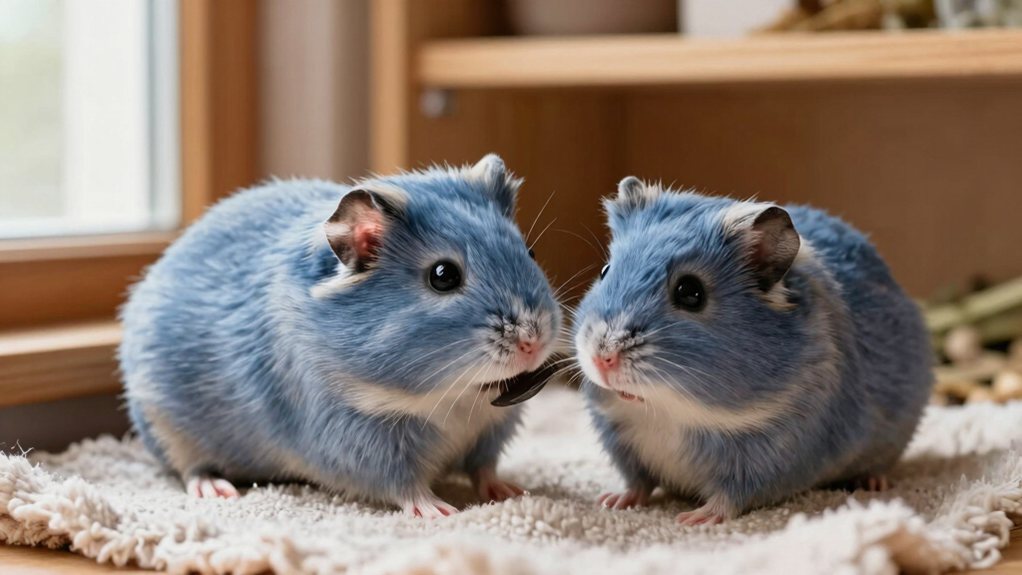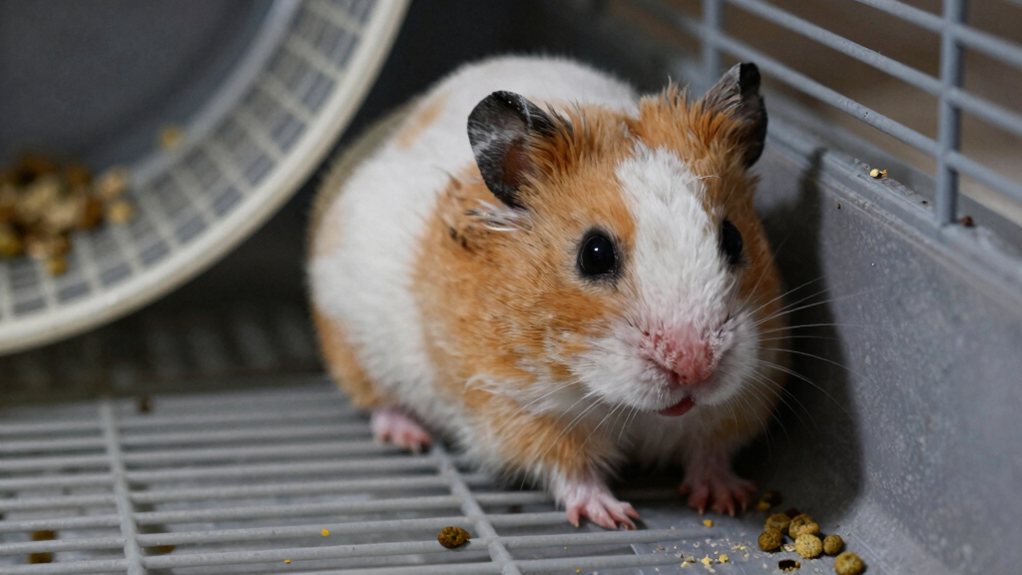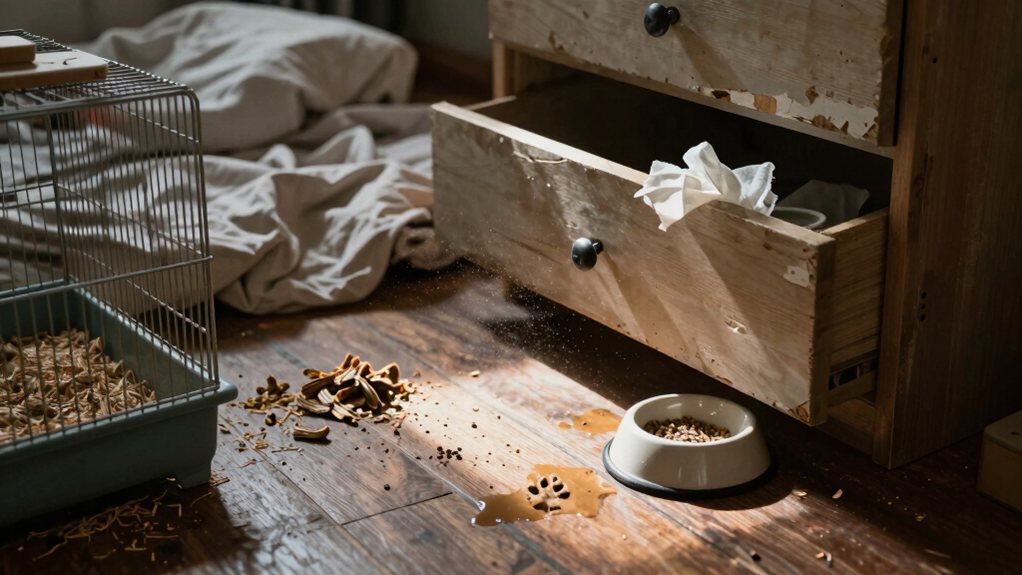
No, hamsters don’t make your room smell. If it’s stinky, blame the cage, not your furry little buddy. They groom themselves like tiny perfectionists and only have a mild natural scent.
But leftover food, wet bedding, and droppings can turn your room into a nosedive zone fast. Clean every few days, use odor-fighting bedding like aspen or paper, and you’ll keep things fresh. Stick around—you’ll pick up some easy tricks to keep your hamster’s home smelling like *you*, not a science experiment.
Do Hamsters Naturally Smell Bad?

Ever wonder why your friend’s hamster cage doesn’t exactly smell like a rose garden?
Ever notice your friend’s hamster cage isn’t exactly a field of roses? There’s a reason—and it’s totally fixable.
Don’t worry, hamsters don’t naturally smell bad. They actually groom themselves like tiny, furry professionals!
But they do have a mild natural scent, especially males, which is totally normal.
That slight odor isn’t the problem; it’s usually what builds up in their cage over time.
Your hamster’s diet plays a big role here.
Foods high in protein or moisture can change how things smell in the long run.
So while your little buddy isn’t stinky by nature, a messy home can get smelly fast.
The key? Regular cleaning and fresh bedding.
Think of it like taking out the trash—you wouldn’t let it pile up, right?
A little effort goes a long way in keeping your room fresh and your hamster happy.
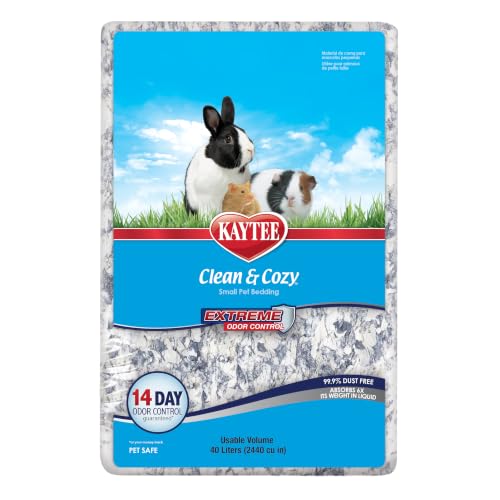
14-DAY ODOR CONTROL for long-lasting freshness. Kaytee Clean & Cozy can be used with any type of habitat for a fresh animal home

HAMSTER CAGE ODOR CONTROL — Helps neutralize urine, soiled bedding, food and everyday habitat odors without covering the cage in heavy perfume. Ideal for keeping the habitat and surrounding room fresher between full bedding changes

"FAST-ACTING FORMULA: Our natural enzyme cleaner formula is incredibly fast acting and does not leave behind greasy, sticky, or filmy residue like other cleaners or soaps. Once this cage-cleaning formula has been applied and rinsed, your pets’ habitat can be wiped down, so it will be stain-free and smelling fresh in no time. "
Why Hamster Cages Develop Odors
Even though your hamster isn’t the source of the stink, their cage can become a smelly hotspot if you’re don’t stay on top of cleanup. Leftover food, wet bedding, and droppings build up fast, especially in hidden corners.
That’s why regular spot-cleaning and full cage washes matter.
But it’s more than just about scrubbing, cage placement plays a big role too. Keep it in a well-ventilated spot, away from corners or tight spaces where air doesn’t circulate.
Poor ventilation quality traps odors and makes them worse. Think of it like leaving sneakers in a gym bag, yep, not great. A breeze helps keep things fresh.
So, clean often, check airflow, and place the cage smartly. Your nose, and your hamster, will thank you.
A little effort goes a long way in keeping your room smelling like home, not a hamster’s bathroom.
How Often to Clean to Prevent Smell
You’ve probably noticed a little stink creeping in, and trust me, staying on top of cleaning makes all the difference.
Do a quick spot clean once or twice a week by scooping out soiled bedding and tossing leftover food.
You’ll save yourself from a nose-crinkling surprise later.
Then, set aside time for a full cage overhaul every 3 to 4 weeks so your hamster stays happy and your room doesn’t start smelling like a science experiment.
Spot Cleaning Frequency
Most of the time, a quick cleanup every few days keeps your hamster’s home fresh and smelling like, well, not a hamster hotel gone wrong. Spot cleaning is your best friend, especially if you’ve picked a cage location with good air circulation.
You don’t need a full scrub weekly, but staying on top of messes makes a huge difference. Here’s what to tackle:
Soiled bedding – Scoop out wet or poopy spots every 2–3 days.
Food spills – Clear out stale snacks and crumbs to avoid funky smells.
Corner toilets – Hamsters often pick a favorite potty spot; freshen it often.
This routine keeps odors under control and your tiny roommate happy.
Plus, you’ll avoid that “uh-oh” moment when someone walks in. A little effort goes a long way—your nose and hamster will thank you.
Full Cage Clean Schedule
Now that you’re staying on top of the daily messes, it’s time to talk about the big clean, giving your hamster’s entire home a proper refresh.
You should do a full cage clean every 2 to 3 weeks to keep smells away and your little buddy happy.
Skipping it? That’s when things get *ripe*.
Swap out all bedding, scrub the base with warm, soapy water, and rinse well—no soap residue for your furball!
If you’ve got cage rotation, life gets easier: just switch to the clean backup while washing the other.
It’s like a spa day for cages.
Good air circulation is key, too.
Keep the cage in a well-ventilated spot, but out of direct drafts.
A clean cage plus fresh airflow means no surprise stink bombs.
Trust us, your nose and hamster will thank you.
Best Bedding to Keep Odors Away
Let’s talk about the unsung hero in the battle against hamster room funk, bedding. The right bedding materials can make all the difference, especially when you want to keep things fresh without turning your room into a science experiment.
Opt for natural fibers. They’re both cozy for your tiny buddy and great at absorbing odors. Here’s what works best:
- Aspen shavings – They’re soft, safe, and naturally resist smells without irritating your hamster’s lungs.
- Paper-based bedding – Made from recycled paper, it’s highly absorbent and dust-free—perfect for sensitive sniffers.
- Unscented hemp or cotton blends – These natural fibers trap moisture and odors while letting your pet burrow in comfort.
Skip the cedar or pine. It might smell nice to you, but it’s harsh on little lungs. With the right bedding, your room (and your nose) will thank you.
How to Spot-Clean Your Hamster’s Cage
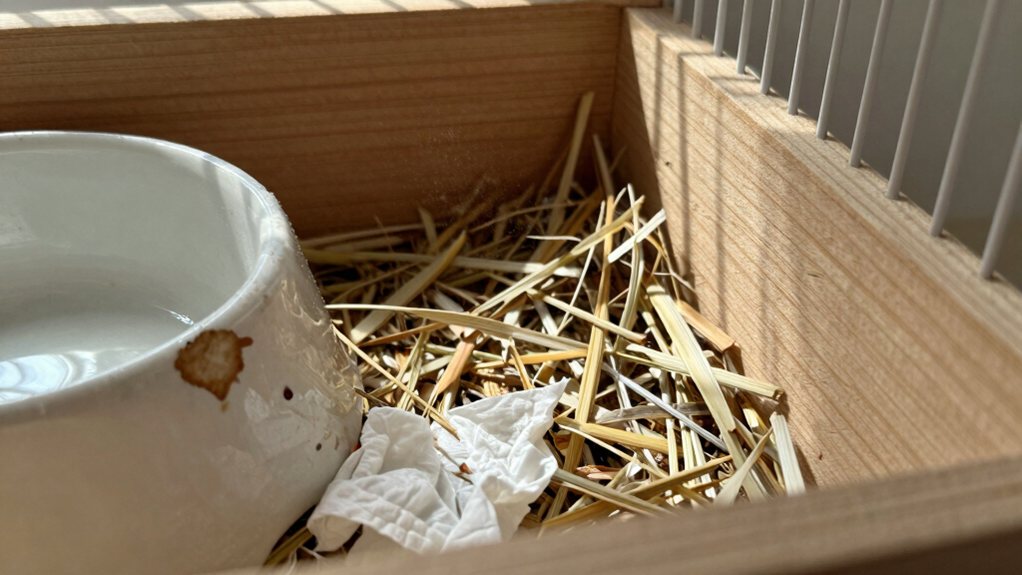
Between your hamster’s midnight snack raids and surprise bathroom corners, messes happen, no surprise there. But don’t worry, spot-cleaning is your best friend for keeping things fresh between full cleanings.
Grab a small scoop or tissue and remove any soiled bedding right away, especially in that favorite corner they’ve claimed as their bathroom.
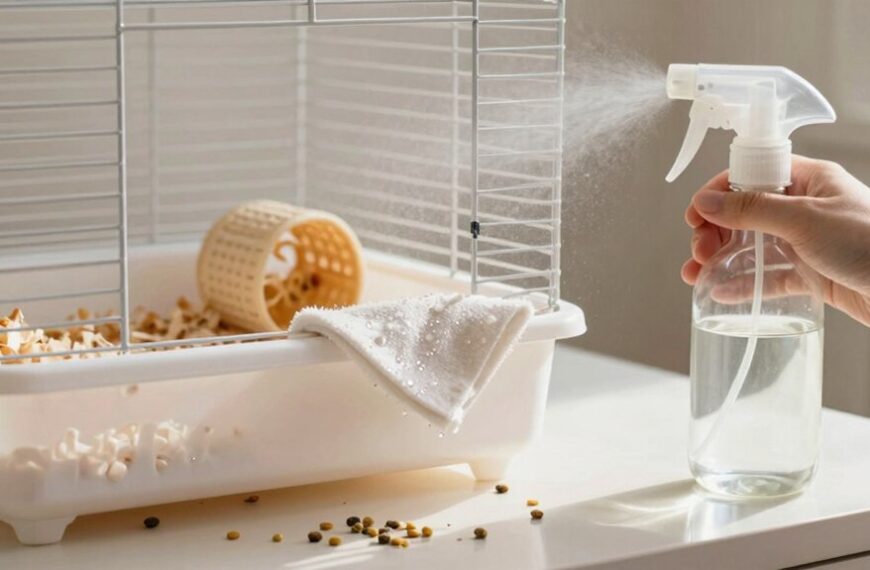
Wipe down cage decorations with a damp cloth, no harsh chemicals, please. Your hamster will thank you.
Make sure the cage has good air circulation by avoiding overcrowding with toys or hides. This helps odors escape instead of sticking around like an uninvited guest.
Do this quick clean every few days, and you’ll stay ahead of stink.
It’s simple, fast, and keeps your little buddy comfy. Plus, your nose will notice the difference, promise!
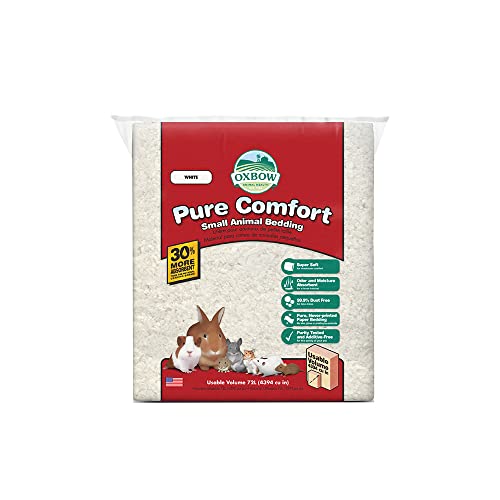
ODOR ABSORBENT TO MINIMIZE PET ODORS: Effectively neutralizes odors to keep bunny bedding & hamster bedding fresh; Ideal for pet bedding, ferret cages, and litter boxes, it helps maintain a clean environment for your pets and a better experience for you

NATURALLY SCENTED with real, pet-safe lavender buds
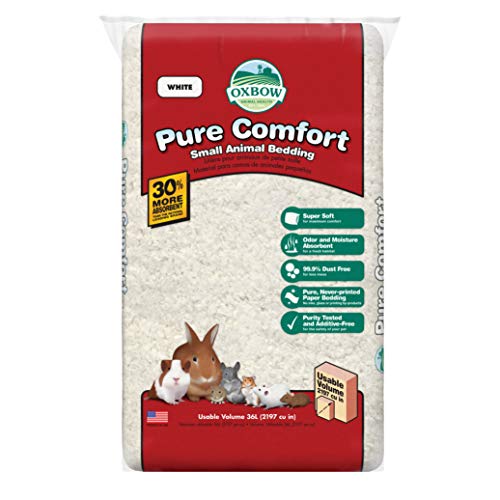
ODOR ABSORBENT TO MINIMIZE PET ODORS: Effectively neutralizes odors to keep bunny bedding & hamster bedding fresh; Ideal for pet bedding, ferret cages, and litter boxes, it helps maintain a clean environment for your pets and a better experience for you
Odor-Controlling Products That Work
Wondering how to keep your hamster’s cage smelling fresh without turning your room into a chemistry lab? You’re not alone, and the good news is, you don’t need fancy air fresheners or harsh sprays.
Instead, try these odor-controlling products that actually work:
- Baking soda – Sprinkle it under the bedding; it’s a natural odor absorber and totally safe.
- Activated charcoal – Toss a small bag near the cage; it quietly pulls smells from the air like a ninja.
- Pet-safe odor eliminators – Look for enzyme-based sprays (not air fresheners that just mask smells).
These picks tackle stink at the source instead of pretending it’s not there.
Plus, your hamster will thank you, probably with a cheeky stretch or two.
Just remember: less is more. You want a clean space, not a lavender-scented spa.
With the right tools, your room stays fresh, and your tiny roommate stays happy.
When Your Hamster’s Cage Smells Too Much
Why does it suddenly smell like something died in your room?
Wait, is that your hamster’s cage?
Yikes.
If the stink hits you as soon as you walk in, it’s time to act.
Even with regular cleanings, cages can get ripe, especially if your hamster’s diet includes lots of fresh veggies or sugary treats.
Fresh veggies and sugary treats might make your hamster happy—but they can also turn the cage into a stink zone fast.
These can make droppings smellier.
Also, check the cage location.
If it’s tucked in a dark, damp corner or near a humid bathroom, moisture builds up and boosts odors.
Move it to a dry, well-ventilated spot, away from direct sunlight.
Deep-clean the cage weekly with mild soap and water, and swap out bedding completely.
Spot-clean daily to stay ahead.
With a few tweaks to diet and cage location, you’ll keep things fresh and your little buddy happy, without holding your nose every time you enter the room.
Final Thoughts
You’ve got this! Hamsters don’t have to make your room stink, just stay on top of cleaning and choose smart bedding. Spot-clean spills and pee corners weekly, and do a full refresh every month.
Use odor-fighting products if needed, but skip the overkill. A little effort goes a long way in keeping your tiny buddy’s home fresh. Think of it like laundry: ignore it too long, and yeah, it’ll stink. Stay consistent, and you’ll both breathe easy.

Safe & Secure Travel for Your Small Pet: The TRIXIE Pico Transport Crate, a sturdy, hard pet carrier, is ideal for transporting your guinea pig, hamster, rat, chinchilla, or other small animals to vet visits, pet stores, or on fun outings
Safe & Secure Travel for Your Small Pet: The TRIXIE Pico Transport Crate, a sturdy, hard pet carrier, is ideal for transporting your guinea pig, hamster, rat, chinchilla, or other small animals to vet visits, pet stores, or on fun outings
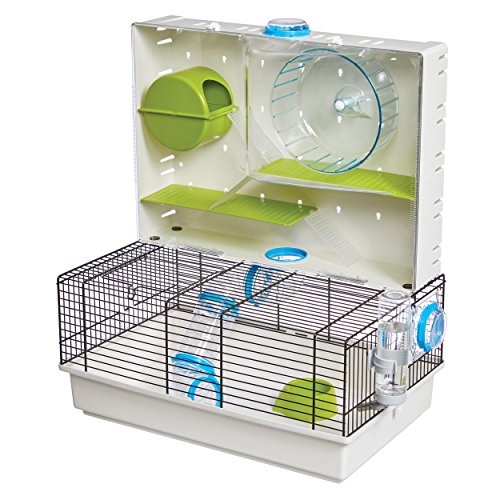
Fun Arcade Hamster Home features a cool multi-level play space to watch your hamster in action 18.11 length x 11.4 width x 21.5 height inches, 6.1 pounds