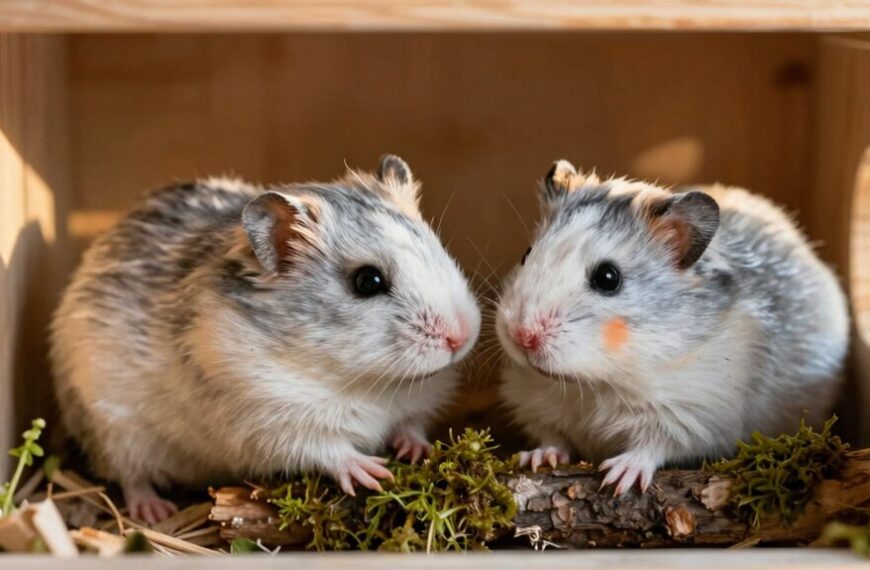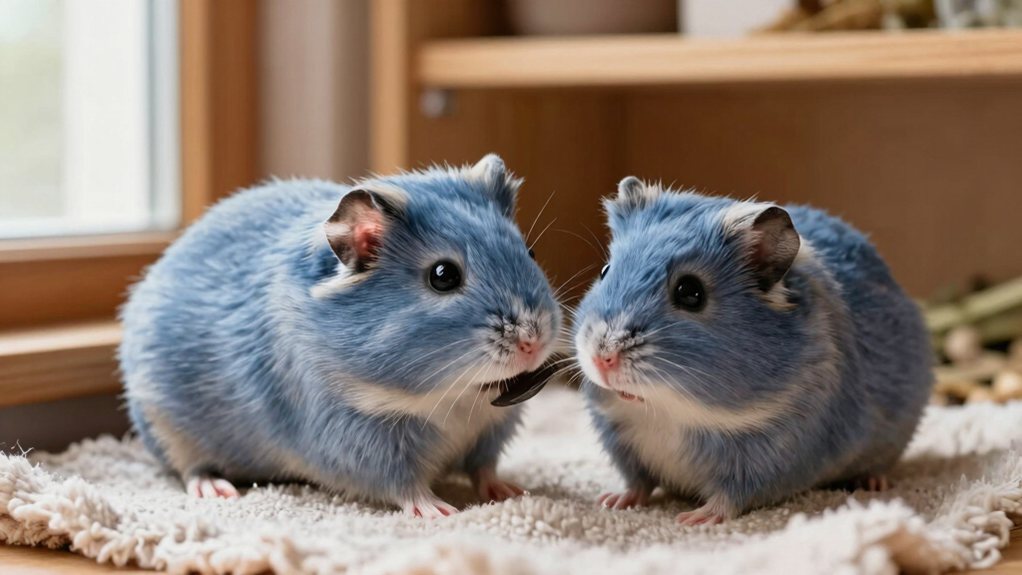
You’re better off keeping your Russian dwarf hamster solo, they’re naturally territorial and prefer living alone. Even siblings often fight as they grow up, and sharing space can lead to stress or injury.
While rare pairs might get along, it’s risky and not worth the drama. They don’t get lonely, so your cuddly buddy is perfectly happy flying solo. Think of them as tiny, furry introverts who love their personal space. You’ll see why this makes sense once you learn what happens when they clash over a wheel or snack.
Russian Dwarf Hamsters Should Live Alone
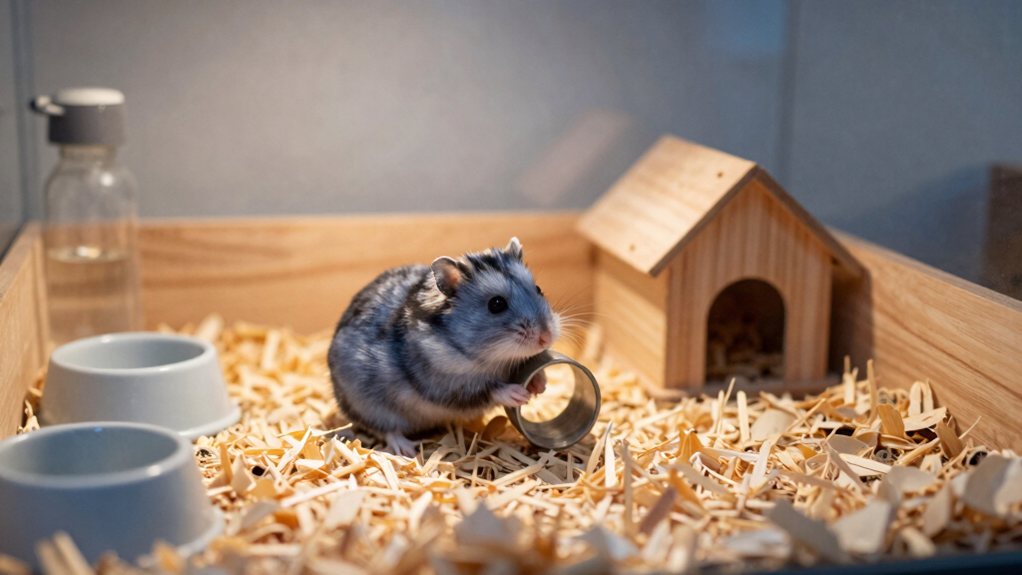
So, should Russian dwarf hamsters really live alone? Yep, they should, and here’s why. These tiny furballs may look cute together, but they’re actually pretty territorial.
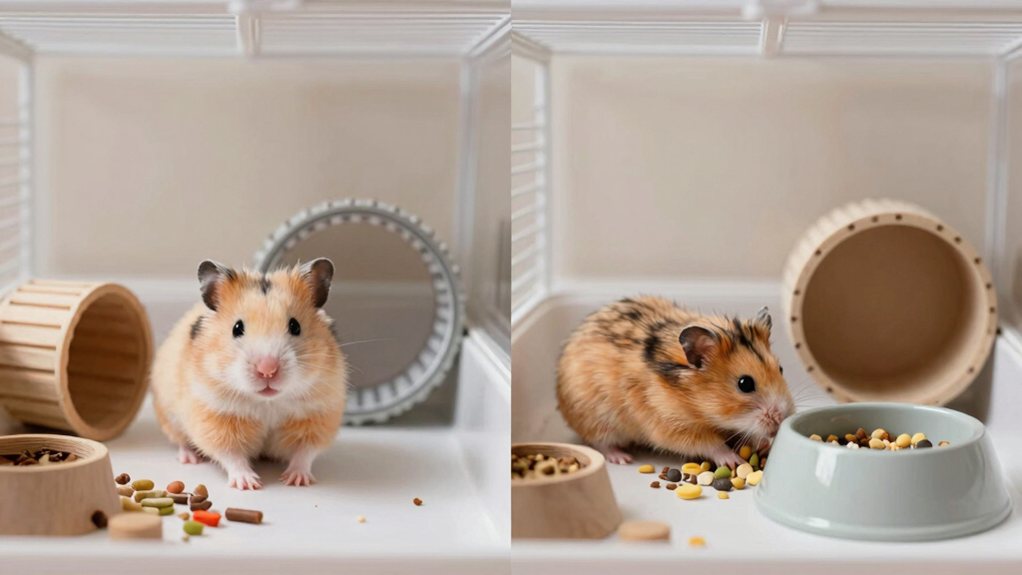
Put two in one cage, and you’re not getting a buddy comedy. You’re risking a tiny turf war. They’d rather have their own space to munch on their favorite seeds, follow their unique diet preferences, and stash snacks like little hoarders.
Plus, they’re pros at grooming habits. Licking and fluffing themselves without needing a roommate’s help.
Honestly, they’re more like introverted roommates who never clean the fridge but also never complain about your music.
Give them their own cozy setup, and they’ll thrive. You’ll save yourself stress, vet trips, and the heartbreak of breaking up feuding furballs.
Why Russian Dwarf Hamsters Are Territorial
You know how some roommates just can’t share? Well, your Russian dwarf hamster comes hardwired to guard their space like a tiny, furry landlord. They’re solitary by instinct, so what looks like grumpiness is really just them saying, “This burrow’s mine, thanks.”
With a strong need for personal space and a dash of dominance, they’d rather have solo reign than a roommate, even if you think they’d make cute buddies.
Territorial Nature Explained
Ever wonder why your tiny Russian dwarf hamster acts like a furry little landlord guarding its castle? It’s all thanks to their wild instincts: these little guys are hardwired to be territorial. In the wild, space means survival, so they claim their corners, defend their food, and don’t take kindly to roommates.
Even what looks like play behavior might actually be boundary testing or establishing a social hierarchy. They’re not being grumpy for fun; it’s serious hamster business.
You might see them chasing or squeaking, and while it seems dramatic, it’s their way of saying, “This is *my* wheel, thank you.”
Trying to pair them up often ends in stress or fights, not friendship. So, while they’re cute and tiny, they’re also fiercely independent.
Give them their own space, and they’ll thrive—no drama, no roommates, just happy, solo snacking.
Solitary By Instinct
While they might look like the perfect pals for a shared cage, Russian dwarf hamsters are naturally wired to go solo, and it’s more than just a preference: it’s instinct.
In the wild, they survive by claiming their own space, food, and tunnels, not by sharing.
Their nocturnal behavior means they’re up and active when you’re asleep, patrolling their territory like tiny, furry night guards.
Combine that with their strong burrowing habits, and you’ve got a little digger who wants total control of their underground kingdom.
- A hamster zigzagging through a maze of self-dug tunnels at midnight
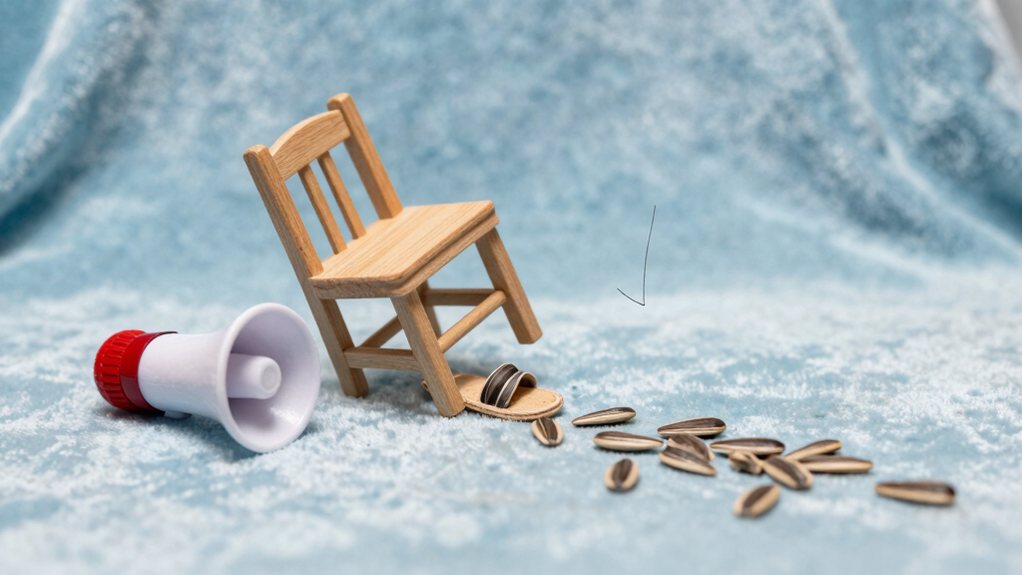
- Two hamsters squaring off over a sunflower seed like it’s a duel
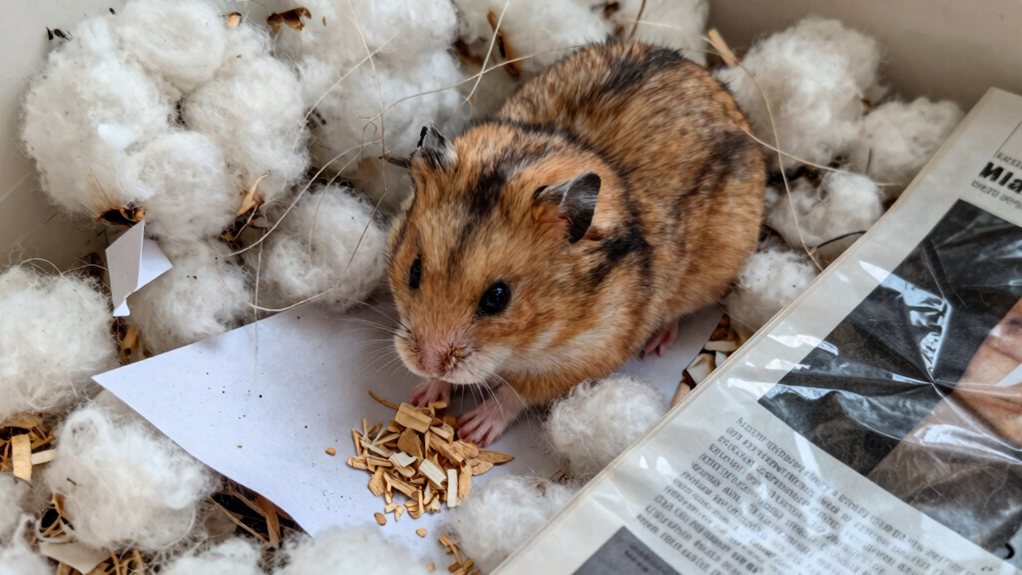
- A tiny nose poking from a handmade nest, guarding its fortress fiercely
For their peace—and yours—let them live solo.
Space And Dominance Needs
What makes a creature no bigger than your palm so serious about personal space?
Well, even tiny hamsters have big attitudes when it comes to territory. Russian Dwarf Hamsters are hardwired to guard their zone, especially if cage size is too small. Think about it, would you want a roommate moving in without asking?
Exactly. These little guys set up a clear social hierarchy, and guess what? There’s only room for one boss.
When you house them together, even in a large cage, they’ll fight for dominance, no sharing allowed. It’s more than about space, it’s about pride.
They’ll chase, nip, and stress out until one gives in.
So, while it might seem sweet to pair them up, you’re really setting off a tiny turf war.
Save the drama, give your hamster solo digs and peace of mind.
When Keeping Two Might Work (Rarely)
So, is there ever a time when housing two Russian dwarf hamsters together actually makes sense? Rarely, but yes, under very specific conditions.
If you have a breeding pair and are prepared for baby hamsters, keeping them together temporarily makes sense.
Some siblings may also tolerate shared nesting when young, but this often doesn’t last past maturity. Even then, constant monitoring is key.
Two tiny hamsters curled up in one cozy nest, noses twitching in sync.
A male gently grooming a female in a calm, established breeding pair.
Siblings playing chase through tunnels, still getting along—for now.
Still, most adults prefer flying solo. When in doubt, go solo. Your hamsters will thank you, probably with squeaks.
How to Introduce Russian Dwarf Hamsters Safely
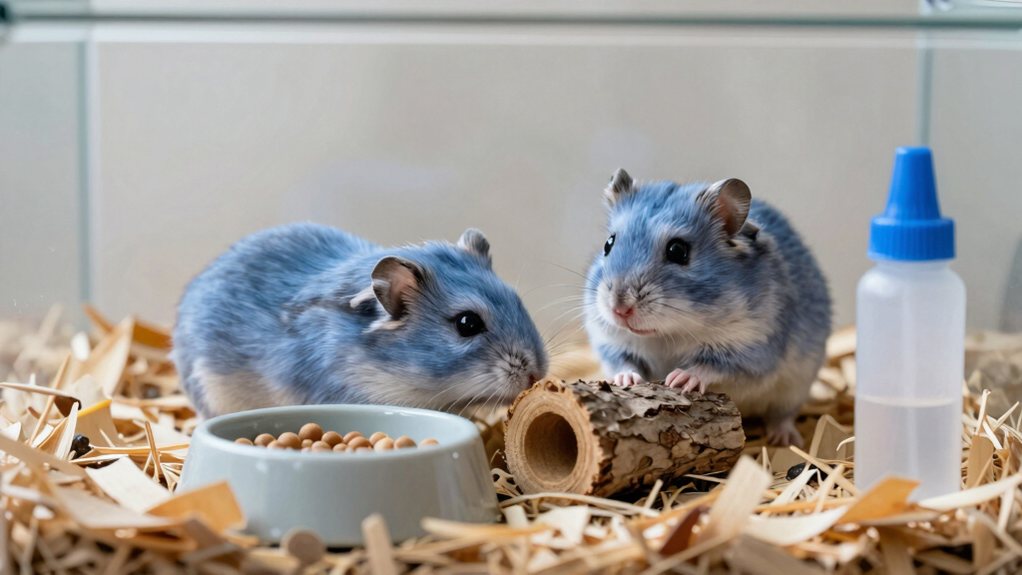
If you’re thinking about introducing two Russian dwarf hamsters, setting up a safe cage is your first move.
Think neutral territory with plenty of hiding spots and separate food bowls.
Try the scent swapping trick first.
Swap their bedding a few days before meeting so they get used to each other’s smell without the drama.
When it’s showtime, keep that first face-to-face meeting short and sweet.
Have you watching like a hawk in case things go from “aww” to “whoa!”
Safe Cage Setup
- Two separate sleeping huts so no one argues over nap real estate
- Shared tunnels with multiple exits to prevent awkward squeaky standoffs
- A neutral territory zone with fresh bedding where they can sniff and say “howdy” safely
Get the setup right, and you’re more than building a cage.
You’re building peace, one chewed-up cardboard tube at a time.
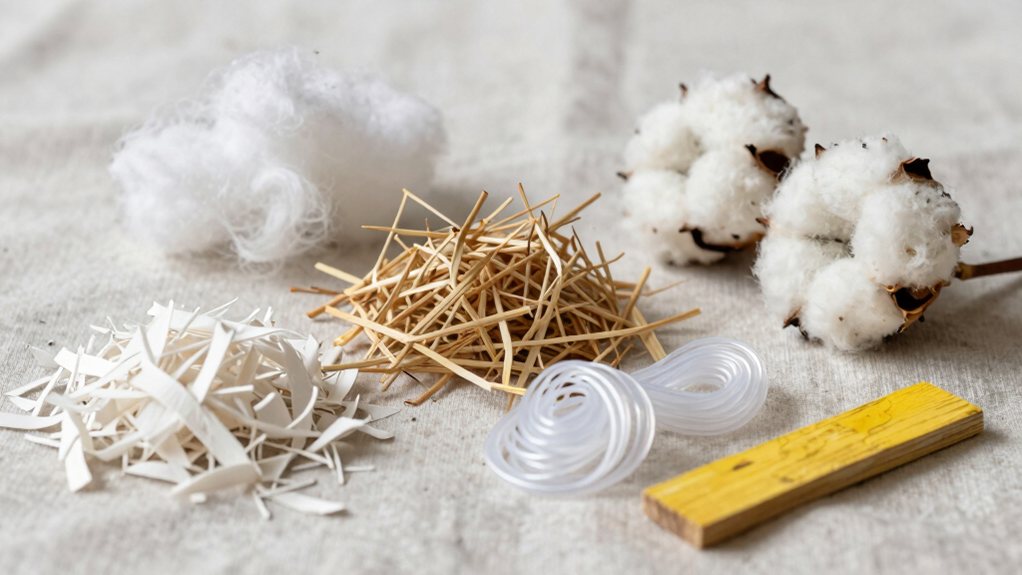
Ensure all connecting tunnels have a minimum tunnel diameter of 2 inches to allow safe and comfortable movement for both hamsters.
Scent Swapping Technique
While you can’t just toss two Russian dwarf hamsters together and hope they become best buds, you can help them get acquainted without the drama using a clever little trick called scent swapping.
Grab a clean cloth or soft toy and rub it gently on one hamster’s cage, especially near spots they’ve used for scent marking.
Then, place that item in the other hamster’s cage.
Flip it around the next day. This helps them get used to each other’s smell without face-to-face stress.
Think of it like passing love notes instead of forcing a blind date.
Over a few days, their scents start feeling familiar, which can ease tension and support social bonding.
Just keep an eye out. Some hamsters stay grumpy no matter what.
But hey, at least you tried the peaceable way, right?
Supervised First Meeting
So, how do you finally let your Russian dwarf hamsters meet without one chasing the other like a tiny, furry tornado? Easy, start with a supervised first meeting in neutral territory. This means neither hamster’s cage. Think a clean bathtub, playpen, or tabletop with no hiding spots.
Playtime supervision is key. You’ve gotta keep your eyes peeled the whole time. Watch for sniffing, chasing, or worse, actual fighting. You want calm curiosity, not chaos.
Tiny noses twitching as they cautiously explore each other.
One hamster freezing mid-step, then darting sideways like it’s in a heist movie.
Gentle grooming that says “friend,” not frantic fleeing.
If all goes well, you’ll see relaxed bodies and maybe even some cuddling. If not, no worries. Try scent swapping again. Patience wins the hamster game!
Signs of Bonding vs. Aggression
How can you tell if your Russian dwarf hamsters are best buddies or about to throw down like tiny furry wrestlers? Watch their play behavior closely. If they’re chasing each other in a loose, bouncy way, that’s usually fun, not fight.
Real aggression looks stiff, sharp bites, loud squeaks, or one hamster constantly hiding.
Stiff movements, sharp bites, and frantic squeaks signal real trouble—especially if one hamster is always hiding. That’s not play, it’s distress.
Bonded pairs often groom each other gently, like tiny spa sessions. That’s a sweet sign they’re getting along.
But if grooming turns into biting or fur-pulling, step in fast.
You should also notice relaxed cuddling during naps, not tense huddling.
Keep an eye on food sharing too. Friends eat side by side, enemies guard their snacks like treasure.
It’s part detective work, part hamster heart-to-heart. Stay calm, stay close, and trust what you see.
Your little duo might just become the cutest roommates ever, or need their own pads.
Housing Two Russian Dwarf Hamsters (If Attempted)
What could possibly go wrong when you toss two Russian dwarf hamsters into the same cage, anyway?
Well, quite a lot, actually.
Even if they seem friendly at first, things can turn sour fast.
You might catch them fighting over a single sunflower seed, turning peaceful feeding habits into tiny turf wars.
One could hog the exercise wheel, ignoring the other’s toy preferences like it’s their personal gym.
Suddenly, that cozy hideout becomes a battleground, not a shared nap spot.
Housing two together? It’s risky.
They’re cuter solo, honestly.
Sure, you can try, but be ready to separate them fast.
Watch closely for stress or bites.
Better safe than sorry.
Your little buddy will thrive more with you as their main pal than with a roommate who mightn’t share their vibe.
How to Separate Fighting Hamsters Immediately
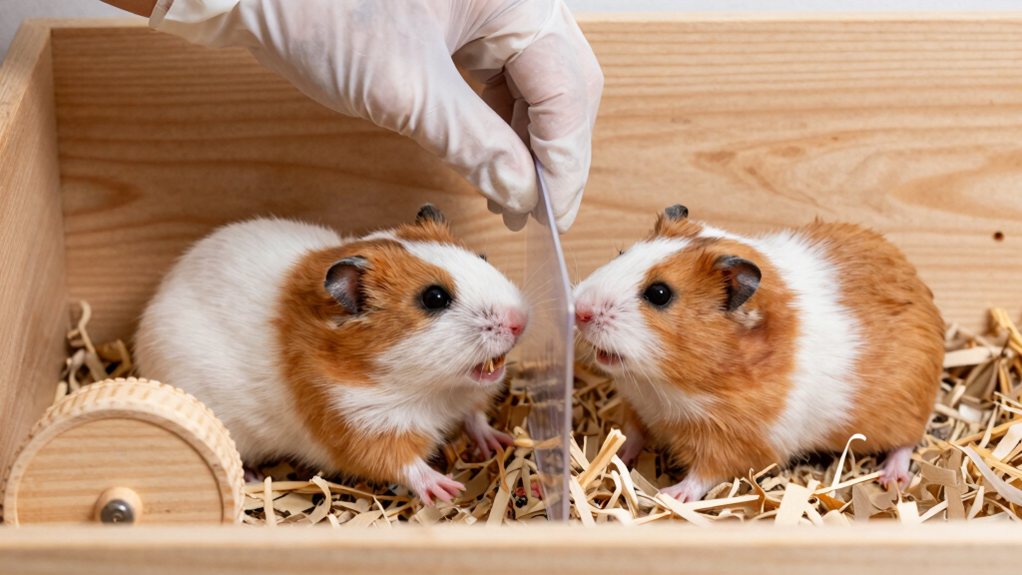
While those tiny paws might look harmless, don’t wait until fur starts flying to step in. When your Russian dwarf hamsters start squabbling, you’ve got to act fast.
Gently slide a thick piece of cardboard between them or use a soft brush to nudge them apart. Never use your hands to avoid bites.
Slide cardboard between fighting hamsters or use a soft brush to separate them—never your hands—to avoid bites and keep everyone safe.
Once separated, give each hamster a quiet, stress-free space to calm down.
Check their environment. Sometimes fights happen because of boredom or poor hamster diet.
Try introducing toy rotation to keep things fresh and exciting.
Rotate chew toys, tunnels, and wheels weekly to reduce tension. A happy hamster is a busy hamster.
And remember, even if they used to get along, moods change. Keep a close eye on their interactions.
If fights keep happening, it’s best to house them separately for good.
Your little furballs will thank you. Peace at home means better naps and more adorable cheek stuffing.
A lack of mental stimulation can lead to increased stress and aggression, which may contribute to fighting, so providing environmental enrichment is essential for preventing behavioral issues like cage rage.
Final Thoughts
You’re better off keeping your Russian dwarf hamster solo, they’re like tiny roommates who *really* don’t share. Sure, they *can* sometimes get along, but it’s rare and risky.
Think of them as divas who prefer their space and Netflix binge in peace. If you try pairing, watch closely—fur flying means it’s time to split. When in doubt, go solo. Your little buddy will thrive, and you’ll avoid a rodent drama fest.