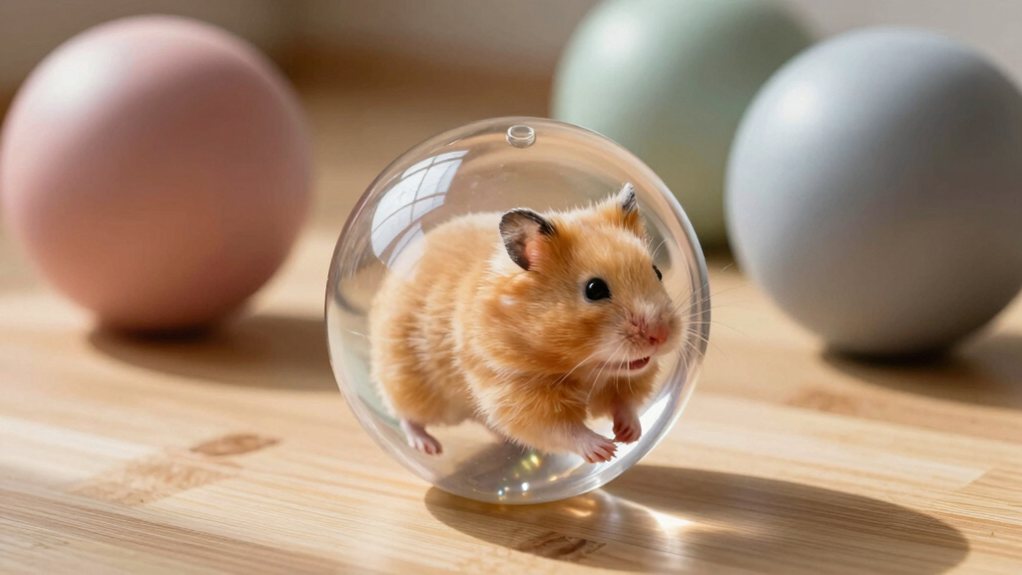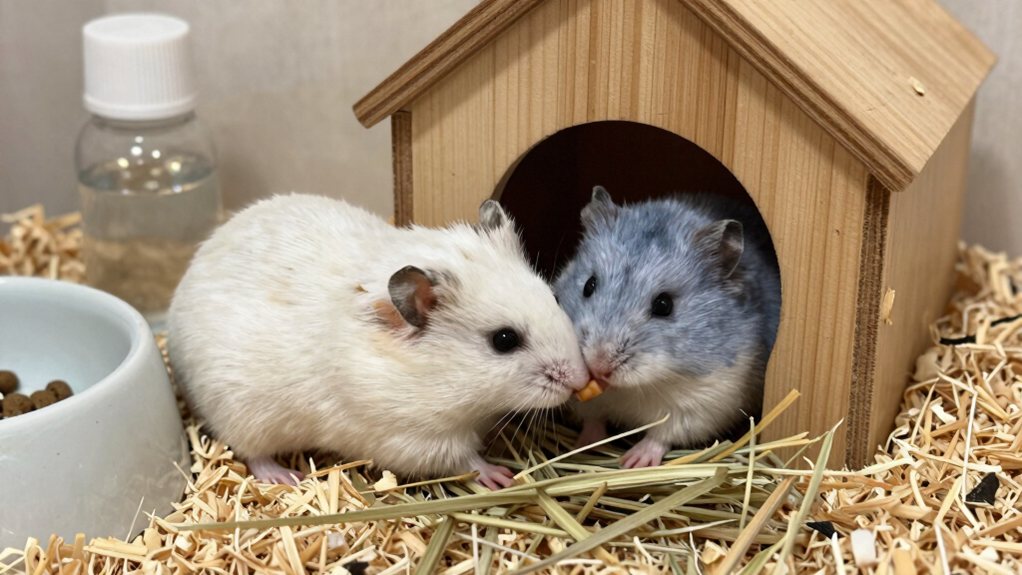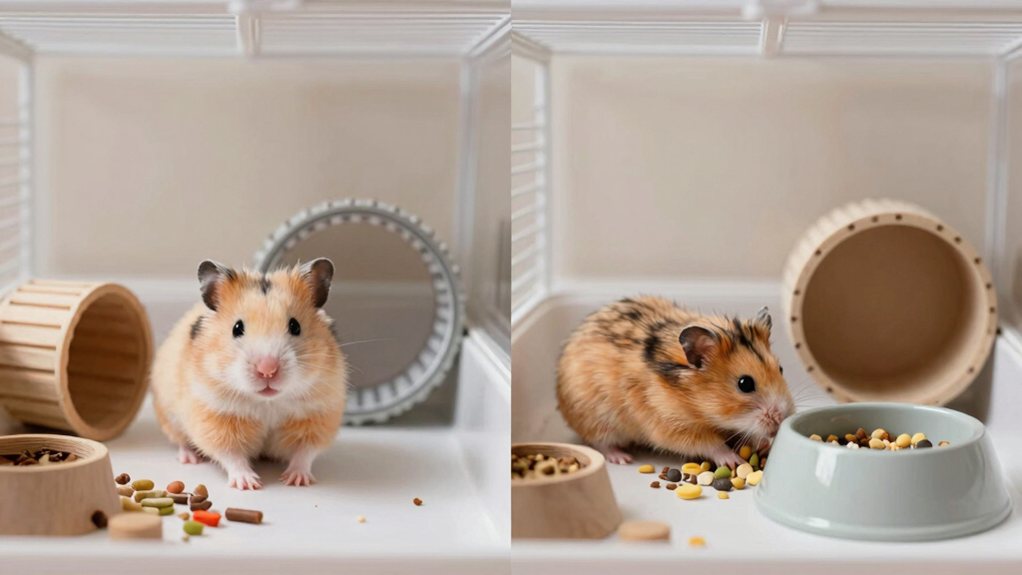
You only need one hamster, honestly, they’d prefer it that way. Most hamsters are loners by nature and can get grumpy, even aggressive, when forced to share space.
Two hamsters often mean more drama, not more fun. Think tiny turf wars instead of cuddles. With just one, you’ll avoid stress and save time on cleaning. You’ll also build a sweeter bond.
Plus, your little buddy will still run for treats and charm you silly. No roommate required. There’s a bit more to the story, though…
Why One Hamster Is Usually Better
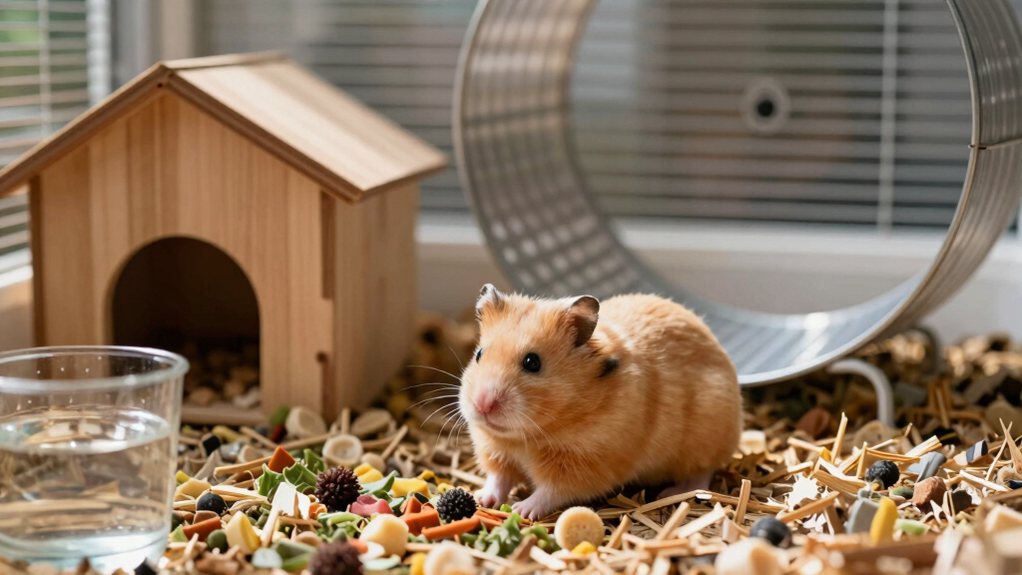
While you might think doubling the hamsters means double the fun, it usually ends up being more like double the drama.
Hamsters are naturally solitary creatures, most prefer living alone, and forcing a buddy system can lead to fights, stress, or even injuries.
Hamsters thrive solo—forcing a friend often leads to fights, stress, or injuries. Their independence isn’t loneliness; it’s instinct.
Their solitary nature isn’t about being grumpy, it’s just how they’re wired.
Even if you find two that seem friendly at first, their individual temperament can shift fast, turning roommates into rivals overnight.
You’re better off giving one hamster a peaceful home with plenty of toys, space, and your attention.
Plus, let’s be real—watching one hamster stuff its cheeks is hilarious enough.
One happy hamster means fewer vet trips, less mess, and more time enjoying those adorable, tiny antics.
So skip the roommate gamble.
Go solo, keep it simple, and let your little buddy thrive in their own spotlight.
Syrian Vs. Dwarf: Which Needs Company?
- Syrian hamsters are total loners, they’ll fight if caged together, even from the same litter
- Dwarf hamsters might tolerate a sibling or same-sex pair if raised together, but drama’s still likely
- Both can thrive solo with your love, toys, and a cozy setup
You’re their best buddy, not another hamster. While dwarfs have slightly better cohabitation preferences, forcing pals leads to stress, not snuggles.
Stick to one per cage, no matter the species differences. A happy hamster isn’t one with roommates—it’s one with you, treats, and a wheel to run wild on.
Can Dwarf Hamsters Live Together Safely?
You can keep dwarf hamsters together, but only if they’re the same species, mixing types is a fast track to tiny tantrums.
Set up a roomy cage with multiple food bowls, hideouts, and separate bedding zones so no one feels like their personal space is under attack.
Keep an eye on them, because even besties can turn into tiny roommates from hell if one decides the other’s snoring is too loud.
Same Species Compatibility
- Same species only: Roborovskis might tolerate pals, but don’t mix a Campbell’s with a Winter White, drama alert!
- Introduce young: Pair them as pups, never as adults, or you’ll host a tiny boxing match.
- Space is key: A cramped cage fuels fights, think palace, not studio apartment.
Sure, it’s cute to imagine them cuddling, but watch closely.
One wrong move, and your peaceful duo becomes a diva showdown.
You’ve got this—but stay alert!
Proper Cage Setup
While you might dream of your dwarf hamsters snuggling up like best buddies on a tiny couch, the truth is they rarely share that vision, especially when it comes to living space. If you’re thinking about housing them together, cage size matters big time.
You’ll need at least a 450-square-inch cage. More space means fewer turf wars. Even then, same-species pairs can turn from pals to rivals overnight.
As for bedding type, go for soft, absorbent stuff like paper-based or aspen shavings. Never use cedar, it’s a no-go.
Deep bedding lets them burrow, which they *love*.
But here’s the real talk: most experts recommend solo setups. It’s safer, less stressful, and honestly? Your hamster might actually prefer being the only VIP in his penthouse suite.
Keep things cozy, clean, and calm. Maybe skip the roommate drama altogether.
Monitor For Aggression
So, can dwarf hamsters really live together in peace, or is it just a cute idea doomed to end in tiny tantrums and shredded bedding?
The truth is, even if they start off cuddly, cage dominance and hamster hierarchy can turn things sour fast. You’ve got to keep a close eye on them. Here’s what to watch for:
Nipping or chasing: It’s not play. It’s a power move.
One hamster hoarding food or bedding: Classic cage dominance behavior.
Fur loss or hiding: A sign someone’s stressed and losing the hierarchy battle.
If you spot these, it’s not failure. It’s smart parenting. Separate them before tiny drama becomes big stress.
Sure, they can coexist, but most do better solo. Think of it like roommates: sometimes the vibe just doesn’t work. Keep love in your heart, but a spare cage on standby just in case.
The Real Risks of Housing Hamsters Together

Thinking your hamsters might enjoy a roommate as much as you enjoyed having a bunk bed buddy at summer camp?
Sorry to burst your bubble, but hamsters aren’t built for sharing.
Despite popular cohabitation myths, these little furballs are wired with strong territorial instincts.
What looks like cuddling could actually be one asserting dominance, yikes.
Even same-sex pairs or siblings can turn from pals to rivals overnight.
The real risks of housing hamsters together include stress, injuries, and even fatal fights.
You might think they’re lonely, but in truth, they’re usually happier solo.
Giving each hamster their own space isn’t overkill, it’s kindness.
So skip the double hammock and opt for separate homes.
Your pint-sized pal will thank you with less stress and more sweet, solitary snuggles in their cozy nest.
Trust us, solitude suits them just fine.
Is Your Hamster Stressed by a Cage Mate?
You might think your hamster’s having a blast with a cage buddy, but if they’re fighting or hiding all the time, they’re probably stressed. Watch for signs like biting, chasing, or one hamster bossing the other around.
It’s less “cute roommates” and more “tiny turf war.”
Signs Of Social Stress
Ever wonder why your hamster suddenly isn’t its usual bubbly self since you added a cage buddy? Social stress could be the sneaky culprit.
While some hamsters enjoy company, most actually prefer flying solo, so that new friend might be more foe than fun.
Keep an eye out for these red flags:
- Tooth grinding: It might sound like tiny castanets, but it’s often a sign your hamster’s anxious, not thrilled.
- Fur chewing: If your pet’s grooming turns into bald patches, it’s not a fashion statement—it’s stress.
- Hiding nonstop or aggressive chasing: They’re not playing tag; they’re saying, “I need space!”
If you spot these signs, it’s okay to go back to one hamster.
Sometimes, the best friendship is the one where they live in peace—separately. You’ve got this!
Aggression Between Hamsters
Why do some hamster pairs go from cuddly to chaotic in what feels like a hamster heartbeat?
Well, hamsters are naturally solitary creatures, and even if they seem friendly at first, aggression between hamsters can sneak up fast.
You might notice biting, chasing, or one hamster constantly hiding, clear signs your pets aren’t vibing.
Food competition plays a big role; even with two bowls, they’ll act like it’s the last snack on Earth.
Territorial marking gets intense too, with cheek rubbing and scent claiming every corner.
It’s their way of saying, “Back off, roomie!”
Honestly, what looks like a cute buddy system often turns into a tiny turf war.
If your hamsters are stressed, it’s not their fault, they just weren’t built for roommates.
Sometimes, the kindest move is giving each hamster their own space.
Peace, after all, is priceless, even in a cage.
Solitary Needs By Species
Could your hamster be craving a little alone time?
Most hamsters actually prefer living solo. It’s not you, it’s their nature. Their nocturnal behavior means they’re active when you’re not.
Adding a cage mate can cause stress instead of comfort. Pairing hamsters might seem sweet, but it often ends in squabbles, especially when burrowing habits are disrupted.
- Syrian hamsters are total loners. They’ll even see a partner as dinner competition.
- Dwarf types, like Roborovskis, *might* tolerate a buddy, but only if raised together from birth.
- Chinese hamsters dig deep tunnels and hate roommates stealing their spotlight (or bedding).
Forcing friendship can backfire. Think midnight tiffs and shredded nests.
When in doubt, go solo. Your hamster’s peace of mind (and your sleep) might depend on it. Plus, one happy hamster means one less drama queen in your living room.
Stronger Bonds With a Single Hamster
So, you’re thinking about adding a tiny, whiskered friend to your home, awesome choice!
When it comes to bond strength, going solo with one hamster often wins. You’ll give them full individual attention, which helps build trust faster.
Imagine having just one little buddy who runs to you at snack time, how cool is that?
With two hamsters, your time and treats get split, and honestly, they’d rather nap together than bond with you anyway.
Plus, most hamsters prefer flying solo.
Stick two together, and you might end up refereeing tiny cage wars. Not cute.
By focusing on one, you create a stronger, more personal connection.
You’ll learn their quirks, their favorite treats, and their “I’m mad” squeaks. It’s like having a tiny, furry bestie.
So, skip the duo drama.
One hamster means double the love, for you and them. Win-win!
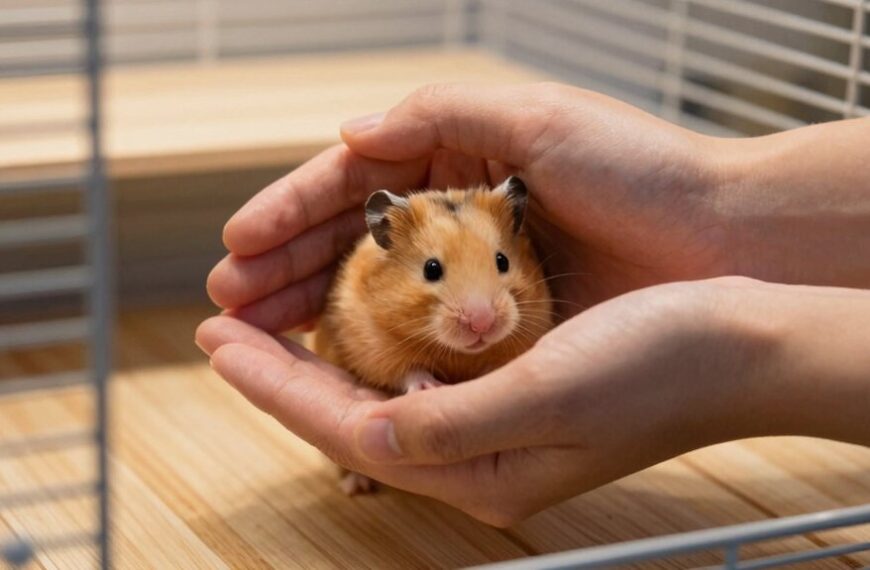
A deeper connection forms when you allow your hamster to approach you voluntarily, reinforcing trust through calm and consistent interaction. This process highlights the importance of voluntary climbing onto hands as a sign of established trust.
What a Solo Hamster Needs to Thrive
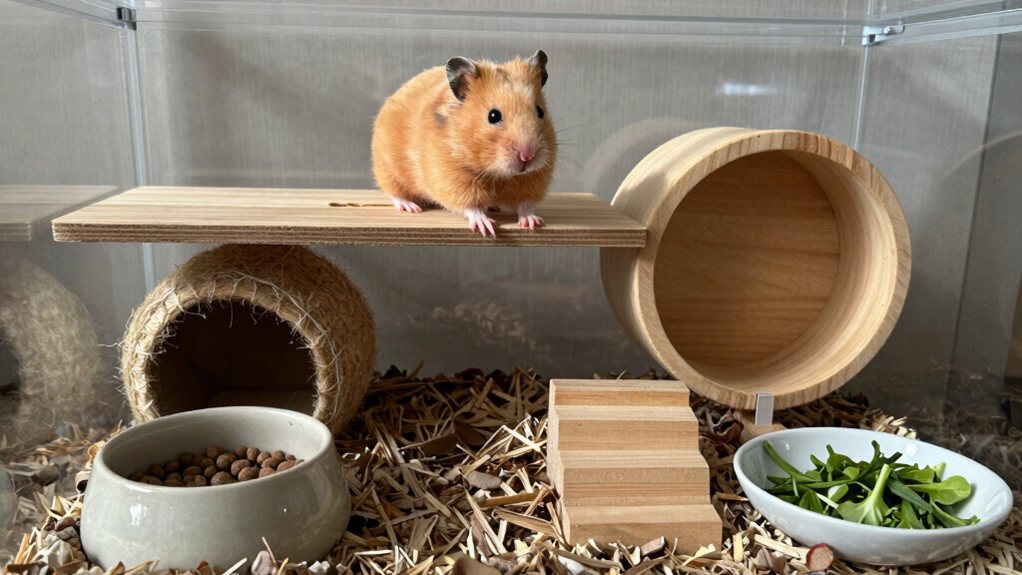
Now that you’ve decided one hamster is the way to go, let’s make sure your little buddy has everything they need to live their best tiny life.
A solo hamster thrives with the right mix of comfort, activity, and fun. Yes, even tiny mammals need hobbies!
Here’s what really matters:
- A spacious cage with cozy bedding for burrowing and snoozing, because naps are serious business
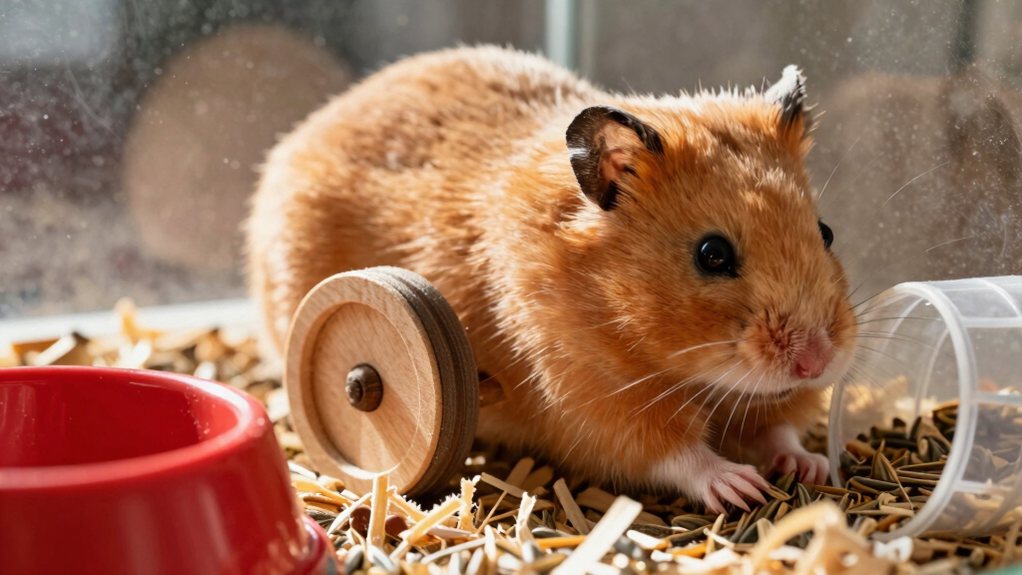
- A solid-surface exercise wheel to keep those chubby legs moving safely, no wire rungs
- Toys enrichment like tunnels, chew blocks, and DIY mazes to spark curiosity and prevent boredom
You’re more than just a pet owner. You’re their whole world.
With love, attention, and a few well-placed chew toys, your hamster will be happy, healthy, and maybe even judging your life choices from a comfy pile of shredded paper.
A cage with pull-out tray design allows for quick, tool-free cleaning and helps maintain a healthy environment with minimal stress for both you and your hamster.
When Hamsters Can Share a Cage (And How to Try)
Ever wonder if your hamster might actually want a roommate? While most hamsters prefer flying solo, some dwarf types, like Roborovskis, can live together if you do it right.
Start with cage size: think big, like a 40-gallon tank or larger, so they’ve got space to claim their own zones.
Think big—aim for a 40-gallon tank or larger—so your hamsters can each claim their own territory and avoid tiny turf wars.
You’ll also want serious bedding depth—6 inches or more—to let them dig separate tunnels and avoid turf wars.
Always introduce them young, same-sex siblings, and watch closely for grumbling or chasing.
Split the cage setup down the middle at first, then remove barriers slowly.
Even then, be ready to separate if they clash. It’s kind of like setting up a blind date… but with more sawdust.
Sharing can work, but it’s not a guarantee.
When in doubt, go solo—you’ll both sleep easier.
A secure setup helps prevent escapes during introductions, so consider using chew-proof BPA-free PET plastic guards if your cage has wire bars.
One or Two Hamsters: Which Is Right for You?
Why do some people end up with two hamsters while others stick to just one?
It often comes down to lifestyle, time, and what you’re looking for in a pet.
Hamsters are solitary by nature, so you’re not dooming a single hamster to loneliness.
Here’s what to contemplate:
- Nocturnal behavior: Your hamster will be up late running that wheel. Having two means double the midnight noise.
- Feeding habits: One hamster means one set of meals and snacks. Two could mean food fights. Hamsters aren’t great at sharing.
- Your time and energy: Caring for two means double the cleaning, costs, and attention, even if they don’t need company.
One hamster is usually enough to fill your heart and your sleep schedule.
Two? Only if you really love chaos in small, furry packages.
Final Thoughts
So, should you go solo or double up? Most hamsters thrive alone, especially Syrians, who’ll fight if caged together. Even dwarfs can turn from cuddly to feisty fast.
A single hamster means less stress, fewer surprises, and a stronger bond with you. Plus, you’ll avoid midnight cage battles.
If you’re set on two, proceed with caution and a backup cage. But honestly, one happy hamster, lots of toys, and your attention go a long way.