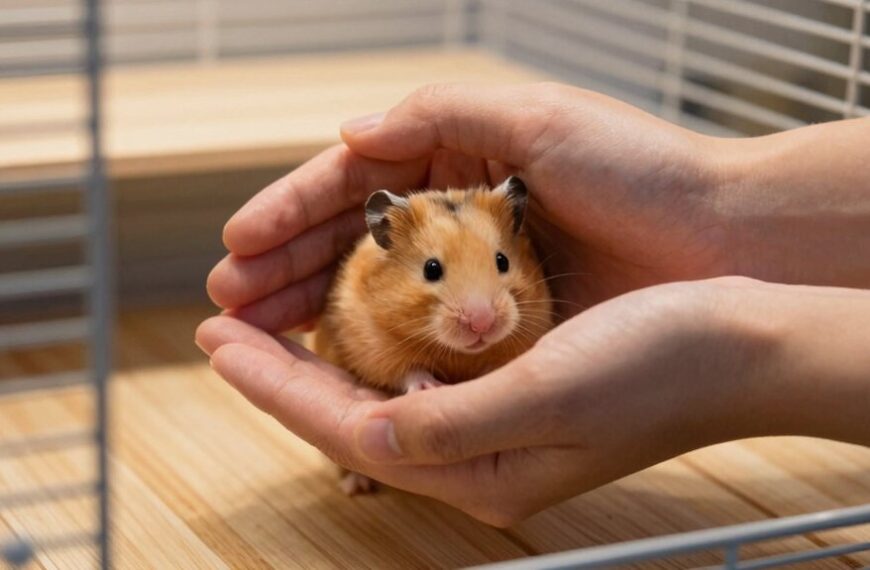
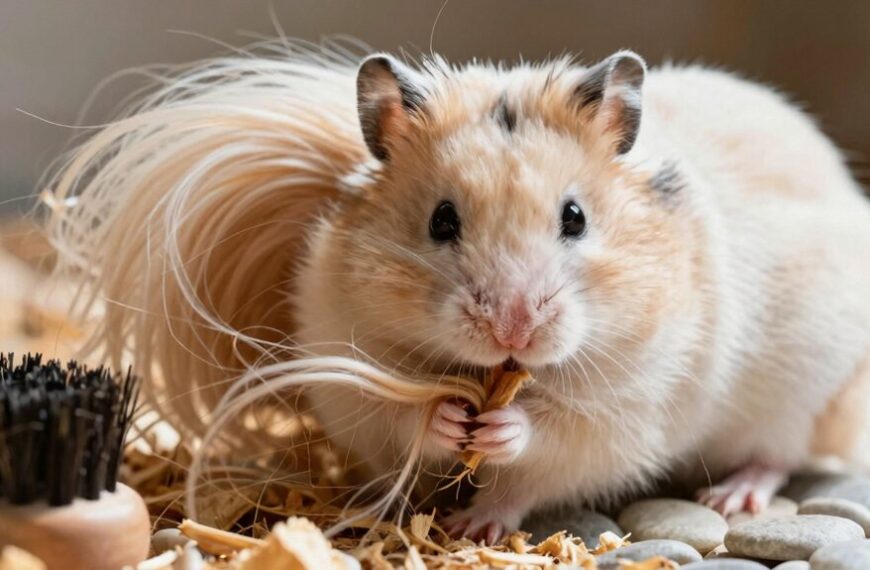
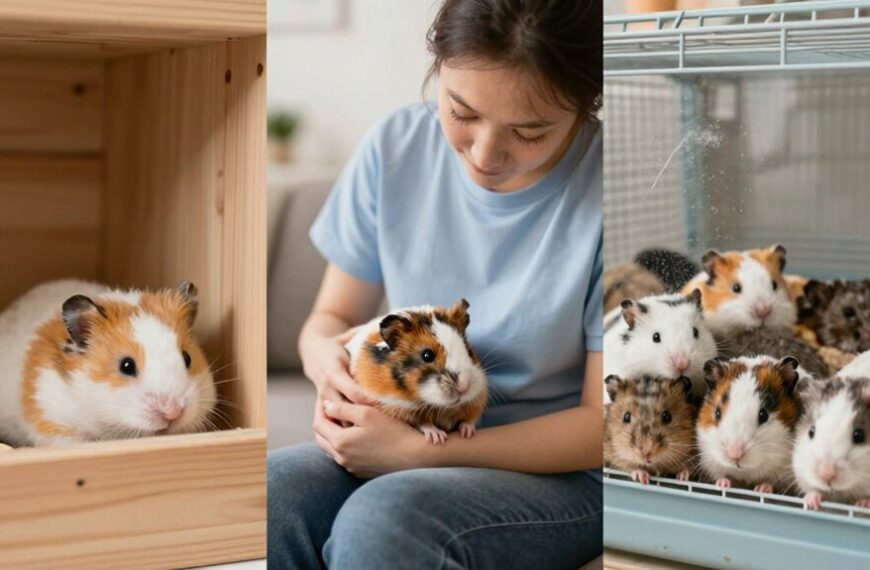
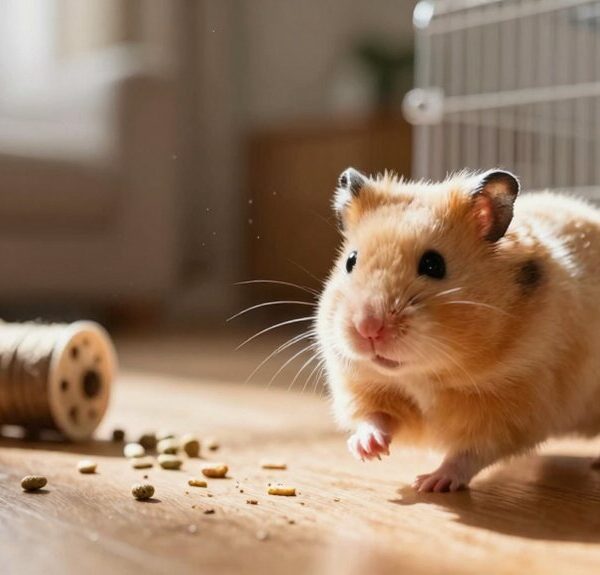
You can tell how old your hamster is by checking their whiskers, fur, and energy levels. Short, sparse whiskers and droopy ears mean they’re getting older. Syrian hamsters usually slow down around 18 months, while dwarfs show age at 12–15 months.
Look for gray hairs, thinner fur, or less zooming at night. If your hamster naps more and grumbles when picked up, they’re likely a senior. Sweet, wise, and deserving of cozy comforts. There’s more to learn about their golden years just ahead.
Hamster Lifespan: By Breed and Age Range

Ever wonder why your hamster seems to zip around like a tiny furball one minute and then nap for hours the next? It’s all part of their short but busy lives. Most hamsters live 1.5 to 3 years, depending on the breed.
Syrians usually live 2–3 years, while dwarfs like Roborovskis might hit 3, but others, like Campbell’s, often live closer to 1.5–2.
Age signs? Slower moves, duller fur, or less interest in wheel time can mean your little buddy’s getting older.
Good hamster nutrition helps them thrive, think fresh veggies, quality pellets, and clean water.
Breeding habits also affect lifespan. Females bred too young or too often may face health issues.
You can’t stop time, but you can make each moment count with cozy bedding, fun toys, and gentle care.
Love them hard, they’re tiny, but their joy is huge.
When Hamsters Become Adults: and Seniors
You mightn’t realize it, but your hamster’s already hitting adulthood by the time they’re 3 months old,
yes, they grow up fast!
Keep an eye out for when their energy starts to mellow a bit, usually around 12 to 15 months, because that’s your cue they’re entering their golden years.
Think of it like your pet going from a zoomie-filled toddler to a couch-loving grandpa, just much quicker.
Young To Adult Transition
So, when does your tiny ball of fluff stop being a baby and start acting like a grown-up hamster? Around 3 to 4 months old, your little one begins the young-to-adult shift.
You’ll notice they’re less wobbly, more curious, and full of energy. Playtime preferences change: your hamster might now zoom through tunnels instead of just napping in them.
Social bonding evolves too. While some stay friendly, others get a bit grumpy and prefer solo time. This is normal!
Syrian hamsters especially start claiming their space, while dwarfs may still enjoy a cage mate. Keep an eye on behavior, more than age.
They’re not seniors yet, but they’re definitely not babies. You’re raising a confident, feisty adult now: tiny paws and big personality. Enjoy this lively stage while it lasts!
Senior Stage Indicators
What does growing older look like for your pint-sized pal? Well, as your hamster enters the senior stage, you might notice they’re not quite the night-time tornado they used to be. They’ll sleep more, move slower, and maybe skip a wheel run or two.
Their fur could thin out, or you might spot a few gray whiskers, yes, hamsters get distinguished with age too!
They may eat less or have a fussier palate, so keep an eye on their weight. While they won’t start complaining about their back, cute as that’d be, stiff movements or hunched posture can signal discomfort.
Even in their golden years, they still enjoy treats, gentle pets, and cozy bedding. You’ll cherish these quiet moments most. Though they won’t live forever, your love makes their senior days warm, safe, and full of tiny joys.
How to Estimate Your Hamster’s Age Without a Birth Date
You can get a pretty good guess at your hamster’s age just by checking out their looks and how they act every day.
If your little buddy’s fur is shiny and they’re zooming around at midnight like a tiny furry racecar, they’re likely still young and spry.
But if they seem slower, sleep more, or have a few gray hairs, yes, really, they might be settling into their golden years.
Physical Appearance Clues
A quick peek at your hamster’s looks can tell you a lot about how old they really are, no birth certificate required. You don’t need a magnifying glass, but keep an eye out for subtle clues like whisker length and ear shape.
Young hamsters usually have long, springy whiskers and perky, rounded ears, while older ones might sport shorter whiskers and ears that droop just a bit, kind of like grandpa at a family reunion.
- Whisker length: Long and lively in youth, shorter and sparser with age
- Ear shape: Crisp and upright when young, softer and floppier over time
- Fur texture: Sleek and shiny in young adults, patchy or thin in seniors
- Activity signs: Zoomies all night? Likely young. Napping more? Could be aging
You’ve got this. Just trust your eyes and a little hamster intuition.
Behavior And Activity Levels
Ever wonder why your hamster used to race on the wheel like a tiny furry Olympian but now seems more interested in napping in the sunbeam?
As hamsters age, their behavior and activity levels shift noticeably. Young ones are full of energy, darting around at night and sticking to strict nocturnal patterns.
But older hamsters slow down, wheel time shortens, and they might even nap during peak nighttime hours.
You might also notice changes in social interactions. Younger hamsters are often curious and bold, while seniors may prefer quiet and solitude.
If your little buddy seems less enthusiastic to play or explore, it could be a sign of aging. These shifts help you guess their age, even without a birth date.
Watch their habits closely. Your hamster’s rhythm tells a story. And hey, slower doesn’t mean less lovable.
Aging Signs in Syrian Hamsters
What’s that slow waddle replacing your Syrian hamster’s usual zoomies? As your little buddy ages, usually around 18–24 months, you’ll start noticing changes.
Don’t panic—these signs are normal, just part of their golden years. Keep an eye out for these clues:
- Gray hairs popping up, especially around the muzzle and paws
- Less interest in the wheel, maybe due to arthritis or just lower energy
- Cloudy eyes or hearing loss, making them spook easier
- Changes in grooming habits, leading to a scruffier coat
Tweak their hamster habitat to help: lower hideouts, softer bedding, and check the wheel size.
Smaller or solid-surface wheels ease joint strain.
You’re still their favorite person, even if they nap more than race. A little extra love goes a long way.
How Dwarf Hamsters Show Age Differently
You might notice your dwarf hamster slowing down a bit as they get older, maybe napping more than running on that squeaky wheel.
They could start acting a little grumpier or less curious, kind of like a tiny, furry grandpa who’s had enough excitement for one day.
Keep an eye out for gray hairs or wobbly steps.
It’s all part of their sweet, silly aging process.
Signs Of Aging Dwarfs
How do you know when your tiny dwarf hamster is starting to slow down with age?
Well, even though they don’t wear little reading glasses, the signs are there if you look closely.
As your pint-sized pal ages, their energy fades, and you might notice they’re less into wild midnight wheel runs or rearranging their cage like a tiny interior designer with strong opinions.
You’ll see graying fur, especially around the face, think distinguished, not dingy.
They move slower, taking naps in their favorite hideout instead of racing for treats.
Their toy preferences shift, less chewing, more snuggling with soft bedding.
They might ignore that flashy hamster fashion accessory you bought, sorry, tiny sweater.
Aging dwarfs still love you, just at a comfier pace.
Keep things cozy, and let them enjoy their golden years in peace.
Behavior Changes In Seniors
Ever wonder why your once-zippy dwarf hamster now treats the exercise wheel like a cozy nap spot? As your little friend ages, you might notice shifts in their nocturnal patterns. They could be less active at night or wake up more often. That’s normal!
Senior dwarfs often slow down, preferring quiet cuddles in their bedding over midnight marathons.
Their social preferences may change too. Some become grumpier or less enthusiastic to be handled, while others crave more comfort from you. It’s like they’re saying, “I’m not lazy, I’m just retired.”
Keep an eye on these behavior changes. They’re clues your hamster’s entering their golden years.
Offer soft bedding, easy-to-reach food, and gentle interaction. You’re not only a pet parent, you’re their cozy companion through life’s later adventures.
And hey, slower doesn’t mean less love. Just more snuggle potential.
Energy Levels: From Hyper to Sluggish by Age
What’s the secret behind your hamster suddenly acting like a tiny tornado one week and a sleepy bean the next? It’s all about age and those quirky nocturnal habits kicking in.
Your hamster’s wild zoomies to sleepy bean shift? Totally normal—just age and nocturnal quirks doing their thing.
As your little furball grows, their energy shifts, just like how social bonding changes over time. Here’s what to expect:
- Baby hamster (3–6 weeks): Zoomies on repeat! They’re learning the world through speed and snacks.
- Young adult (2–6 months): Still lively, but routines form, especially at night.
- Adult (6–12 months): Calmer, more predictable. Peak cuddle potential (if they’re into that).
- Senior (12+ months for dwarfs, 18+ for Syrians): Slower moves, longer naps. Respect the naptime!
You’ll notice less sprinting and more snuggling as they age. It’s not laziness—it’s maturity.
And hey, even sleepy beans have their charm.
Just keep an eye out for sudden changes, okay? That’s when it’s vet time.
Fur Thinning and Coat Changes in Older Hamsters

As your hamster settles into their golden years, you might start noticing a few more wiry hairs sticking up like a bad hair day that just won’t quit, and that’s totally normal. You’ll likely see changes in their coat texture, going from soft and plush to a bit coarse or patchy over time.
Thinning fur, especially around the hips or back, is common as they age. Don’t panic. This isn’t like sudden baldness from stress or mites. Older hamsters often have altered shedding patterns, losing more hair in waves rather than all at once.
It’s just part of getting cozy with age. Keep an eye out, sure, but know that a slightly messy coat doesn’t mean they’re unwell.
Grooming might slow down too, so their look gets a little “lived-in.” Think of it as hamster gray hair—quirky, natural, and kind of charming.
How Hamster Teeth Reveal Age
A hamster’s teeth can tell quite the story, if you know how to read them. As your little buddy ages, changes in their teeth become clear signs of time passing.
You’ll notice tooth discoloration, like yellow or brownish tints, which is normal as hamsters get older.
Enamel wear also kicks in since their teeth grow constantly and grind down with use.
Yellow or brown teeth? Likely a senior, not dirty!
Overgrown teeth may mean dental issues, not merely age.
Check for even wear—lopsided chewing hints at problems.
Enamel wear patterns shift as your hamster hits 1.5+ years.
While it’s not an exact stopwatch, your hamster’s chompers give solid clues.
A hamster that chews excessively on cage bars may be trying to manage tooth length, a behavior linked to natural chewing behavior and dental health needs.
Behavioral Clues: Grumpiness, Confusion, and Withdrawal
Ever wonder why your once-social hamster now acts like a grumpy old neighbor who doesn’t want to be disturbed? As your little buddy ages, you might notice fewer playful antics and more naps in the corner. That’s normal.
Older hamsters often become less interested in social bonding and may even snap when handled.
As hamsters age, they may prefer solitude and snap when handled—it’s not anger, just the natural shift of growing older.
They can seem confused, forgetting where their food stash is or walking in circles. Some withdraw completely, preferring solitude over snuggles.
It isn’t personal. Your hamster isn’t mad at you. These behavioral clues are part of the aging process, especially in Syrians and Dwarfs over two years old.
While it’s bittersweet to see their spark fade, you’re still their safe space. Keep handling them gently, and cherish the quiet moments.
After all, grumpy or not, they’re still the same furball you fell in love with.
Adapting Care for Senior Hamsters

What if your hamster’s golden years called for a little home remodeling? As your little buddy slows down, small tweaks can make a big difference. Senior hamsters need extra love and smart changes to stay comfy.
Swap high-up platforms for ground-level hideouts, mobility support matters when stairs feel like mountains.
Offer softer foods and smaller portions, diet adjustments keep digestion happy and energy steady.
Use low-entry bedding and easy-access food bowls so every meal feels like a breeze.
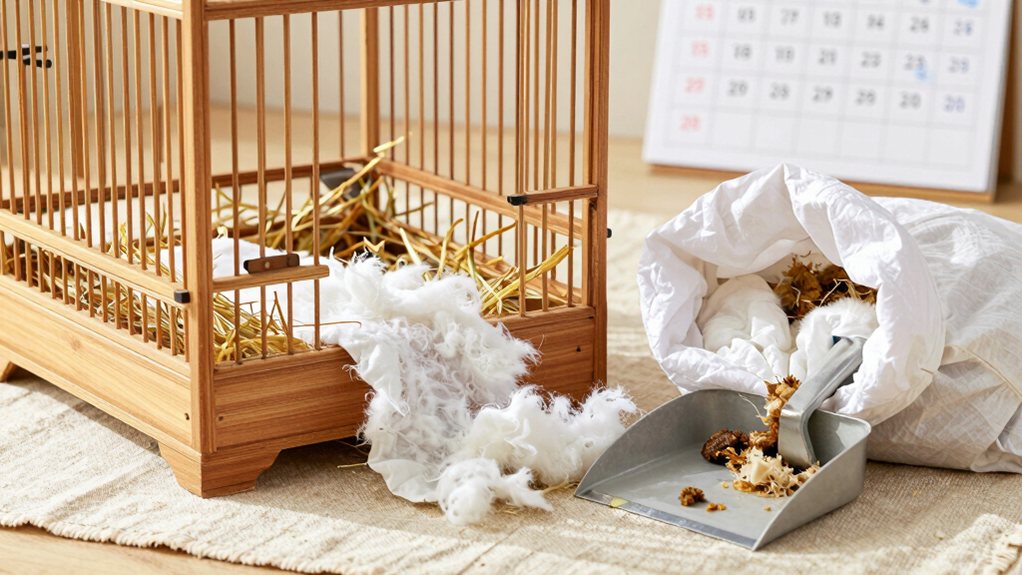
Add extra nesting material, because even tiny retirees love cozy naps.
You’re doing more than changing a cage. You’re upgrading a lifestyle. With a few thoughtful changes, your hamster’s twilight days can be comfy, safe, and full of joy. After all, growing old shouldn’t mean giving up on fun.
Choose 99.9% dust-free bedding to support respiratory health as your hamster ages.
Final Thoughts
You can’t stop time, but you can make every whisker-twitch count. Watch for grayer fur, slower moves, or grumpier moods, your hamster’s telling you something.
Whether your buddy’s a Syrian or a dwarf, age comes with charm and maybe a bit of sass. Adjust their care with love, a softer bed, and gentler handling. They’re more than just getting older. They’re becoming a little legend in their own tiny, adorable way.