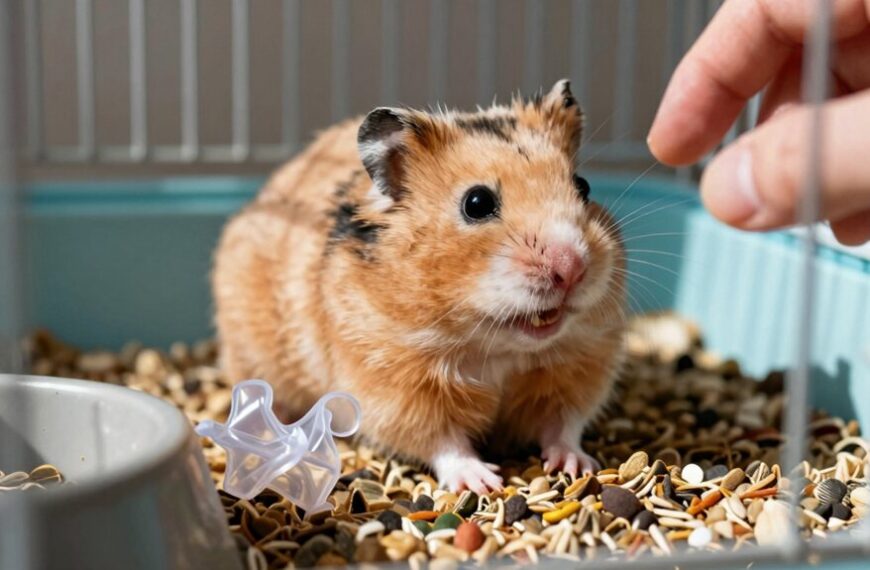
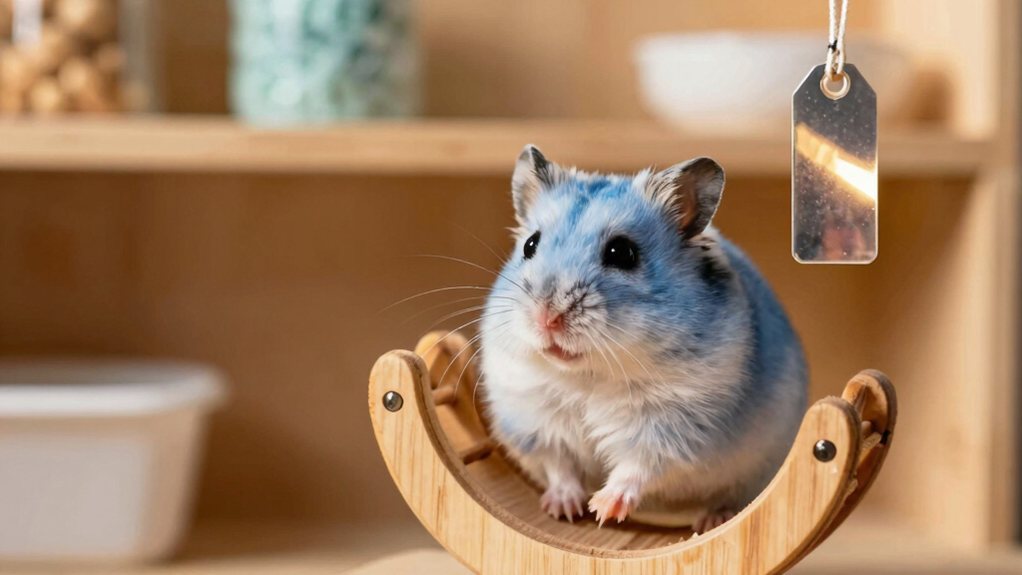
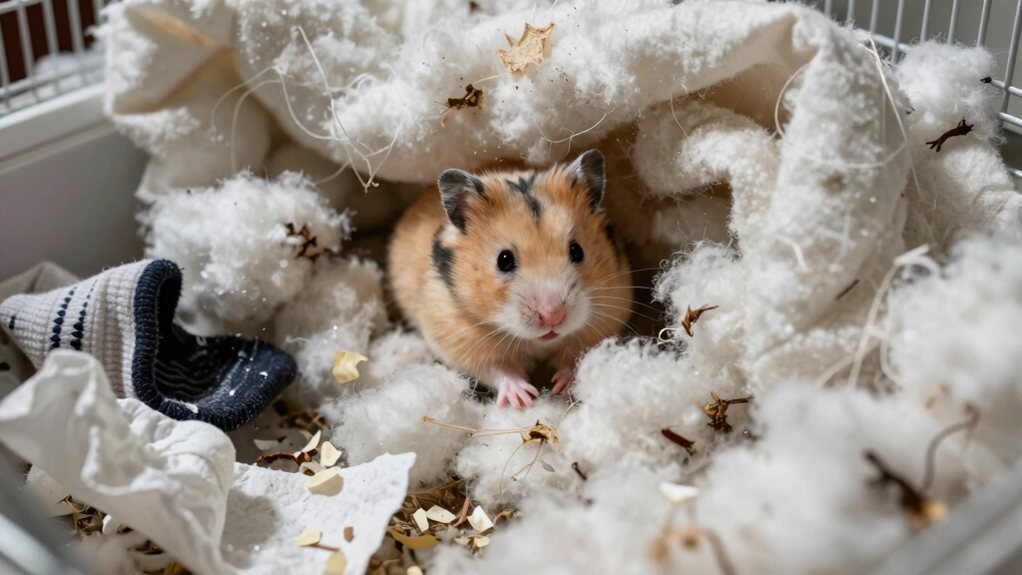
You bond with your Winter White hamster by being calm, consistent, and a little sneaky with snacks. Give them a few days to settle in, then start offering treats like sunflower seeds from your open palm, no grabbing, just patience.
Talk softly, let them sniff your scent, and keep playtime quiet and fun. They’ll go from shy explorer to curious little buddy faster than you can say “cheese.” Stick around, and you’ll see just how sweet this tiny, furry friendship can get.
Learn Your Winter White Hamster’s Behavior
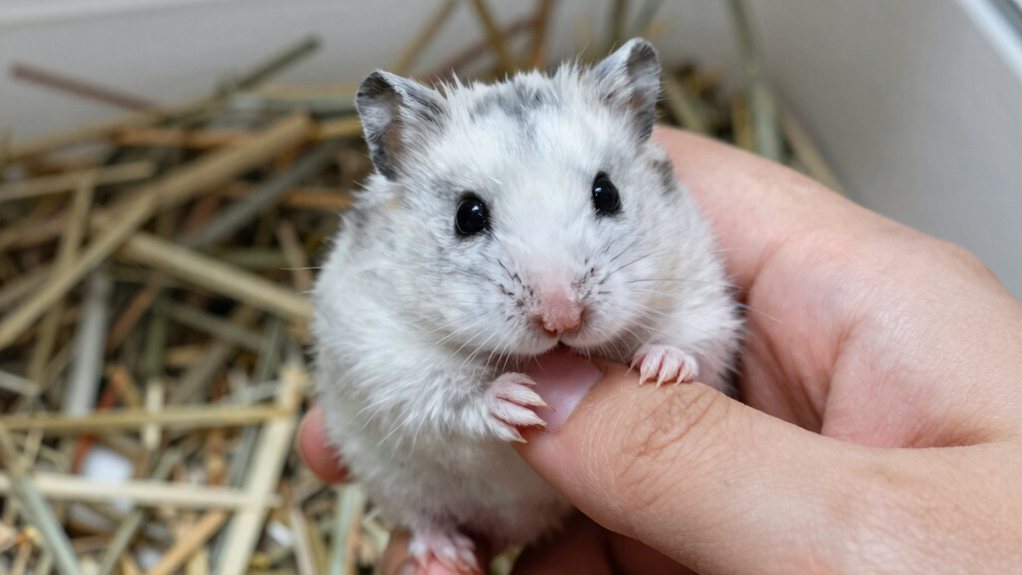
Ever wonder why your Winter White hamster suddenly turns into a tiny, furry ninja at bedtime? That’s because they’re naturally crepuscular, most active at dawn and dusk. Learning their behavior helps you bond better and avoid surprise midnight marathons on their wheel.
Your Winter White hamster isn’t being sneaky—just natural. These crepuscular cuties peak at dawn and dusk, turning bedtime into playtime.
These little guys don’t follow a strict social hierarchy like some animals, so they’re usually happy solo. Still, they appreciate routine and calm interactions.
Watch how they react to sounds, handling, and even seasonal changes. Yes, their fur can turn whiter in winter.
That’s more than a fashion statement, it’s their body responding to light and temperature.
Pay attention to their moods, a relaxed hamster explores and grooms, while a stressed one might freeze or hide.
Trust develops over time with patience, calm presence, and warmth, so consistent human interaction is key to building a strong bond.
Give Your Hamster Time to Settle In
When you first bring your Winter White hamster home, give them a few days to get used to their new surroundings. After all, you wouldn’t want someone poking you on your first day in a strange place.
Keep handling to a minimum at first, and just sit nearby, chatting softly or reading aloud, so they learn your voice without feeling overwhelmed.
Think of it like a first date: you wouldn’t hold hands right away. So let your tiny friend warm up to you at their own pace.
Hamsters are naturally nocturnal animals and may be especially skittish during daylight hours when they’re trying to rest.
Let Them Adjust
What’s the first thing you should do after bringing your new Winter White hamster home? Let them adjust, seriously, hold off on the cuddles for now. Your tiny furball’s probably stressed from the move and just needs quiet time to explore their new digs.
Give them a few days without too much handling so they can sniff around, find their food, and claim their favorite hideout.
Make sure their exercise wheel is squeak-free, nobody likes a midnight squeaky toy!
Once they seem curious and calm, you can start easing into play time.
Keep it short and sweet at first. Talk softly, offer treats, and let them come to you.
Think of it like a first date, awkward at first, but it gets better with patience.
You’re building trust, not winning a race. Slow and steady wins the snuggle game.
Minimize Handling
Why rush the cuddles when your Winter White hamster’s still figuring out which corner’s best for snack storage?
Give your tiny roommate time to settle in.
Minimize handling for the first few days.
They’re not being shy.
They’re just mapping their new world.
Jumping straight into lap time can stress them out, and stressed hamsters aren’t cuddly hamsters.
Instead, focus on calm presence.
Talk softly during bedtime routines.
Offer treats through the bars, and let them sniff your scent.
Try toy rotation to keep their space fun and familiar.
Swap a chew toy or tunnel every few days.
It builds trust without pressure.
You’re not ignoring them.
You’re helping them feel safe.
Think of it as friendship prep.
Soon enough, they’ll be running into your hands instead of away.
Patience, pal.
It’s the real MVP of bonding.
Stay Calm Nearby
You’ve already given your Winter White hamster space to explore, stash snacks, and turn the wheel into their personal spin class.
Now it’s time to become part of their world without stealing the spotlight.
Sit near their hamster habitat quietly, maybe reading or sipping tea, so they get used to your presence.
Don’t reach in or talk loudly—just be calm and still.
This helps your tiny buddy feel safe during winter care, when they might be extra sensitive to changes.
Over days, move closer gradually, letting them notice you’re part of the background, not a threat.
Think of it like being a chill houseguest they can’t ignore.
You’re not asking for cuddles yet—just coexistence.
Staying calm nearby builds trust slowly, and trust is the real MVP in bonding.
Soon, your hamster might peek out when you sit close.
That’s a win.
Patience pays off, one quiet minute at a time.
When you eventually allow out-of-cage time, always ensure supervised playtime to keep your hamster safe and engaged.
Help Them Learn Your Scent and Voice
How do you get your tiny, furry roommate to recognize you as a friend and not a giant, scary intruder? Start by letting your hamster get used to your scent and voice near their hamster habitat. Speak softly every day, especially during their nighttime activity, so they link your voice with calm moments.
Place an unwashed item of clothing nearby, yes, that old T-shirt works, so they sniff out your scent safely. Avoid sudden moves or loud noises, think of it as slow-motion bonding. Talk to them like you’re sharing a secret, “Hey buddy, it’s just me.”
Over time, they’ll perk up when you’re near. It’s not magic, just patience and presence.
Soon, your voice and smell will mean safety, not stress. And that? That’s the sweet sound of trust growing—one whisper and whiff at a time.
Offer Favorite Treats From Your Open Palm
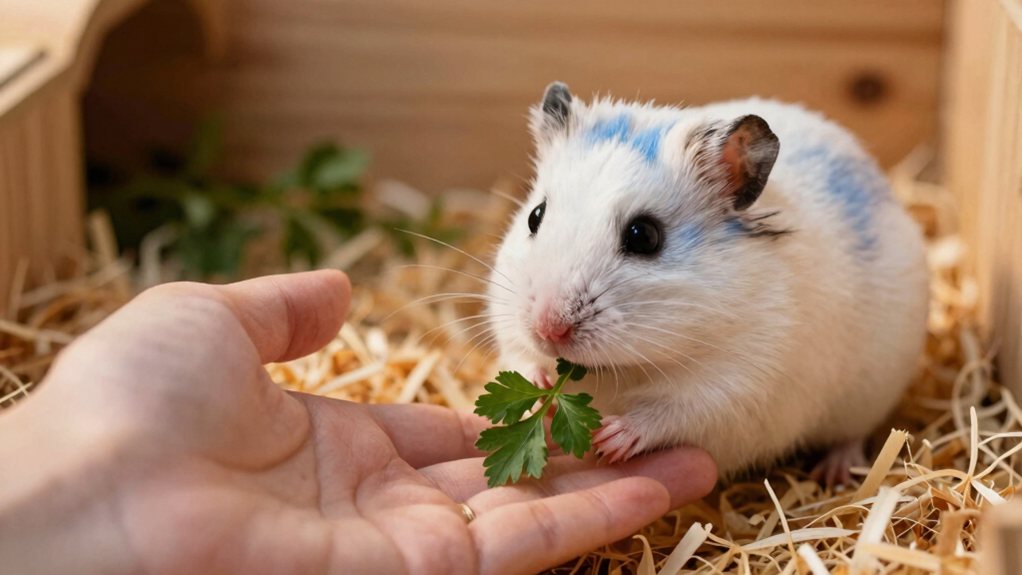
Grab a few of your hamster’s favorite treats, think tiny bits of apple, sunflower seeds, or even a crumb of plain cheerio, and hold them in your open palm.
Let your little buddy sniff around and grab the snack while you stay calm and still.
Turn snack time into a mini trust-building session.
It might take a few tries before they brave your hand, but hey, even tiny food critics need time to warm up!
Favorite Treats To Try
What makes a Winter White hamster’s tiny nose twitch with excitement? Treat time, of course. Offering favorite snacks from your open palm builds trust fast.
Start with sunflower seeds, they’re like hamster candy, but don’t go overboard, or your little buddy might turn into a picky eater.
Apple slices are another hit. Just remember to remove the seeds, they’re toxic, yikes.
Try mixing in small bits of carrot, banana, or plain cooked pasta for variety.
Watch how your hamster grabs the treat and scurries off, probably to stash it in a secret cheek pocket. It’s adorable, really.
These moments create bonds faster than you’d think.
Just keep your hands calm, your voice soft, and your patience full.
Before long, your Winter White won’t just take treats, they’ll come looking for you.
Hand Feeding Tips
Ever wonder why your Winter White hamster freezes when you reach into the cage,
It’s not personal. Your tiny friend just needs time to trust you.
Start hand feeding by offering favorite treats from your open palm.
Sit quietly by the cage, let your hamster notice you, then slowly extend a sunflower seed or bit of apple.
Keep your hands clean. Good hamster hygiene means no scary human scents.
Avoid sudden moves. Think of it as a tiny date, not a snack drop-off.
Over time, your pet will associate your hand with yum, not yikes.
Sprinkle in some cage decoration changes to keep things fun and low-stress.
A calm, predictable space helps your hamster feel safe.
Soon, they’ll scamper onto your hand like it’s their personal snack shuttle.
Patience wins every time.
No rush, just love and maybe a crumb or two.
Building Trust Through Food
How does a tiny nose twitching through the bars turn into a furry little body climbing onto your hand? It starts with trust, and a trail of tasty treats. Offer your Winter White hamster favorite snacks like sunflower seeds or bits of apple from your open palm. Let them come to you; no grabbing. This gentle routine builds comfort faster than you’d think.
Always wash your hands before feeding to avoid confusing your scent with food.
Pair treat time with quiet talk so your voice becomes part of the good experience.
Place a few treats near cage decoration zones to encourage exploration and hamster grooming in safe spots.
Over time, your hand becomes less scary and more snack-worthy. Soon, they’ll climb right in looking for love, maybe a pea. Patience, palm treats, and a cozy cage setup make all the difference. You’ve got this.
Let Your Hamster Take Treats at Their Pace
So, you’re ready to share a little snack with your fluffy winter white hamster, awesome! But don’t rush it. Let your hamster come to you on their own terms. Treat timing matters.
Some might grab and run, others sniff for minutes like they’re judging your snack game. That’s okay. This is a patience practice, not a race.
Hold the treat flat in your palm or use tweezers at first if they’re shy.
Let them explore, nibble, or even ignore you today—tomorrow might be different. Every tiny step counts.
Think of it as slow-mo friendship building, with snacks as the peace offering. You’re doing more than just feeding them; you’re saying, “Hey, I’m safe.”
And honestly? That moment they finally take a seed from your hand? Pure victory.
Keep calm, stay consistent, and let your little furball set the pace.
Spot Stress vs. Calm in Your Hamster
You can tell your hamster’s stressed if they’re hiding more than usual or gnawing at the cage like it’s a bad habit, and that’s totally normal.
Sometimes they just need a minute.
When they’re calm, though, you’ll catch them grooming themselves or chilling out with a snack, looking like tiny furballs of contentment.
Let’s chat about how to spot the difference and make their space feel like a cozy little zen den.
Repetitive bar chewing is a sign of cage rage caused by boredom and lack of mental stimulation.
Signs Of Stress
Ever wonder why your little winter white seems jumpy one minute and totally zen the next? Stress can sneak up on them—even small changes like a new toy or loud noises. Watch for signs like aggressive biting when they’re usually sweet, or excessive grooming that leaves bald patches. These aren’t just quirks, they’re SOS signals.
Sudden aggressive biting, even during gentle handling.
Excessive grooming that leads to thin or missing fur.
Hiding more than usual or freezing in place.
Your hamster’s not being dramatic—they’re communicating! Stay calm, move slowly, and give them space when needed. Think of it like dealing with a grumpy toddler who just wants a snack and a hug.
With patience and love, you’ll both learn the rhythm of relaxation. You’ve got this!
Calm Behavior Cues
What does a truly relaxed hamster look like? When your Winter White is calm, you’ll see soft, even breathing and loose, wiggly movements. Their ears stay forward, not pinned back, and their body isn’t tense or frozen.
You might catch them happily grooming themselves like they’re fresh out of a spa. Look for playful hopping around the cage, tiny bursts of joy that mean they feel safe.
Curious sniffing is another great sign. They’ll nose around toys, tunnels, or even your hand without darting away. That’s your cue they trust you.
A calm hamster might even nap in the open, belly up, dreaming of sunflower seeds. It’s adorable and a big win for bonding.
When you see these behaviors, keep doing what you’re doing, quietly, gently, and with lots of patience. You’re on the right track.
Creating A Peaceful Space
How does your tiny furball feel when the world gets a little too loud? Pretty overwhelmed, just like you’d be.
To help your Winter White hamster feel safe, create a peaceful space they can truly relax in. Start with cozy bedding, soft, dust-free materials like paper-based or aspen shavings. These make a big difference.
Swap bright lights for silent lighting, like a dim nightlight across the room, so your hamster isn’t startled. Keep their habitat in a quiet corner, away from TVs and foot traffic.
To spot calm vs. stress, watch for:
- Relaxed grooming (calm)
- Hiding or freezing (stressed)
- Gentle exploring (calm)
A peaceful space means a happier, more trusting buddy. You’ve got this!
Maintaining proper environmental conditions is key, so consider using a digital hygrometer thermometer to monitor your hamster’s habitat, ensuring temperature and humidity stay within the ideal humidity range.
Set a Predictable Daily Routine

Most days, your Winter White hamster will greet you with the same curious sniff or cheeky stretch, and that’s a good sign. He’s starting to trust the rhythm of life with you.
Setting a predictable daily routine helps him feel safe and understood. Stick to a consistent feeding schedule, like offering food right after school or before bed. Hamsters love knowing when snacks are coming. It builds trust and cuts down on nervous nibbling.
A steady routine means a happy hamster. Feed him at the same time each day—trust grows with every predictable snack.
You’ll also notice his little play patterns, like sprinting on his wheel at 9 p.m. sharp or burrowing at dawn. Match your interaction times to his natural energy bursts. A little chat or gentle hand offering each morning tells him you’re part of his world.
Routine isn’t boring. It’s comfort. And when he yawns in your palm, that’s hamster bliss.
Start Gentle Handling When They’re Ready
- Let your hamster come to you first
- Scoop with both hands to feel secure
- Keep sessions short and sweet
You’re building friendship, not winning a race. He might freeze or wiggle. Totally normal!
Stay calm, talk softly, and laugh if he tries to escape up your sleeve.
With gentle patience, you’ll go from strangers to snuggle buddies in no time.
Create a Quiet Bonding Space
Ever tried having a heart-to-heart with your hamster while the dog barks, the baby shrieks, and the vacuum roars to life? Yeah, not exactly the calm chat either of you signed up for. To really bond, you’ve got to create a quiet corner where your little furball feels safe and stress-free.
Pick a calm spot away from foot traffic and loud noises, think a peaceful nook, not the living room chaos. Place their hamster habitat there, keeping it cozy and familiar.
This quiet corner becomes your shared sanctuary, a place where trust grows one gentle moment at a time.
Turn off loud gadgets, speak softly, and let your presence be a calm hum, not a jarring noise.
Your hamster’ll relax faster, peek out more, and maybe even nap in your hand. Peace isn’t just nice—it’s necessary. Quiet wins every time.
Strengthen Bonds With Play and Exploration
Now that your hamster’s got a peaceful spot to call home, it’s time to step into the fun part, playing together and exploring the world beyond the cage.
Playtime adventures aren’t just fun. They’re key to building trust and keeping your tiny buddy happy.
Playtime isn’t just play—it’s how trust grows and tiny hearts stay happy. Every adventure together is a step closer to friendship.
Try setting up simple exploration games like tunnels, cardboard castles, or even a hamster-safe obstacle course.
You’ll both laugh. Okay, you’ll laugh—your hamster will squeak with joy.
- Let your hamster lead the way during playtime adventures
- Use treats to encourage curiosity in exploration games
- Stay calm and patient—even if your hamster ignores you for a snack
These moments strengthen your bond and give your little explorer confidence.
Just remember: short, sweet, and full of giggles. Before you know it, your Winter White will be racing toward you, not away.
A safe and spacious environment enhances engagement, so consider using a pop-up automatic setup playpen for hassle-free exploration.
Final Thoughts
You’ve got this! Bonding with your winter white hamster takes patience, but it’s totally worth it. Soon, they’ll know your voice, love your scent, and maybe even nap in your palm.
Keep it calm, stay consistent, and don’t rush. Tiny paws need time to trust. Before you know it, your little furball will be running to you, not away.
And honestly? That’s one cute victory.