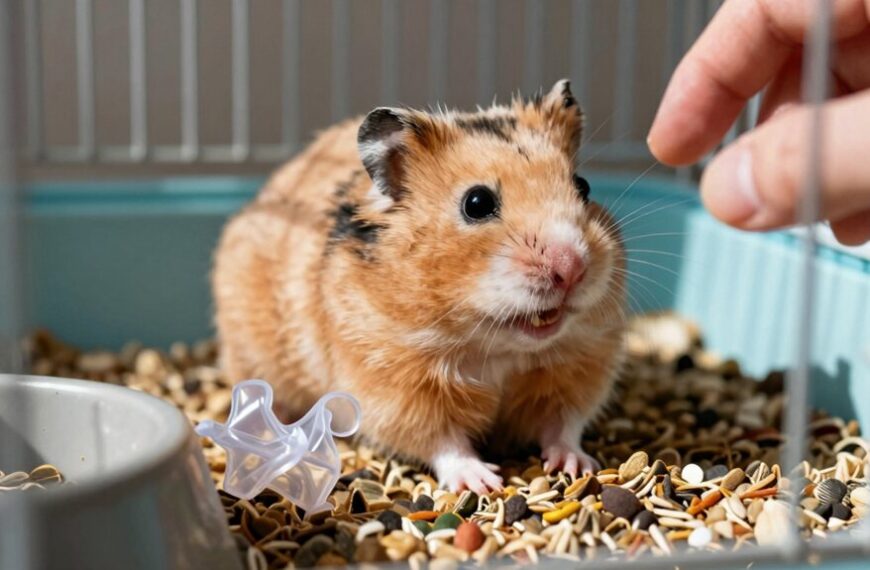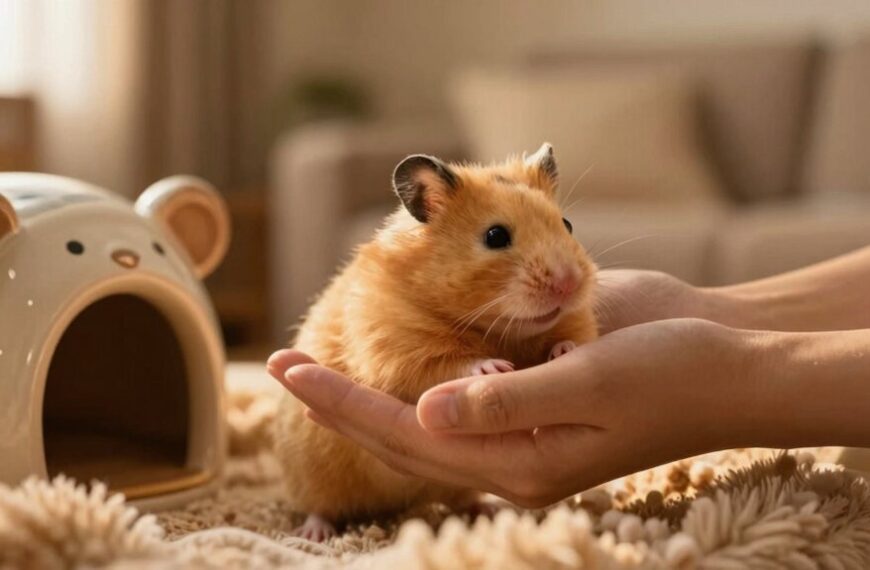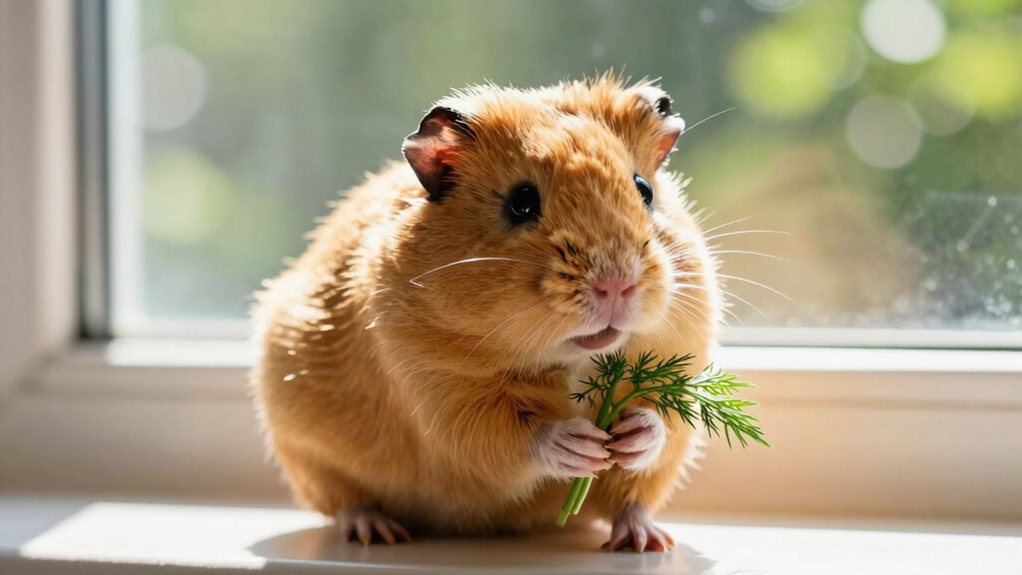
You’ll find the friendliest dwarf hamster in the Campbell’s Russian Dwarf, they’re bold, curious, and often hop right onto your hand. While Winter Whites are shyer and Roborovskis zoom away like tiny escape artists, Campbell’s tend to bond faster and enjoy snacking from your palm.
With gentle handling and daily treats, any dwarf can warm up, but Campbell’s usually take the friendship crown. Stick around, and you’ll pick up tips to win your little furball’s heart.
Which Dwarf Hamster Is the Friendliest?

So, which dwarf hamster actually wants to be your best friend? Well, it depends on their personality, but Campbell’s Russian dwarfs often take the crown for friendliness. With a little patience and gentle handling, they tend to bond closely with you.
Their hamster genetics play a big role: some are naturally more social than others.
Still, don’t forget habitat preferences. A cozy, quiet space with plenty of hiding spots makes any dwarf hamster feel safe and more open to cuddle time.
Winter whites can be sweet too, but they might be a bit shyer at first. Think of it like making a new buddy at school: some wave hello right away, others need a few days.
Pay attention, respect their tiny boundaries, and you’ll win them over. You’ve got this!
Are Russian Dwarf Hamsters Truly the Most Friendly?
Hmm, is the Russian dwarf hamster really the most friendly of the bunch, or are we just charmed by their bold little personalities? You might think their feisty energy means they’re super social, but honestly, they’re a bit more independent than other dwarfs.
Russian dwarf hamsters may seem bold and friendly, but don’t be fooled—those feisty vibes often mask a fiercely independent spirit, more curious than cuddly.
While they can bond with you, they’re not always in the mood for cuddles, kind of like a moody teenager with fur.
Their habitat preferences lean toward cozy, enclosed spaces where they feel safe, so give them plenty of hideouts. As for dietary habits, they love snacks just as much as attention—seeds, veggies, the occasional treat.
But don’t let their cheeky charm fool you, friendliness varies from hamster to hamster.
Campbell’s Vs. Winter White: Which Is Friendlier?
You’ve probably noticed Campbell’s hamsters are feisty little characters, often zipping around when you try to pick them up.
Winter Whites, on the other hand, tend to stay calmer and might even nap in your palm if you’re gentle.
Campbell’s Temperament Overview
What makes one tiny hamster seem like your new best friend while another acts like it’s mad at the world? When it comes to Campbell’s dwarfs, you’re in for a lively little pal with some fun quirks.
They’re nocturnal, so don’t expect cuddles at noon. Your hamster’s probably dreaming of burrowing tunnels under your bed.
Speaking of which, their burrowing behavior is top-tier. Give them bedding, and they’ll go full architect on you.
But here’s what really shapes their friendliness:
- Social from the start – Handle them young and often.
- Curious minds – They’ll explore your hand like it’s a new jungle gym.
- Moody moments – Some days they’ll snuggle, others they’ll side-eye you.
- Love routine – Feed and play at the same time, and they’ll trust you faster.
Patience wins every time.
Winter White Social Behavior
Ever wonder why your Winter White hamster sometimes acts like a shy shadow one day and a curious little explorer the next? That’s just part of their charm.
These tiny fluffballs are known for being a bit more reserved than Campbell’s, but don’t let that fool you. They can still bond with you over time.
Winter Whites have unique hibernation patterns, so if yours seems extra sleepy in colder months, it might be trying to snooze like it would in the wild. Keep their space warm and cozy to prevent this.
They also go through seasonal coat changes, turning from dark gray to snowy white in winter: nature’s cool disguise.
While they mightn’t be as instantly cuddly as Campbell’s, with patience and gentle handling, your Winter White can become a sweet, quiet companion.
Think of them as the introverted poet of the dwarf hamster world, shy, but full of heart.
Comparing Handling Reactions
So, which little furball wins the friendliness crown: the bubbly Campbell’s or the bashful Winter White?
Let’s break it down when you reach into their cage.
- Campbell’s usually perk up fast, sniffing your hand like it’s snack time, thanks to their bold, curious streak.
- Winter Whites might freeze or scoot away, playing shy despite their sweet nature, nocturnal behavior makes them extra cautious when startled.
- Campbell’s adapt quicker to handling, especially with a spacious setup, bigger cage size preferences mean they’re happier and calmer.
- Winter Whites warm up slower, but gentle, regular contact helps them trust you.
Both are tiny charmers, but if instant cuddles are your goal, Campbell’s often take the lead.
Still, patience with a Winter White? Totally worth it.
You’re more than just picking a pet.
You’re making a tiny, furry friend.
Why Roborovski Hamsters Aren’t the Friendliest

You might think tiny Roborovskis would be cuddly little pals, but their speed and shyness can catch you off guard.
They’re so quick they’ll zip through your fingers like tiny furry escape artists, and they often prefer watching you from a distance instead of snuggling up.
Honestly, they’re more “look, don’t touch” roommates than the cuddly buddies you might hope for.
Tiny And Swift
That tiny blur zipping across the floor? Yep, that’s your Roborovski hamster, and they’re built for speed. While they’re adorable, their energy and size make them tricky to bond with.
Their nocturnal habits mean they’re most active when you’re winding down. Their natural burrowing behavior keeps them hidden or on the move.
You’ll rarely catch them still long enough for cuddles. Here’s why they’re not the friendliest dwarf hamsters:
- Lightning-fast, nearly impossible to catch
- Easily stressed by handling due to their size
- Prefer exploring over snuggling
- Shy by nature, especially around sudden movements
They’re fun to watch, like tiny athletes in a hamster Olympics, but don’t expect lap time. If you want a cuddly companion, you might want to look elsewhere.
Still, their playful spirit? Absolutely charming.
Building trust with a Roborovski takes extra patience and relies heavily on consistent, calm presence to help them gradually feel secure.
Shy By Nature
Why do Roborovski hamsters seem to vanish every time you reach into their cage? It’s not magic, they’re just shy by nature.
These tiny speedsters rely on their nocturnal habits to stay active when you’re winding down, so you rarely catch them at their most social.
Even during dawn or dusk, their solitary instincts kick in, making them quick to dart away.
You might offer a treat, and they’ll pause, just long enough to eye you suspiciously before zipping off.
It’s not that they dislike you, they’re just wired to be cautious.
Think of them as the introverts of the hamster world, preferring peace over pets.
With patience, you might earn a nibble from your hand, but don’t expect cuddles.
They’re more “watch me from afar” than “snuggle buddy.”
Still, their skittish charm is part of the fun, like living with a pocket-sized ninja.
Can You Make Any Dwarf Hamster Friendly?

Ever wonder if even the shiest dwarf hamster can learn to enjoy your company? Absolutely—you can make any dwarf hamster friendlier, no matter their genetic predisposition.
While some are naturally bolder, every hamster responds well to patience and environmental enrichment.
You’ve got the power to build trust and create a bond that turns squeaks into snuggles. Here’s how:
- Spend time near their cage daily. Let them get used to your voice and scent.
- Offer treats from your hand. Think sunflower seeds or tiny bits of apple.
- Handle them gently and briefly at first. Increase time slowly.
- Create a fun, stimulating space with tunnels, chew toys, and wheels.
It’s not magic—just love, consistency, and a little hamster-sized understanding.
Before you know it, your tiny buddy might just run into your palm on command.
Supervised playtime outside the cage provides essential mental and physical stimulation, helping your hamster grow more confident and comfortable in your presence through safe out-of-cage time.
Does Handling Make a Dwarf Hamster Friendlier?
You can actually make your dwarf hamster way friendlier just by handling them gently and often, think of it like building trust with a shy coworker who really loves snacks.
When you pick them up regularly, they start to chill out and realize you’re not a threat, just a weird, giant hand with good intentions.
Start young, keep it calm, and soon you’ll have a tiny buddy who doesn’t bolt for the nearest hidey-hole every time you reach in.
A key part of this process is allowing your hamster to sniff your hand first, which supports positive habit formation and helps prevent accidental nips caused by fear or mistaken food signals.
Gentle Touch Builds Trust
While your dwarf hamster might start off skittish, a little gentle handling goes a long way in turning tiny squeaks into sweet snuggles.
Thanks to their playful behavior and nocturnal habits, these little pals are full of surprises. Just wait until midnight acrobat mode kicks in!
But trust? That’s earned, not given. Here’s how gentle touch helps:
- Start with short sessions—just a few minutes keeps stress low.
- Let your hamster sniff your hand first; curiosity builds confidence.
- Cup your palms softly—no sudden moves, unless you want a tiny escape artist.
- Offer a treat during handling to link touch with tasty wins.
Over time, your hamster will look forward to your presence, not flee from it.
You’re more than just a giant to them. You’re becoming a safe space.
With patience and a soft touch, those nighttime zoomies might just end with a cozy nap in your palm.
Regular Handling Reduces Fear
Spending quiet moments bonding with your dwarf hamster can feel like a slow dance. Step by step, you both learn the rhythm.
Handling your hamster regularly helps reduce fear, especially since their nocturnal behavior means they’re just waking up when you come home.
Gently scoop them during their active hours, letting them sniff and explore your hand.
Over time, they’ll start to trust you instead of darting back to their cozy hideout in the cage setup.
Think of it like making a new friend. Consistency matters.
You wouldn’t expect to click with someone after one awkward chat, right? Same goes for your tiny pal.
With patience, those skittish hops turn into calm cuddles. It’s not magic. Just love and routine.
So keep at it, even if they play hard to get.
Soon, they’ll greet you like, “Oh, it’s *you* again? Cool.”
Early Interaction Encourages Bonding
Could early snuggles really be the secret to a super-friendly dwarf hamster? You bet! Early interaction plays a huge role in building trust and friendship.
The bonding benefits kick in fast when you start handling your tiny pal soon after bringing them home.
Here’s how to make the most of it:
- Start gently, just a few minutes daily builds confidence.
- Offer treats from your hand to create positive associations.
- Speak softly so your hamster learns your voice is safe.
- Be patient. Some take days, others weeks, and that’s okay!
You’re more than simply taming them. You’re becoming their favorite person.
Think of it like making a new buddy in school: first it’s awkward, then suddenly you’re inseparable.
With early interaction, your dwarf hamster won’t merely tolerate you. They’ll actually look forward to your company.
And honestly, what’s cuter than a hamster running toward you instead of hiding?
A calm environment helps reinforce this trust, as sudden movements can trigger their instinct to dart away when hands enter the cage.
5 Signs Your Dwarf Hamster Likes You
How can you tell your tiny furball actually enjoys your company? Well, if your dwarf hamster runs to you during playtime instead of hiding, that’s a great sign.
If they’ve got strong playtime preferences, like zooming through tunnels you set up or snuggling in the cozy hideout you picked, they’re showing trust.
Notice how they interact with cage decorations? When they climb on your handmade bridges or nap in the little house you placed just right, it means they feel safe.
You might even catch them grooming near you or gently sniffing your hand. These little moments? They’re their way of saying, “Hey, you’re okay by me.”
Sure, they won’t throw a party, but a happy hamster is a friendly one.
How to Tame Your Dwarf Hamster in 5 Gentle Steps
Patience, a sprinkle of treats, and a calm hand, those are your golden tickets to winning over your dwarf hamster.
Taming your tiny friend doesn’t happen overnight, but with consistency and kindness, you’ll build trust in no time.
Here’s how:
- Let them adjust – Wait a few days before handling so they feel safe in their new home.
- Hand-feed treats – Use small snacks during feeding routines to create positive associations.
- Talk softly – Your voice is comforting; chat while changing cage decorations or adding bedding.
- Gentle scooping – Once they’re comfy, slowly cup your hands to lift them, no sudden moves!
You’ll know it’s working when they climb onto your hand willingly.
It’s like earning a VIP pass to their tiny heart.
Stick with it, and soon your dwarf hamster will be cozying up to you like a furry little buddy.
Pick the Right Dwarf Hamster for You
So, what’s the secret to finding your perfect pint-sized pal? It starts with knowing which dwarf hamster suits your lifestyle. While all dwarf hamsters can be sweet, some are naturally more social than others. Think about your daily routine—do you have time for gentle handling and play?
A friendly hamster needs patience and consistency. Don’t forget the basics: a proper dwarf hamster diet keeps them happy and healthy, so skip the junk and stick to quality pellets, fresh veggies, and occasional treats.
Also, check cage size requirements—bigger is always better. A cramped space stresses them out, and a stressed hamster isn’t a cuddly one.
Pick a curious, active little guy with bright eyes, and you’re already on the right track. You’ll both be grinning—well, you will. They’ll just stash food in their cheeks.
Why Friendly Personalities Vary: Even in the Same Species
You’ve picked your dwarf hamster with care, checked the cage size, stocked up on healthy snacks, and even named your little ball of fluff. Now you’re ready for snuggles, right? Well, not so fast.
Even hamsters of the same species can have wildly different personalities, and here’s why:
Even hamsters from the same litter can differ wildly—one bold and busy, the other shy and watchful—thanks to genetics, early handling, and how you bond day by day.
Genetic predisposition plays a big role. Some are born extra curious, others more shy.
Early handling matters. Hamsters gently touched as pups tend to be friendlier.
Environmental enrichment, like tunnels and toys, builds confidence and reduces stress.
Your daily routine—talking softly, offering treats—shapes trust over time.
Final Thoughts
So, you’ve met the tiny contenders. Now you know friendliness isn’t one-size-fits-all.
Sure, Campbell’s might warm up faster, but even a shy Robo can surprise you with trust. It’s all about patience, treats, and reading their little moods.
Think of it like making a new friend at school. Some hug you on day one, others need time. Either way, you’ve got this. Tiny paws, big love.