Search The Query
Welcome to your friendly guide to the hamster world—where you can discover what makes this tiny small animal such a wonderful hamsters breed pet, how hamsters live, and what you need to know about hamster care and keeping hamsters as pets. Whether you are choosing your first pet hamster or you are curious about the characteristic of hamsters in the wild, this website will help you understand every hamster detail you need to feel confident about your new pet.

Only under watchful eyes should hamsters roam free—discover the…

Little do you know, your hamster’s bathroom habits reveal…

They thrive in darkness—so why risk disrupting their natural…

Some foods you love could silently harm your hamster—discover…

No scent is safe—discover the surprising smells that could…

Only if you ignore the smell—discover the surprising risks…

Best bottles prevent leaks, chewing, and dirty water—but one…

Keeping your hamster calm isn’t just about quiet—know what…
A hamster is typically a gentle, curious rodent that fits perfectly into many homes as a first new pet for families, adults, and older children. These animals are commonly kept as pets because they are small, relatively easy to look after, and full of personality. When kept as a pet, a hamster needs more than a simple box: they need space to dig, a secure cage, a cozy cage with warm hamsters breed nesting areas, and safe places to explore. To give your hamster the best start, you will want to give your hamster room to run, toys to chew, and a layout that reflects how hamsters live in their natural habitat.
Although hamsters are popular pets, they still keep many natural instincts from the wild. Hamsters are nocturnal by nature, and hamsters are nocturnal, which means they are most active at night and sleep for long stretches during the day. Because hamsters tend to wake up when the house is quiet, you will notice your hamster running on the wheel or exploring the cage after dark. Understanding this basic characteristic of hamsters will help you respect their natural rhythm and avoid waking them too often when they are resting.
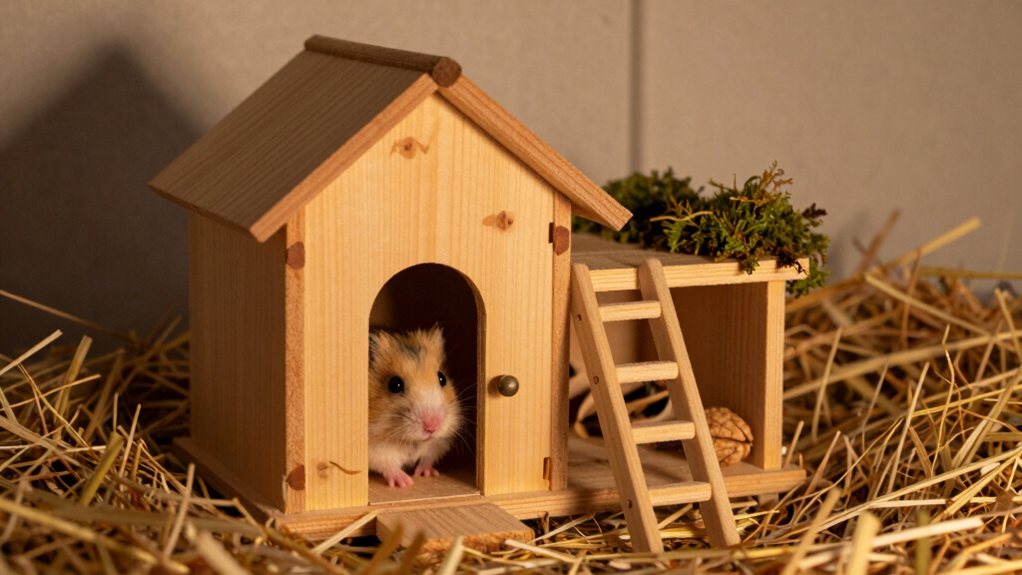
Good hamster care starts with a safe, spacious home. A wire cage or secure enclosure with deep bedding allows your hamster to dig and burrow, because hamsters are excellent diggers and hamsters love their specific hamsters breed to tunnel and rearrange their environment. Many hamsters use shredded paper or soft bedding to build nests where they feel hidden and safe. A quality setup will have tunnels, hides, and chew toys, since hamsters need enrichment to stay mentally active.
In the wild, a hamster is an omnivore, and hamsters are omnivores when living with us as well, so their food should include a balanced pellet mix, seeds in moderation, and small amounts of fresh vegetables. Another key characteristic of hamsters is how they store food like a typical hamsters breed: they have expandable cheek pouches that they fill and empty in their nests for later eating, a natural form of food storage. Because hamsters also like to forage and explore their surroundings, scattering some food around the enclosure encourages natural behavior. With thoughtful hamster nutrition and daily spot cleaning of the cage, your hamster will stay healthy and active throughout its lifespan.

A happy hamster shows it through consistent, recognizable behaviors – here’s what to actually look for.
There are many varieties of hamsters, and hamsters include several well‑known kinds that are commonly kept in homes with various hamsters breed. Among the best‑known is the Syrian hamster, often called the golden hamster or golden or syrian, which is one of the most popular choices as a pet. A Syrian hamster is usually larger than a dwarf hamster, easier to handle, and often recommended as one hamster per cage, because hamsters together of this size can become territorial as they mature. This is a hamsters breed hamster species that many people recognize immediately because of its soft fur and expressive face.
Smaller hamster species include the dwarf hamster groups, such as the roborovski and roborovski dwarf hamster, the russian dwarf, and winter white hamsters, often just called winter white. These compact hamsters breed domesticated hamsters are very quick and fun to watch, and they can be great pets for people who enjoy observing active animals. Roborovski hamsters especially are known for their speed and constant motion, qualities that make them fascinating but a bit harder to handle. However, with patience and gentle routine, a dwarf hamster can become a rewarding pet companion.
While we see the hamster mainly as a cuddly pet, there is also the wild hamster to consider. There are at least 15 species of wild hamsters that live across different regions, and wild hamsters are mostly found in parts of the world where hamsters breed central and eastern europe, Asia, and nearby areas. A well‑known common hamster in the wild is the european hamster, a larger hamster that can live in the wild in open fields and farmlands. Hamsters are native to dry, open habitats where they forage at night, hide from predators, and dig extensive burrow systems.
In their natural habitat, wild hamsters are mostly solitary and often dig deep tunnels with multiple chambers. These underground homes provide protection and space for food storage and raising a litter of babies during the breeding season. Even domesticated hamsters still follow some of these instincts, which is why hamsters love to hide food, chew, and tunnel in their bedding. By understanding how hamsters that live in nature behave, you can recreate some of these comforts for your pet at home.
Because hamsters typically sleep during the day and play at night, you may notice that they run on wheels and explore when the lights are low. Hamsters are often shy at first, but gentle handling and calm voices help them relax. Over time, hamsters make strong associations with their owners, especially when you give your hamster treats during regular visits. Many families find that hamsters are popular pets precisely because these animals are active, entertaining, and relatively easy to house in a properly designed cage.
From a behavior perspective, a hamster is typically a quiet, curious hamsters breed small animal that enjoys a predictable routine. Hamsters tend to explore new objects in their environment cautiously, sniffing and nibbling as they learn. Some people notice differences between male hamsters and a female hamster in temperament, but each hamster has its own personality. With patience, these animals become great pets and truly good pets for people who respect their need for sleep, space, and gentle interaction.
Understanding a few biological facts will help you provide better hamster care. In the wild, hamsters live in complex tunnels where they burrow and create separate chambers for sleeping, raising a litter, and food storage. Even in a home cage, they will still store food in their nests, using their cheek pouches to move seeds and treats around. This one instinct alone is a key trait of the hamsters breed characteristic of hamsters that you will see almost every day.
Another interesting point is that hamsters are nocturnal, and because hamsters are nocturnal by nature, setting up a quiet daytime environment is essential. Hamsters can also be sensitive to sudden changes in light or rough handling when they are sleeping. Ensuring a stable routine means your hamster will be more relaxed when awake and more confident exploring new toys. When you consider all of these traits together, it is easy to see why hamsters are often chosen as starter pets and why so many people enjoy sharing their homes with a hamster.
When it comes to the species of hamster you may meet in a hamsters breed pet store, several are especially commonly kept and commonly kept as pets. Beyond the familiar Syrian hamster, you will often see the tiny roborovski dwarf hamster, the agile russian dwarf, or the adaptable winter white hamsters. Some people also refer to a long‑haired Syrian as a bear hamster, a nickname inspired by its plush coat. Each hamster type has unique needs, but all require space, bedding, and enrichment.
Other less common but fascinating kinds include the chinese hamster, which has a longer tail and a leaner body, and the hamsters breed european hamster, more often observed in natural settings than as a pet. Together, these and other hamster species form the diverse group that pet owners around the world enjoy. When you read about a species of hamster or consider different varieties of hamsters, focus on size, temperament, and housing requirements. Matching the right hamster to your lifestyle is one of the most important things to know about keeping hamsters successfully.
A well‑designed home is essential for every hamster. Many new owners start with a basic wire cage, but upgrading to a spacious setup with deep bedding and multiple levels can make a big difference. A cage with warm nesting spots, hideouts, and running wheels lets your hamster act much as hamsters that live underground would. Since hamsters need to burrow, chew, and climb, providing tunnels, chew blocks, and platforms will keep them busy and content.
Because hamsters love to move around at night, safe wheels and plenty of floor space are crucial. Remember that a single hamster can still use a large enclosure; in fact, one hamster in a roomy, enriched environment will often be happier and less stressed than multiple hamsters together in a cramped space. When planning housing for any hamster, from a Syrian to a dwarf, think in terms of floor space, bedding depth, and opportunities for natural behavior. Designing the right cage is one of the most effective ways to keep these great pets healthy and confident hamsters breed.
With their curious nature, soft fur, and manageable size, hamsters make excellent companions for people who want a low‑maintenance but engaging hamsters breed pet. They are active, fun to observe, and full of quirky habits like stuffing their cheek pouches and rearranging their nests. Hamsters are popular pets not only because they fit easily into smaller homes, but also because they can form quiet bonds with patient owners. For families willing to learn about how hamsters live, the rewards are significant.
In the broader animal world, hamsters include a surprisingly wide range of types, from the small hamsters breed dwarf groups to the larger golden or syrian. No matter which hamster you choose, you will see that hamsters typically thrive when given proper space, enrichment, and respect for their nocturnal schedule. With this foundation in mind, keeping hamsters as pets becomes a joyful experience. By understanding their natural instincts, unique traits, and housing needs, you will see why hamsters are often described as great pets that bring quiet joy to homes everywhere.

A happy hamster shows it through consistent, recognizable behaviors – here’s what to actually look for.

Little treats can be lethal—discover the shocking foods you must never feed your dwarf hamster.

A hamster staring at you isn’t random – it usually means one of a few specific things, and…

I never expected everyday items like apple seeds or scented candles could be fatal—discover what else hides danger…
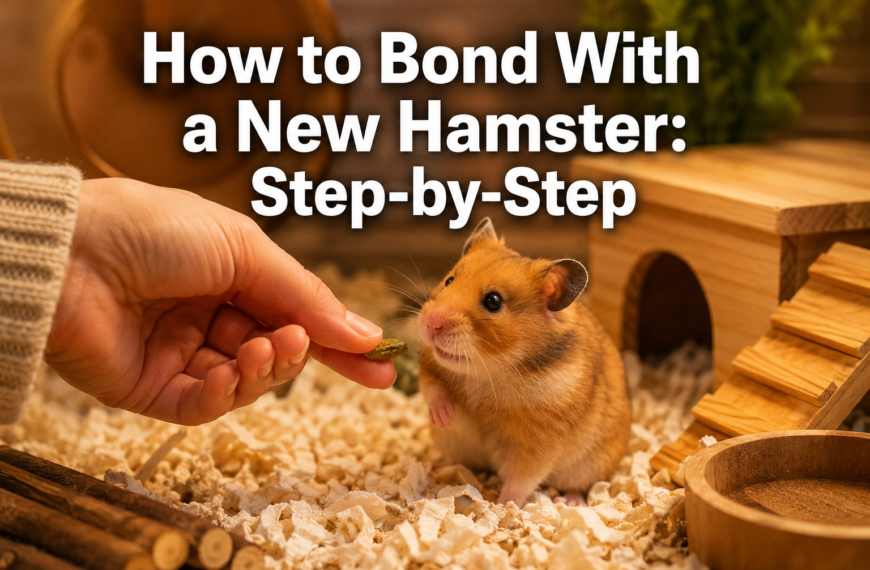
Bonding with a new hamster works best as a patient, step-by-step process rather than rushing straight to handling…

Only under watchful eyes should hamsters roam free—discover the hidden risks and…