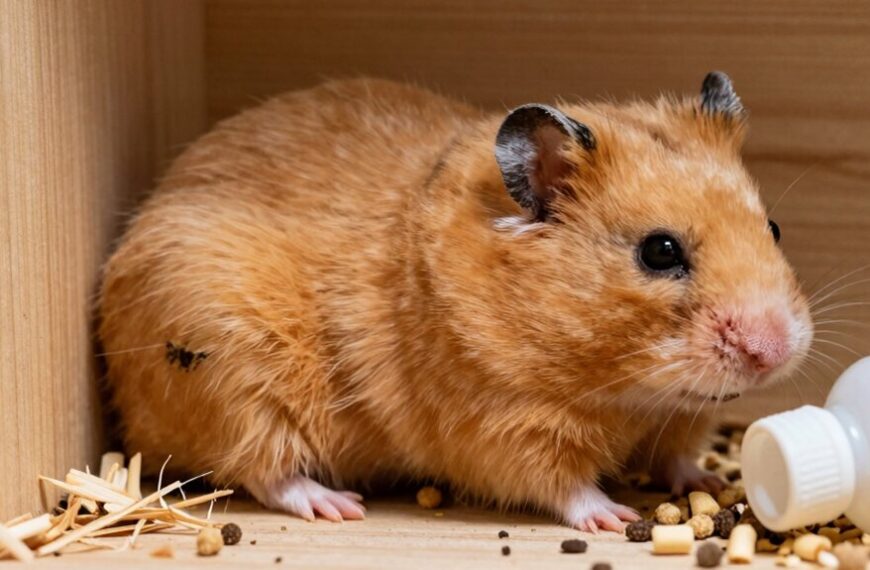
Your hamster’s urine isn’t usually dangerous, but it can irritate your eyes and lungs if the cage gets stinky. It might carry germs like Salmonella or Leptospira, though that’s rare and usually tied to poor cleaning.
The real issue is ammonia buildup from old pee, which can make your nose burn or trigger allergies, especially if you’re pregnant, have asthma, or a weak immune system. Clean the cage weekly with pet-safe products, and you’ll stay safe and smell better too. There’s more good stuff coming your way.
Can Hamster Urine Make You Sick?
So, should you panic every time your hamster does a little bathroom break in the corner of its cage? Nope, take a deep breath—you’re probably just fine.
No need to panic when your hamster uses the corner as a bathroom—deep breaths, it’s totally normal and you’re going to be just fine.
Hamster urine isn’t typically harmful to humans, but it’s smart to stay aware. While the odor detection might make you wrinkle your nose, we get it, it’s not exactly perfume. It usually isn’t dangerous.
Still, some people might experience allergic reactions, especially if they’re sensitive or spend lots of time cleaning cages without gloves. Symptoms could include itchy eyes or a runny nose. Nothing serious for most, but worth noting.
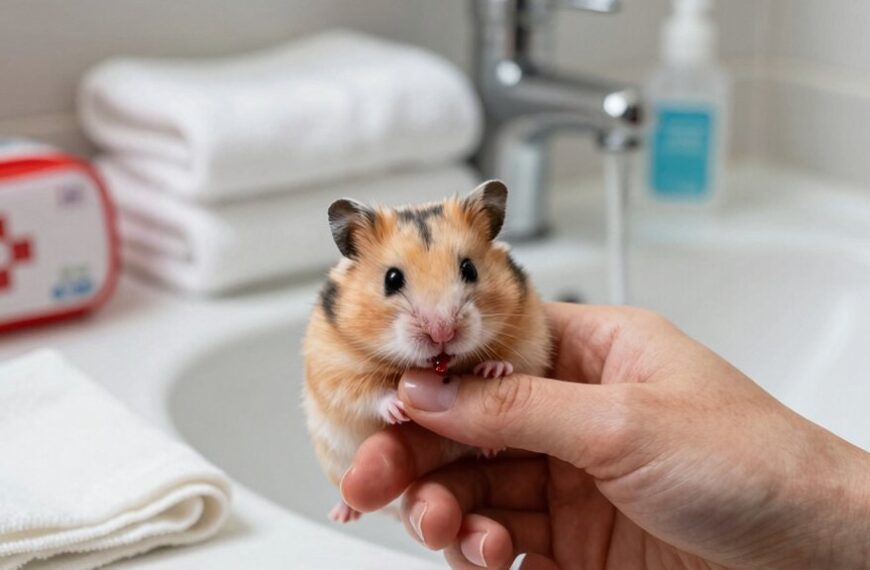
The key? Keep the cage clean and wash your hands after handling your tiny roommate.
Think of it like pet hygiene 101. You wouldn’t eat a sandwich after petting a dog, right? Same idea. Stay smart, stay clean, and keep enjoying those adorable little squeaks.

"FAST-ACTING FORMULA: Our natural enzyme cleaner formula is incredibly fast acting and does not leave behind greasy, sticky, or filmy residue like other cleaners or soaps. Once this cage-cleaning formula has been applied and rinsed, your pets’ habitat can be wiped down, so it will be stain-free and smelling fresh in no time. "

For Daily Hamster Cage Messes Between Deep Cleanings: Hamster habitats can quickly collect food residue, bedding scatter, droppings, and everyday buildup. These hamster cage cleaning wipes are designed for routine spot cleaning to help keep cages, feeding areas, and living spaces cleaner between full habitat cleanings

"FAST-ACTING FORMULA: Our natural enzyme cleaner formula is incredibly fast acting and does not leave behind greasy, sticky, or filmy residue like other cleaners or soaps. Once this cage-cleaning formula has been applied and rinsed, your pets’ habitat can be wiped down, so it will be stain-free and smelling fresh in no time. "
What Germs Are in Hamster Urine?
Ever wonder what’s really lurking in that tiny puddle your hamster left behind? While hamster urine isn’t usually dangerous, it can carry germs that lead to bacterial transmission or even zoonotic diseases, illnesses that jump from pets to people.
The good news is that risks are low with proper hygiene. Still, it’s smart to know what you’re dealing with.
- Salmonella: Rare but possible, especially if your hamster’s environment isn’t clean
- Leptospira bacteria: Can cause leptospirosis, though it’s more common in larger animals
- Other microbes: Poor cage hygiene might encourage bacterial growth that affects your respiratory system
You’re not signing up for a biohazard zone. Just be smart. Wash your hands, clean the cage weekly, and avoid face snuggles.
With a little care, you and your tiny buddy can stay happy, healthy, and germ-free.
Can Ammonia From Urine Buildup Harm You?
What’s that sharp smell hitting your nose when you walk into the room? Oh, right, ammonia from hamster urine buildup. Yep, that strong scent isn’t just gross. It can actually affect your air quality and lead to respiratory irritation, especially if the cage isn’t cleaned regularly.
When urine sits too long, ammonia fumes rise and can sting your eyes or make you cough. You’re not imagining things. Your body’s telling you it’s time to clean!
While a little whiff now and then won’t knock you out, constant exposure isn’t great, especially if you’ve got asthma or sensitive lungs.
Who Is Most at Risk From Exposure?

Who’s most likely to feel the effects of that pungent ammonia smell hanging around your hamster’s cage? You might be surprised! While most people shrug it off, some are more sensitive to the fumes and germs in hamster urine.
Pregnant women should take extra care, your body’s working overtime, and strong odors or irritants can make you feel worse than a hamster on a wheel.
Immunocompromised individuals face higher risks too, your immune system’s like a tired guard, so even small exposures can cause trouble.
Little kids often explore with their hands and mouths, making them more vulnerable to germs from dirty cages.
You don’t need to panic—just stay aware and keep things clean. A quick wipe-down and fresh bedding go a long way. Think of it as spa day for your tiny roommate!

REMOVES AMMONIA: White Diamond Zeolite removes toxic ammonia for a healthier aquatic environment.
Neutralizes harmful ammonia and nitrites that can build up in aquarium water

FISH TANK CONDITIONER FOR AMMONIA CONTROL: MICROBE-LIFT Ammonia Remover supports fish health and water cycling in aquariums; It gives beneficial organisms time to recover if the biological filter gets damaged, keeping aquarium fish from being stressed
How Should You Clean the Cage Safely?
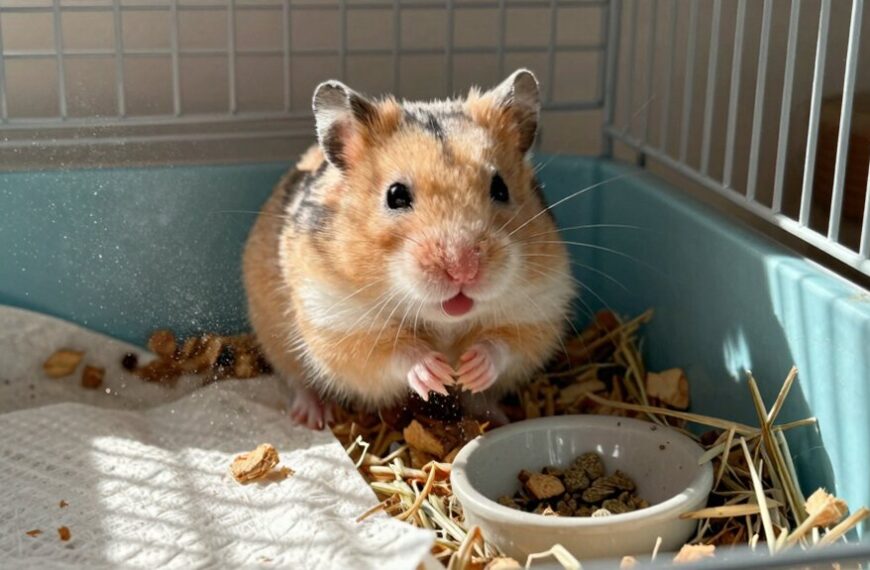
How do you keep your hamster’s home fresh without turning cleaning time into a science experiment? Easy, just stick to a simple routine. Clean the cage weekly to maintain good hygiene and prevent strong odors; that’s your ideal cleaning frequency. Swap out soiled bedding, wipe down surfaces with pet-safe cleaner, and rinse food bowls.
Don’t forget cage ventilation. Keep the area well-aired while you clean to avoid any lingering smells. Open a window or turn on a fan, and you’ll breathe easier too.
Wear gloves if you’re extra cautious, but honestly, it’s more about consistency than drama.
A tidy home keeps your hamster happy and you stress-free. Think of it as spa day—for your tiny roommate.
With a little effort and a dash of humor, cleaning becomes no big deal. Just don’t let it pile up… unless you want your room to smell like a science fair project.
Final Thoughts
So, yeah, hamster pee isn’t out to get you, but it’s smart to treat it with respect. Ammonia buildup can irritate your lungs, and germs like salmonella? Nobody wants that surprise.
Clean the cage weekly with gloves, ventilate the room, and you’ll both stay happy and healthy. Think of it as part of the pet-parent deal, messy but worth it for those cute little cheek pouches.

SAME INGREDIENTS: These PETARMOR tablets contain the same active ingredient as BENADRYL Allergy ULTRATABS.

ENJOY YOUR HOME: Designed for use throughout your home, this mineral-based allergen spray can be applied in the air and on surfaces to neutralize environmental allergen proteins from inanimate sources, including dust, dander and more! Fast, whole-home coverage makes it easy to refresh your space so you can enjoy everyday moments with family and pets

The Scratching You Keep Noticing: You've already tried the shampoo, the wipes, and the food change. Dog allergy chews with a 14 species organic mushroom blend, turmeric, quercetin, zinc, astragalus root, apple cider vinegar, vitamin C, colostrum, omega 3 fish oil, probiotics, and chicory root prebiotic. They help support a healthy histamine response and skin comfort through seasonal allergies, and support the immune system, so the season feels easier, in the grass or on the couch.