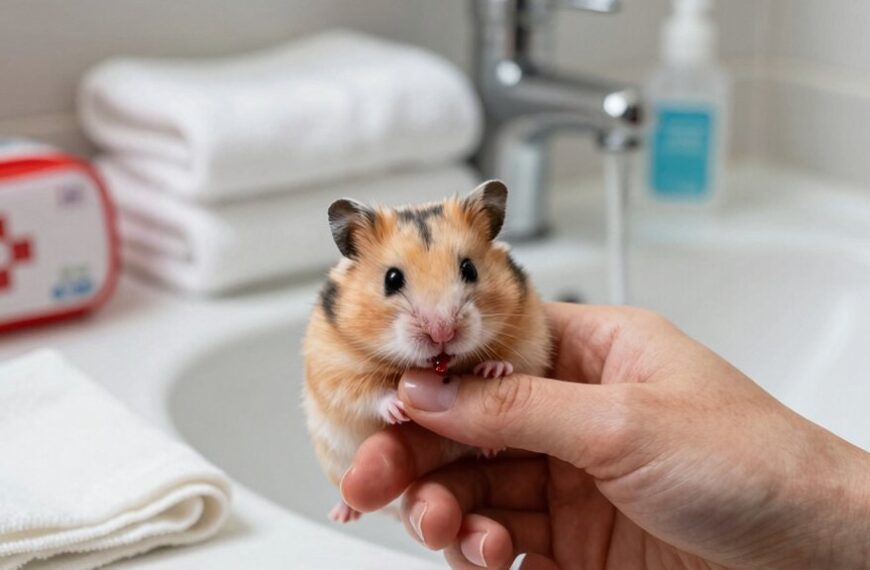
You probably don’t need a rabies shot if your hamster bites you, those tiny teeth aren’t known for spreading rabies, especially in indoor pets. But if the bite breaks skin, clean it fast and watch for redness or swelling.
Consider a tetanus booster if yours is out of date. While serious infections are rare, it’s smart to take bites seriously. And hey, even small surprises from cute critters deserve attention—stick around, there’s more to know.
Do Hamster Bites Require a Shot?

So, should you panic and sprint to the doctor every time Mr. Nibbles nips you? Probably not. Most hamster bites are more surprising than serious, and shots usually aren’t needed. Hamsters aren’t known to carry rabies, especially if they’re kept indoors and away from wild animals.
No need to panic over a hamster nip—most bites are harmless, and rabies is extremely unlikely, especially in indoor pets.
Still, it’s smart to wash the bite with soap and water right away to prevent infection. While their bites can sting, they rarely lead to big health issues.
Understanding hamster behavior helps: most bites happen out of fear or surprise, not aggression.
You can practice bite prevention by handling your pet gently and letting them sniff your hand first. Stay calm, keep their space quiet, and avoid sudden moves.
A little patience goes a long way in building trust.

HEALING AID AND SKIN REPAIR: Use a few times daily to flush and decontaminate your cat's wounds, cuts, abrasions, sores, and irritations.

HEALING AID & SKIN REPAIR: Use a few times daily to flush dog cuts, abrasions, sores, and skin irritations

ZYMOX Small Animal & Exotic Topical Spray supports healthy skin while soothing dry, irritated areas
Can Hamsters Carry Rabies?
You’re probably worried about rabies if your hamster nips you, but here’s the good news, rabies in hamsters is super rare—like, almost unheard of.
While any bite deserves a quick check, your tiny furball isn’t likely packing the virus, so you can relax a little.
Still, it’s smart to know when to call a doctor, just to be safe.
Rabies In Hamsters: Rare
Chances are, you’re way more likely to catch a cold from your roommate than rabies from your hamster, because, honestly, hamsters almost never carry rabies.
With their short hamster lifespan and quiet nocturnal behavior, they rarely interact with wild animals that might spread the virus.
Rabies in hamsters is so rare it’s almost unheard of, especially in pets raised indoors.
You’d have to imagine a wild raccoon sneaking into your kitchen at 3 a.m. just to bite your hamster, which, let’s be real, sounds like a bad cartoon.
Still, if your hamster *was* exposed to a rabid animal, super unlikely, it wouldn’t live long enough to pass it on.
So while you should always clean a bite, panic isn’t necessary.
Just keep an eye on your tiny, sleepy friend, and maybe don’t let them host midnight wildlife parties.
Hamster Bite Risk Assessment
Could your hamster actually give you rabies if it bites you? The short answer is no, rabies in hamsters is extremely rare, almost unheard of. You’re way more likely to get a tiny bruise than a dangerous disease.
Still, understanding hamster behavior helps you avoid bites in the first place. Hamsters usually nip when scared, startled, or mishandled. Think sudden movements or waking them up too fast.
The good news is most bites are mild and more surprising than harmful. That said, always wash the area with soap and water, just to be safe.
Focus on bite prevention by handling your little buddy gently and regularly, so they learn to trust you.
Treat them kindly, and they’ll be less jumpy.
While you don’t need a shot after a hamster bite, staying calm and smart keeps both you and your furry pal happy and healthy.
When To Seek Care
While your hamster isn’t packing rabies, phew, it’s still smart to pay attention if a bite happens, especially if things don’t seem quite right afterward.
Most hamster bites are more surprise than serious, often linked to sudden movements or misread hamster behavior.
But if the bite breaks the skin, gets red, swells, or feels warm, it’s time to call your doctor. Better safe than sorry.
Keep an eye on your little buddy, too.
Stressed or nippy behavior might mean you need to tweak their habitat or improve bite prevention with gentle handling.
Washing your hands before touching them helps, since food smells can confuse a curious nose.
Sure, it’s unlikely anything major will happen, but staying alert shows you care—for both you and your tiny, whiskered pal.
After all, peace of mind is the best medicine!
What Germs Can a Hamster Bite Spread?
So, what could possibly hide in your hamster’s tiny chompers? While they’re cute, those little teeth can carry germs. Hamsters can spread zoonotic diseases, illnesses that jump from animals to people, though it’s rare.
The biggest concern is bacterial infections like *Salmonella* or *Streptobacillus moniliformis*, which causes rat-bite fever.
You’re not likely to catch something serious, but if the bite breaks the skin, bacteria from your pet’s mouth or even your own skin can sneak in.
Think of it like a tiny, furry biohazard zone—cute, but best not ignored. Clean the area fast with soap and water. Watch for redness, swelling, or fever.
Most bites don’t need a shot, but keeping an eye on things helps you stay safe—and keeps your tiny pal in good graces.
Clean the Bite Right Away

Right after a hamster bite, don’t panic. Just grab some soap and get to work.
Wash the spot well, rinse it under running water, and then slap on a little antiseptic to keep things clean.
Think of it like giving your finger a mini spa treatment, minus the cucumber slices!
Wash With Soap
If your hamster decides to turn into a tiny ninja and bites you, the very first thing you should do is head straight for the sink, yes, even if it’s just a little nip. Wash the bite gently with warm water and soap for at least 20 seconds. This helps remove bacteria and reduces the chance of infection.
Hamsters usually bite out of fear or surprise, not aggression, so understanding their behavior can help with bite prevention. Maybe your hand smelled like food, or you startled them during nap time!
Always wash your hands before handling your pet. It’s a small step that makes a big difference.
While hamster bites rarely lead to serious issues, cleaning right away keeps you safe and calm. Think of it like a mini spa treatment for your finger—necessary and oddly satisfying. Stay cool, stay clean, and your tiny buddy will learn to trust you more.
Rinse Thoroughly Under Water
Now that you’ve given the bite a good scrub with soap, it’s time to flush out any leftover gunk by rinsing it thoroughly under clean, running water. Let the water flow over the bite for at least a minute. This helps wash away bacteria and keeps things from getting infected.
Think of it like giving your skin a mini shower after a messy snack attack, which, knowing hamster behavior, might just be their version of curiosity gone wrong. While most hamster bites are more surprise than serious, proper cleaning is key for bite prevention and peace of mind. Don’t skip this step. Even small nips deserve care.
Running water helps soothe the sting, too, so it’s a win-win. Remember, staying calm and cleaning right away both protects you and teaches your tiny friend that hands aren’t chew toys. Good hygiene is your first line of defense. No shot needed, just smart, simple care.
Apply Antiseptic Promptly
Once the bite’s had its little spa treatment under the tap, it’s time to bring in the big guns: antiseptic.
Grab some hydrogen peroxide or rubbing alcohol and gently dab it around the bite.
It might sting a bit, sorry, no way around that, but it’s your best defense against germs.
Hamsters aren’t usually aggressive, but they bite when scared or startled, so understanding hamster behavior helps with bite prevention.
Always wash your hands before handling them.
No sudden moves!
Think of antiseptic as your tiny superhero, zapping bacteria before they throw a party in your skin.
Doing this fast lowers infection risk and speeds healing.
And hey, if you’re treating your finger like a first-aid VIP, you’re already winning.
Keep calm, clean on, and maybe give your hamster a little grace.
They probably didn’t mean it.
Watch for Infection Signs
So, what happens if your hamster’s tiny teeth leave a mark? Should you panic? No, but you should keep an eye on it. Redness, swelling, warmth, or pus are red flags that an infection might be brewing.
Hamsters aren’t usually aggressive, but startled or stressed behavior can lead to nips, so understanding hamster behavior helps with bite prevention.
If the wound starts stinging more or you notice red streaks, don’t wait. See a doctor.
Most bites are harmless, especially if cleaned right away, but it’s better to be safe than sorry. Think of it like a tiny battle scar from a furball who probably didn’t mean it.
Keep calm, keep clean, and keep watching. Your vigilance now could save you a trip later.
After all, you’re the giant caregiver in this duo, and they’re counting on you to stay cool—even when nibbled.
When to See a Doctor After a Bite
If your hamster bite starts looking red, swollen, or oozing, don’t just shrug it off. Those could be signs of infection.
You should also call the doctor if you’re dealing with a deep wound, numbness, or if your tetanus shot is way out of date (like, “I was still into Tamagotchis” old).
Better safe than sorry—even tiny teeth can cause big trouble.
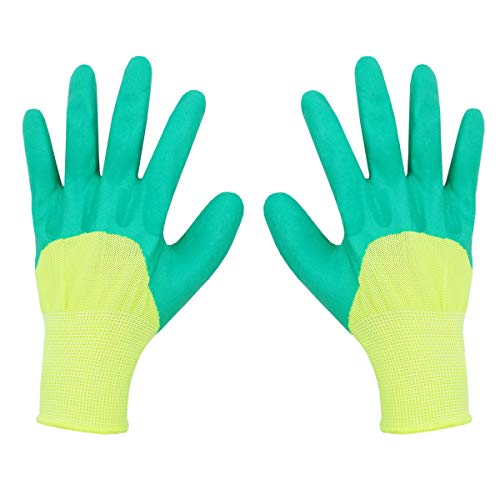

Sized for every interaction: At 9.84x7.87 inches for the hamster anti-bite gloves and 4.92x1.57 inches for the hamster brush, this hamster sugar glider bonding pouch set offers the suitable size for gentle pet care and is suitable for hamsters cats sugar gliders bunnies ferrets rats chinchilla guinea pigs, hedgehogs parrots small dogs. The calming glove comfortably fits most hands, ensuring a pleasant interaction, while the compact grooming brush easily touch hard-to-reach areas.

More Confidence During Handling - These hamster gloves anti bite help make pickup, calming, and close contact feel easier for new owners during daily care. Designed as pet handling gloves with soft cushioned coverage, they help reduce hesitation so you can focus on steadier handling and gentler bonding with small pets.
Signs Of Infection
A little nip from your hamster might seem harmless at first, after all, they’re tiny and probably just scared. But don’t brush it off too quickly.
Keep an eye on the bite for swelling, redness, or warmth. If you notice pus discharge, that’s a clear sign your body’s sounding the alarm. These aren’t just drama queens—they mean infection might be crashing the party.
You might also feel feverish or extra tired, like your body’s working overtime. If any of these red flags pop up, don’t wait it out hoping for the best. Call your doctor. Better safe than sorry, right?
After all, no one wants a tiny bite turning into a big, ouchy mess. Stay smart, stay clean, and remember—even small teeth can pack a punch.
Severe Bite Symptoms
Ever wonder when a hamster bite goes from “oops” to “uh-oh”? If you’re dealing with serious swelling severity, red streaks, or pus, it’s time to take things seriously.
You might even notice the skin around the bite starting to die. That’s tissue damage, and it’s not something to brush off.
Sure, hamsters are tiny, but their bites can pack a punch if they get deep.
If you can’t move your finger well, feel dizzy, or run a fever, don’t wait. See a doctor fast.
It’s not about being dramatic, it’s about staying safe. Think of it like your body waving a little red flag: “Hey, I need help!”
Skip the internet guessing game. When in doubt, get it checked. Your future self will thank you. No dramatic hamster showdown required.
Tetanus Risk Factors
While your hamster might look like a fluffy little bean, that tiny mouth packs more than just cuteness. Sometimes it brings a real risk, especially when it comes to tetanus.
If your wound is deep or dirty, you’re dealing with serious wound contamination, and that’s when tetanus becomes a concern. You mightn’t think a small bite needs attention, but tetanus bacteria thrive in dark, low-oxygen spaces, like a puncture from tiny teeth.
If you haven’t had a tetanus vaccination in the last 5–10 years, it’s time for a booster. Don’t wait for symptoms. Tetanus isn’t playing around.
But hey, no need to panic. Just call your doctor, explain what happened, yes, even if it was during an intense cuddle session, and get checked. Better safe than stiff, right?
Do You Need a Tetanus Shot?

If you’re wondering whether a little nip from your furry friend means you need a tetanus shot, here’s the good news: most of the time, you’re probably in the clear. Hamsters aren’t typical carriers of tetanus, and their bites are usually minor.
Still, it’s smart to check your tetanus vaccination status, especially if it’s been over 10 years since your last shot.
While hamster vaccination isn’t a thing, they don’t need shots like dogs do, you do! Clean the bite right away with soap and water to reduce infection risk.
Bite prevention is key: handle your hammy gently and avoid sudden movements.
If the bite breaks the skin and you’re unsure about your tetanus protection, a quick call to your doctor can put your mind at ease. Better safe than sorry—even for tiny toothy terrors.
Why Hamsters Bite in the First Place
What’s going through your hamster’s tiny brain when it suddenly nips you? More often than not, your little buddy isn’t trying to start a fight. They’re just scared or confused.
Hamsters rely heavily on their senses, and if they can’t see or smell you clearly, they might mistake a finger for food or feel threatened. Understanding hamster behavior is key to bite prevention.
Hamsters depend on sight and scent—blurry vision or unfamiliar smells can make your hand seem like food or a threat. Know their senses, prevent bites.
Maybe you reached in too fast, or your scent was masked by something strong like soap or snacks.
They’re not being mean. They’re being cautious. Building trust through gentle handling, hand-feeding, and consistent routines helps them feel safe.
Over time, your hamster will learn you’re not a threat.
If a nip happens, don’t take it personally. Just wash your hands, but not right before handling, and keep calm. A little patience goes a long way in avoiding future surprise bites.
How to Handle Your Hamster Safely
Ever wonder why your hamster sometimes zooms away when you reach into the cage? It’s all part of their natural hamster behavior. They’re small, skittish, and can get startled easily.
To build trust, start by letting your hamster sniff your hand before picking them up. Use both hands to cup them gently, supporting their whole body. This makes for safe handling and helps them feel secure. Avoid grabbing from above, it mimics a predator.
Wash your hands before handling so you don’t smell like food or worse, another animal.
Keep playtime calm and quiet. If your hamster seems jumpy, try offering a treat to create positive vibes.
With patience and gentle moves, you’ll both enjoy cuddle time. No bites, no drama, just tiny paws and big trust.
When Antibiotics Are Needed
You’ve been washing your hands, offering treats, and scooping up your hamster like a pro, good job!
But if that tiny bite breaks the skin and gets red, swollen, or oozes, it might need more than just a band-aid.
While most hamster bites heal fine with basic care, sometimes your doctor may prescribe antibiotics, especially if infection signs pop up.
Don’t push for meds unnecessarily, though. Overusing antibiotics fuels antibiotic resistance, making future infections harder to beat.
If you do get a prescription, follow the treatment duration exactly, even if you feel better fast.
Skipping doses or stopping early can let bacteria bounce back stronger.
Think of it like finishing your pizza, sure, you’re full, but leaving slices behind is just sad and risky.
Stay smart, stay safe, and keep loving your pint-sized pal, responsibly.
Final Thoughts
So, if your hamster nips you, don’t panic. You’re probably okay.
Most bites don’t need a shot, but clean it fast and keep an eye out for redness or swelling. Rabies is super rare in hamsters, but a tetanus booster might be smart if it’s been a while.
And hey, maybe your hamster just got startled. Try offering a sunflower seed peace treaty next time. Stay calm, stay clean, and keep loving your tiny furball safely.
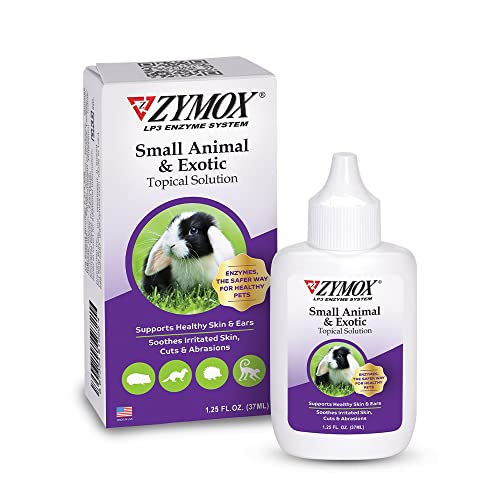
ZYMOX Small Animal & Exotic Topical Solution supports healthy skin & ears while soothing dry skin

TOPICAL OINTMENT FOR PET WOUND CARE: HomeoPet HP Healing Cream is a pet wound-care cream that may help support skin restoration from cuts, bites, burns, and other surface-tissue damage. It may also help reduce recovery time for persistent wounds.

CAT WOUND SPRAY – Here are Silver and Deionized water. The best for cats! Non-GMO ingredients – no artificial colorants, just clean care. We love and care for your cats!