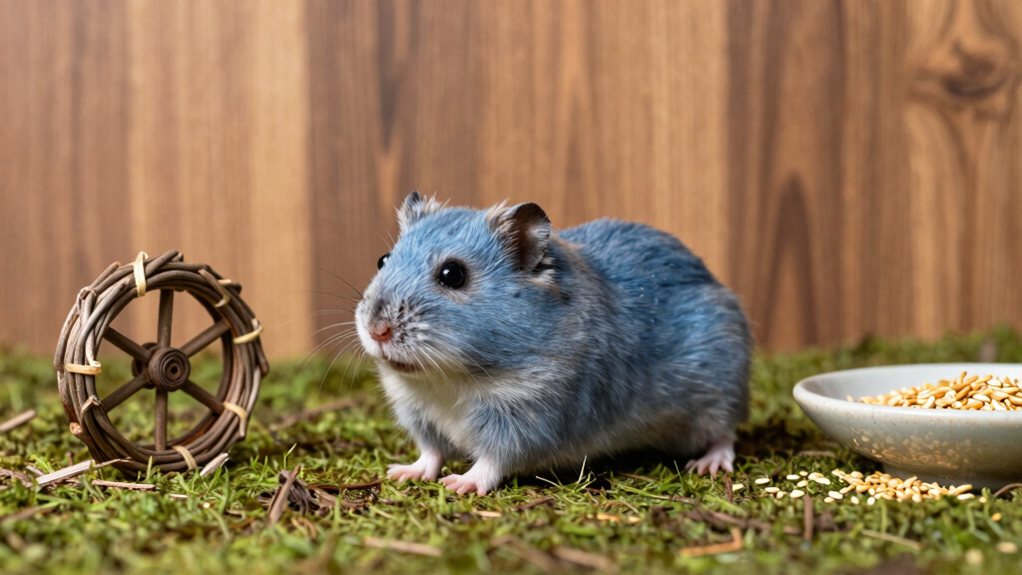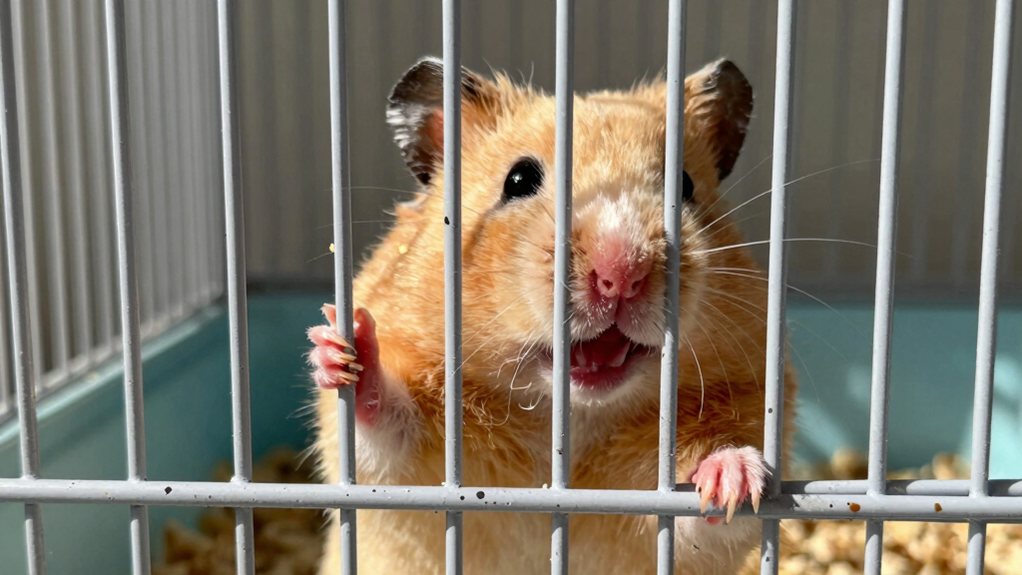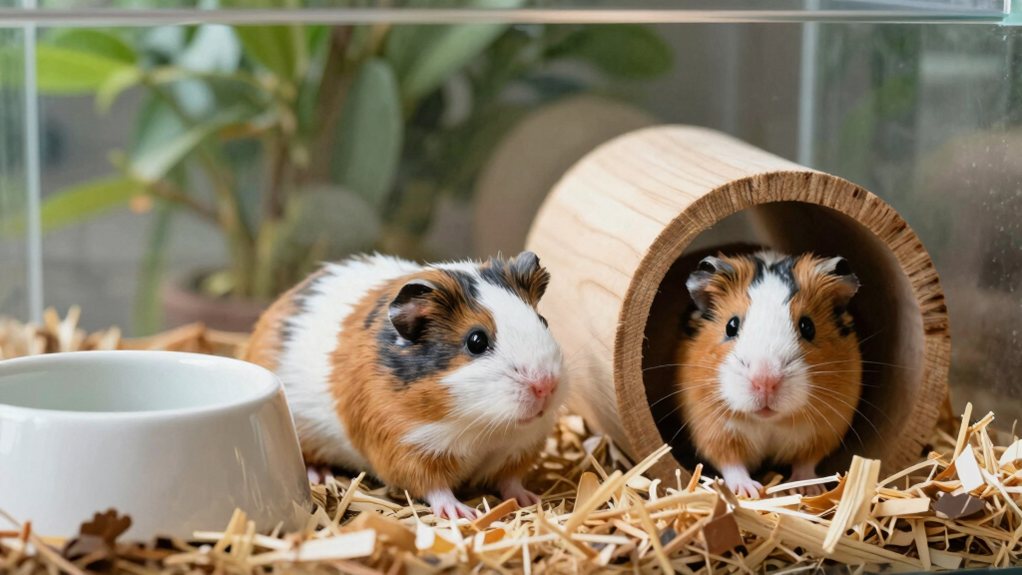
You can try housing two Chinese hamsters together, but most end up fighting as they grow older, about 80% do, actually. If you’re going to try, stick to same-litter sisters introduced young, and always have a backup cage ready.
Set up plenty of space, duplicate resources, and use a split-cage method to help them adjust. Watch closely for chasing, biting, or stress.
Even best friends can turn into tiny roommates from hell, so keep calm and supervise closely, because things can change fast. You’ll want to know the warning signs before fur really starts flying.
Most Chinese Hamsters Should Live Alone
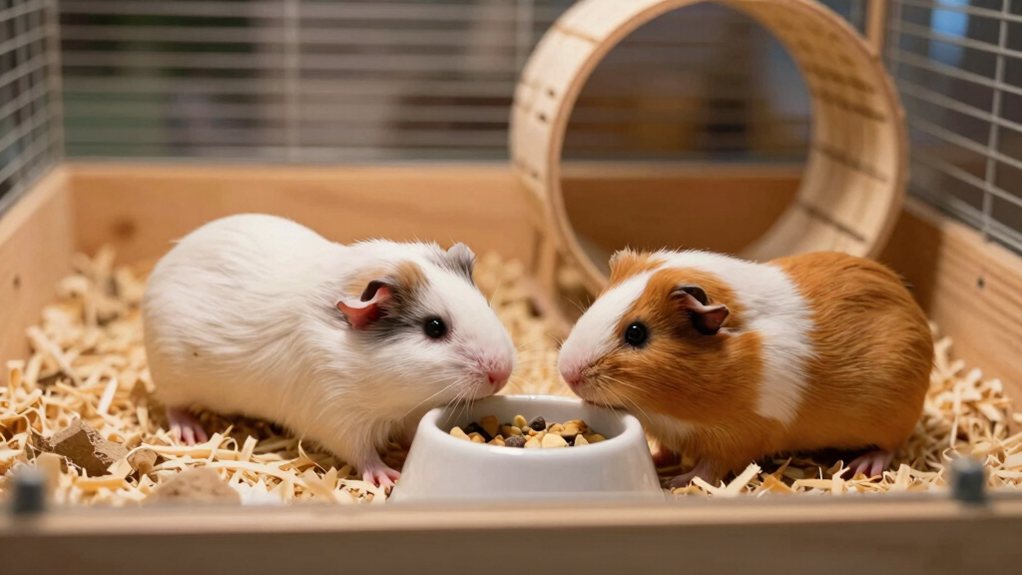
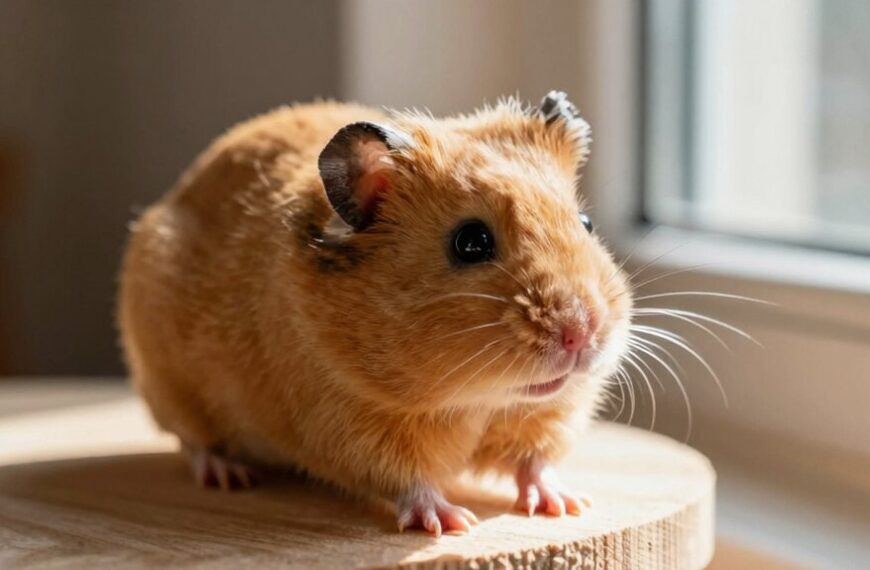
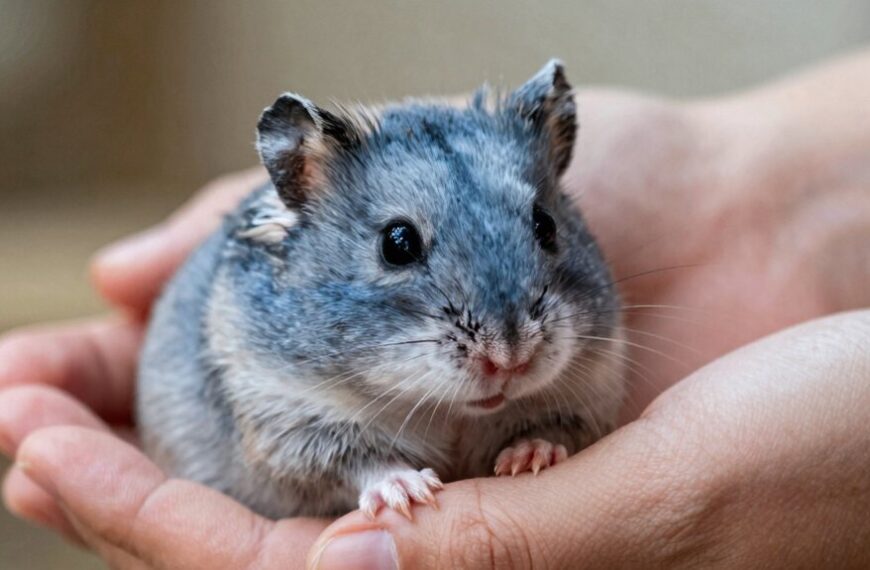
So, should your Chinese hamster live solo like a tiny hermit in a cage? Honestly, yes: there’s a good reason. Chinese hamsters have a solitary nature, meaning they’d much rather fly solo than share their space. Think of them as the introverts of the hamster world.
They enjoy peace, quiet, and not having roommates steal their snacks. They also show strong territorial behavior, especially when another hamster invades their personal bubble.
Even if they seem friendly at first, things can quickly turn into a tiny turf war.
Cage mates might start fighting, stress out, or even get hurt. It’s not worth the risk.
Sure, it’s cute to imagine them cuddling, but in reality, they’re happiest—and safest—living alone.
Skip the buddy system. Give your little guy or gal their own castle. They’ll thank you with happy wheel runs and zero drama.

【Includes Accessories & Toys】This acrylic hamster cage encompasses everything needed for pet care. It features 2 wooden garden houses, a connecting tube for accessing the upper and lower levels, catering to your hamster's natural digging instincts. Inside the mice cage, you'll find a food bowl, a ladder, an extra-large 18cm exercise wheel, a bridge toy, an external bathing area, and a water bottle equipped with a steel ball to prevent leaks. This makes it an ideal gift choice, especially for kids.

🐹【Hamster Chewing Toy Set】Hamster chewing toy made of natural wood, durable apple branches as molar tools for your pets, timothy grass cake rich in dietary fiber promotes digestion, rolling seaweed balls, wooden seesaws and swings, and extra long play pipeline and various fun toys can keep your little pet healthy and happy.
When Cohabitation Can Work: Siblings and Females
Tiny exceptions to the solo rule do exist. If you’ve got two female Chinese hamsters from the same litter, they might actually get along, think of them as tiny roommates who share snacks and naps.
Two female Chinese hamsters from the same litter? They might just be the ultimate tiny roomies—snack sharers, nap partners, and rare exceptions to the solo rule.
Siblings raised together often bond early, making cohabitation less of a battlefield and more of a sleepover. But even then, keep an eye out, hamster moods can flip faster than pancakes.
As for breeding pairs, only house them temporarily during mating, otherwise, sparks and bites will fly.
Never assume males and females play nice long-term.
And while maternal instincts are strong, don’t mistake a mom’s patience for friendship, she’s just tolerating her pups, not throwing a party.
So yes, females and siblings can share a space, but always have a backup cage ready.
Think of it like a trial run, cute, but risky.
Set Up a Shared Cage to Prevent Fighting
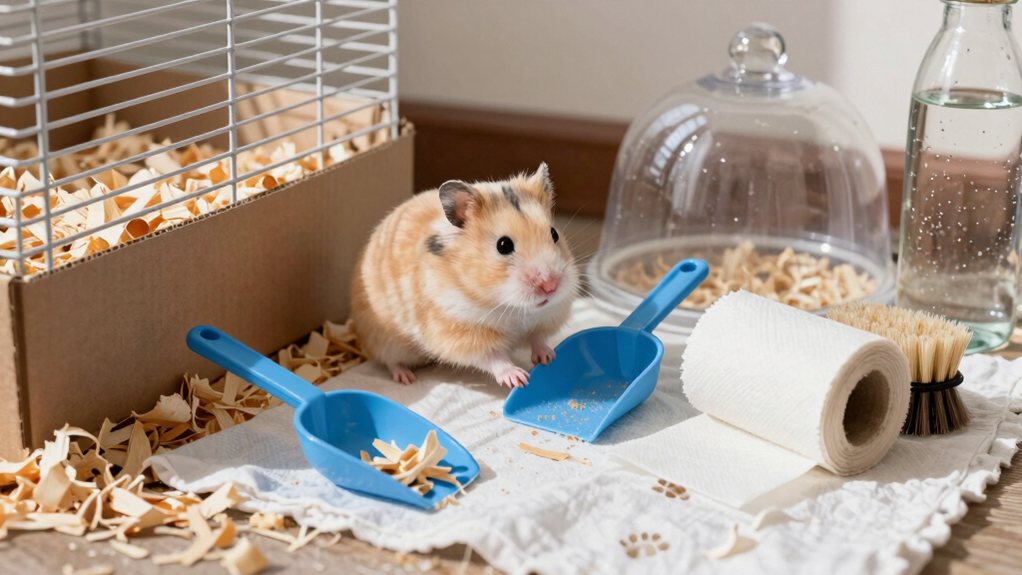
You’ll want to give your hamster pals plenty of room, so go big with the cage, think palace, not studio apartment.
Stock it with extra food bowls, hideouts, and wheels so no one’s fighting over snacks or nap spots.
After all, even best friends need their space and their own toilet corner, yes, really.
Ensure the cage provides at least 450 square inches of floor space to support healthy activity and reduce territorial behavior.
Cage Size Matters
A cramped cage is a recipe for drama, think of it like forcing two roommates to share a closet. You’ll want at least 360 square inches of floor space so your hamsters can each have their own zones.
Trust me, personal space goes a long way in peacekeeping.
Go for a cage made of durable, chew-resistant material like solid plastic or metal bars.
No flimsy stuff that’ll collapse during a midnight dig-a-thon.
Also, don’t forget the ventilation design.
Good airflow keeps the air fresh and prevents odors from building up, because nobody likes a stinky roommate.
Wire cages offer great airflow, but make sure the gaps aren’t too wide.
Escape artists, anyone?
A well-ventuated, roomy cage means less stress and fewer tiffs.
Think of it as giving your hamsters their own tiny apartment with good feng shui.
More space, better vibes.
Provide Multiple Resources
Ever wonder why your hamsters seem to bicker over the same food bowl or fight over who gets to nap in the cozy corner nest? It’s likely because they’re sharing too few resources. To keep the peace, you’ve got to think like a hamster: more is better.
Set up multiple feeding stations to ease tension around feeding habits. Two food bowls, two water bottles, and scattered treats help reduce competition. Don’t forget toy preferences!
Place duplicate toys like tunnels, chew blocks, and exercise wheels on opposite sides of the cage. This way, each hamster can claim their favorite spots without a showdown.
A shared cage can work, but only if everyone feels they’ve got their own space.
With enough resources, your Chinese hamsters mightn’t become best buddies, but they’ll at least stop squabbling over snack time.
Introduce Hamsters Using the Split-Cage Method
You’ll want to set up a split cage first, just use a divider to give each hamster their own side of the same home. This way, they can get used to each other’s scent without any face-to-face drama.
Because trust me, you don’t want to skip this step and end up playing hamster referee.
Over a few days, switch their bedding and toys back and forth so they start thinking, “Huh, my roommate isn’t so bad after all.”
Split Cage Setup
How do you keep two curious Chinese hamsters from turning into tiny roommates from hell?
Simple: start with a split cage setup.
This method uses cage division to create equal sides, letting each hamster claim their turf while still getting used to each other’s scent.
Think of it as dating with a barrier, safe, smart, and way less dramatic.
You’ll want to use neutral territory when assembling the cage, so neither hamster feels their space is invaded.
Clean everything first, no old smells!
- Use a divider with airflow (like a wire or mesh)
- Mirror food, water, and toys on both sides
- Swap sides every few days to mix scents
- Watch for calm behavior before removing the divider
- Always supervise first face-to-face meetings
Patience pays.
Soon, your pint-sized pals might just become best buds.
Gradual Scent Exchange
Now that your split cage is set up just right, with equal zones, a breathable divider, and all the tiny creature comforts, it’s time to get sneaky with scent.
You won’t believe it, but your hamsters can “meet” without actually meeting, thanks to scent swapping.
Every few days, swap a small handful of bedding from one side to the other.
This lets them experience each other’s odor blending in a low-pressure way, kind of like sniffing a love letter.
They’ll start thinking, “Huh, this other fluffball isn’t *totally* weird.”
Keep an eye out for calm behavior, no frantic digging or aggressive squeaks.
If all goes well, you’re one step closer to roomie harmony.
Just remember, patience is key.
You’re not rushing a friendship, you’re growing one, slowly, safely, and with way less drama than a reality TV show.
Signs Your Chinese Hamsters Are Fighting
Ever wonder why your usually calm Chinese hamsters suddenly seem more like rivals on a reality TV show? What looks like play behavior might actually be dominance displays gone too far.
It’s easy to confuse the two, but fighting is serious and needs your attention fast. Keep an eye out for these signs:
- Biting or chasing non-stop (not just a quick nip during play)
- Fur pulling or visible wounds
- One hamster hiding all the time, avoiding food
- Loud squeaking or aggressive posturing
- One constantly mounting the other in a forceful way
If you spot these, don’t wait. Separate them gently.
Chinese hamsters are often loners by nature, and even if they seemed friendly at first, things can change overnight. Better safe than sorry when it comes to tiny tempers!

HIGH QUALITY SAFETY MATERIAL: Pet hamster cage is made of high-quality thick metal and safety plastic,using a paint baking process. This makes the structure of the hamster cage more stable,sturdy,bite resistant and sturdy. What's more,there aren't any sharp edges,provide your child with a safe and happy playground to play in

【Thick Bedding Matters】Research shows it’s best to have plenty of bedding so your hamsters can make a burrow just like they would in the wild. The extreme large interactive space of our cage is able to hold thick bedding and toy system for your pets to dig and explore. It's easy to arrange their hideout, sand bath area, hamster wheel, or exploring scene in the cage, which results in a far happier and less stressed hamster compare to the wire cage. We offer 4 different sizes, feel free to choose from 24-48in length. Note: The inner decoration is not included in the package

【 Multi-layer design, fully functional 】 Our mouse cage measures 15.8 *11.5*11.8 inches and is fully functional. It includes a three-story hamster house, as well as a kettle, food bowls, a swing, a 18-centimeter running wheel and an external bathroom. When you lay enough bedding, it can provide ample space for hamsters to dig and play. This is definitely a comfortable habitat for hamsters.
What to Do If Chinese Hamsters Don’t Get Along
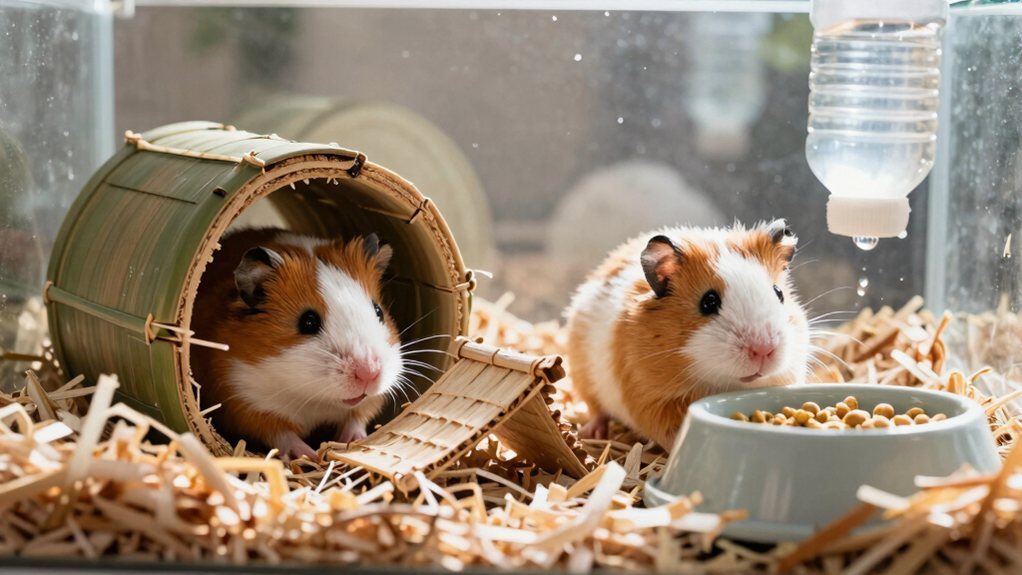
So, what happens when your Chinese hamsters start treating each other like roommates in a bad sitcom? If they’re not getting along, it’s time to act. First, separate them to prevent injuries and reduce stress. Even though they’re small, Chinese hamsters take territory marking seriously.
One scent can spark a full-blown feud. Give each hamster their own cage with fresh bedding, toys, and hiding spots to support stress reduction.
Watch their behavior closely. If they’re aggressive or anxious, staying apart is best.
You can try reintroducing them slowly, but don’t push it. Some hamsters just prefer flying solo.
At the end of the day, their safety and happiness matter most. And hey, being a hamster landlord means making tough calls, but you’ve got this!
Why Bonded Pairs Can Still Turn Aggressive
Why do two Chinese hamsters that once cuddled like tiny fur pancakes suddenly start acting like rivals in a cage fight? Even bonded pairs can turn aggressive, and it’s more than drama—it’s biology and instinct.
Territory disputes often spark tension, especially as they mature and see shared space differently.
Hormonal changes, particularly during puberty or breeding seasons, can also flip a switch in their behavior. You might think they’re just grumpy, but it’s deeper than that.
To help you spot warning signs early, here’s what to watch for:
- Sudden chasing or biting during play
- One hamster hoarding all the food or bedding
- Increased hiding or avoidance
- Loud squeaking during interactions
- Visible wounds or fur loss from fighting
Stay alert, act fast, and remember: sometimes, love grows apart—even for hamsters.
Final Thoughts
You’ve got options, but play it smart. Most Chinese hamsters prefer flying solo.
If you try sharing, stick to same-sex siblings and watch closely. Set up a split cage, give them time, and read the signs. No one wants a tiny turf war.
If they clash, no hard feelings, just separate them. Even besties can turn feisty, so stay alert. Love your hammy, but know when to say, “Nice try, buddy. Solo life’s for you.”

Size: Each guinea pig food bowl measures approximately 2.85 inches long x 2.85 inches wide x 0.95 inches high, providing ample space for your hamster or other small animal to comfortably enjoy their food.

The Dimension of Small Hamster Feeding Bowl - With hammy pattern. 3.1 inches diameter, 0.9 inches height. Perfect for dwarf hamsters, gerbils, rats and similar small rodent
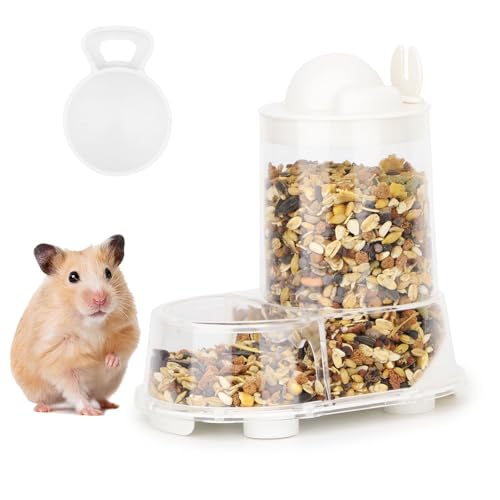
The large capacity feeder reduces the number of times you have to replenish the food. Enjoy your vacation or busy workdays knowing your furry friend won't go hungry