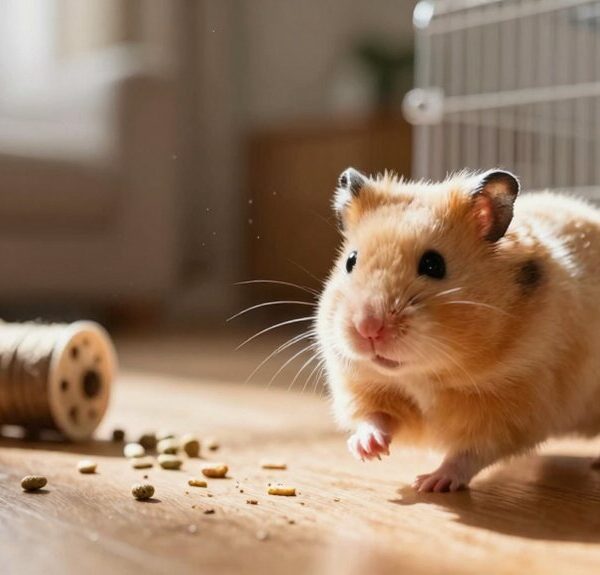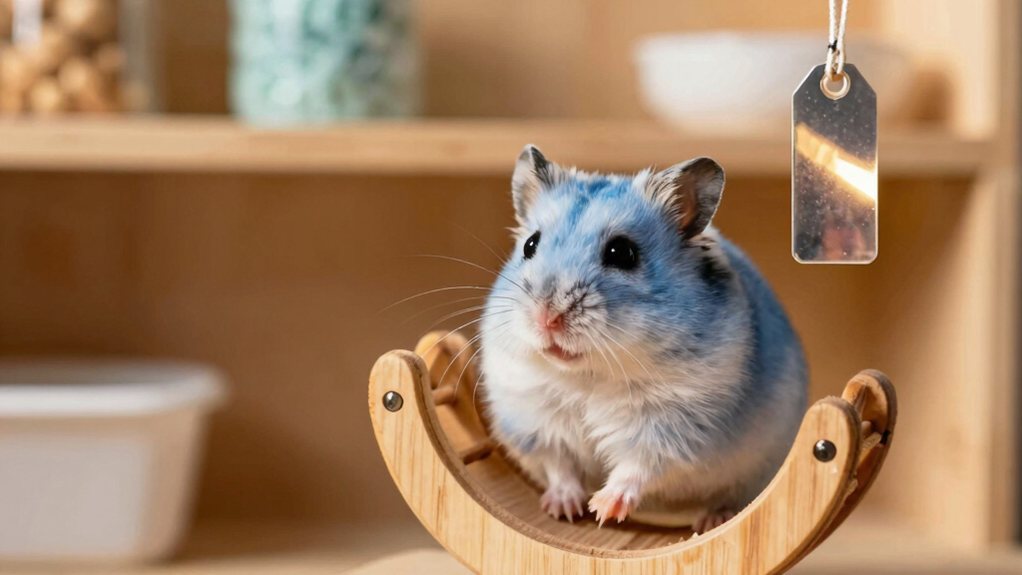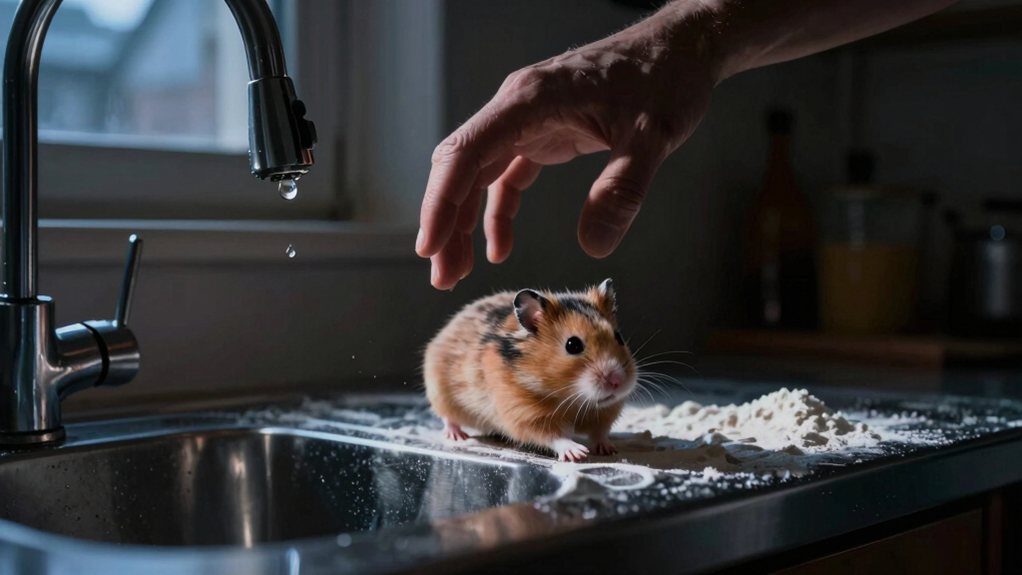
You’d be jumpy too if your survival instincts were stuck in the wild. Hamsters get scared most by loud noises like vacuums or thunder, sudden movements from above. Hands diving in feel like hawk attacks.
They’re also stressed by strong scents, yes, your citrus lotion might be terrifying. They’re also stressed by messy cages, rough handling, and unpredictable routines. These tiny souls crave calm and consistency.
Treat them gently, keep things quiet and familiar, and you’ll see them relax. There’s more to learn about helping them feel truly safe.
Why Hamsters Get Scared So Easily

While you might think your hamster’s just being dramatic when it bolts at the drop of a cracker, there’s actually a good reason behind those jumpy antics. You see, your tiny buddy is hardwired to be alert, thanks to its nocturnal instincts and prey animal behavior.
In the wild, hamsters scurry around at night when predators are hunting, so staying super aware keeps them alive. That means sudden noises, bright lights, or even your hand moving too fast can send them into panic mode.
It’s not that they don’t trust you. Their survival instincts just kick in fast. Think of it like an alarm system set a little too sensitive.

18-in-1 Comprehensive Value Pack: cater to all your small pet's daily needs with one curation; This18-piece cage accessories kit features 1 multi-room wooden maze house, 1 quiet 9.5-inch hamster wheel with an adjustable stand, 1 height-adjustable water bottle holder with a 4.2 oz bottle, and 15 diverse natural chew toys; Nice setup for hamsters, gerbils, mice, and other tiny pocket pets

【COMPLETE HABITAT UPGRADE KIT】Pluvinctus Hamster Cage Accessories Elevate your pet's living space with this all-in-one upgrade kit, featuring 1 maze wooden house, 1 silent hamster wheel, 1 water bottle with stand, 1 wooden bridge tunnel, 1 rabbit seesaw and 13 diverse chew toys—all designed to meet exercise, exploration, and chewing needs in one convenient solution

Complete Set: Complete Hamster Habitat Kit – This 26-piece hamster cage accessories set includes a 9.5-inch silent wheel, 1 maze house, a 2.7 oz water bottle, 1 Water bottle holder, 1 Seesaw, 1 Wooden Ladder Bridge, 1 Arch bridge, 1 Swing, 1 Apple Branch Molar String, 1 Bell Roller, 1 Unicycle, 1 Grass Carrot Toy, 1 Rattan ball and 13 hamster toys to fully equip your pet’s living space. Perfect all-in-one hamster stuff for building a fun and comfortable hamster cage.
Loud Noises That Scare Hamsters
Ever wonder what turns your calm little hamster into a furry panic ball in seconds? Loud noises are often the culprit. Hamsters have super-sensitive hearing, so sudden sounds like thunder sounds or the roar of vacuum operation can send them scrambling.
Imagine napping in your cozy burrow, then BOOM, the vacuum starts up. You’d bolt too! These noises feel threatening to your tiny friend, even if you mean no harm.
Thunder sounds during storms can also make them freeze or dart around their cage in panic.
To help, try running the vacuum when your hamster’s in a quiet room, or give extra hiding spots during storms. A little understanding goes a long way.
Keep things calm, and your hamster will thank you, probably with a sleepy yawn instead of a full-on sprint.
Sudden Movements That Startle Them
You know how you’d jump if someone suddenly waved their hands in your face? That’s exactly how your hamster feels when you make quick hand motions near their cage.
Loud unexpected actions or fast approaching objects can send them scrambling. It’s like a surprise horror movie they never signed up for.
Keep your moves slow and calm, and you’ll both enjoy a much more peaceful vibe.
Quick Hand Motions
Why do your hamster’s tiny paws freeze the second you reach into the cage? Quick hand motions can look like predator attacks to your little friend.
What seems normal to you, like grabbing a toy or adjusting bedding, can send them scrambling. Their eyes aren’t great, so fast movements near their space trigger panic.
You don’t mean to scare them, of course. But to a hamster, lightning-fast hands might as well be a hawk swooping in.
That’s why gentle gestures and slow approaches make all the difference. Try sliding your hand in sideways, not from above. Let them sniff you first, no sudden grabs.
Think of it like sneaking up on a sleeping cat: patience wins.
With time, your hamster will learn your hands mean treats, not terror. Move slow, stay calm, and watch those whiskers relax. You’ve got this.
Loud Unexpected Actions
That quick hand motion you just learned to slow down, well, it’s more than just speed that spooks your hamster. Sudden loud actions can send them diving for cover, too.
Imagine you’re peacefully nibbling a sunflower seed, and BAM—a door slams, music blasts, or someone shouts. Scary, right? Hamsters have super-sensitive hearing, so unexpected noises feel like earthquakes to them.
Combine that with bright lights flicking on or cold drafts sneaking in, and your tiny friend might think the apocalypse is here.
They don’t need drama—they thrive on calm and routine.
So, keep the volume down, ease into room lighting, and block those chilly airflow surprises.
Think cozy, quiet, and predictable.
Your hamster may not say “thanks,” but they’ll show it by staying relaxed, curious, and maybe even popping up for a treat.
Loud surprises? Save those for birthday parties, not hamster homes.
Fast Approaching Objects
What’s scarier than a shadow swooping out of nowhere? For your hamster, it’s anything that zooms toward them fast, like rapid shadows or flying debris from a sneeze or a dropped toy. These little guys rely on poor eyesight, so sudden movements can send their tiny hearts racing.
Imagine chilling in your cozy burrow and, *whoosh*! Something streaks overhead. No warning, no chill. To them, it might as well be a hawk!
Even you reaching too quickly into the cage can seem like a monster attack.
Keep calm, move slow, and let them see your hand coming. A little patience goes a long way.
Think of it like walking into a dark room. Wouldn’t you hate if someone flicked the lights on full blast?
Gentle wins the race, especially with a hamster who’s ready to bolt at the speed of panic.
Overpowering Smells That Scare Hamsters

You mightn’t think a whiff of lavender could freak out your hamster, but strong scents like vital oils can really spook them.
Imagine walking into a room that suddenly smells like a pine forest or lemon cleaner. That’s overwhelming for their tiny noses.
Avoid using perfumed sprays or air fresheners near their cage, because sudden smell changes can make your little buddy feel anxious and confused.
Think of it like walking into your bathroom and smelling someone else’s super strong cologne. Yeah, your hamster feels that way too.
Choose a non-toxic disinfectant that won’t leave harmful residues or strong fumes, ensuring a safe and comfortable environment for your hamster.
Strong Scents To Avoid
Ever wonder why your hamster suddenly freezes or darts for cover when you light a scented candle? Their tiny noses are way more sensitive than yours, and certain strong scents can really spook them.
You mightn’t think twice about a whiff of lemon or a new plastic toy, but to your hamster, it’s like a foghorn in their face.
To keep your little buddy calm and curious, avoid these common offenders:
- Citrus scents, They’re fresh to us, but to hamsters, they’re overwhelming and scary.
- Plastic odors, New cages or toys can emit fumes that stress them out.
- Air fresheners and candles, These overpower their space fast.
Stick to natural, unscented cleaning and let your hamster explore without fear.
A happy hamster is a sniff-happy hamster—just not from your lemon-scented dish soap!
For safe cleaning, choose enzyme-based formulas that eliminate odors without harsh chemicals or fragrances.
Essential Oils And Fear
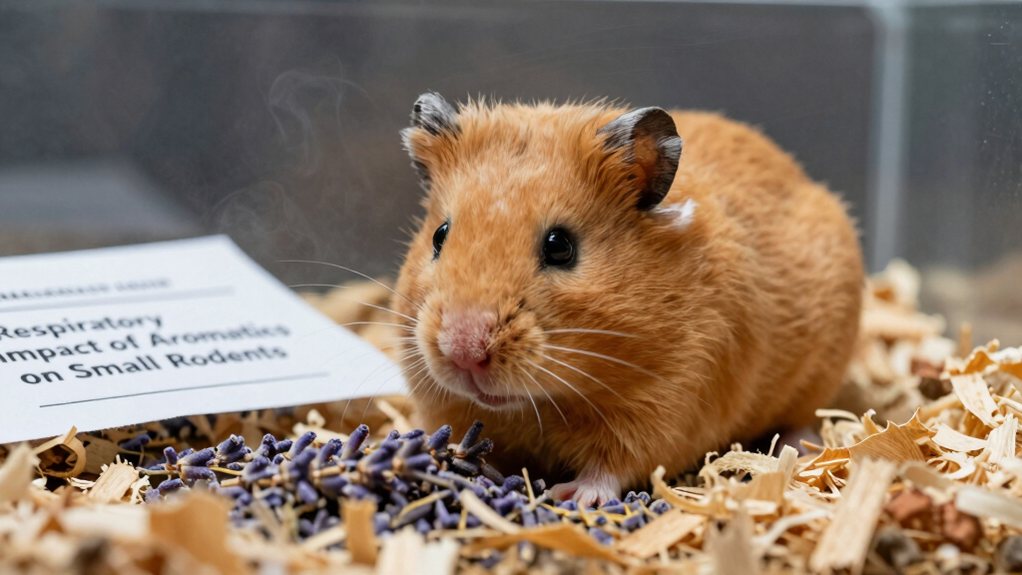
That whiff of lavender might relax you, but for your hamster, it’s like standing in the middle of a perfume explosion. Necessary oils may offer aromatherapy benefits to humans, but they overwhelm your tiny friend’s super-sensitive nose.
What you think is scent enrichment could actually be stress in disguise.
Hamsters rely heavily on smell, so strong necessary oils, like peppermint, eucalyptus, or tea tree, can scare them silly. It’s like shouting in a library; just too much.
Even diffused oils can linger in their space, making them jumpy or anxious.
Skip the oils and opt for natural bedding or plain paper tubes instead. Your hamster won’t miss the aromatherapy spa day, but they’ll thank you for keeping their world calm and familiar.
A little sniff of home is all they really need.
Sudden Smell Changes
What if a single whiff could send your hamster into a tiny, trembling panic?
Hamsters rely heavily on their sense of smell, so sudden smell changes can really spook them.
That new cleaning product you’re using or your friend’s unfamiliar perfume might seem harmless to you, but to your hamster, it’s like a smoke bomb went off in their safe zone.
To keep your little buddy calm, avoid:
- Spritzing unfamiliar perfumes near their cage
- Using strong new cleaning products nearby
- Introducing scented air fresheners without testing first
Stick to mild, consistent scents they know.
A calm nose means a calm hamster.
And honestly, who knew such a small creature could be so dramatic about a little Febreze?
Just go easy on the smells, and your hamster will thank you, probably with a happy wheel run.
Rough or Excessive Handling
While your hamster might look like a tiny, cuddly stress ball, treating them like one can send them straight into panic mode. Hamsters are delicate, and rough or excessive handling can scare them silly. You might mean well, but grabbing or squeezing too hard hurts and stresses them out. Instead, practice gentle touching and careful holding.
Let your hammy get used to your hand first by offering treats. Support their whole body when you lift them, and avoid sudden movements.
Think of it like holding a sleepy grape: firm enough so they don’t fall, but soft enough so they don’t pop! Overhandling, even gently, can also overwhelm them. A few minutes of calm cuddle time is plenty.
Hold your hamster like a sleepy grape—secure enough to feel safe, gentle enough to stay calm. Even sweet snuggles need a time limit.
Respect their tiny boundaries, and they’ll learn to trust you. After all, you want snuggles—not squeaks of terror.
Fear and stress are the primary causes of scratching or biting, so minimizing fear and stress is essential for building a trusting relationship.
Cats and Dogs That Scare Hamsters
Even if your cat or dog seems as chill as a cucumber, your hamster won’t see it that way. One glimpse of a wagging tail or curious paw and your tiny friend might freeze like they’ve seen a furry ghost.
That’s because hamsters are hardwired to fear larger animals, especially those with predator instincts. Even the most gentle pet can trigger a hamster’s stress through no fault of their own, thanks to natural territorial behavior and sudden movements.
Here’s what really rattles them:
- Sudden sniffing near the cage – It feels like a threat.
- Staring or pawing – Looks like a prelude to pounce.
- Barking or meowing nearby – Sounds like chaos to tiny ears.
Keep your hamster’s space quiet and secure. They may never understand your dog’s friendly bark, but with a little care, they’ll feel safe at home.
ODOR ABSORBENT TO MINIMIZE PET ODORS: Effectively neutralizes odors to keep bunny bedding & hamster bedding fresh; Ideal for pet bedding, ferret cages, and litter boxes, it helps maintain a clean environment for your pets and a better experience for you
ODOR ABSORBENT TO MINIMIZE PET ODORS: Effectively neutralizes odors to keep bunny bedding & hamster bedding fresh; Ideal for pet bedding, ferret cages, and litter boxes, it helps maintain a clean environment for your pets and a better experience for you

Natural Pet Bedding – Made from 100% natural materials with no additives or fragrances. Soft, fluffy, and safe, providing a healthy bedding option for your small pets.
Messy Cages That Cause Stress
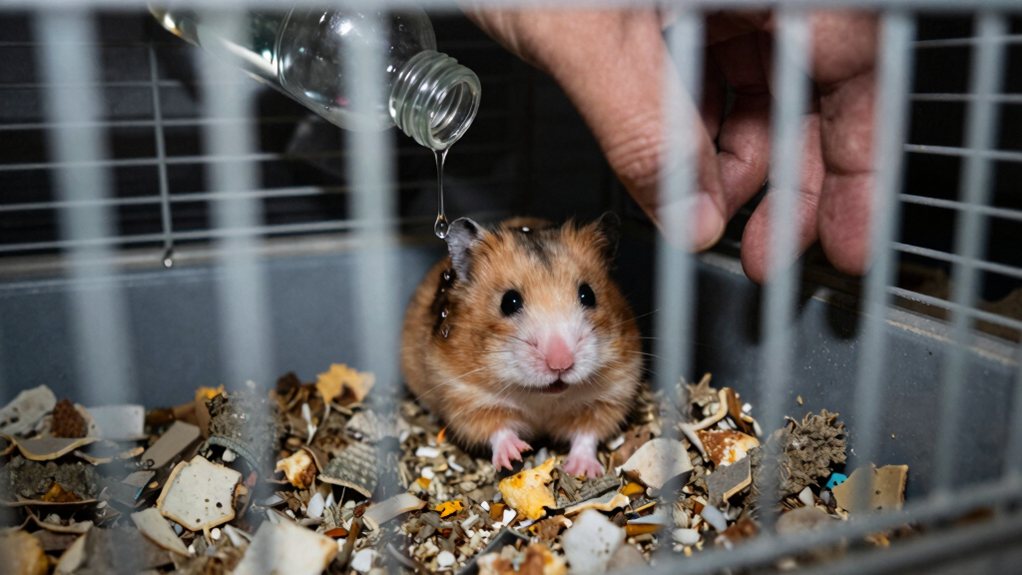
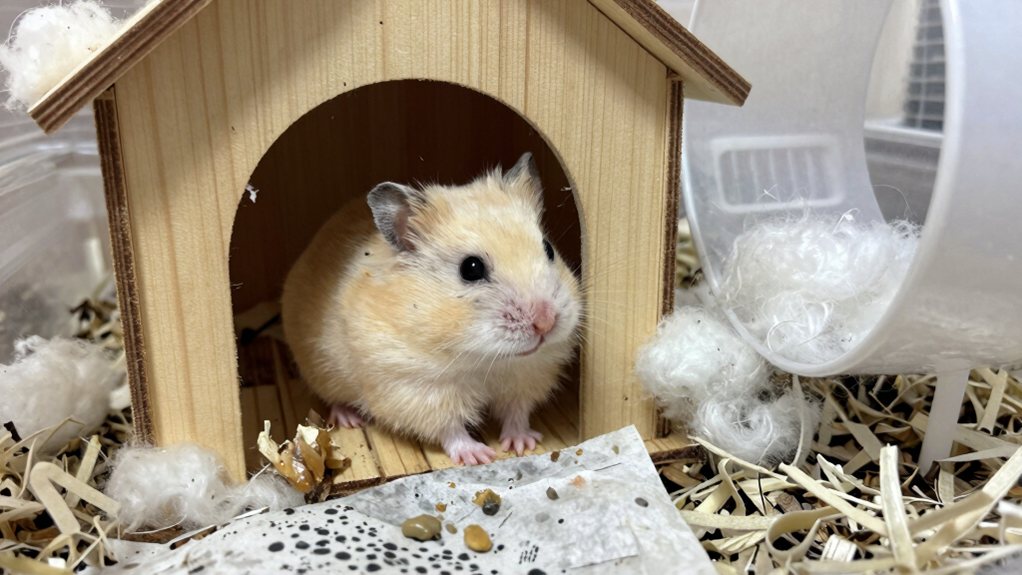
A messy cage might seem like no big deal, hey, we’ve all skipped cleaning the room for a day or two. But for your hamster, it’s like living in a trash-filled maze with no escape.
When bedding gets cluttered, your tiny buddy can’t dig or nap the way they love to.
Plus, old food and droppings pile up, leading to poor ventilation and some seriously stinky air.
Imagine trying to breathe in a stuffy closet—yikes! That’s what your hamster faces in a dirty cage.
Stress builds fast when their space feels chaotic.
They might stop eating, hide more, or even get sick.
But don’t sweat it—cleaning once a week does wonders.
Scoop out the gunk, swap in fresh bedding, and give their toys a quick wash.
Your hamster will thank you with happy zoomies and cheek-pouch smiles.
A tidy home means a calm, confident hamster.
And honestly? It feels good to help them thrive.
Prolonged exposure to ammonia from urine buildup can also affect your own health, causing respiratory irritation and other issues—so keeping the cage clean protects both you and your pet. Ammonia exposure is especially concerning in poorly ventilated spaces.
Inconsistent Schedules That Upset Hamsters
You know how grumpy you get when breakfast is late? Well, your hamster feels the same way when you skip their usual feeding time. They thrive on routine, so if you’re yanking them out for cuddles at random hours or feeding them whenever it “hits you,” they’ll stress.
Imagine trying to nap while someone keeps ringing your doorbell. Keep it consistent, and you’ll have a much happier, less jumpy little buddy.
Erratic Feeding Times
Ever wonder why your hamster seems stressed even when their cage is clean and snacks are plentiful?
It might be due to erratic feeding times.
Hamsters thrive on routine, and schedule disruption can lead to feeding anxiety, leaving them restless or even aggressive.
Think of it like missing your morning coffee, totally throw off your day, right?
Here’s what happens when meals come at random times:
- Feeding anxiety builds, making your hammy jumpy or withdrawn.
- Sleep cycles get messed up, since they’re used to eating at predictable hours.
- Trust in you wavers—they start doubting when food will appear.
A steady schedule doesn’t just prevent stress.
It shows your tiny buddy you’ve got their back.
So, set a reminder!
Your hamster mightn’t thank you in words, but their calm nibbles and happy wheel runs will say it all.
Unpredictable Handling Routine
Just when your hamster starts feeling secure with mealtime at the same hour every day, throwing in surprise snuggles or random pick-ups can send their tiny heart racing all over again.
Hamsters thrive on routine, and an unpredictable handling schedule can leave them stressed and skittish.
You might think you’re being loving with spontaneous cuddles, but your hamster could see it as a threat.
To build trust, stick to consistent times for gentle petting and play.
A quiet environment helps too: sudden noises or chaotic handling can undo your progress fast.
Think of it like showing up to a friend’s house unannounced every time. You’d be on edge, right?
Your hamster feels the same.
Keep your interactions calm, predictable, and kind.
Soon, those little paws will reach out for you, not scurry away.
Signs Your Hamster Is Stressed or Scared
What does a scared hamster look like, anyway? You might miss the signs if you’re not paying close attention. Hamsters are tiny drama queens, but their fear is real, especially with nocturnal anxiety or social isolation.
Hamsters may be tiny drama queens, but their fear is real—miss the signs and you might just be the monster in their midnight world.
When stressed, they’re not exactly sending you a text. You’ve gotta read their cues. Here’s what to watch for:
- Freezing or darting away suddenly – Like they’ve seen a ghost (or your hand coming too fast).
- Excessive grooming or biting cage bars – A sign they’re bored or anxious, more than just redecorating.
- Puffing up or making high-pitched squeaks – Their version of “I’m not okay!”
If your little buddy acts off, slow down. Give them space, a consistent routine, and maybe a cardboard tunnel or two. They’ll thank you by not treating you like a giant predator. Mostly.
Quick Ways to Calm a Scared Hamster
How do you help your hamster breathe easy when the world feels like it’s crashing down, preferably without turning your hand into a chew toy? Start by creating a quiet space. Dim the lights and shoo away loud pets or kids.
Gently scoop your hamster into your hands, but don’t squeeze. Let them sniff and explore while you use soft talking to soothe their tiny nerves. Whisper sweet nothings like, “You’re okay, little ninja,” because yes, they understand tone.
Offer a treat. Nothing says “I love you” like a sunflower seed.
Then try gentle petting along their back, not the head. They’re not fans of surprise forehead rubs.
Stay calm. Your energy matters. If they freeze or dart, don’t chase. Just wait. They’ll trust you again.
A little patience, a lot of soft talking, and some gentle petting go a long way. Soon, your hamster will chill out. Maybe even nap in your palm. Victory!
Trust develops over time with patience, calm presence, and warmth, so remember that each quiet moment together strengthens your bond through consistent human interaction.
Final Thoughts
You’ve got this! Hamsters spook easily, but now you know the triggers: loud noises, sudden moves, even messy digs. Keep things calm, predictable, and gentle, and your little buddy will feel way more at home.
Think of it like being their chill roommate. A quiet space, soft words, and a steady routine go a long way. You’ll both be happier—and way less jumpy.

Includes a food dish, water bottle, and exercise wheel

Made of durable plastic, igloos are easy to clean and stain resistant

Compatible with disposable CritterTrail bedding trays to make cleaning quick and easy