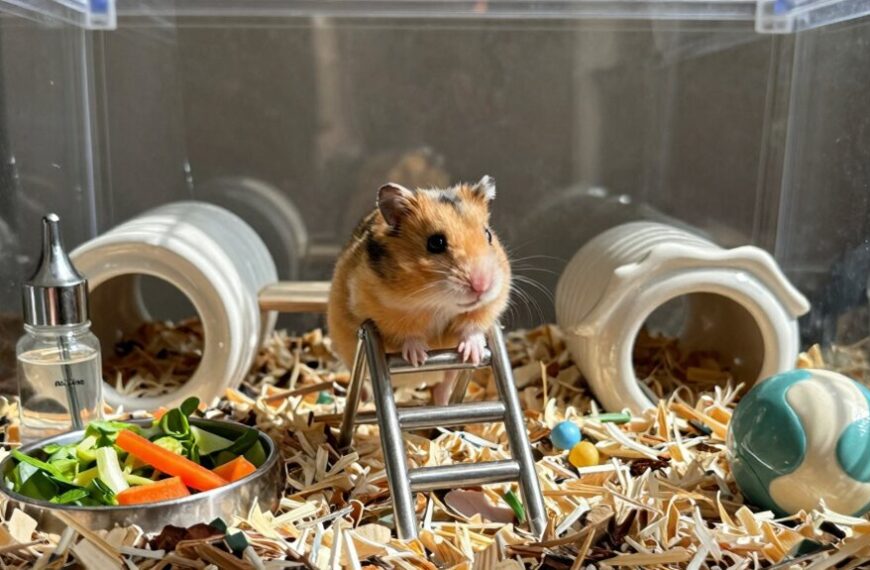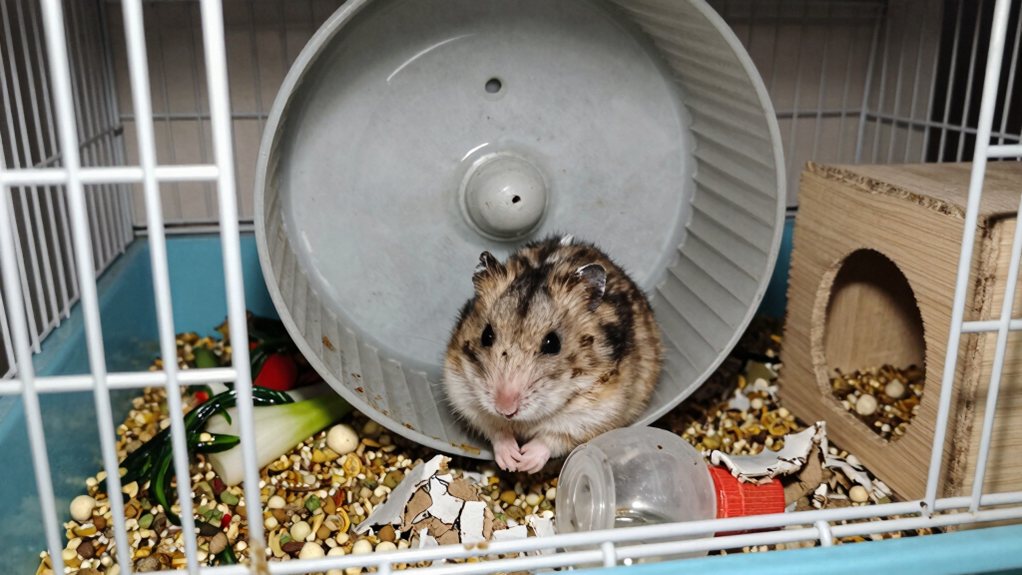
If your hamster’s napping through snack time, gnawing the cage nonstop, or looking a little sad and patchy, it might be more than just grumpy. It could be stressed, bored, or underfed.
Check their space. Bigger is better. Switch up toys weekly, offer balanced meals, and skip the cotton bedding. It’s cute but risky.
A quiet corner, fresh treats, and a solid wheel can turn things around fast. And hey, there’s a lot more you can do to help them thrive.
Is Your Hamster Lethargic or Sleeping Too Much?
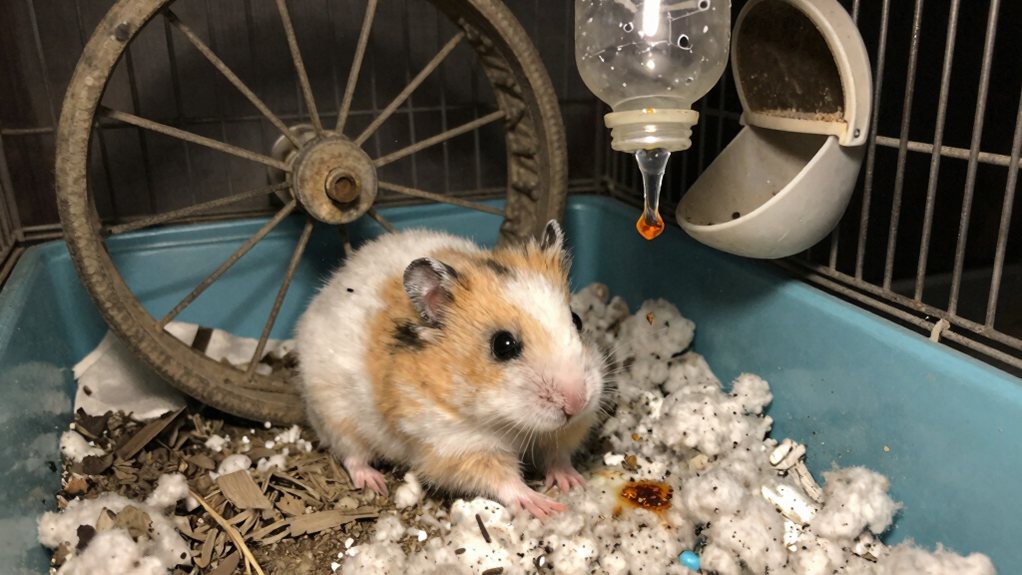
Ever wonder if your hamster’s marathon naps are normal or a red flag? While hamsters do sleep a lot, excessive sleep can signal trouble.
Marathon naps are normal—until they’re not. Excessive sleep could be your hamster’s way of saying something’s wrong.
If your little buddy isn’t just snoozing but seems unusually still or hard to wake, it might be lethargy.
Lethargy causes range from boredom and poor diet to illness or even a cold cage.
You know your hamster best. If they’re skipping meals, ignoring their wheel, or napping in plain sight all day, something’s off.
Don’t panic, though. Start by checking their environment. Is it warm enough? Are they getting fresh food and water?
A quick vet visit can rule out health issues.
Think of it like your own winter slump. Sometimes a little boost makes all the difference.
With some love and tweaks, your hamster can bounce back to bedtime burrow mode, just not 24/7!
Ensure the cage temperature stays within the ideal temperature range for hamsters, which is 65°F to 75°F, using a reliable digital thermometer hygrometer to monitor conditions accurately.
Why Is Your Hamster Chewing the Cage Bars?
Seeing your hamster gnawing on the cage bars might make you chuckle at first, after all, they look so tiny and determined, like tiny escape artists in training.
But bar chewing or cage biting isn’t just a quirky habit. It’s often a cry for help. Your hamster might be bored, stressed, or craving more space.
These little guys need mental stimulation and room to explore. If their environment’s too small or plain, they’ll resort to cage biting to cope.
Make sure their home is spacious, packed with toys, tunnels, and chew-safe items.
Rotate activities weekly to keep things fresh.
Also, check if they’re getting enough exercise. Add a wheel if they don’t have one.
Addressing the root cause helps stop bar chewing and keeps your hamster happy, healthy, and far more interested in play than prison breaks.
Hamsters must chew to manage ever-growing teeth, which is a natural behavior essential for their dental health and overall well-being.
Is Boredom Causing Stress Behaviors?
- Rotate toys weekly to keep things fresh and exciting.
- Hide treats around the cage to spark natural foraging instincts.
- Add tunnels, chew toys, and puzzle feeders for mental challenges.
- Let your hamster explore a safe playpen a few times a week.
A stimulated hamster is less likely to develop stress behaviors, especially when using a pop-up automatic setup that provides a secure and enriching environment for exploration.
You’re doing more than adding fun. You’re building a happier, healthier life.
A stimulated hamster is a chill hamster. So go ahead, be the hero your tiny furball needs.
They’ll thank you with calmer nights and fewer cage-chewing concerts.
Is Your Hamster’s Cage Too Small?
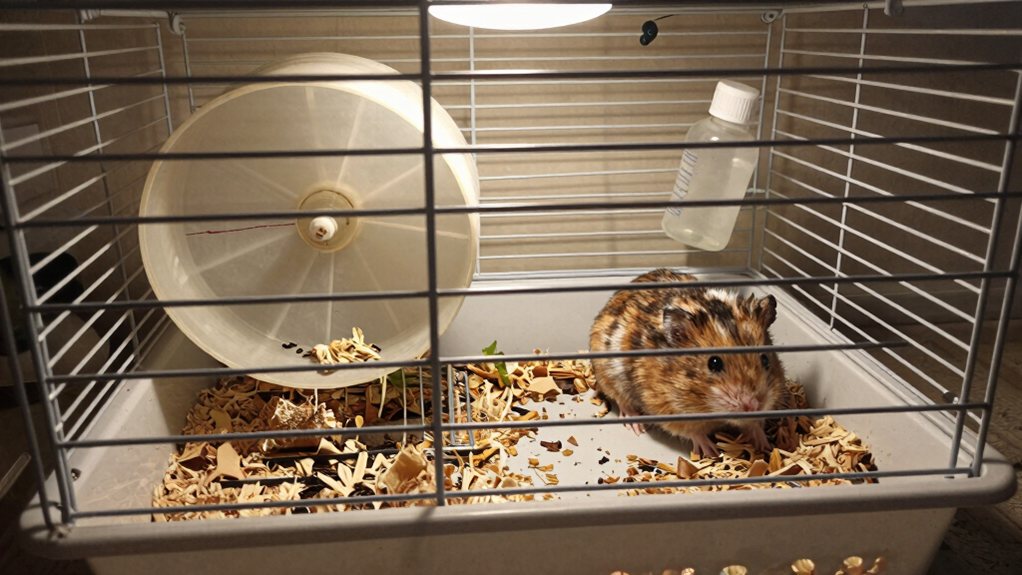
Let’s be real, your hamster doesn’t need a palace, but they definitely need more than a shoebox.
If you’re seeing chew marks at the top of the cage or your little buddy’s acting grumpy, it might be time to check the minimum size requirements and consider upgrading for comfort.
After all, even tiny creatures deserve room to run, dig, and live their best wheel-spinning lives.
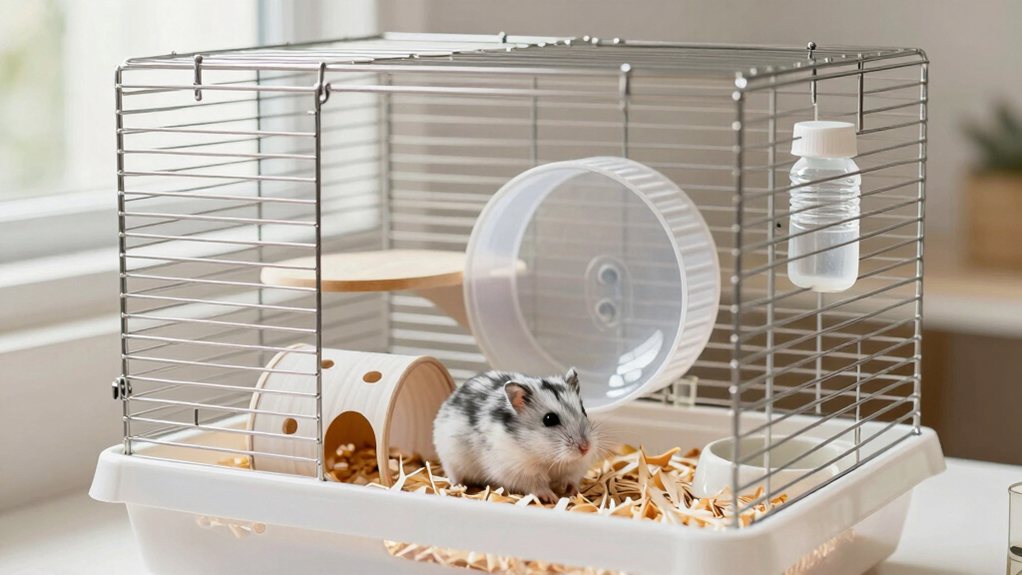
Adequate space supports natural behaviors like climbing and tunneling, and meeting the minimum recommended floor space of 450 square inches can significantly improve your hamster’s well-being.
Minimum Size Requirements
While your hamster mightn’t hand you a written complaint, they’ll definitely let you know, usually by pacing the same sad corner or ignoring their wheel, when their cage is way too small.
Proper cage dimensions and smart space allocation make a huge difference in your little buddy’s happiness. Don’t cut corners here.
Hamsters need room to explore, dig, and be their quirky selves.
Aim for *at least* 450 square inches of floor space—bigger is always better.
Prioritize floor space over height. Hamsters dig more than they climb.
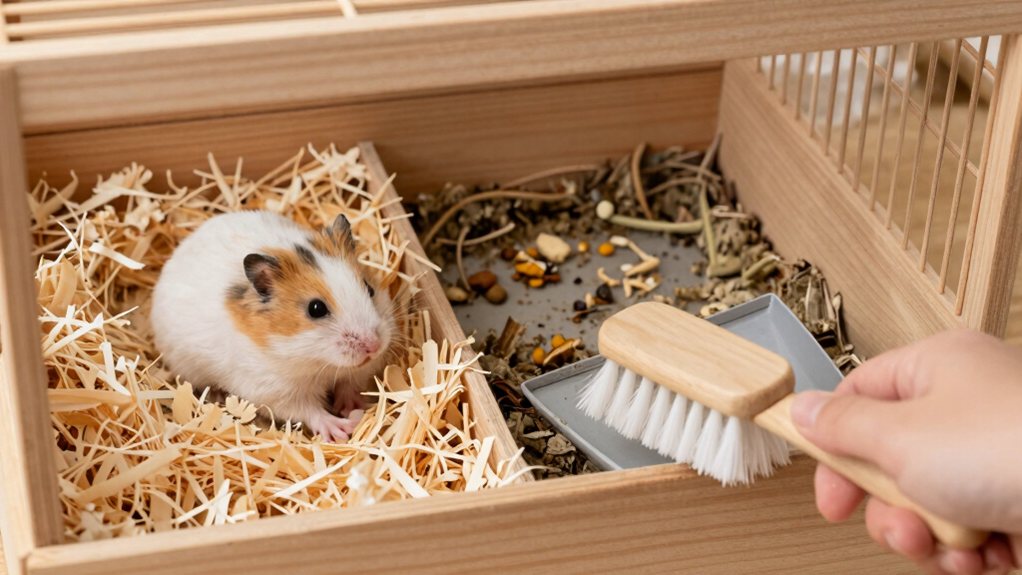
Include separate zones for sleeping, eating, and bathroom breaks.
Swap plastic tanks or tiny cages for a spacious bin or wire cage with solid flooring.
Your hamster won’t throw a party when you upgrade, but their zoomies will say it all.
Give them room to thrive, not merely survive!
Ensure the wire spacing is no more than 0.3 inches to prevent escapes and wire spacing injuries.
Signs Of Overcrowding
Ever wonder why your hamster’s acting more grumpy than a Monday morning? It mightn’t be the weather. Your tiny friend could be dealing with overcrowding.
When hamsters don’t have enough space, they get stressed. That’s when territory disputes start. You might see chasing, biting, or even one hamster hoarding all the bedding.
Social tension builds fast in a cramped cage, especially if you’ve got more than one. And most hamsters prefer flying solo anyway.
Signs like excessive grooming, aggression, or constant hiding mean your pet’s welfare needs aren’t being met. Give your little buddy room to roam. Think at least 450 square inches. Watch the mood lift.
A happy hamster is a chill hamster. So, if your pet’s acting like a tiny landlord in a studio apartment, it’s time to expand the lease. More space equals less drama.
Consider adding a modular snap-together tunnel system to easily increase usable space and enrichment opportunities.
Upgrading For Comfort
You’ve probably noticed your hamster acting a little short-tempered lately, maybe they’re chasing cage mates or stuffing all the nesting material into one corner like a tiny, furry hoarder.
It might be time to upgrade for comfort.
A cramped cage can stress your little buddy, even if you’ve nailed bedding quality and nesting materials. Here’s how to level up:
- Size matters – Aim for at least 450 square inches of floor space.
- Deep bedding – Provide 6+ inches so they can dig like nature intended.
- Cozy corners – Add extra nesting materials like unscented tissues or soft hay.
- Fun zones – Include tunnels, hideouts, and chew toys to break up the space.
Your hamster doesn’t need a palace, but a roomy, comfy home? Absolutely.
A little more space can mean a lot more happy zoomies and a lot fewer grumpy squeaks.
Add multi-level wooden climbing platforms to maximize vertical space and support natural behaviors like climbing and exploring.
Is Your Hamster’s Diet Causing Health Issues?
You mightn’t realize it, but your hamster’s picky eating could actually be a cry for better grub. Keep an eye out for dull fur or low energy. They might be missing key nutrients.
And yes, even your hamster can suffer from a junk food problem if you’re handing out too many sunflower seeds.
Let’s chat about what to feed, what to skip, and how to keep your little buddy bouncing around happy and healthy.
A consistent daily feeding routine supports your hamster’s rapid metabolism and helps prevent digestive issues and nutrient imbalances.
Nutritional Deficiencies To Watch
Could your hamster’s cranky mood or dull coat actually be a cry for better food? It might be.
Vitamin deficiency or mineral imbalance can sneak up fast, even if you’re feeding them daily.
Don’t worry—you’re not a bad pet parent, but it’s time to play detective.
Watch for these signs:
- Dull, patchy fur – A shiny coat means good health, lackluster fur hints at missing nutrients.
- Lethargy or grumpiness – Low energy or mood swings could mean their diet’s falling short.
- Weak teeth or overgrown incisors – Calcium and vitamin D are key for strong chompers.
- Weight loss despite eating – They might be filling up on junk instead of balanced food.
Switch to a high-quality pellet mix, add fresh veggies occasionally, and say goodbye to snack-only diets.
Your hamster will thank you—with cuteness and zoomies.
Harmful Foods To Avoid
What’s really on the menu when you toss a treat into your hamster’s cage? Some foods might seem harmless but can actually be toxic foods that harm your tiny friend.
Chocolate, onions, garlic, and citrus fruits? Big no-nos. They can cause serious digestive upset or even worse.
Even avocado and raw beans are off-limits. They’re surprisingly dangerous.
While your hamster might give you those cute “please feed me” eyes, resist sharing your snacks unless you’re sure they’re safe.
Stick to vet-approved treats like small bits of carrot, apple (no seeds!), or plain cooked pasta.
You’re doing more than just feeding them. You’re protecting them. Think of yourself as their personal nutrition coach (with better snacks).
A little caution goes a long way in keeping your hamster happy, healthy, and full of energy.
Your pocket-sized pal will thank you. Probably with a cheeky cheek-stuffing moment.
Apple seeds are among the most dangerous foods because they contain amygdalin, which releases cyanide when digested.
Balanced Diet Essentials
Ever wonder why your hamster sometimes turns up its tiny nose at certain foods, or worse, seems sluggish and less curious than usual?
It might be crying out for a better balance on its dinner plate.
A proper diet isn’t just about kibble. It’s about variety and nutrition. Here’s how to get it right:
- Offer high-quality hamster mix as a base, no fillers, just good stuff.
- Add fresh produce 2–3 times a week, think tiny bits of cucumber, carrot, or apple, but skip the citrus.
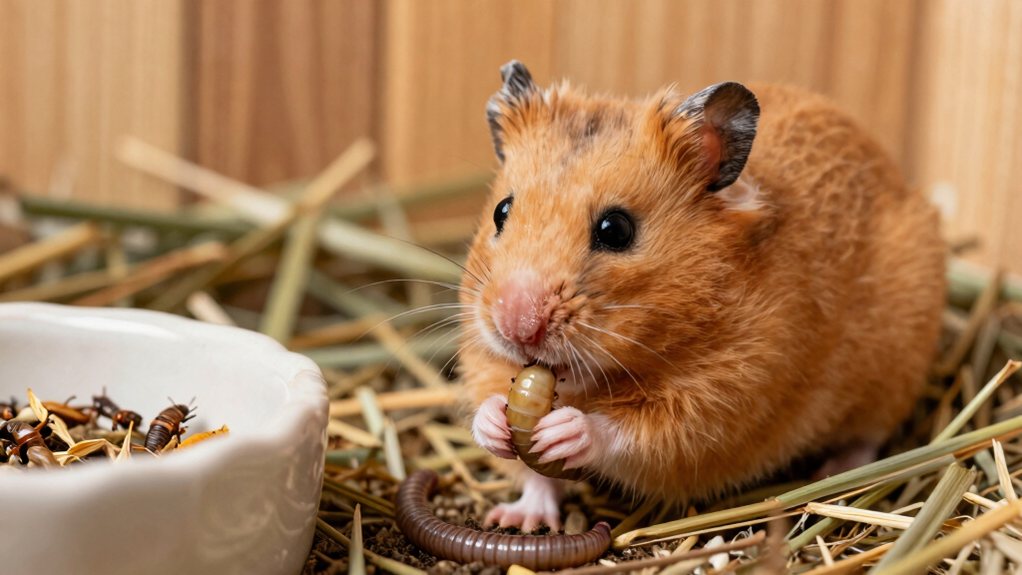
- Include protein sources like boiled egg, plain chicken, or mealworms once a week, yes, even hamsters need their gym fuel!
- Always provide fresh water and remove uneaten fresh food after 12 hours.
Balance keeps your little buddy bouncing with joy, literally.
Is Your Hamster Losing Fur or Showing Skin Problems?
Is your hamster starting to look a little less fluffy and a bit more patchy than usual? Don’t panic. Fur loss and skin problems can happen, but they’re worth checking out.
If you notice your little buddy scratching more than usual, it might be due to fur mites or skin infections, both of which need attention. Mites are tiny pests that irritate the skin, while infections can cause redness, scabs, or oily fur.
Stress, poor hygiene, or an unclean cage can make things worse.
The good news? You can help! Keep their home clean, provide soft bedding, and avoid scented products.
Then, call your vet. These issues often need a quick treatment. Think of it like your hamster’s version of a spa day minus the cucumber slices.
With a little love and care, your furry friend will be back to their cuddly self in no time.
Choose bedding labeled as 99.9% dust-free to support respiratory health and reduce skin irritation caused by environmental allergens.
Is Your Hamster Stressed by Noise or Location?

Could your hamster be feeling a little on edge without you even realizing it?
Hamsters are more sensitive than they look, and noise sensitivity or location anxiety can really rattle them.
Here’s how to tell and fix it:
- Jumpy behavior – If your hamster darts around at sudden sounds, the TV or music might be too loud.
- Hiding nonstop – Constant burrowing could mean their spot is too busy or bright.
- Over-grooming or biting cage bars – Stress from nearby foot traffic or pets can cause this.
- Poor sleep patterns – Hamsters nap often, but constant disturbance disrupts their rest.
Try moving their cage to a quiet, low-traffic corner.
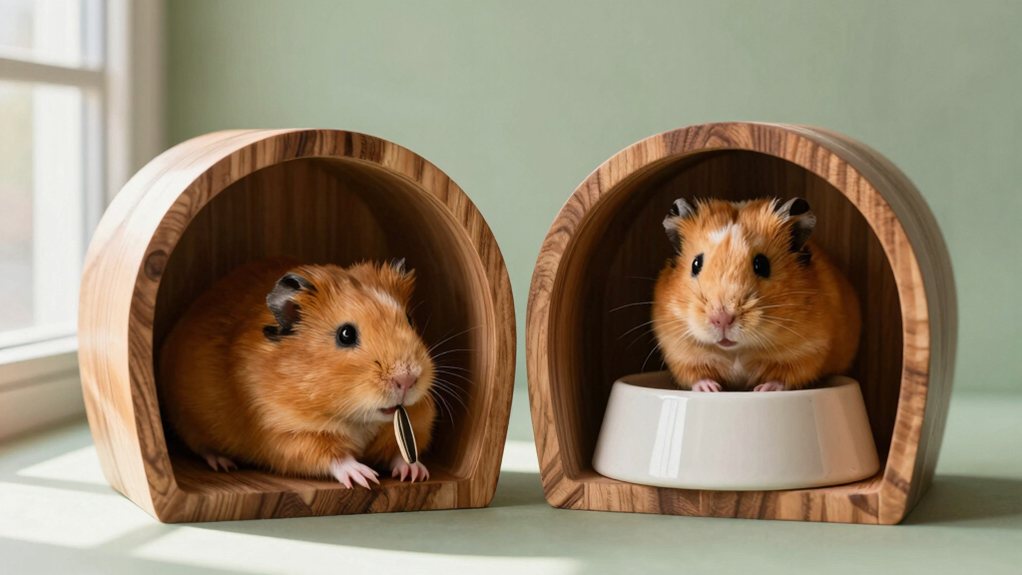
A cozy, covered hideout helps too.
You’ll both breathe easier, yes, even you when they stop judging you from their fortress of fluff.
Is Your Hamster’s Bedding Causing Stress or Injury?
What if the very thing your hamster’s snuggling into at night is actually working against their well-being? That cozy pile of fluff might be more trouble than comfort.
Some bedding materials, like fluffy cotton or shredded paper with sharp edges, can pose an injury risk. Tiny paws and delicate skin aren’t built for rough fibers.
Fluffy cotton and shredded paper may seem soft, but sharp edges and rough fibers can harm delicate paws—tiny feet need gentle care.
Worse, soft, stringy bedding can wrap around limbs, leading to cuts or even circulation issues.
You want your little buddy safe, not tangled like they’re in a tiny horror movie. Opt for safer options like paper-based or aspen bedding, it’s soft, dust-free, and way less risky.
Check their nest often. If it looks like a lint trap, it’s time to switch things up.
Your hamster’s comfort shouldn’t come at the cost of their health. A simple swap could mean a happier, healthier pet.
When to Suspect Illness vs. Environmental Stress?
Ever wonder why your hamster’s acting a little off, maybe napping more than usual or turning up their nose at treats they normally gobble down? It’s easy to panic, but take a breath.
Before assuming the worst, consider these clues to tell illness from environmental stress.
Check for abnormal breathing—slow, labored, or wheezing could mean illness.
Look for unusual discharge from eyes or nose—red or crusty gunk? That’s a vet sign.
Is your hamster hiding nonstop? Stress might be the culprit, not sickness.
Did you just clean their cage with strong soap? Harsh scents can overwhelm them.
If symptoms linger more than 24 hours or get worse, call your vet.
But sometimes, a quiet corner or a fresh hideout is all they need.
You’ve got this—your tiny buddy is lucky to have you watching their back (and nose).
Final Thoughts
You know your hamster best, so trust your gut when something feels off.
Small changes, such as a bigger cage, a quieter spot, or fresher food, can make a huge difference. You’re not aiming for perfection, just happy little paws and twitchy whiskers.
If in doubt, call the vet. After all, even tiny heroes deserve first-rate care and the occasional sunflower seed treat.