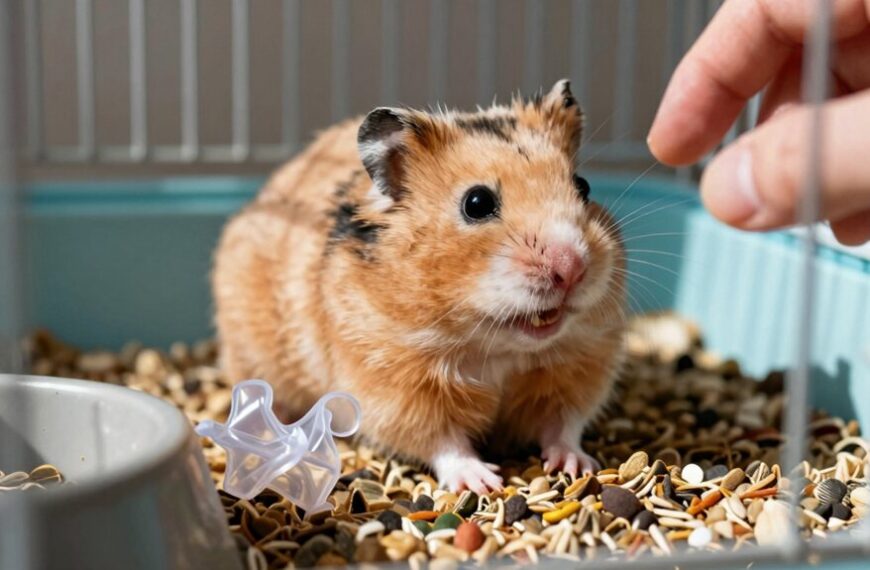
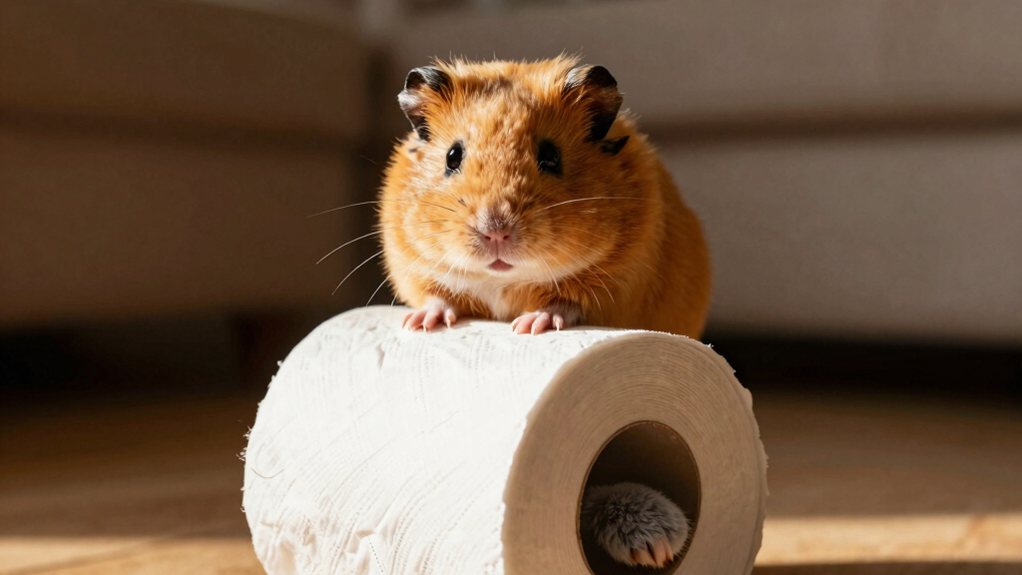
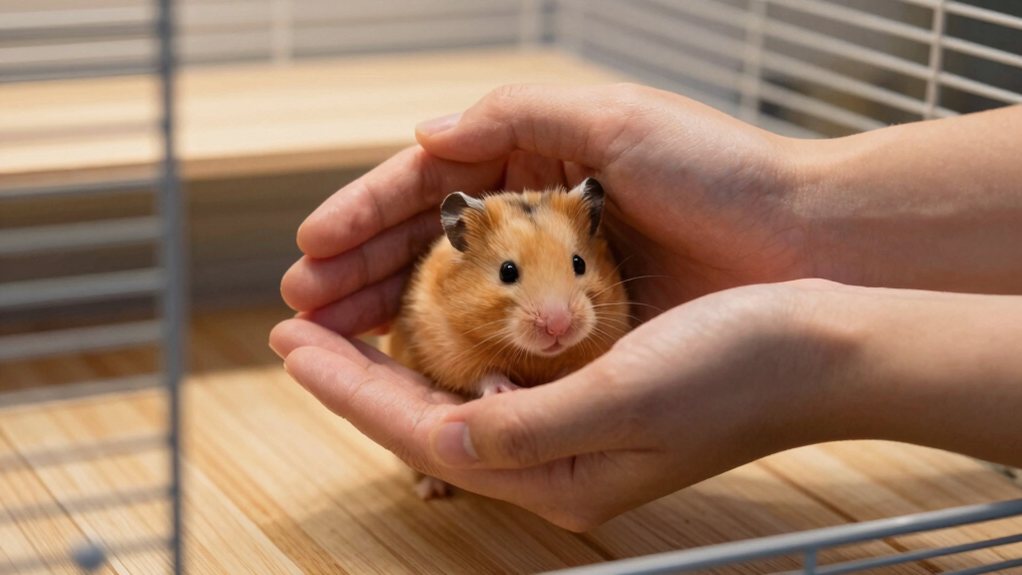
Your hamster’s climbing and chewing the cage because it’s likely bored, full of energy, or craving more fun in its space. These little escape artists love to explore and gnaw. It’s natural.
But when they do it nonstop, it’s often a cry for help: “I need more toys, space, or playtime!” A bigger cage, cool tunnels, and chew-safe toys can work wonders. You’ll both smile more once you find the right fix. There’s a bit more to the story, especially if the behavior never slows down.
Why Is My Hamster Climbing the Cage?

Ever wonder why your hamster turns into a tiny mountaineer, scaling the sides of its cage like it’s training for Hamster Everest? It’s actually pretty normal! Hamsters climb to explore, burn energy, or check out their surroundings. If your cage material is wire or has plenty of bars, your little buddy probably sees it as a jungle gym.
Your hamster’s climbing spree? Totally normal! They’re just exploring, burning energy, or treating their cage like a five-star jungle gym.
The climbing frequency often goes up when they’re bored or full of pent-up energy. Make sure they’ve toys, a wheel, and time outside the cage to play.
A solid-sided enclosure might help reduce constant climbing, especially if they’re trying to escape.
But don’t worry—occasional climbing is healthy. Just keep an eye on it. Too much could mean they need more mental or physical stimulation.
Think of it as their way of saying, “Hey, I need more fun in my life!” With a few tweaks, you’ll help your climber stay happy and off the walls.

🐹【Hamster Chewing Toy Set】Hamster chewing toy made of natural wood, durable apple branches as molar tools for your pets, timothy grass cake rich in dietary fiber promotes digestion, rolling seaweed balls, wooden seesaws and swings, and extra long play pipeline and various fun toys can keep your little pet healthy and happy.
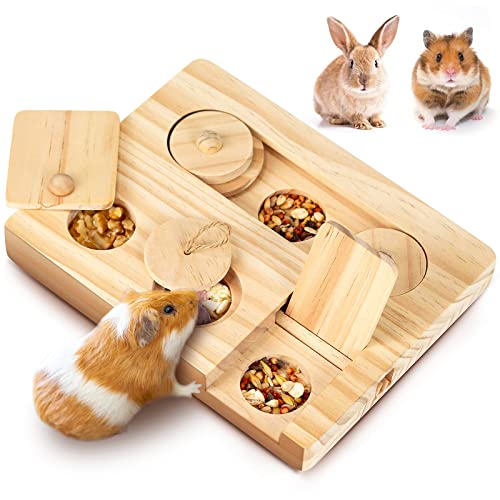
【SMALL ANIMAL PUZZLE GAME】Guinea pigs beignner love this accessories, the hamstersgame of SPIN & SLIDE, HIDE, & SEEK highly interested. The guinea pigs accessories game can highly encourage pet's natural foraging instincts. Guinea Pig would get exciting and active , they don’t feel bored.

Naturally Air-dried: Every sprig is hand-picked from whole plants and air-dried. Each stem is neatly trimmed, retaining its natural color and scent. Material: dried plant stems only. Suitable for pets to sniff and explore. Always supervise your pet during use. Store in a dry, dark place away from moisture, and handle gently as petals may shed if squeezed
Is Bar Chewing a Sign of Stress?
So, is your hamster gnawing on the cage bars because it’s stressed? Well, sometimes yes, bar chewing can be a sign of cage aggression or social isolation, especially if your little buddy is bored or lonely.
Hamsters are active creatures who need mental stimulation, and without it, they might turn to chewing as a coping habit. Think of it like us biting our nails when anxious!
But don’t panic. Not all chewing means stress. Some hamsters just love to gnaw, it’s natural for their ever-growing teeth.
Still, if your pet seems restless, aggressive, or withdrawn, consider enriching their space with toys, tunnels, or safe chew sticks.
Reducing social isolation with gentle interaction helps too.
Watch their behavior closely. You know your hamster best. A little attention goes a long way in turning cage chaos into calm contentment.
Is Your Hamster Bored? Key Signs to Watch
What’s your hamster doing when you’re not watching, just napping all day or actually looking for something to do?
If your little buddy’s constantly climbing or gnawing the bars, boredom might be the real culprit.
Hamsters need more than just food and water.
They crave mental stimulation and social interaction, even if they’re not super cuddly.
A bored hamster might over-groom, pace endlessly, or chew the cage nonstop.
These aren’t just habits, they’re SOS signals.
You can help by adding tunnels, chew toys, or a running wheel for fun.
Spend a few minutes daily letting your hamster explore, supervised, or talk to them softly.
Yes, they notice.
Simple changes bring big joy.
Think of it like giving your hamster a mini adventure.
After all, a busy hamster is a happy hamster and way less likely to treat the cage like a chew toy.
Does Cage Size Affect Bar Chewing?
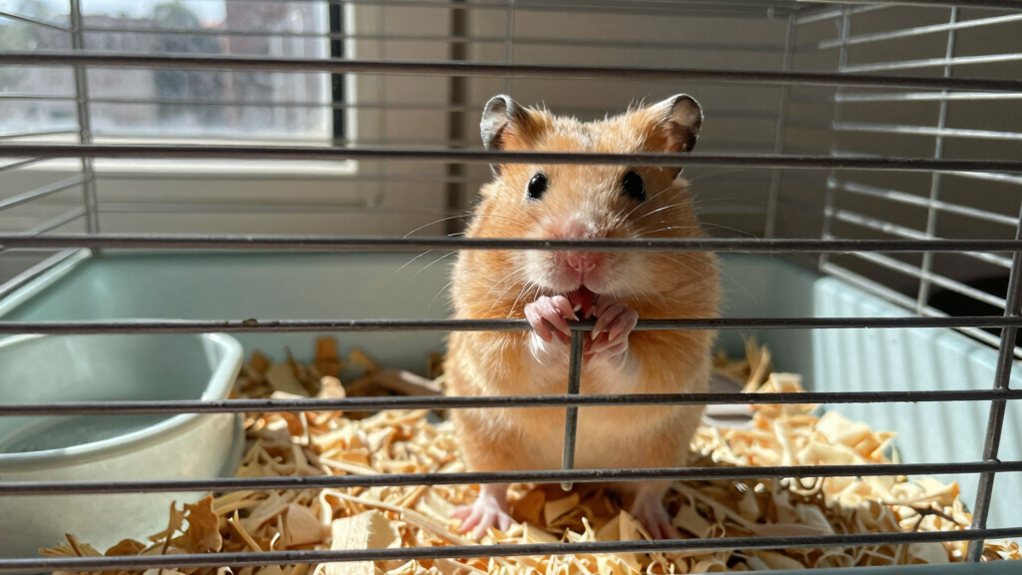
A cramped cage mightn’t be the main reason your hamster’s gnawing the bars, but it can definitely make things worse.
If your little escape artist is constantly climbing and chewing, it might be screaming for more space.
Hamsters need room to run, dig, and explore.
Without it, bar chewing becomes a nervous habit.
Check the bar spacing.
If it’s too wide, your hamster could get stuck or hurt trying to squeeze through.
And cage material matters.
Metal bars are chewable, but plastic can be risky if ingested.
A bigger cage won’t fix boredom alone, but it gives your pet more options to stay busy.
Think of it like giving a kid a tiny bedroom with nothing to do.
Eventually, they’ll start chewing the furniture.
Give your hamster the space it craves, and you might just save your sanity and the bars.
Why Exercise Reduces Cage Climbing
Most of the time, your hamster isn’t trying to stage a prison break. It’s just bursting with energy. When you give your little buddy daily exercise, like running in a wheel or exploring a safe play area, it burns off that extra steam. That means less time climbing and gnawing on cage bars.
Exercise benefits go beyond physical health. They provide serious mental stimulation, too. A tired hamster is a happy, calm hamster.
Without enough activity, your pet gets bored, and boredom often leads to bar chewing or frantic climbing.
Think of it like sending a kid to recess. They come back ready to chill. So, make playtime part of your routine. Add tunnels, toys, or a hamster ball for variety.
You’ll see fewer escape attempts and more naps, because even tiny adventurers need to unwind.
How to Spot Anxiety in Your Hamster
You might notice your hamster acting a little off, maybe it’s pacing nonstop or grooming so much it starts looking like a messy bedhead.
If your usually chill buddy suddenly zooms around at top speed or sits completely still for hours, something’s up.
Keep an eye out, because these little changes can be your furry pal’s way of saying, “Hey, I’m stressed!”

Designed for Wire-Cage: Comes with 18 textured climbing rocks and 48 nano-adhesives. Attach rocks to the plate with adhesive, then mount it to wire cage walls with spacers and zip ties. This hamster exercise toy stays firmly fixed when climbing vigorously
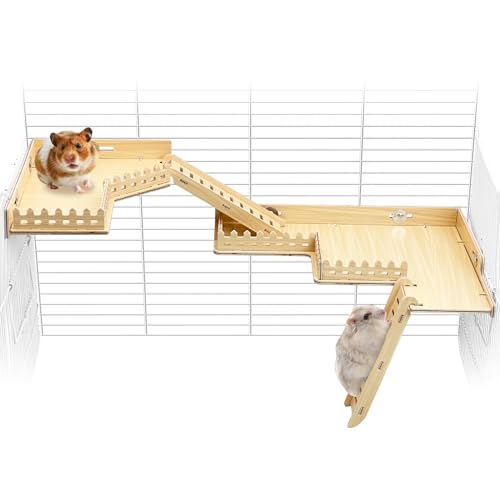
[High Quality Wood]: Hamster wood platform is made of high quality wood, the wood surface is smooth and waterproof, can be easily wiped clean. Note: Our products are only suitable for wire cages, please confirm before purchase

【Multifunctional Hamster Platform】Dwarf hamster cage accessories includes Dumbbell, climbing ladder, food bowl, platform, hamster teeth grinding lava block. Suitable for the daily training, playing, climbing, chewing, exercising
Signs Of Restlessness
Ever wonder why your hamster’s suddenly acting like a tiny, furry escape artist? Restlessness is a clear sign something’s off. If your little buddy’s constantly climbing the bars or gnawing at the cage, it mightn’t be mischief, it could be stress.
Watch for food hoarding in unusual spots, but also the nest. That’s a telltale clue they’re feeling uneasy.
You might even notice tail dragging, which isn’t normal and can signal discomfort or anxiety. They’re not being dramatic, they’re communicating!
Combine this with pacing or over-grooming, and it’s time to reassess their environment.
Maybe the cage is too small, or they need more enrichment.
A chew toy, a new tunnel, or quiet time can work wonders.
You’ve got this, your care makes all the difference in their tiny, twitchy world.
Excessive Grooming Behavior
Why does your hamster suddenly look like they’re auditioning for a spa commercial, grooming nonstop like it’s their full-time job?
While grooming is normal, excessive licking and scratching can signal anxiety.
If you notice fur thinning or red, raw patches from skin irritation, it’s time to pay closer attention.
Stress might be the hidden culprit behind this over-the-top spa routine.
Here’s what to watch for:
- Constant licking – Your hamster can’t seem to stop, even during playtime.
- Bald spots – Patchy fur thinning, especially on the belly or limbs.
- Irritated skin – Visible redness or scabs from too much grooming.
Don’t panic, this is fixable!
A calmer environment, gentle bedding, and quiet time can help your little groomer relax and return to normal.
Changes In Activity Levels
When your hamster goes from chill explorer to hyperactive escape artist overnight, something might be off. Sudden spikes in cage climbing or biting can signal anxiety, especially if paired with changes in feeding habits or sleep patterns.
Maybe your little buddy’s skipping meals or zoning out at odd times. These shifts are red flags.
Hamsters are creatures of comfort, so disruptions in routine can send their stress levels soaring.
Keep an eye on when they’re active, eating, or just vegging in their nest.
If your hamster’s acting like it’s training for a hamster Ironman one day and hibernating the next, it’s worth checking in.
A calmer environment, consistent schedule, and maybe a new chew toy can help.
You’ve got this. Your awareness is the first step to making life cozier for your tiny, twitchy-nosed pal.
Best Chew Toys for Hamsters That Bite Bars
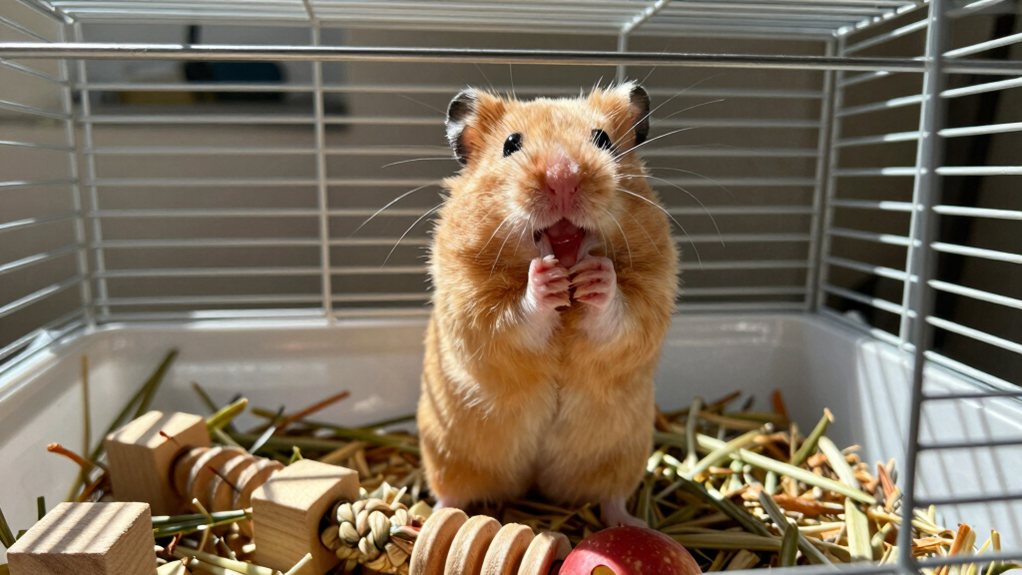
You know your hamster’s gotta chew, blame those ever-growing teeth. But tossing them a flimsy toy won’t stop the cage-bar buffet.
Try safe wood-based chews like applewood sticks, which they’ll actually enjoy instead of just using as a step ladder to escape.
And hey, toss in a durable mineral chew block too. It’ll keep their gnawing under control and save your sanity and the cage.
Safe Wood-Based Chews
A good chew toy isn’t just a nice-to-have, it’s a must if your hamster’s turning the cage bars into a personal chew gym.
Providing safe wood-based chews keeps those teeth in check and saves your cage from becoming a chew toy graveyard.
When picking wood treats, focus on wood safety and chew variety to keep things fun and healthy. Here are three top picks:
- Applewood sticks – All-natural, soft enough to gnaw, and safe if sourced pesticide-free.
- Willow chews – Durable and great for heavy chewers, plus, they smell like a forest spa.
- Manzanita branches – Super tough, long-lasting, and perfect for hamsters who chew like they’re training for a rodent Olympics.
Rotate them weekly to keep your little buddy interested.
Your hamster’s not being destructive, they’re just doing hamster stuff. Help them out with the right chews, and everyone wins, especially your cage bars.
Durable Mineral Chew Blocks
Those wood chews are great for daily gnawing, but if your hamster’s still treating the cage bars like a snack bar, it’s time to bring in the heavy hitters, mineral chew blocks.
These tough little bricks aren’t just for show, they pack serious mineral benefits that support strong teeth and bones.
Plus, their hard texture helps wear down overgrown incisors safely.
Chew safety is key, and mineral blocks are non-toxic and made specifically for small pets, so you won’t have to worry about splinters or harmful additives.
Your hamster mightn’t be impressed at first, hey, they’re not gourmet snacks, but most hamsters warm up to them once they get a taste of that satisfying crunch.
Hang one in the cage or place it on the floor, and let your furry friend go to town.
It’s a simple switch that can save your bars from bite damage, and your sanity from the nightly “gnawchestra.”
Ideal Cage Setup to Prevent Climbing
Ever wonder why your hamster turns into a tiny escape artist, scaling the bars like it’s training for Hamster Ninja Warrior? It might be your cage setup.
First, check the cage material. Wire bars are climbable, but solid plastic or deep bins reduce temptation.
Second, guarantee the ventilation design allows airflow without escape routes. Too many gaps invite adventure.
Third, enrich the interior so climbing feels unnecessary. Here’s how:
- Place a cozy hideout on the bottom level.
- Add a running wheel and chew toys at ground level.
- Use deep bedding for digging. Hamsters love going down, not up!
You’re not merely building a cage. You’re creating a happy hamster home.
When your pet feels safe and busy below, they’ll skip the bar climbs. Think less jailbreak, more zen den. With the right setup, peace and fewer chew marks is totally doable.
When to Worry About Obsessive Behavior
You’ve nailed the cage setup, solid walls, cozy hideout, plenty of chew toys, and deep bedding for digging adventures. Your hamster isn’t scaling the sides like a tiny, furry mountaineer anymore.
But if your little buddy keeps gnawing the bars or pacing nonstop, it might be more than just boredom.
While some quirks are normal, obsessive behaviors, like constant circling or chewing, can hint at deeper issues.
Keep an eye out for signs of cognitive decline, especially in older hamsters, or possible neurological issues if movements seem off or uncoordinated.
It’s like your hamster’s brain is glitching, adorable, but not quite right.
When these habits stick around or get worse, it’s time to call the vet.
They can help rule out health problems and maybe even suggest tweaks to ease the stress.
You’re doing great, just don’t ignore the red flags hiding under all that cuteness.
Simple Habitat Upgrades That Work
What if a few small tweaks could turn your hamster’s home from “meh” to magnificent?
You’d be amazed at how simple changes can reduce cage climbing and biting.
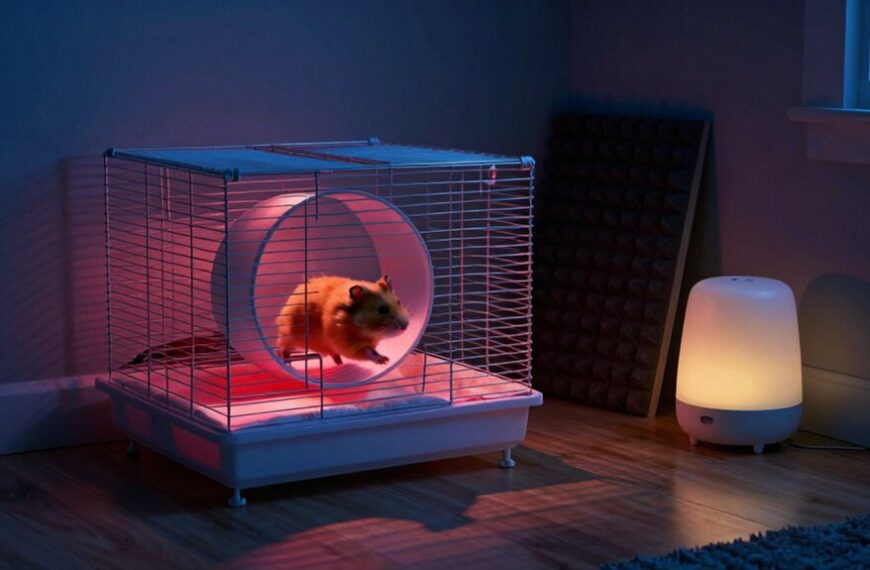
First, add natural lighting: place the cage near a window but not in direct sun so your hamster feels in tune with day and night.
Second, guarantee a quiet location away from TVs, loud pets, or foot traffic.
Hamsters thrive in calm spaces.
Third, toss in more enrichment: tunnels, chew toys, and a cozy hideout.
These upgrades aren’t just fancy extras.
They meet your hamster’s need for safety, stimulation, and routine.
Think of it like upgrading your own bedroom to a peaceful retreat.
Transform your hamster’s space into a serene sanctuary—simple changes bring peace, comfort, and a happier, calmer pet.
Small effort, big payoff.
Your hamster might just stop chewing the bars and start napping in peace instead.
Final Thoughts
You’ve got this! Climbing and chewing bars usually mean your hamster’s bored or needs more space, totally fixable.
Swap in fun chew toys, up the cage size, and add tunnels or wheels to keep things exciting. A little change goes a long way in making your tiny buddy happier and healthier.
Think of it like sprucing up your own room. Everyone needs a cozy, fun space. You’re already caring, and that counts for a lot.

Weight: One pack of 250g apple sticks for pet rodents includes premium hamster chew sticks. Dimensions are controlled within a reasonable range, with each stick having a length of about 4.5 inches and a diameter no more than half an inch

Tasty apple and honey treat sticks your hamsters will love

100% Natural Apple Wood Material – Sourced from pesticide-free apple orchards, our chew sticks are non-toxic, safe for hamsters, guinea pigs, rabbits and other small pets. No additives, preservatives or artificial flavors, ensuring your furry friends can gnaw with confidence.