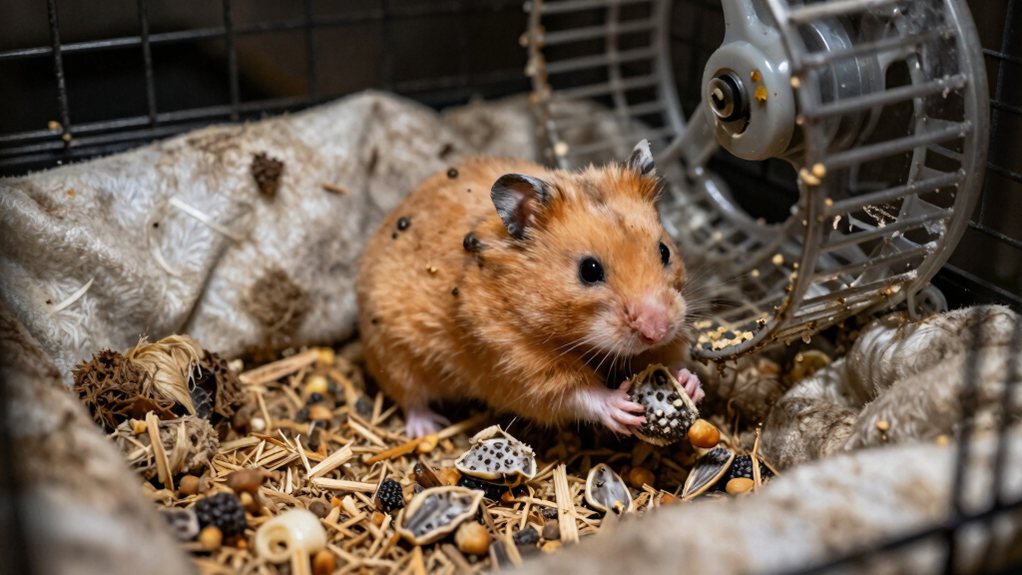
Pick a cute, short name like “Nugget” and say it often in a soft, happy voice. Every time you call their name, follow it with a tiny treat when they look or come. This builds trust fast.
Keep sessions quick, just a few minutes, and always end on a high note. Watch their body language. If they’re relaxed, they’re ready to learn.
Stay patient, be consistent, and soon your little buddy might just scamper to you on cue, especially if snacks are involved. There’s a bit more to mastering this cute trick, so let’s see how you can level up your bond.
Name Your Hamster and Say It Often

So, how do you get your hamster to actually know it’s being called—and more than merely zone out like it’s ignoring you on purpose? Start by picking a short, snappy name that suits your hamster’s personality: something like “Nugget” or “Pip” works great. Then say it. A lot.
Pick a cute, catchy name like “Nugget” or “Pip” and say it often—hamsters learn through repetition and tone, not just words.
Every time you feed, pet, or even just talk to your little buddy, use their name.
Hamsters may not understand words like dogs do, but they pick up on your vocal tone and routine. Keep your voice soft and cheerful.
It helps them associate their name with good vibes.
Think of it like baby talk, but for tiny, furry escape artists.
With patience and consistency, your hamster mightn’t come running like a pup, but they’ll start recognizing that you’re talking to them.
And hey, if they pause mid-nibble? That’s a win.
Call Their Name + Offer a Treat
What if you could turn snack time into a mini training session that strengthens your bond and teaches your hamster to respond on cue? Here’s how: say your hamster’s name, then immediately offer a tiny treat.
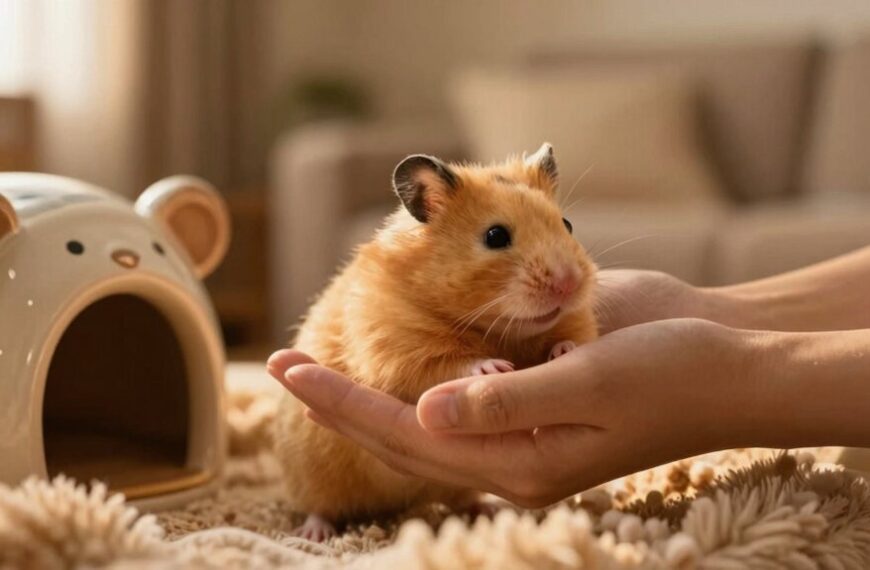
Repeat this during playtime bonding to build trust and recognition. The key is treat timing: give the snack right after they look or come to you, so they connect the action with the reward.
Don’t rush it. Hamsters aren’t magic, and they won’t sprint like dogs. But with patience, they’ll start to associate their name with something yummy and fun.
Keep sessions short and sweet: two minutes is plenty.
Over time, your little buddy will perk up at the sound of their name, enthusiastic for a treat and your attention. It’s simple, effective, and honestly kind of adorable.
You’re doing more than just feeding them: you’re communicating. And that makes playtime way more meaningful.
Trust develops over time with patience, calm presence, and warmth, so consistency in these mini-sessions reinforces your hamster’s sense of safety and calm presence.
Keep Training Sessions Short and Sweet
Keep your training sessions quick, hamsters have tiny attention spans, not tiny PhDs.
Aim for a few minutes daily, since consistency builds trust and turns skittish side-eyes into “Hey, it’s snack time!” moments.
Always end on a win, like a treat grab or a high-five (okay, maybe not the high-five).
Short Sessions Work Best
Ever wonder why your hamster seems to lose interest halfway through training? It’s not you—it’s the clock. Hamsters have tiny attention spans, so short sessions work best.
Aim for 5 to 10 minutes, especially after play time, when they’re already alert and curious. These quick bursts give your little buddy just enough mental stimulation without overwhelming them.
Think of it like snack-sized learning—easy to digest, fun to repeat. You’ll see better focus and progress when you keep things snappy.
Plus, ending on a high note means your hamster will actually *want* to come back for more.
Who knew training could be this cute? So skip the marathon sessions. Your palm-sized pal will thank you. Short, sweet, and full of wins—that’s the golden rule.
Consistency Builds Trust
Most days, a little routine goes a long way with your hamster. Consistency isn’t just about timing, it’s about trust building. When you show up regularly with kindness and calm energy, your hamster learns to rely on you.
Predictable hamster habits reduce stress and create a safe space where bonding can grow. Think of it like making a new friend: showing up, listening, and being patient matters.
Here’s how consistency turns fear into friendship:
- Same time each day – Your hamster feels secure knowing what to expect.
- Same quiet spot – A familiar place helps them relax and focus on you.
- Same gentle voice – They’ll start to recognize and trust your tone.
Stick with it, and soon your hamster might come running. No magic, just trust.
Maintaining an ideal habitat with stable temperature and humidity levels also supports your hamster’s overall comfort and responsiveness during training.
End On A Positive Note
You’ve built a rhythm with your hamster—same time, same spot, same soothing voice—and that steady routine is working wonders. Now, let’s talk about ending on a high note.
Keep training sessions short and sweet: just 5 to 10 minutes. Hamsters have tiny attention spans (and even tinier bladders!).
Wrapping up while your little buddy is still engaged boosts hamster happiness and leaves them enthusiastic for the next round.
Always finish with a treat and gentle praise. Positive reinforcement makes your hamster associate training with fun, not stress. Think of it like a mini victory lap!
Overdoing it can backfire, turning playtime into naptime—or worse, escape attempts. You’re not trying to teach Shakespeare here.
Short, upbeat sessions build trust and progress.
Read Your Hamster’s Body Language
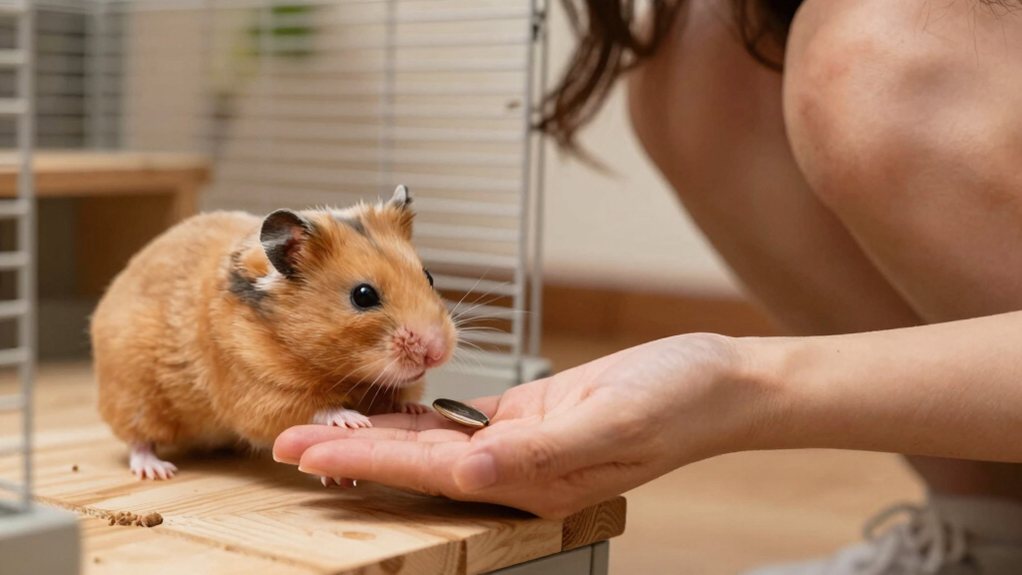
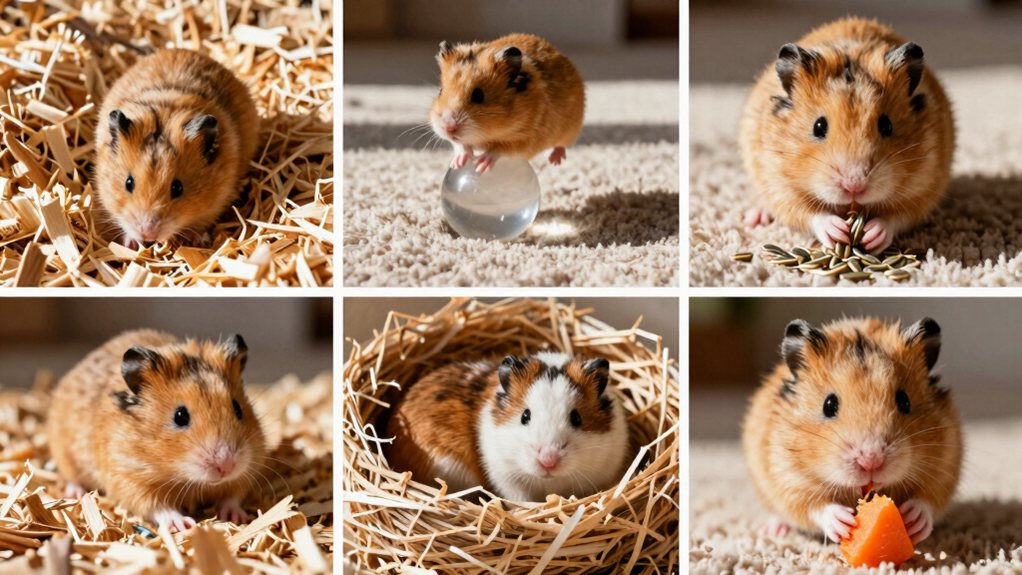
How does your hamster say it’s happy, scared, or simply grumpy? Paying attention to tiny cues like tail flicking and ear twitching can tell you volumes. Hamsters don’t use words, but their bodies speak loud and clear.
- Ears forward and nose twitching? They’re curious and relaxed, perfect time for training!
- Tail flicking or hunched posture? Back off, they’re stressed or annoyed.
- Ear twitching while freezing in place? They’re scared, not merely daydreaming.
You’ll start seeing their little personalities shine through. A calm hamster trusts you, making training easier and more fun.
Watch closely, respect their moods, and respond gently. Think of it as decoding your fluffball’s secret language. Get it right, and you’ll both enjoy the experience.
Misread it? No worries—just try again later.
Patience, a soft voice, and a treat go a long way.
Practice Recall in a Safe, Quiet Space
Find a quiet corner of the house where your hamster won’t get spooked by loud noises or sudden movements. Yes, even your dog’s sneeze counts.
Set up a small, safe space with familiar bedding and a treat or two.
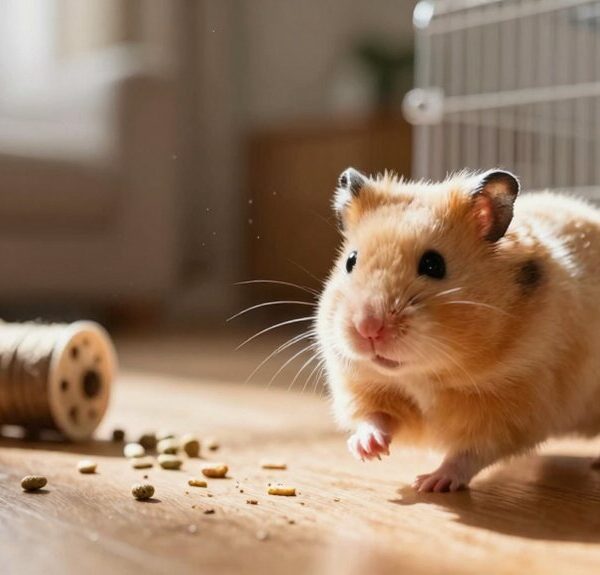
Then call your hamster in a soft, friendly voice while staying low to the ground.
Keep these little training sessions short and sweet.
Let’s be honest, their attention span is about as long as a TikTok video.
Safe Environment Setup
Setting up a cozy, secure spot for your hamster to explore is the first step toward building trust, and yes, even teaching them to come when called. You want your little buddy to feel safe, not stressed.
Start with soft, clean hamster bedding so their paws stay comfy. Make sure the cage has an exercise wheel. Trust me, a tired hamster is a happy, trainable hamster.
Keep the area quiet and free from loud noises or sudden movements.
Here’s what makes your hamster feel at home:
- A snug hideout where they can nap like they’re on vacation
- Fresh water and tasty treats nearby—because who learns on an empty stomach?
- No surprise predators (aka curious cats or overexcited kids)
You’ve got this. A calm space means a confident hamster—and that’s one smart little furball.
For supervised exploration outside the cage, consider using a pop-up automatic setup to create a safe, enclosed play area.
Quiet Training Sessions
Why do some hamsters come running when called while others vanish into their hideout like tiny furry ninjas? The secret’s in the setting. For successful recall, you need quiet training sessions in a calm atmosphere. Pick a peaceful spot, no loud music, barking dogs, or zooming siblings.
Your hamster’s more likely to focus when they’re not startled by sudden noise. Use gentle handling to build trust before training. Let them sniff your hand and climb on you willingly.
Start with short, positive sessions, just a few minutes, calling their name in a soft, friendly voice. Reward with a tiny treat when they respond. Keep it fun and stress-free.
With patience and consistency, even the shyest hamster might just stop being a ninja and start coming when called. You’ve got this!
Loud environments can trigger stress responses because hamsters are sensitive to loud noises such as music.
Consistent Recall Practice
Ever wonder how your hamster learns to come when you call instead of diving headfirst into a tunnel like it’s auditioning for a spy movie? Consistent recall practice makes all the difference.
You’ll want to train in a safe, quiet space, free from distractions, so your little buddy can focus on you, not the rustling leaf outside.
Use positive reinforcement every time: a tiny treat or soft praise works wonders. Keep training frequency regular—short 5-minute sessions daily build trust and memory.
Over time, your hamster will associate your voice with good things.
Here’s how to make it count:
- Call their name in a cheerful tone.
- Reward instantly when they look or come.
- Repeat daily—consistency breeds confidence.
You’ve got this!
Why Your Hamster Isn’t Coming (And How to Fix It)
What’s going on when your hamster scurries the other way the second you reach into the cage? Well, it’s not personal. Your tiny buddy isn’t being stubborn. Thanks to hamster genetics and natural instincts, your pet sees quick movements as a threat.
In the wild, sudden hands mean predators, not snacks. So, instead of coming, they bolt.
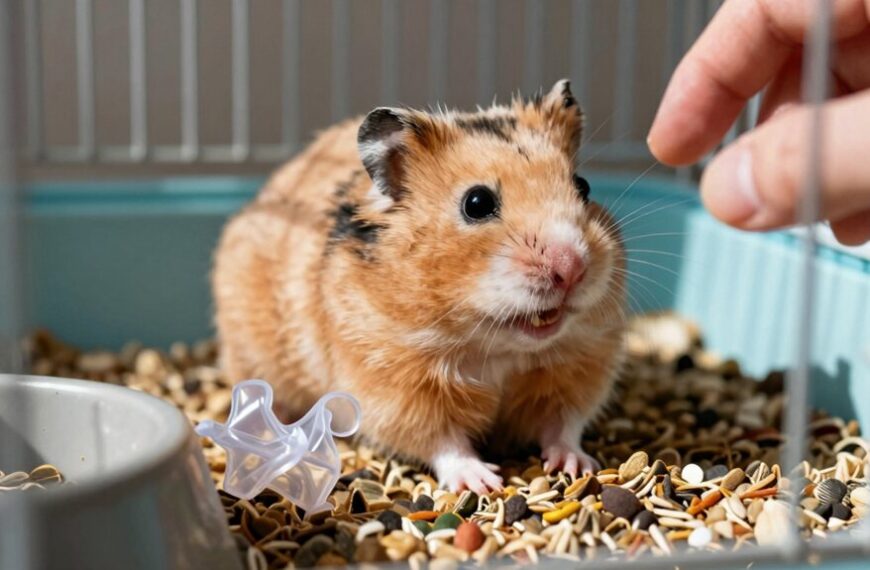
But don’t worry. You can fix this. Start by moving slowly and speaking softly every time you approach. Offer treats from your hand daily to build trust.
Let your hamster sniff you first instead of grabbing. Over time, they’ll learn your hand means good things, not danger.
Consistency is key. Think of it like making a new friend. Patience wins.
Soon, your hamster might just pause, sniff, and waddle over when you call. You’ve got this!
Final Thoughts
You’ve got this! With a little patience and lots of tiny treats, your hamster will learn to come when called, maybe not like a dog, but close.
Keep sessions fun and short, and always read their mood. They might ignore you sometimes. Hey, we all need space. But don’t give up.
Celebrate the small wins, like a twitchy nose or a curious pause. You’re building trust, one squeak at a time.