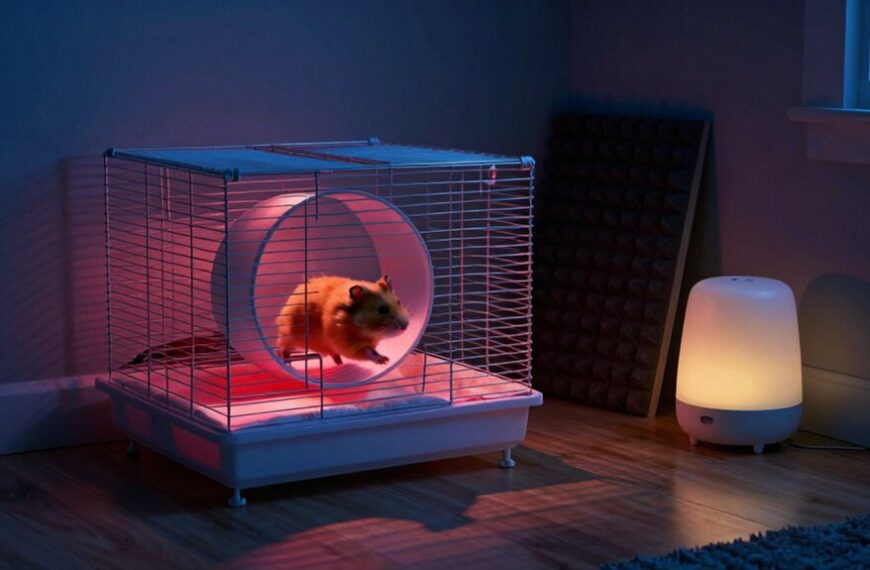
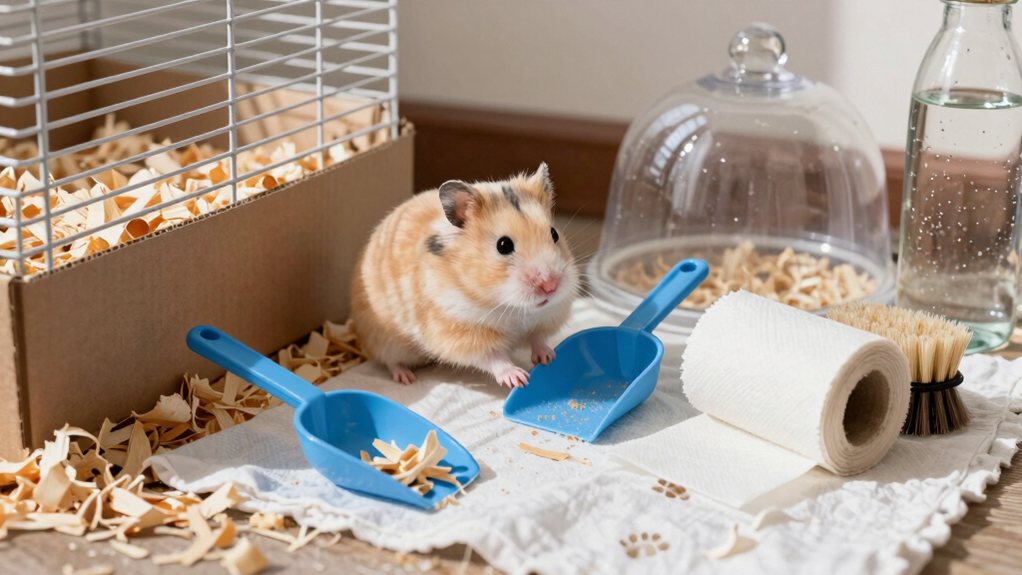
You’re more likely to get a little nip from dwarf hamsters like Roborovskis or Campbell’s. They’re tiny, fast, and easily startled, kind of like furry little alarm systems.
Syrians are calmer and usually roll with the punches better. But any hamster might bite if scared, stressed, or surprised by a hand from above. It’s not personal. It’s just how they cope.
Keep things calm, move slowly, and you’ll both get along just fine. There’s a lot more to learn about winning their trust.
Which Hamster Breeds Are Most Likely to Bite?
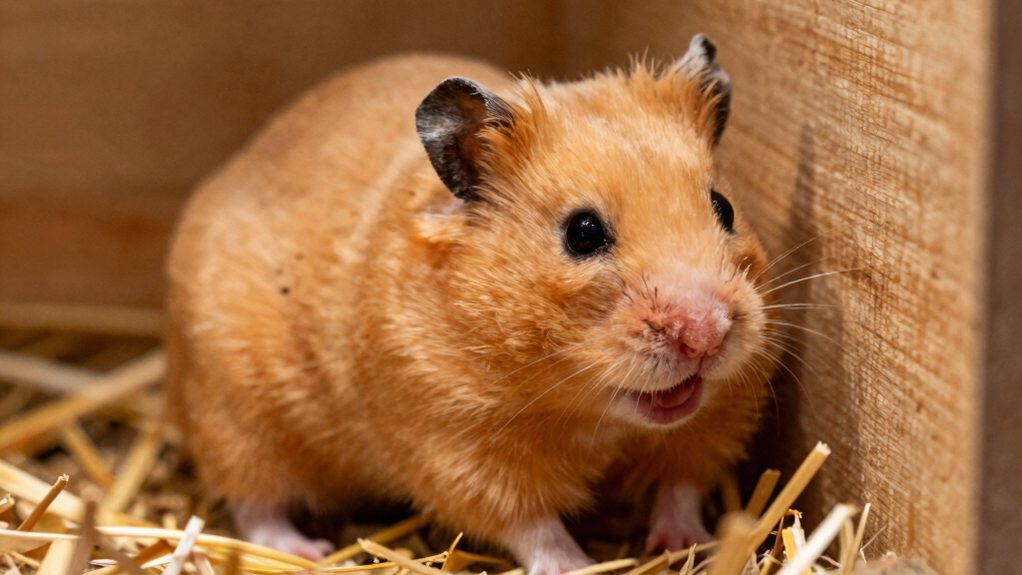
Ever wonder if some hamsters are more prone to sinking their tiny teeth into your finger than others? While no breed is naturally aggressive, behavior often comes down to care, not coat color. Syrian hamsters, the largest type, tend to be calmer and less likely to bite when handled gently.
Dwarf hamsters, like Roborovskis or Campbell’s, can be nippy, especially if startled or stressed. But here’s the thing: it’s not really about breed.
A cramped cage size stresses any hamster, making bites more likely. Give your little buddy space to explore, a cozy hideout, and time to adjust.
A cramped cage stresses any hamster—spacious digs, a cozy hideout, and patience go a long way in preventing bites and building trust.
Wash your hands before handling (no food smells, please!), and avoid waking them suddenly.
With patience and proper setup, even the skittish ones warm up. So don’t blame the coat color—check the cage size and your approach first. You’ve got this!
A hamster’s biting tendency is often linked to fear and stress rather than inherent aggression.

Naturally Air-dried: Every sprig is hand-picked from whole plants and air-dried. Each stem is neatly trimmed, retaining its natural color and scent. Material: dried plant stems only. Suitable for pets to sniff and explore. Always supervise your pet during use. Store in a dry, dark place away from moisture, and handle gently as petals may shed if squeezed

Fine Silica Sand: Bath sand is one of the necessary hamster accessories. And silica sand is a type of sand commonly used in hamster sand baths. It is a natural and absorbent fine sand that helps remove excess grease and dust from the hamster's fur, removes dirt and odors from the body, and keeps the little pet dry and clean

FRUITY FLAVOR COMBINATION: Crafted with delicious cherry and banana, these bite-sized treats are made for dwarf hamsters, rats, and mice, offering a burst of sweet taste that will make snack time extra special.
Why Dwarf Hamsters Bite More Often
Why do dwarf hamsters seem to nibble more than their larger cousins?
Well, it’s not that they’re mean.
They’re just tiny bundles of instinct with big personalities packed into small bodies.
Here’s why biting happens more often:
- Size and Sensitivity: Their small size makes them easily startled, so sudden movements might trigger a quick nip.
- Territory Marking: They use scent glands and may bite to reinforce their space, especially if they feel crowded.
- Food Guarding: Dwarf hamsters can be fiercely loyal to their snacks and might bite if you reach into their bowl too soon.
- Social Structure: Unlike some calmer breeds, dwarfs can be feisty, especially when lonely or stressed.
You’re not dealing with a tiny villain.
Just a little creature doing its best.
With patience and gentle handling, even the nippier dwarfs can learn to trust you.
A bite from a dwarf hamster is usually fear-based rather than aggressive, so understanding this fear-based behavior can help prevent future incidents.
Are Syrian Hamsters Less Likely to Bite?
You might’ve heard that Syrian hamsters are the gentle giants of the hamster world, calm, cuddly, and way less likely to chomp your finger. And honestly, that’s pretty spot-on. Compared to their feisty dwarf cousins, Syrians usually have a calmer temperament, making them less prone to sudden nips.
These differences in temperament don’t mean they’re pushovers, though. Hamsters are still prey animals, so their natural instincts can kick in if they feel startled or threatened. That’s why slow, gentle handling matters.
With regular, patient interaction, your Syrian will learn to trust you, reducing bite risks even more. Sure, no hamster comes with a no-bite guarantee, but their laid-back vibe gives Syrians a real edge.
So if you’re after a fuzzy friend who’s more likely to nap in your palm than panic-bite, a Syrian might just be your best bet.
Just remember: respect their space, read their mood, and always wash your hands. No one likes snack-scented fingers near their face!
Bites are not expressions of affection, so any nipping is more likely due to fear or curiosity than a desire to show love.
Why Even Friendly Hamsters Bite

So, what happens when your sweet, seemingly angelic hamster suddenly turns into a tiny toothy tornado? Even friendly hamsters bite, and it’s usually not because they’ve turned evil. It’s because something’s up. Here’s why:
- You startled them – Hamsters have lousy eyesight and might mistake your hand for a threat.
- Territorial behavior – They mark their space, and if you invade it during cleaning, chomp city.
- Food aggression – That treat in your hand? They want it, and they might bite to get it.
- They’re stressed or scared – Loud noises or sudden moves can send them into panic mode.
It’s not personal, really. Think of it as tiny drama with tiny teeth.
With patience, gentle handling, and snack diplomacy, most nips stop.
Just remember: you’re a giant to them. Go slow, stay calm, and maybe wear gloves during snack negotiations.
A lack of environmental enrichment can also lead to increased stress and biting, as hamsters may become restless or develop compulsive behaviors like excessive cage chewing due to boredom and lack of stimulation.

Sized for every interaction: At 9.84x7.87 inches for the hamster anti-bite gloves and 4.92x1.57 inches for the hamster brush, this hamster sugar glider bonding pouch set offers the suitable size for gentle pet care and is suitable for hamsters cats sugar gliders bunnies ferrets rats chinchilla guinea pigs, hedgehogs parrots small dogs. The calming glove comfortably fits most hands, ensuring a pleasant interaction, while the compact grooming brush easily touch hard-to-reach areas.


Safe & Smooth Natural Wood:Crafted from high-quality, polished wood that’s safe for chewing and splinter-free—perfect for hamsters, gerbils, and mice.
Common Handling Mistakes That Cause Bites
You mightn’t mean to spook your hamster, but quick moves can make them jump, and bite.
If you scoop them up from above or grab too fast, they’ll feel scared, not loved.
And hey, if they’re hissing or backing away, that’s their way of saying “give me space,” not “come closer!”
Building trust takes time and depends heavily on your hamster’s unique personality differences.
Sudden Movements Startle Hamsters
Ever wonder why your hamster sometimes bolts or nips when you reach for it? Sudden movements can really startle them, after all, they’re tiny creatures with big survival instincts.
Loud noises or unfamiliar scents nearby only make it worse. To keep your little buddy calm, move slowly and speak softly. Here’s how to help your hamster feel safe:
- Approach from the front so they can see you coming.
- Wash your hands to remove unfamiliar scents before handling.
- Avoid loud noises or quick gestures near their cage.
- Let them sniff your hand first—no surprise attacks!
Think of it like sneaking up on someone watching a thriller. No one likes that jump scare! With a little patience, your hamster will learn you’re not a threat, just a snack-bearing friend.
Improper Hand Placement Triggers Fear
Reaching into the cage with confidence is great, but how you place your hands makes all the difference.
Scooping your hamster with gloved hands or cold fingers can startle them, imagine waking up to a giant icy mitt!
Hamsters rely on scent and touch, so sudden, unfamiliar textures confuse them.
Instead, warm your hands first and slide them gently under your pet’s belly, letting them sniff and adjust.
Never grab from above like a swooping hawk, that screams danger to a tiny hamster.
Keep movements slow and predictable.
Think of it like petting a nervous cat, you wouldn’t lunge, right?
Proper hand placement builds trust, not fear.
Do it right, and bites become rare.
Do it wrong, and you might earn a tiny, surprised nip.
So be kind, be warm, and skip the gloves.
Your hamster will thank you with fewer chomps and more cuddles.
Ignoring Warning Signs Escalates Bites
What happens when your hamster freezes, flattens its body, or starts backing away as you go to pick it up? You might think it’s just being cute, but those are clear warning signs.
Ignoring them often leads to bites, especially when misinterpreted body language goes unnoticed.
Hamsters aren’t being dramatic; they’re asking for space. Push too hard, and that tiny mouth snaps shut on your finger.
Here’s what escalates tension:
- Reaching during nap time (they’re nocturnal divas).
- Overlooking hisses or teeth grinding.
- Forcing interaction after unexpected environmental changes, like a new toy or cage mate.
- Skipping slow hand introductions.
You’re not a hamster mind-reader, but paying attention prevents chomp attacks.
Think of it as friendship detective work with fewer clues and more squeaks.
Stay calm, read the room, and let your little buddy set the pace.
How to Socialize Your Hamster to Prevent Biting
So, how do you turn your skittish little hamster from a tiny toothy escape artist into a calm, curious buddy who actually enjoys your company? Start by building trust slowly, offer treats from your hand daily, using pieces from their hamster diet to create positive associations.
Spend time near their cage every day, talking softly so they get used to your voice.
Gradually introduce your hand inside, letting them sniff and explore at their pace.
Make sure their space is comfy and stress-free with the right cage accessories, like hiding spots and chew toys, so they feel secure.
Handle them gently and briefly at first, increasing time as they grow more confident.
A lack of mental stimulation can lead to stress and biting, so providing environmental enrichment is essential for preventing cage rage.
Final Thoughts
You’ve got this! While dwarf hamsters might nip more often, any hamster can bite if scared or stressed.
Syrian hamsters tend to be calmer, but every little furball has its own personality. Avoid sudden moves, skip the cookie-cutter handling, and take time to build trust.
Think of it like making a new friend. Patience wins. A little humor helps too, yes, even cute fluffballs have bad hair days.

[ All-Natural Materials ] Made from 100% natural materials, with no artificial harmful additives or preservatives, ensuring a safe and healthy option for your pets.

You will receive: comes with 5 pieces hamster toy including 1 double layer hamster house, 1 seesaw, 1 rainbow bridge, 1 swing and 1 hamster exercise circle toy; This hamster toy set is suitable for cage accessories; Different toys will make hamsters have fun
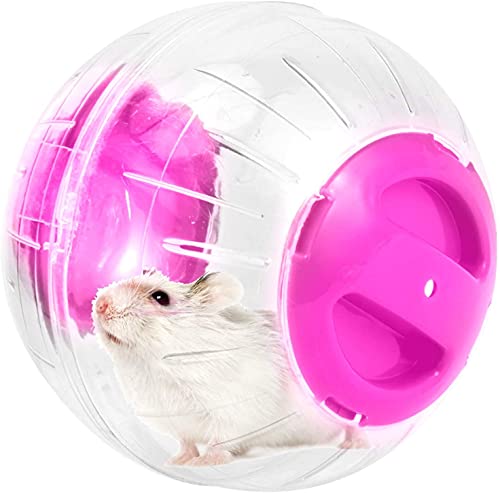
【Crystal Ball For Hamsters】: Size: 4.72 Inches, for Hamsters Less Than 4 inches 10 cm in Length .Pets can play in the Crystal Ball For Hamsters, and the owner can observe the pet's every move. So cute!This is a small hamster ball, not suitable for larger pets. Note: This is a mini running ball. Not suitable for large pets.