Two hamsters can be more fun than one, but only if you play matchmaker wisely, they’re not all cuddly roommates. You’ve got to pick the right dwarf duo, introduce them early, and give them space to avoid cage wars.
Sure, they might snuggle up or groom each other, but they could just as easily squabble over a tunnel. It’s part science, part luck. Think of it like setting up a blind date, with fur and squeaks. You’ll want to know the signs they’re bonding, or brawling, before things get hairy.
Can Hamsters Live Together Happily?
So, can hamsters actually live together happily, or is that just a cute idea we see in cartoons and pet store displays?
Well, here’s the real scoop: most hamsters *don’t* enjoy roommates.
Yep, their hamster personality tends to be pretty solo. Think “introvert with a tiny gym”!
Even if you start with siblings, once they mature, one might decide they’re the boss.
Even sibling hamsters can turn from cuddly pals to tiny tyrants once they grow up—one will always want to rule the roost.
This creates a cage hierarchy that usually ends in squabbles or stress.
Syrian hamsters, especially, are like, “My turf, my rules!” and should *always* live alone.
Some dwarf types *can* cohabitate, but it’s risky and needs careful monitoring.
Honestly, forcing them together is like making two strangers share a shoebox.
Awkward and messy.
So, while it sounds sweet, two hamsters isn’t always better.
Sometimes, giving each little furball their own space is the kindest and drama-free move.
Which Hamster Species Can Share a Cage?
You’ve probably seen those adorable setups where hamsters snuggle up together like tiny roommates sharing a dorm.
But before you go pairing them off like matchmakers, let’s talk about which species actually stand a chance at sharing a cage without turning it into a reality TV showdown.
When it comes to cage compatibility, not all hamsters are team players.
Syrian hamsters are strictly solo stars.
They’re territorial, and sharing means stress or even fights.
Dwarf types, like Roborovskis, Campbells, and Siberians, can sometimes live together peacefully.
The key is species temperament.
Robos are chill and social, making them better candidates.
Still, even friendly dwarfs need a large cage, double hideouts, and careful monitoring.
Introduce them young and watch for squabbles.
If they’re constantly bickering, it’s not drama you want.
Split them up.
Bottom line: do your homework, respect their space, and remember—happy hamsters aren’t always social ones.
How Much Space Do Two Hamsters Need?
When it comes to housing two hamsters, skimping on space is a one-way ticket to the hamster drama zone.
You’ll need a much larger cage size than you’d use for just one, think at least 450 square inches of floor space to keep the peace.
Even chill hamster pals need room to claim their own territory, stretch their legs, and avoid awkward “who’s in my corner?” moments.
Plus, their exercise needs don’t double, they triple.
Two hamsters mean twice the wheel turns, tunnel digs, and midnight sprint marathons.
A cramped cage leads to stress, fights, and maybe a tiny boxing match you didn’t sign up for.
Go big, add extra hideouts and toys, and you’ll give them space to thrive, without the drama.
Trust us, happy hamsters = happy you.
A cage with a pull-out tray simplifies cleaning and helps maintain a healthy environment for multiple hamsters.
How to Introduce Hamsters Without a Fight
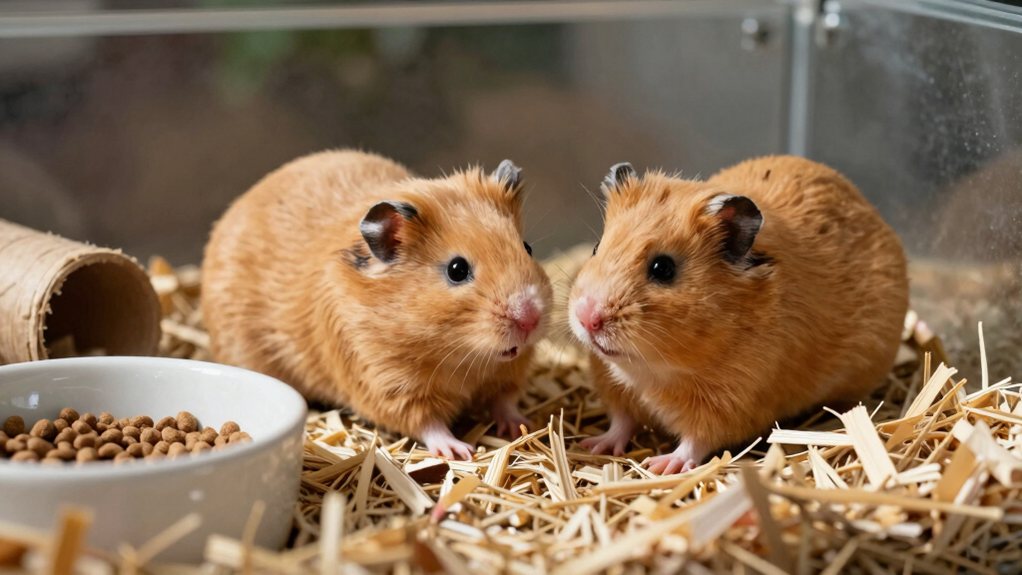
You’ll want to set up a neutral play zone where neither hamster feels territorial, think of it like a tiny, shared apartment with no prior drama.
Swap their bedding every few days so they get used to each other’s smell, kind of like sending secret scent messages under the door.
When you finally bring them together, keep the first meet-and-greet short and sweet, with you watching like a nervous stage parent.
Safe Space Setup
Setting up a neutral play zone is your best shot at keeping the peace when introducing two hamsters.
Skip the home cage drama.
Start somewhere neither hamster claims as their turf, like a clean bathtub or a spare bin with bedding.
This helps avoid early clashes over hamster hierarchy.
Toss in some cage decorations, tunnels, hideouts, even cardboard castles, to break lines of sight and give them places to explore or hide if things get awkward.
You’re doing more than decorating.
You’re creating escape routes and chill zones.
Keep the vibe calm but fun.
Think hamster speed dating, not a cage match.
Watch their body language closely.
Curious sniffs are good.
Hissing means hit pause.
With the right setup, you’re doing more than preventing fights.
You’re helping them build a tiny, furry friendship.
And hey, teamwork makes the dream work, right?
Scent Swapping Technique
How do you get two hamsters to go from strangers to roomies without throwing down in a furball fight? Try the scent swapping technique! Hamsters rely heavily on scent marking to understand their world, so helping them get used to each other’s smell can prevent drama.
Grab a clean cloth or unscented wipe and gently rub it on one hamster’s back, don’t stress them out, just a quick swipe. Then, do the same with the other hamster using the same cloth. This creates odor mixing, kind of like a furry handshake.
Repeat this daily for about a week. You’re basically telling them, “Hey, this guy? Totally safe. Smells like you… and also slightly like hamster snacks.”
It’s simple, safe, and way less awkward than a playdate. With a little patience, your little stinkers might just become best buds.
Supervised First Meeting
So, what happens when it’s time to see if your hamsters actually like each other or just tolerate the same snack brand?
It’s showtime! Here’s how to keep playtime dynamics friendly and feeding preferences from turning into food fights.
Pick a neutral space, like a clean table, so no one feels territorial.
Keep sessions short, 5–10 minutes, to avoid stress overload.
Watch their body language: puffing up or chasing? Time to split ‘em up.
Offer treats they both love, maybe sunflower seeds, to link good vibes with each other.
Stay close and calm; your energy matters more than you think.
This isn’t just about avoiding drama. It’s about building tiny, furry friendships.
With patience, you might just see them nap side by side. And honestly? That’s pure hamster magic.
Signs Two Hamsters Are Bonded: or Fighting
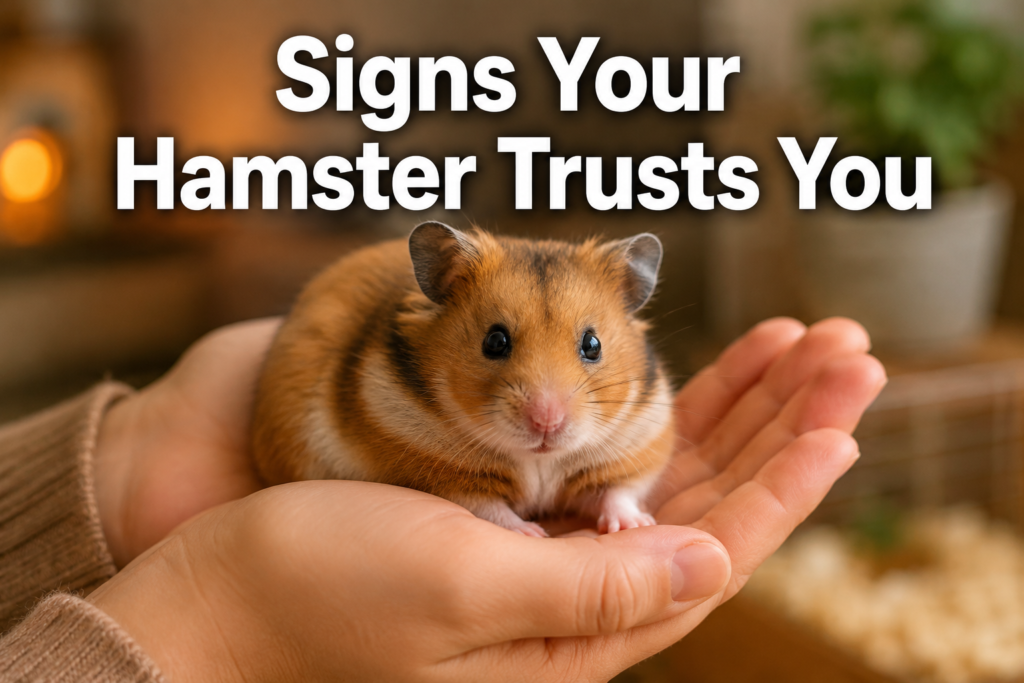
Ever wonder if your two hamsters are best buds or just barely tolerating each other? Watch for signs like grooming behavior. When one hamster licks the other’s fur, it’s a sweet sign of trust, not merely a spa day.
Grooming isn’t just grooming—when one hamster licks the other, it’s a heartfelt hug in fur-form, a true sign of trust and tiny-tot bonding.
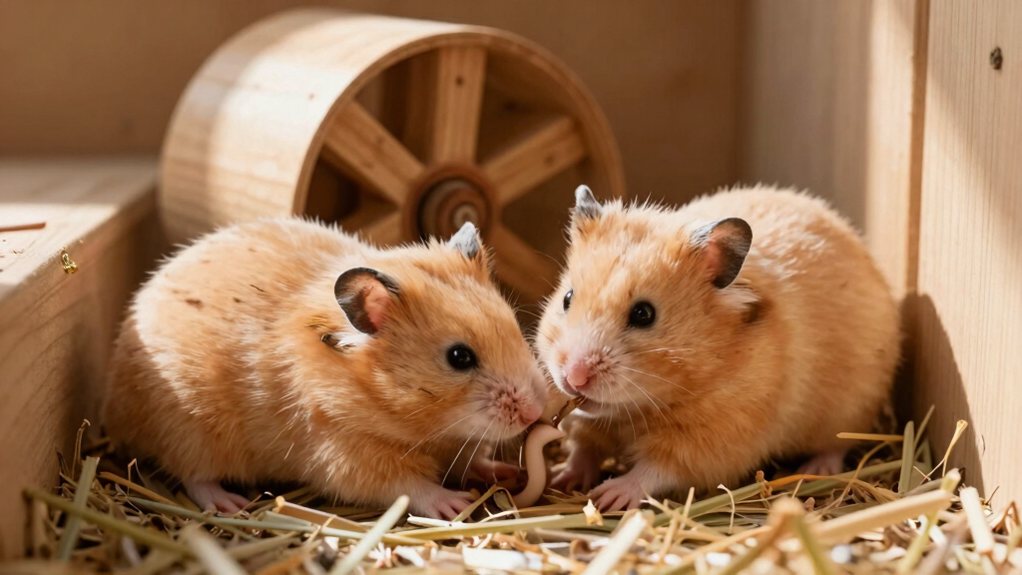
If they’re nesting together, curled up like tiny fur burritos, that’s a solid green flag.
Bonded pairs often share meals and play without tension.
But if you see hissing, chasing, or one always bullying the other, they might be fighting, not friending.
Check for bite marks or fur loss. Those are red flags.
Bonding takes time and patience, so don’t force it.
Think of it like a reality show: you want cuddles, not drama.
When they’re truly bonded, it’s heartwarming. It’s like seeing two roommates finally agree on the thermostat.
Keep observing, stay hopeful, and remember: harmony beats hamster wrestling every time.
One vs. Two Hamsters: Which Is Better?
Why do some hamster owners swear by the buddy system while others stick to solo pets? When it comes to one vs. two hamsters, the answer isn’t so simple. Hamsters are naturally solitary, and forcing a social hierarchy can backfire fast.
But if you’re dreaming of cute play behavior, consider this:
- Two hamsters might cuddle… or they might wage tiny turf wars.
- You’ll double the joy, but also double the vet bills.
- Watching them groom each other feels heartwarming… until it turns into a wrestling match.
- One hamster means peace, quiet, and no drama.
- Two can mean double the mess, stress, and midnight squeaking.
Ultimately, one hamster is usually better. They thrive alone, and you avoid risky social experiments.
Keep it simple, keep it safe, and maybe save the buddy system for your next movie night.
Do Two Hamsters Mean Double the Work?
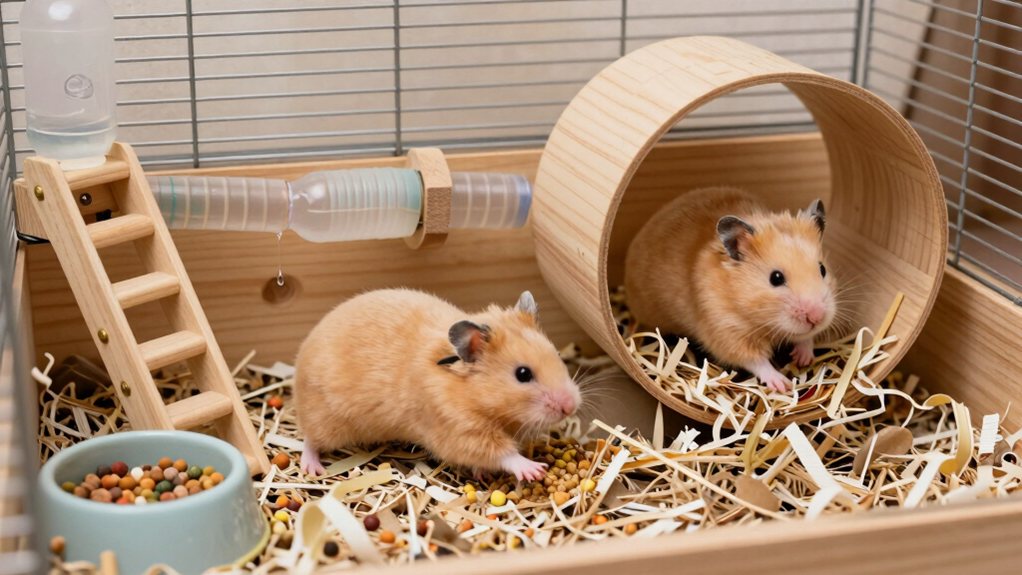
What if taking care of two hamsters wasn’t quite the double-duty disaster you’re imagining?
Sure, you’ll need to refill food bowls twice as often, but your feeding schedule doesn’t have to get crazy. Just a bit more kibble each day.
Cleaning frequency stays about the same too.
You’re scooping one bigger cage instead of two small ones, so it’s not like you’re scrubbing twice as much.
Think of it like cooking for two roommates instead of one. Same effort, just a slightly larger pot.
You’ll spend a little more time watching them play and yes, maybe breaking up the occasional grudge match, but it’s not double the work.
Honestly, it’s more like 1.5 times the effort. For double the squeaky joy.
So go ahead, consider the duo.
Just don’t forget the extra wheel.
Cost of One vs. Two Hamsters
A second hamster doesn’t mean a second mortgage, but your wallet will feel the pinch a little.
While the initial cost of a second hamster might seem small, just another cage buddy, ongoing expenses add up faster than you’d think.
You’re doing more than doubling food and bedding. You’re also upgrading supplies and vet visits. Here’s what to expect:
- Twice the snacks (and sneaky stashers!)
- Double the bedding, because mess multiplies
- Bigger cage or divider? That’s extra cash
- More toys to keep both entertained (no hamster left behind!)
- Vet bills could rise if both need care at once
Sure, love doesn’t cost a thing, but hamster happiness does. Budget wisely, and you’ll keep tails wheeling without breaking the bank.
How to Pick a Hamster Companion
So, how do you find the perfect furry roommate for your current hamster? Start by learning about hamster personalities. Some are social butterflies, while others prefer being solo stars. Syrian hamsters, for example, usually hate roommates, but dwarf types might enjoy company if introduced right.
Watch how your hamster acts during playtime. Curious and calm? Great! Jumpy or aggressive? Might need more time alone.
When picking a companion, match energy levels and sizes to avoid a cage hierarchy meltdown.
Introduce them slowly, using neutral spaces like a clean bathtub. No water, please!
Share treats to build positive vibes. And hey, think of it like a tiny blind date. Awkward at first, but with patience, they might become best buds.
Just remember: no forcing friendships. If they bicker, it’s okay to hit pause and keep them separate. Happy pairing!
Final Thoughts
So, is two better than one? Well, it depends, like inviting a roommate into your tiny, squeaky apartment. If you pick the right species and introduce them slowly, they can be best buds, snuggling in their nest.
But if not, it’s a furball fight club. You’ll spend more time and cash, sure, but double the zoomies means double the joy. Just know what you’re signing up for—hamster harmony isn’t guaranteed, but when it works? Pure, tiny-totaled bliss.