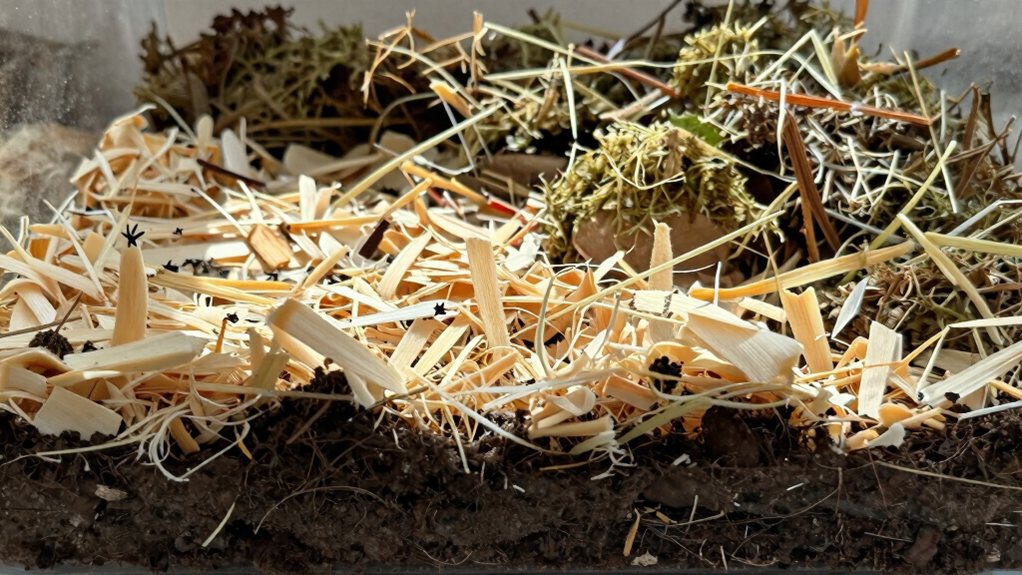
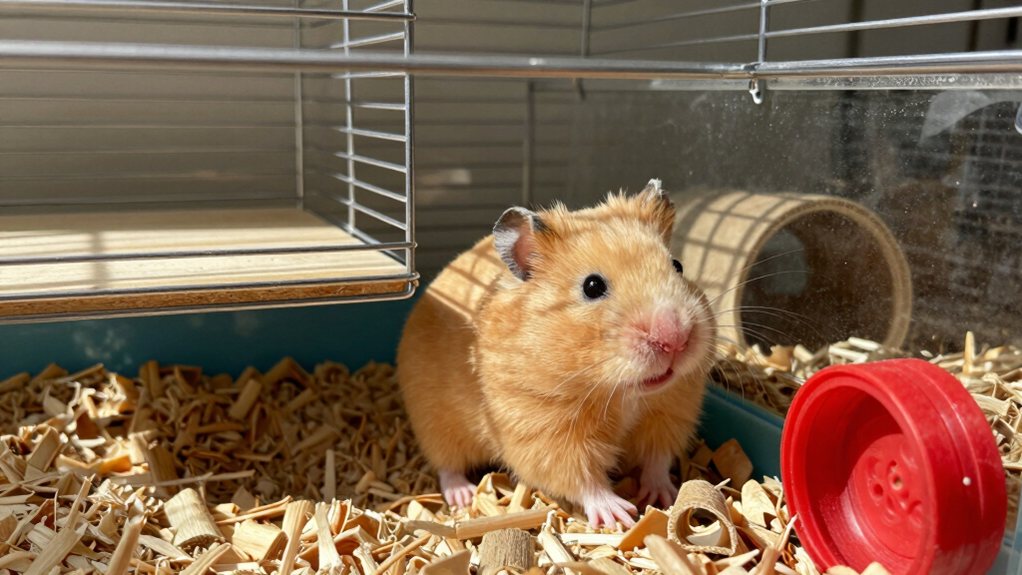
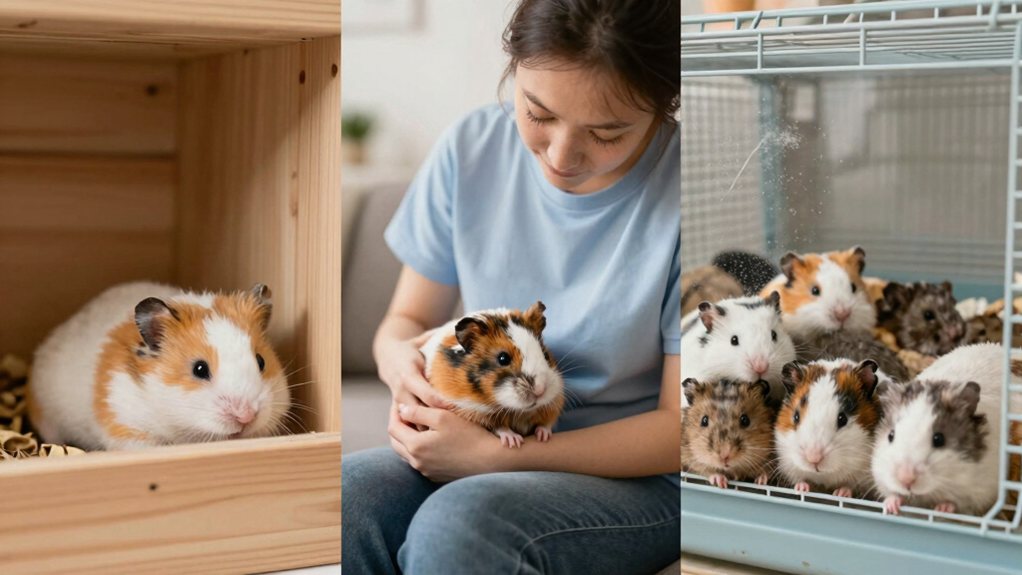
You’ll keep your hamster happy and healthy with soft, dust-free paper bedding. It’s safe, cozy, and perfect for burrowing.
Skip the pine or cedar shavings. They smell nice to us but can seriously harm your little buddy’s lungs. Aim for 6–8 inches of bedding so they can dig and nest like nature intended.
And no, towels aren’t safe. They’re risky for tiny paws and noses. Stick to simple, unscented materials, and you’ll already be doing better than most pet stores. There’s even more to get right—and feel good about.
What Makes Safe Hamster Bedding?

While you might be tempted to grab the softest, fluffiest stuff you see at the pet store, not all bedding is safe for your tiny, whiskered roommate. You’ll want to avoid anything with bright dyes. Bedding color shouldn’t matter if it means risking irritation or health issues.
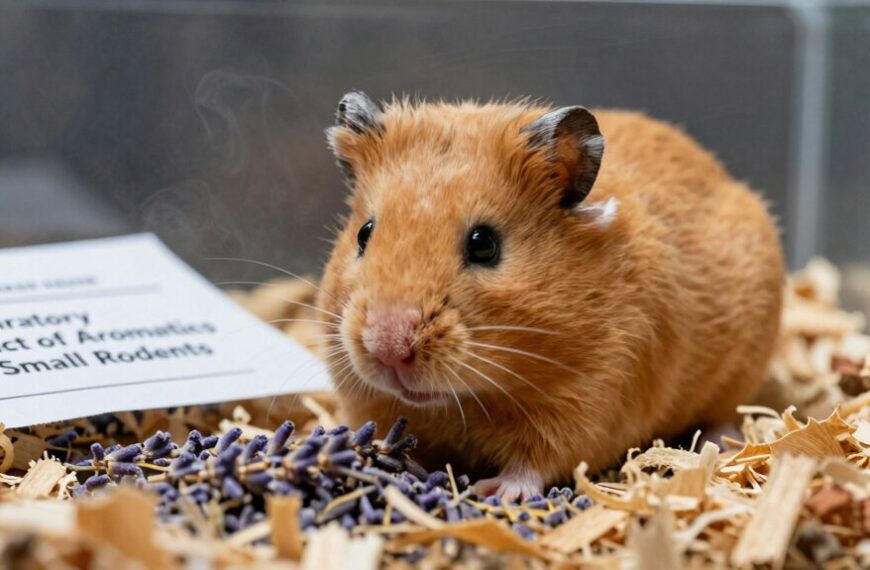
Skip the scented kinds too. Your scent preference might lean toward lavender, but your hamster definitely doesn’t need a spa day in their nest. Strong fragrances can upset their sensitive respiratory systems.
Skip scented bedding—lavender dreams are for you, not your hamster. Strong fragrances can irritate their delicate respiratory system.
Instead, go for natural, unscented materials like paper-based or aspen shavings. They’re cozy, dust-free, and let your little buddy breathe easy.
Oh, and steer clear of cedar or pine. It might smell woodsy and nice to you, but it’s harmful to hamsters.
Keep it simple, safe, and snuggly. Your hamster may not thank you in words, but their happy burrowing will say it all.
A deep layer of bedding supports natural behaviors and should be at least 6 to 8 inches to allow for proper burrowing and nesting.

ODOR CONTROL for long-lasting freshness. Kaytee Clean & Cozy can be used with any type of habitat for a fresh animal home.
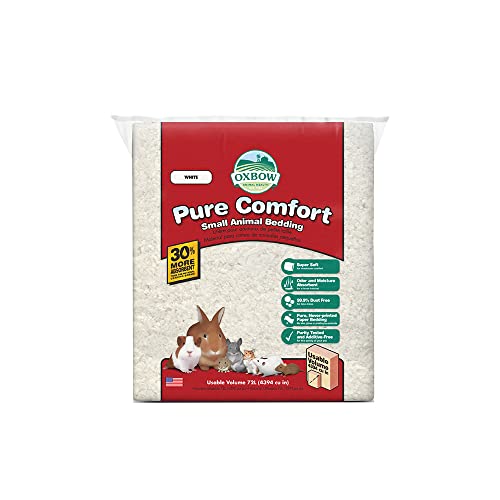
ODOR ABSORBENT TO MINIMIZE PET ODORS: Effectively neutralizes odors to keep bunny bedding & hamster bedding fresh; Ideal for pet bedding, ferret cages, and litter boxes, it helps maintain a clean environment for your pets and a better experience for you

NATURALLY SCENTED with real, pet-safe lavender buds
Why Dust-Free Bedding Is Essential for Hamsters
You wouldn’t want to sneeze every time you curled up for a nap, so why should your hamster?
Dusty bedding can mess with your little buddy’s breathing, irritate their eyes, and even spark allergies.
Nobody wants a sniffling, itchy pet.
Going dust-free keeps their air clean and their nose twitching happily, not stuffily.
Bedding labeled 99.9% dust-free is especially beneficial for maintaining respiratory health in sensitive small pets like hamsters.
Respiratory Health Benefits
Since your hamster’s tiny nose is always sniffing around their cozy nest, choosing bedding that keeps the air clean makes a big difference in their health. Dusty bedding can irritate their sensitive lungs, leading to sneezing, wheezing, or even infections, definitely not the vibe you want in their little home.
Opting for dust-free bedding supports better respiratory health and means fewer vet trips and less stress for both of you.
Plus, quality bedding helps with airflow circulation and maintains a comfy bedding temperature, so your hamster stays cozy without overheating.
Think of it like picking the perfect pillow, not too fluffy, not too dusty, just right. You wouldn’t want to sleep in a cloud of dust, and neither do they.
A clean, breathable setup keeps your tiny buddy breathing easy, happy, and full of energy for late-night wheel sprints. Sweet dreams start with smart bedding choices!
Hamsters are especially vulnerable to respiratory issues from harmful substrates like cedar and pine, which release aromatic compounds that damage lung tissue over time, so always choose bedding free of these toxic materials. Avoiding these risks begins with selecting cedar and pine-free bedding.
Prevents Eye Irritation
Keeping your hamster’s airways clear isn’t the only perk of dust-free bedding, your little buddy’s peepers will thank you too. Dusty bedding can irritate your hamster’s eyes, leading to redness or even infections. You want to protect that adorable, beady-eyed gaze, right?
Dust-free options help maintain proper eye moisture, so your pet stays comfortable and healthy. Think of it like bed alignment for their whole face: everything in place, no sneaky particles poking around.
No one likes it when crud gets in their eyes, and hamsters are no exception.
Plus, a happy hamster means fewer midnight face rubs against the cage (weird, but true). By choosing soft, clean, dust-free bedding, you’re giving your furry friend clearer vision and a comfier life.
Seriously, it’s a small change with big wins. Your hamster mightn’t say “thanks,” but their bright, irritation-free eyes will speak volumes.
Reduces Allergic Reactions
A clean, cozy nest isn’t just about comfort. Dust-free bedding plays a key role in reducing allergic reactions that can sneak up on your hamster like an uninvited guest at a snack party. You want to choose bedding made from hypoallergenic materials so your tiny friend stays happy and healthy.
Dust and irritants in low-quality bedding can trigger sneezing, itchy skin, or even breathing issues. But when you pick gentle fibers, like those in paper-based or aspen shavings, you’re giving your hamster a safer, more comfortable home.
These materials are kind to sensitive noses and paws, reducing the chance of irritation.
Think of it like picking soft pajamas instead of scratchy wool—your hamster will thank you! Plus, fewer allergens mean fewer vet trips and more time for wheel-running marathons. So go ahead, spoil your little buddy with bedding that’s as thoughtful as your late-night snack offerings.
Is Paper Bedding the Best for Burrowing?
You want your hamster to dig and snuggle just like it would in the wild, right?
Paper bedding’s soft, absorbent, and safe for tunneling.
Plus, it lets your little buddy burrow to their heart’s content without any sneezy dust.
Honestly, watching them disappear into their cozy paper nest might just be the cutest thing you’ll see all day.
Safe For Digging
While your hamster mightn’t come with a tiny architect’s blueprint, they sure act like one when it comes to digging their dream underground maze.
You’ll want bedding that’s safe for digging and matches their natural nesting habits.
Soft, dust-free materials let your hamster burrow without irritating their lungs or delicate paws.
Paper bedding often wins here, its texture is gentle yet sturdy enough to hold tunnels.
Just make sure it’s unscented and free of inks or dyes.
Shredded paper or commercially made paper-based options work great.
Avoid anything clumpy like clay-based cat litter, it’s a digging disaster.
Watch how your pet moves, if they’re pushing, scooting, and sneezing less, you’ve likely nailed the right bedding texture.
A happy digger is a healthy digger.
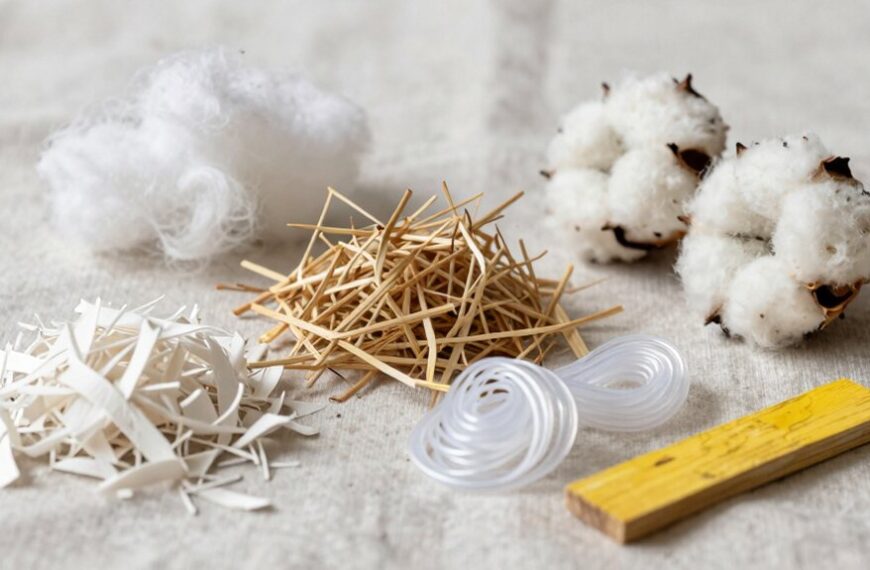
Cotton-based materials like 100% cotton nesting also provide a soft, safe option that supports natural burrowing and nesting behaviors.
Soft And Absorbent
Think your hamster’s just playing when they vanish under a mountain of bedding, Nope — they’re building a cozy, soft fortress! When picking bedding, go for materials that are both gentle on tiny paws and great at moisture retention.
Paper-based options made from organic materials are a top choice. They’re soft, safe, and absorb spills and pee like a sponge, keeping the cage dry and smell-free.
Plus, your little digger can tunnel without irritation.
Some beddings clump or stick to wet spots — super helpful! Just avoid anything dusty or chemically treated.
You want your hamster snoozing soundly, not sneezing.
Think of it like picking the perfect pillow — comfy *and* functional. With the right blend of softness and absorbency, your hamster’s burrow stays clean, warm, and oh-so-inviting. You’ve got this!
A good bedding choice pairs well with super absorbent liners to enhance moisture control and maintain a fresh habitat.
Promotes Natural Behavior
That cozy nest your hamster builds isn’t merely cute, it’s instinct in action. You’re not merely giving bedding, you’re supporting natural behavior.
Paper bedding works great because it’s soft, safe, and perfect for burrowing. Your little digger will spend hours tunneling and rearranging, just like in the wild.
Plus, it holds up well when they pack it into nesting materials for a snug hideout.
Toss in some shredded paper or hay for extra foraging enrichment, and watch them go. They’ll sniff, dig, and stash like tiny, furry engineers.
It’s more than play, it’s how they feel secure.
And honestly, seeing your hamster proudly vanish into their handmade fortress? Priceless.
Are Aspen Shavings Safe for Hamsters?

So, are aspen shavings really the safe, go-to bedding for your hamster, or is there more to the story? Good news—you’re in the clear! Unlike cedar or pine, aspen shavings are unscented and won’t irritate your little buddy’s lungs.
No strong scent preference here means a happier, healthier hamster.
The natural bedding color blends right into their cozy hideouts without confusing them.
You don’t need fancy dyes or perfumes—your hamster definitely isn’t picking bedding based on how it smells to you!
Aspen lets them dig, nest, and burrow just like they’d in the wild.
It’s soft, absorbent, and holds up well in cages.
Just make sure it’s 100% aspen, not mixed with other woods.
So yes, you can relax—this one’s a solid choice.
Your hamster mightn’t throw you a thank-you party, but trust us, they’ll show their gratitude through happy tunneling.
Why Cedar and Pine Bedding Can Harm Your Hamster
You might think cedar or pine shavings smell great in your hamster’s cage, but those fresh scents come from toxic oils that can actually make your little buddy sick.
These oils don’t just irritate your hamster’s lungs. They can lead to serious respiratory issues over time, especially in such a tiny critter.
Toxic Oils In Bedding
Ever wonder why that pine-scented bedding smells so fresh, almost like a forest after a rainstorm?
Well, it’s because of volatile oils and aromatic compounds naturally found in cedar and pine. Sounds nice, right?
But here’s the catch: those same oils that make your nose happy can seriously harm your hamster.
Their tiny lungs aren’t built to handle these strong scents, and over time, the toxic oils in bedding can cause breathing problems, skin irritation, and even liver damage.
Yikes! Think of it like putting your hamster in a room full of air freshener 24/7. Not cool.
Even “scented” or “natural” doesn’t mean safe.
Your fluffball deserves better.
Skip the pine and cedar, and go for paper-based or aspen bedding instead.
Your little buddy mightn’t say “thank you,” but his happy, sneeze-free life will show it.
Respiratory Issues Explained
While that fresh pine or cedar scent might make you think your hamster’s cage smells like a spa day, those aromatic oils are actually wreaking havoc on their tiny lungs.
Seriously, what smells like a forest to you can be a full-blown respiratory nightmare for your little buddy. Those oils irritate airways and, over time, can lead to infections or chronic breathing issues. Hamsters with a genetic predisposition to respiratory problems are especially at risk.
Combine that with environmental stressors like dusty bedding or poor ventilation, and you’ve got a recipe for sneezy disaster. Think of it this way: you wouldn’t want to nap in a room filled with strong perfume, right? Neither does your hamster.
Opt for unscented, dust-free bedding like paper-based or aspen instead. Your hamster may not thank you in words, but their happy, sniffle-free breaths will say it all.
Prolonged exposure to airborne irritants in the cage environment can also pose health risks to humans, particularly through the buildup of ammonia from urine.
Aspen Vs. Paper: Which Hamster Bedding Wins?
So, what’s really going on in your hamster’s cozy little nest, comfort or chaos? When it comes to aspen versus paper bedding, you’ve got choices that matter.
Aspen’s great. It’s natural, absorbent, and safe for your little digger. But skip the scented kinds. Your hamster’s nose is super sensitive, and strong scents are a big no-no.
Paper bedding’s soft, dust-free, and comes in fun bedding colors that make the cage pop. Plus, your hamster won’t mind the plain, unscented kind one bit.
Trust me, they’ve got zero scent preference for lavender or vanilla.
Both options work, but paper’s easier on tiny lungs. Aspen can sometimes hold dust, which might stir up respiratory issues.
So, if you want softness, safety, and a splash of color without the sniffles, paper bedding wins this round.
Your hamster mightn’t throw a party, but their happy squeaks are priceless.
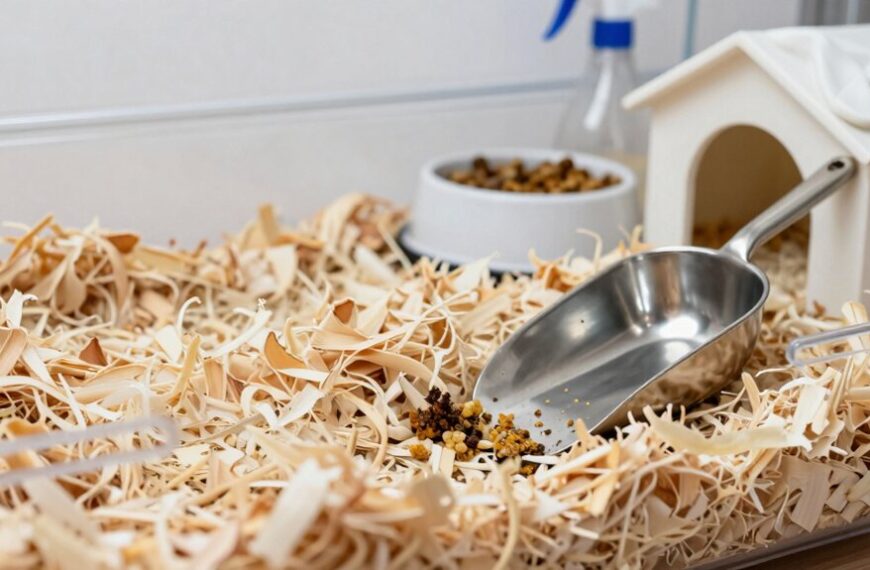
A fresh bedding change once a week helps maintain a healthy, odor-free environment for your hamster.
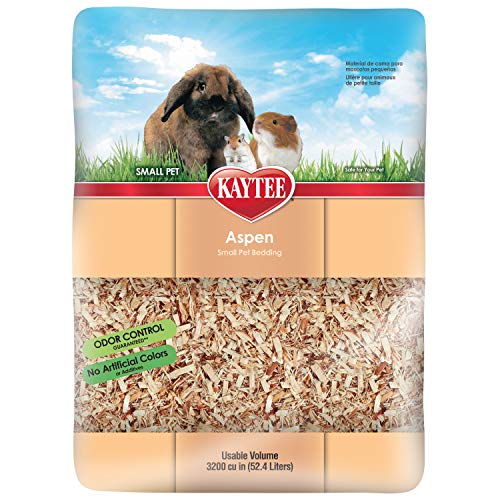
ALL-NATURAL ASPEN SHAVINGS, crafted for a natural, comfortable habitat

Natural Pet Bedding – Made from 100% natural materials with no additives or fragrances. Soft, fluffy, and safe, providing a healthy bedding option for your small pets.
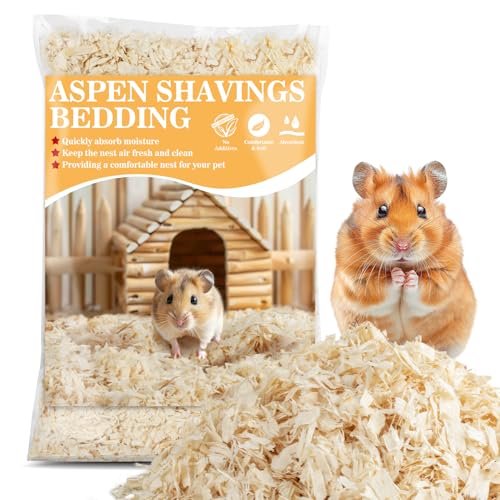
Aspen shavings: Using aspen wood, without any additives, with a nice odor, fluffy and comfortable, good for use as pet bedding
How Deep Should Hamster Bedding Be for Burrowing?
Aim for at least 6 to 8 inches of bedding if you want your hamster to dig, tunnel, and burrow like nature intended.
Your little furball’s burrowing habits aren’t just cute—they’re natural instincts in action.
Proper bedding depth gives your hamster a chance to explore, hide, and even stash snacks like they’d in the wild.
Think of it as their personal playground and bedroom rolled into one.
Without enough depth, they can’t truly express those busy little behaviors that make them so endearing.
Go too shallow, and you’ll see frustrated scooching instead of joyful tunneling.
A deep layer also helps with insulation and comfort, especially at night.
So, pile it high—your hamster will thank you with happy, busy paws and maybe a cheek-pouch full of surprise treats.
Just don’t be shocked if they vanish completely: they’re probably napping in their secret underground suite!
Best Bedding for Baby Hamsters

When you’re picking bedding for baby hamsters, softness and safety are your top priorities. These tiny fluffballs have delicate skin and curious paws that’ll poke and snuggle into anything you provide.
Choose dust-free, unscented paper-based bedding. It’s gentle on their tiny bodies and perfect for their hamster age.
Avoid anything rough or with bright bedding color dyes—those can irritate their skin or upset their sensitive systems.
Shredded tissue or plain puppy pads work great too, giving them a cozy, safe place to nest.
Remember, baby hamsters love to burrow and chew, so skip cedar or pine shavings. They’re a no-go at any age, especially this young.
Keep their space clean and fresh, changing bedding weekly or sooner if needed.
You’re doing more than just picking bedding—you’re building a tiny, comfy home.
And honestly, watching them curl up in their soft nest? Worth every careful choice.
Are Towels Safe Bedding for Hamsters?
You’ve got your baby hamster settled in with soft, safe bedding, great job!
Great job giving your baby hamster soft, safe bedding—you’re off to a fantastic start!
Now, you might be wondering: are towels safe bedding for hamsters? While they seem cozy, towels aren’t ideal. Their towel texture can trap tiny paws, and loose threads may cause injury.
Plus, fabric safety is a real concern. Dyes and chemicals in some towels could harm your little buddy.
Instead, stick to bedding made just for small pets. Here’s what to look for:
- Soft, dust-free materials
- No loose threads or fraying edges
- Hypoallergenic and non-toxic
- Easy to clean and replace
- Designed for small animals, not humans
Skip the towel texture temptation. Your hamster will be safer and happier with proper bedding.
Your furry friend deserves the best, not your old bath towel!
How Often to Change Hamster Bedding
Honestly, most hamster parents spot-clean the cage every few days and do a full bedding swap once a week, and for good reason. Your little furball will stay healthier and happier with a clean, fresh space to dig and snooze.
While they don’t care much about bedding color preferences, sorry, no interior decorating needed, they do need a dry, odor-free environment.
Pee corners and soggy spots, toss those out midweek.
Now, seasonal bedding changes aren’t a must, but consider slightly thicker bedding in winter for warmth or lighter, more absorbent types in summer to fight humidity.
Your nose is your best guide. When it smells, it’s time.
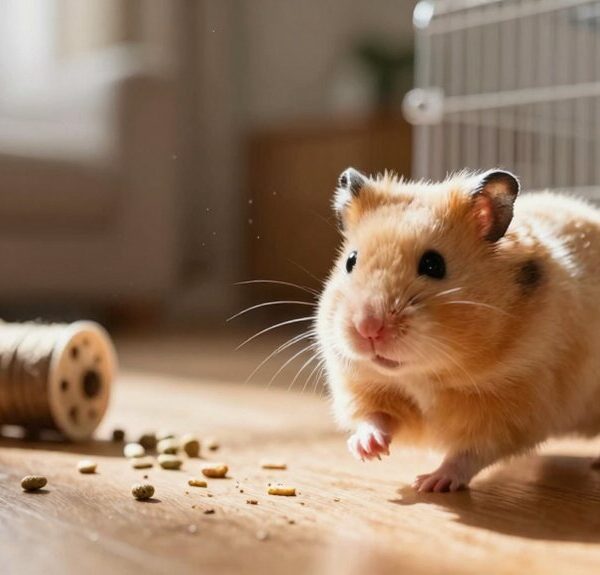
Stick to a weekly routine, tweak as needed, and your hamster will thank you with zoomies, not sneezes.
Just don’t wait until you’re greeted at the door by a barnyard aroma, yikes!
For two hamsters, however, you should clean the cage every five days due to increased waste and moisture, a schedule known as two hamsters.
Final Thoughts
You’ve got this! The best bedding keeps your little buddy safe, cozy, and happy. Ditch the cedar and pine, those are a no-go. Go for dust-free paper or aspen instead, give them plenty to burrow in, and skip the towels, they’re chew hazards.
Change bedding weekly, or more if it gets smelly. Your hamster will thank you with happy zoomies, because nobody wants a grumpy, sneezy ham in their life!
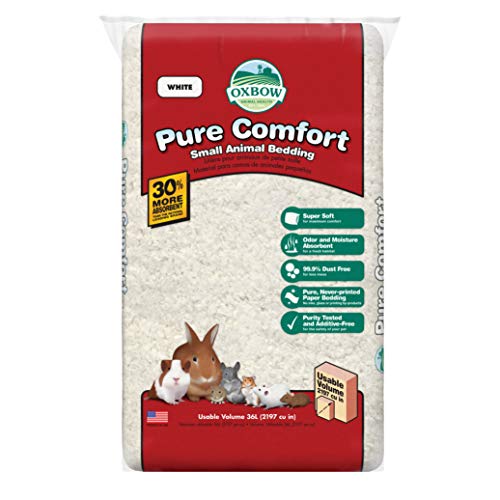
ODOR ABSORBENT TO MINIMIZE PET ODORS: Effectively neutralizes odors to keep bunny bedding & hamster bedding fresh; Ideal for pet bedding, ferret cages, and litter boxes, it helps maintain a clean environment for your pets and a better experience for you
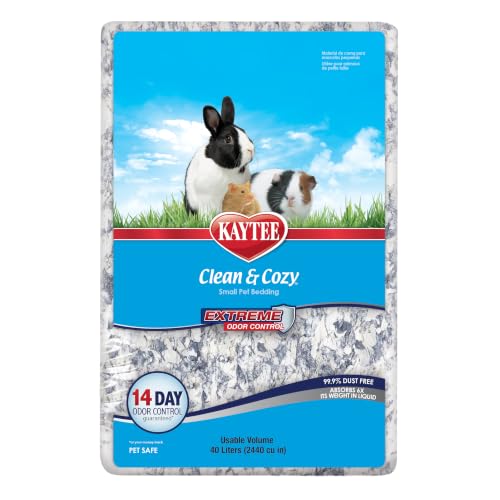
14-DAY ODOR CONTROL for long-lasting freshness. Kaytee Clean & Cozy can be used with any type of habitat for a fresh animal home