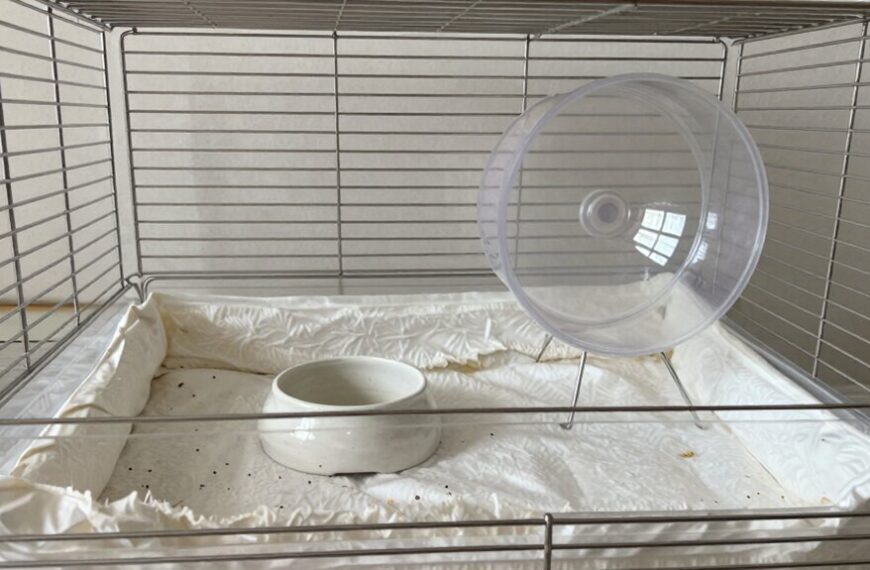
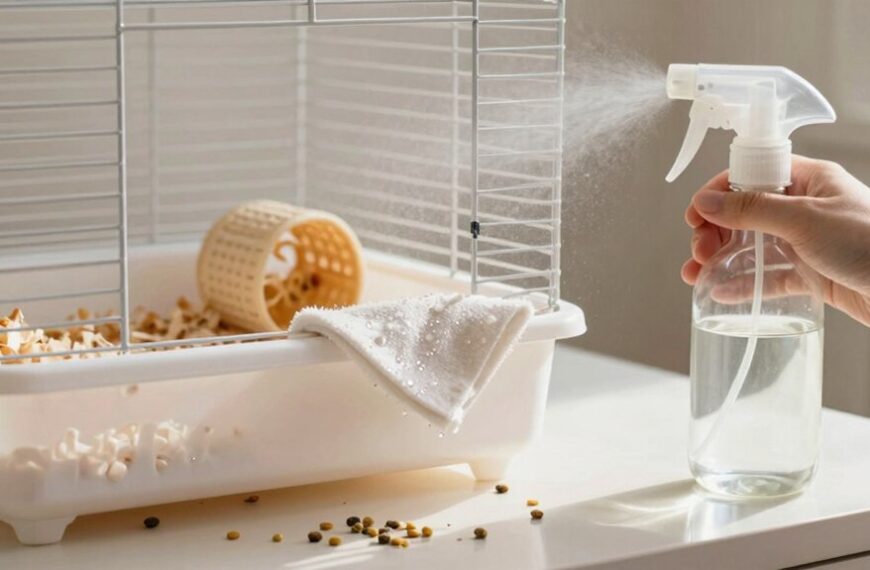
Yeah, a dirty hamster cage can definitely make you sick. Stale urine builds up ammonia, which stings your eyes and throat: think weak bleach fumes with extra sneezes.
Plus, hidden germs like salmonella, mold, and mites can spread, especially if you skip handwashing. Kids and anyone with asthma should be extra careful.
The good news? A little weekly cleaning goes a long way in keeping your home safe, fresh, and way less sniffly. You’ll even learn how to clean it right without stressing out your tiny roommate.
Can a Dirty Hamster Cage Make You Sick?

Ever wonder if that funky smell coming from your hamster’s cage could actually make you sick? Well, here’s the good news: a dirty cage won’t likely knock you out cold, but it *can* cause health issues if ignored.
Ammonia from urine buildup can irritate your eyes and lungs, especially in poorly ventilated spaces.
Ammonia from hamster urine can sting your eyes and irritate your lungs, especially in stuffy, poorly ventilated rooms—keep that air flowing!
Plus, bacteria and mold love messy environments, yuck!
Paying attention to hamster behavior helps you spot stress or illness early, which means fewer surprises.
A smart cage design with good airflow and easy cleaning makes all the difference.
Trust us, your nose and your hamster will thank you.
Scoop daily, deep clean weekly, and you’ll keep things fresh and safe.
Think of it as a tiny apartment for a tiny roommate.
Nobody wants to live in a dumpster.
Keep it clean, stay healthy, and enjoy those adorable cheek pouches without worry!

HAMSTER CAGE ODOR CONTROL — Helps neutralize urine, soiled bedding, food and everyday habitat odors without covering the cage in heavy perfume. Ideal for keeping the habitat and surrounding room fresher between full bedding changes

"FAST-ACTING FORMULA: Our natural enzyme cleaner formula is incredibly fast acting and does not leave behind greasy, sticky, or filmy residue like other cleaners or soaps. Once this cage-cleaning formula has been applied and rinsed, your pets’ habitat can be wiped down, so it will be stain-free and smelling fresh in no time. "

The information below is per-pack only
Can Ammonia From Hamster Urine Make You Sick?
You mightn’t realize it, but that strong smell from your hamster’s cage is ammonia, and yeah, it can actually make you cough or feel stuffy if you’re around it too much.
Breathing in that sharp scent over time isn’t great for your lungs, especially if you’ve got asthma or sensitive airways.
Don’t worry, though. Cleaning the cage regularly with gloves and good ventilation keeps both you and your tiny roommate happy and healthy.
Ammonia Exposure Risks
While your hamster’s tiny bathroom habits might seem harmless, letting that cage go too long without a clean can lead to a sneaky buildup of ammonia from their urine. That sharp, eye-watering smell is more than gross. It’s a sign your air quality has taken a nosedive.
Breathing in that ammonia, even in small amounts, can cause lung irritation, especially if you’re sensitive or spend lots of time near the cage. Think coughing, sneezing, or a scratchy throat. Your body’s way of saying, “Hey, open a window!”
Prolonged exposure might worsen asthma or other respiratory issues, so don’t ignore it.
The good news is that regular cleaning keeps ammonia levels low and your home feeling fresh. Plus, your hamster will thank you in their quiet, nibbly way. A little scrub time goes a long way in protecting both your health and your tiny roommate’s.
Respiratory Health Effects
Could that pungent punch in the nose every time you walk past your hamster’s cage be more than just unpleasant?
Yeah, it might be messing with your air quality and, over time, your respiratory health. When hamster urine sits around, it releases ammonia, which can cause lung irritation, especially if you’re sensitive or spend a lot of time near the cage.
You mightn’t drop like a cartoon character, but constant exposure can lead to coughing, wheezing, or a scratchy throat.
Think of it like breathing in weak bleach fumes, not deadly, but definitely annoying.
The good news is that regular cleaning drastically cuts ammonia levels. So, swap out soiled bedding, scrub the cage weekly, and maybe crack a window.
Your lungs and your nose will thank you. Plus, your hamster will enjoy fresh digs too—everyone wins!
Safe Cage Cleaning Practices
Ever wonder how to clean your hamster’s cage without turning your living room into a science experiment? You’re not alone. Start by removing your hamster and all accessories, then scoop out soiled bedding.
Ammonia from urine can irritate your lungs, so don’t skip ventilation. Use a pet-safe cleaner; harsh chemicals can linger and harm your hamster later.
When scrubbing, pay attention to cage material safety. Plastic parts can trap bacteria if scratched, so replace them when worn.
Rinse thoroughly and dry everything before reassembling. Your cleaning tool hygiene matters too: use a dedicated brush or sponge, and wash it after each use to avoid cross-contamination.
A clean cage keeps both you and your tiny roommate healthy. Plus, your nose will thank you. Think of it as spa day, but for hamsters.
Can You Catch Salmonella From a Dirty Hamster Cage?
You mightn’t expect it, but yeah, you can actually catch salmonella from a dirty hamster cage, those tiny paws track bacteria around, especially if their bedding’s been sitting too long. Think of it like a tiny petri dish.
If your hamster’s been snacking and doing their business near the food pile, that cozy nest can harbor germs you don’t want on your hands.
Salmonella Transmission Through Bedding
So, could that pile of soiled bedding in your hamster’s cage actually make you sick? Yep, it can. If your hamster carries salmonella, often without showing symptoms, its poop in the bedding becomes a sneaky germ hotspot.
Hamster behavior like burrowing and kicking around waste spreads bacteria, especially if the cage design traps moisture and waste.
When you clean, those germs can become airborne or stick to your hands. Without washing up, you might accidentally ingest them, yuck.
But don’t panic! Just scoop bedding carefully, wear gloves, and always wash your hands after handling. Think of it like doing laundry from a toddler’s messy adventure, gross but manageable.
A clean cage and smart habits keep both you and your tiny buddy safe. Stay alert, stay clean, and your fuzzy pal stays fun, not foul.
Hamster Hygiene And Human Health
Could that musty smell from your hamster’s cage be more than just unpleasant? Yep, poor hamster hygiene can actually impact your health.
While hamsters themselves aren’t usually dirty, a neglected cage becomes a breeding ground for bacteria like salmonella, especially if you’re not cleaning it weekly.
You mightn’t think a tiny pet poses a risk, but those droppings and soiled bedding can harbor germs you don’t want near your family.
Pay attention to hamster behavior too. If your little buddy seems stressed or sick, it’s a sign something’s off.
Keep the cage in a well-ventilated area, cage location matters, and always wash your hands after handling.
It’s about more than fresh air. It’s about keeping everyone safe.
A clean cage means a happy hamster and a healthier you. Win-win!
What Germs Lurk in a Dirty Hamster Cage?
Think of your hamster’s cage as a tiny apartment that never gets a weekend cleaning binge, cozy for them, but a germ paradise if left unchecked.
When you skip cleanings, mold growth can sneak in, especially in damp bedding or leftover food corners.
Skip the cleanings? Mold moves in fast—damp bedding and leftover snacks become its favorite hideout.
That fuzzy green or black stuff? Not a cool science experiment.
It’s a sneeze waiting to happen for you and your tiny roommate.
Plus, old food and waste can lead to insect infestation, like mites or creepy crawlies that no one invites to the party.
Bacteria like Salmonella also thrive in dirty cages.
And yeah, they can jump from bedding to your hands to your sandwich. Oops.
But don’t panic.
Regular cleaning keeps both of you happy and healthy.
Think of it as spa day for your hamster’s home.
You’ve got this!
How to Clean a Hamster Cage Safely

Now that you know what kinds of uninvited guests might be crashing in your hamster’s messy pad, mold, bacteria, and tiny critters that definitely don’t pay rent, it’s time to kick them out for good.
Grab your cleaning tools: gloves, paper towels, a mild pet-safe cleaner, and a scraper for stuck-on messes. Remove your hamster first, give them a safe playpen, and toss all bedding.
Wipe down every surface, then rinse thoroughly. Leftover soap isn’t a snack.
For full cage disinfection, use a mix of one part vinegar to three parts water or a vet-approved disinfectant.
Let it dry completely before refilling with fresh bedding and toys.
Do this weekly to keep your tiny roommate, and you, healthy.
Cleaning isn’t glamorous, but neither is sneezing from dusty droppings.
Stay on top of it, and your hamster will thank you with happy wheel runs and zero germy surprises.

Natural and safe material - Constructed from solid poplar wood with sanded-smooth edges, bonded by plant-based adhesive technology. The natural wood composite contains zero formaldehyde or harmful chemicals. A pure natural, non-toxic waterproof coating is applied externally, ensuring moisture resistance while 100% safe for hamster contact.

Naturally Air-dried: Every sprig is hand-picked from whole plants and air-dried. Each stem is neatly trimmed, retaining its natural color and scent. Material: dried plant stems only. Suitable for pets to sniff and explore. Always supervise your pet during use. Store in a dry, dark place away from moisture, and handle gently as petals may shed if squeezed

Multi-Chamber Design - Spacious wooden hamster hideout with interconnected tunnels promotes natural exploration behavior and provides secure nesting spots.
How Often Should You Clean a Hamster Cage?
You’ll usually want to clean your hamster’s cage once a week to keep things fresh and germ-free, think of it as a tiny tenant’s right to a tidy home.
Keep your hamster’s cage fresh weekly—think of it as upholding a tiny tenant’s right to a clean, germ-free home they’ll thrive in.
Depending on the cage material, like plastic or wire, some spots might need extra attention.
For example, plastic corners can trap odors, so scrub them gently with safe cleaning tools like a sponge and mild soap.
Don’t forget to remove all bedding and wipe down surfaces.
If you’ve got a messy eater or a big drinker, you might spot clean every few days, just scoop out soiled bits and refresh water.
It’s not about being a cage control freak, it’s about keeping your little buddy healthy and happy.
Plus, a clean cage means fewer surprises when you walk into the room.
Use tools that won’t harm your hamster, and always rinse well.
Trust us, both of you’ll breathe easier, literally.
Keeping Kids & Pets Safe During Cleaning
Ever wonder how to keep the cleaning chaos from turning into a household hazard? When tackling that hamster cage, pet safety and child supervision should be your top priorities.
Here’s how to keep everyone safe and smiling:
- Relocate your hamster – Pop your little buddy into a secure playpen or travel cage before you start scrubbing.
- Keep kids busy elsewhere – Little hands love to help, but now’s not the time. Set up a fun activity in another room.
- Store cleaners out of reach – Even natural solutions can be risky. Lock up sprays and sponges once you’re done.
A little planning goes a long way. You’ll protect your pet, keep kids out of trouble, and avoid turning cleaning day into a comedy of errors.
Stay safe, stay smart. Maybe save the “help” for snack time instead!
When to See a Doctor After Exposure

So, what happens if you’ve been elbow-deep in a grimy hamster cage and now you’re feeling a little *off*? Don’t panic. Just pay attention.
Symptom monitoring is key. If you develop a fever, rash, or trouble breathing, it’s time to call your doctor.
Keep an eye on how you feel. Fever, rash, or trouble breathing? Don’t wait—call your doctor right away.
Some germs from dirty cages, like salmonella or hantavirus (rare but serious), can sneak up on you. You’re not being dramatic. Better safe than sorry.
If symptoms stick around or get worse, don’t wait it out. A quick visit could save you days of feeling crummy.
And hey, if your hamster seems off too, schedule a veterinary consultation. They can check for signs of illness that might’ve contributed to the mess.
You’re doing a great job caring for your pet. Just remember, your health matters too. When in doubt, speak up and get checked out.
Final Thoughts
Yeah, a dirty hamster cage can actually make you sick, so don’t ignore that stink. Ammonia from pee and germs like salmonella are no joke. Regular cleaning keeps everyone safe.
You’ve got this. Toss on gloves, clean weekly, and let the furball enjoy a fresh home. Just like you wouldn’t eat moldy pizza, don’t let crud build up. Stay smart, stay clean, and your tiny roommate stays happy—and so do you!

✔ NATURAL - Made from 100% natural Virginia-grown cotton

✔ NATURAL - Made from 100% natural Virginia-grown cotton
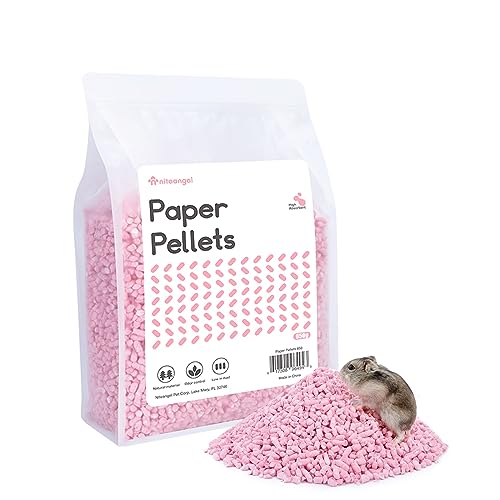
[Natural Material Paper Bedding] Are you still worried about the annoying smell of your tiny pet farm? Niteangel small animal paper bedding are made of natural pulp, which has strong water absorption, which can better absorb the annoying smell of the cage, and it will not deform in contact with water, allowing hamsters to have more fun rolling and digging.