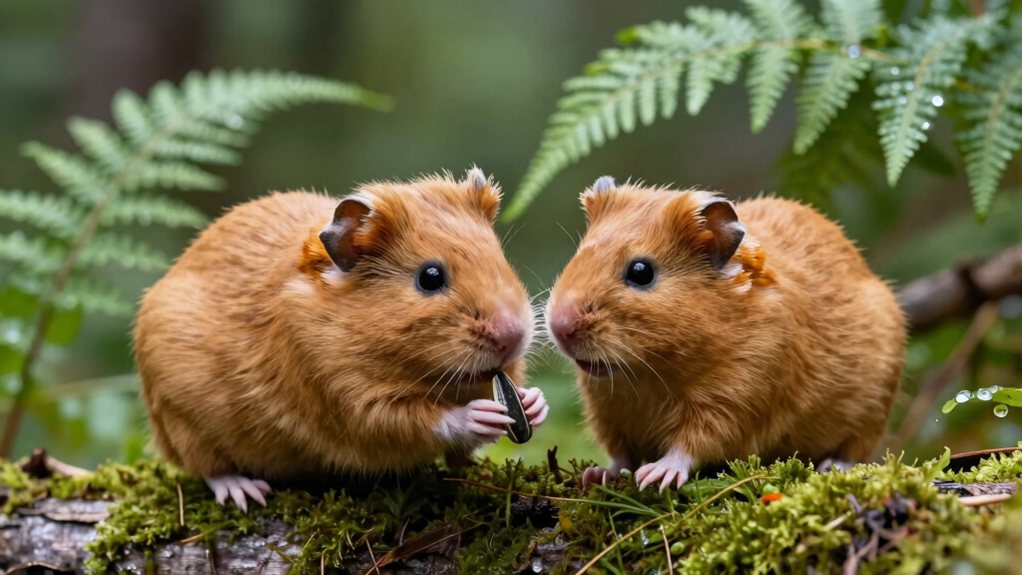
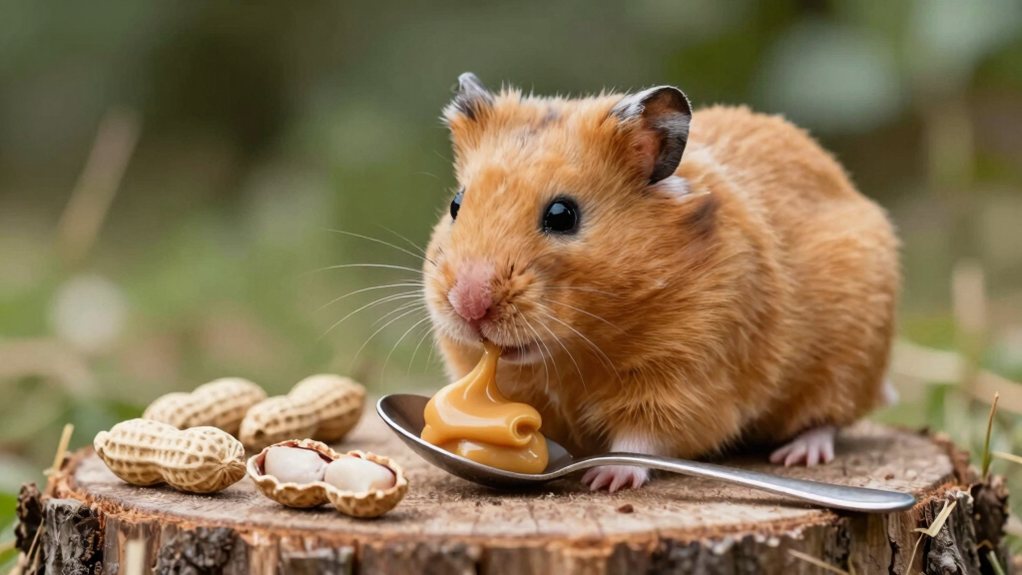
If your hamster’s skipping meals, ignoring treats, or looking a bit like a fluffball who lost its sparkle, it might be feeling down. Watch for messy fur, constant hiding, or endless bar-biting. It’s more than grumpiness, it’s stress.
Lethargy and ditching the wheel? That’s a cry for help. Tiny creatures feel big emotions, and yes, even hamsters get the blues. Something’s off, and you’ll want to know what comes next.
Loss of Appetite? A Top Sign of a Sad Hamster
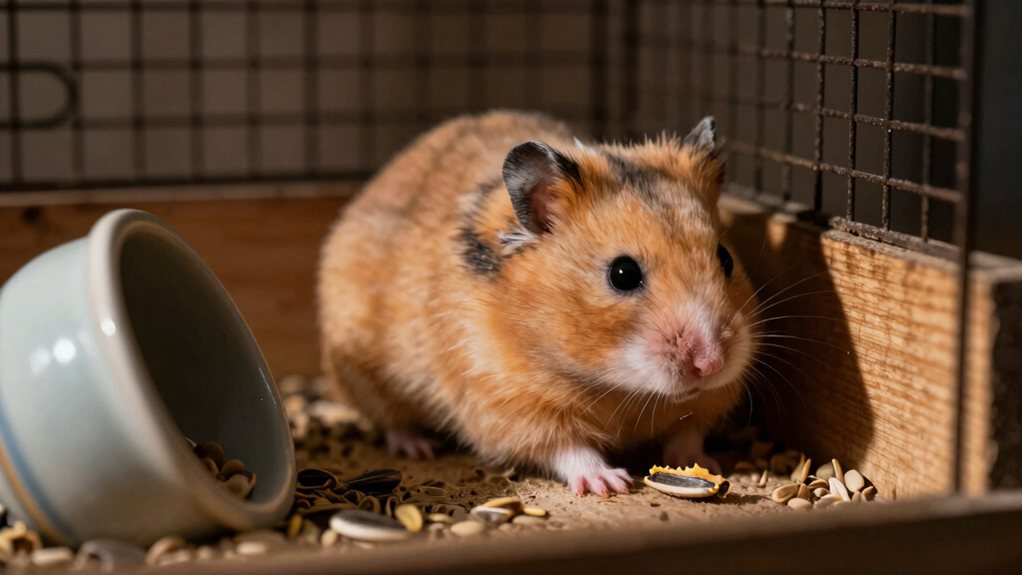
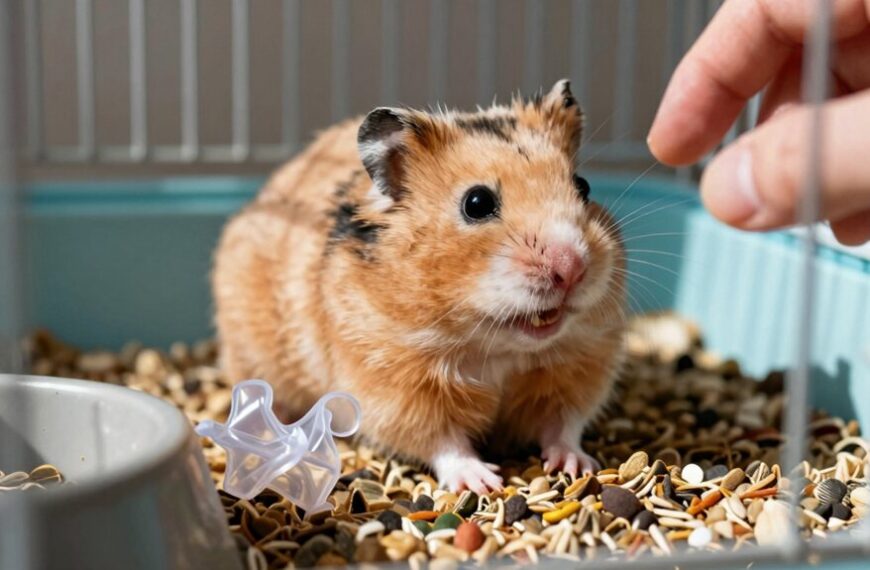
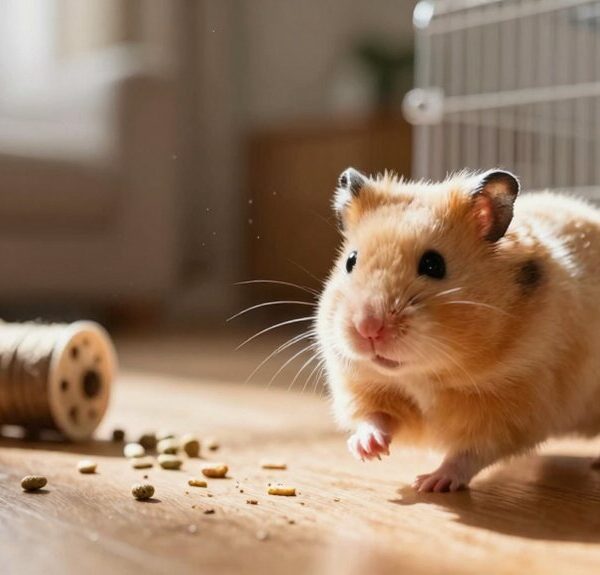
Ever wonder why your hamster suddenly turns up its nose at that favorite sunflower seed? A loss of appetite can be a real red flag that your tiny buddy isn’t feeling quite right, emotionally or physically. Just like us, hamsters have food preferences, and when they stop showing interest in treats they usually go crazy for, it might be more than just picky eating.
A sudden snub of their favorite treat? It’s more than pickiness—loss of appetite can signal stress, sadness, or illness in your tiny companion.
Stress or sadness can lead to emotional eating, or in their case, emotional not eating. You might notice they’re leaving pellets behind or ignoring snacks they’d normally stuff into their cheeks. Don’t panic, but do pay attention.
Check their environment for changes, new noises, a drafty cage, or even loneliness.
A little extra love, a cozy hideout, or a familiar treat might help perk them up.
When in doubt, a vet visit’s never a bad idea. After all, even small hearts need big care.
Sudden loss of appetite can also be an early indicator of more serious health issues, including end-of-life signs in aging hamsters.

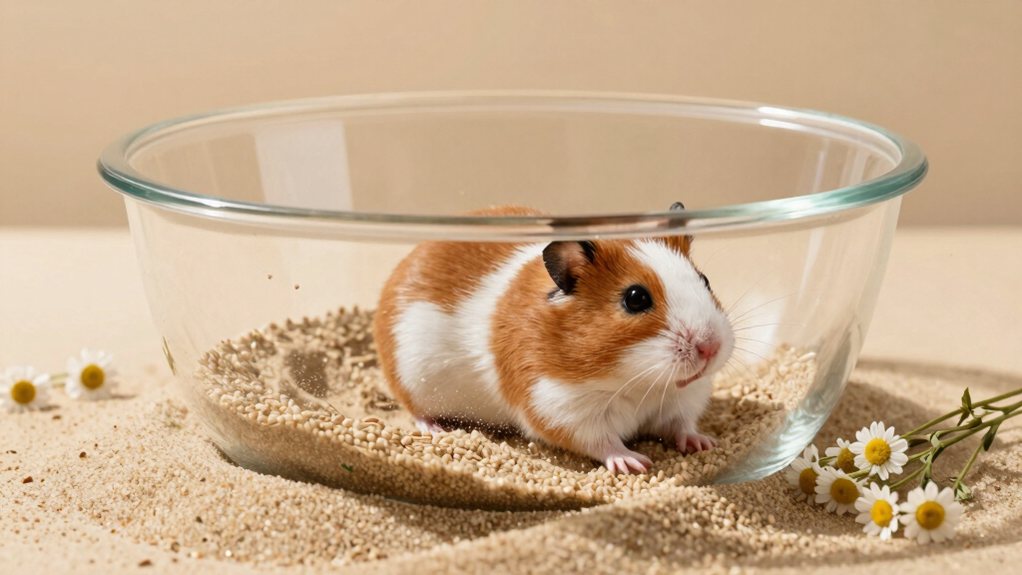
Comprehensive Set for Tiny Companions: this set includes 1 hamster sand bath box, 1 water bottle with stand, and 1 climbing toy wooden ladder bridge, ideal for hamsters, gerbils, and mice, it caters to the different needs of your pets
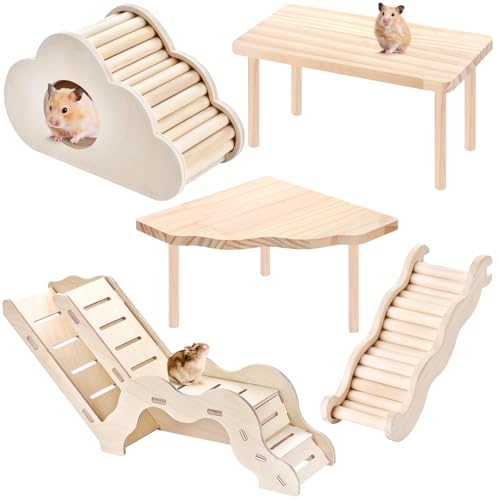
This hamster amusement which is durable and long-lasting. The smooth, spine free surface ensures the safety of your pet when chewing, climbing, and exploring, making it the preferred choice for Syrian hamsters, dwarf hamsters, sand rats, mice, and other small animals
Is Your Hamster Not Grooming? Stress Could Be the Cause
Could it be that your usually tidy little hamster has started looking a bit… unkempt?
If your hamster isn’t grooming like usual, it might be more than just laziness, stress could be the culprit.
Hamsters are naturally clean creatures, and their grooming habits are a big part of good hamster hygiene.
When they stop licking their fur or gliding their whiskers, it’s often a red flag.
Changes in routine, loud noises, or even a new cage mate can rattle your tiny friend.
You know how you skip showers when you’re feeling down? Same idea.
A messy coat doesn’t always mean sadness, but paired with other signs, it’s worth paying attention to.
Keep an eye out, offer comfort, and maybe toss in a favorite treat.
Sometimes, a little love brings back their sparkle, grooming and all.
Hiding More Than Usual? It Might Be Depression
Why’s your hamster suddenly playing secret agent, vanishing into the corner of the cage like it’s training for a spy mission?
If your little buddy’s hiding more than usual, it might be more than shy. It could be a sign of depression.
Hiding more than usual? It might not just be shyness—it could be a quiet sign your hamster is feeling down.
You know how they usually perk up during playtime habits or scramble toward you for social interaction?
When those moments lose their spark, and your hamster stays tucked away, it’s worth paying attention.
Changes in environment, loneliness, or lack of stimulation can weigh on them, just like us.
Don’t panic, but do act.
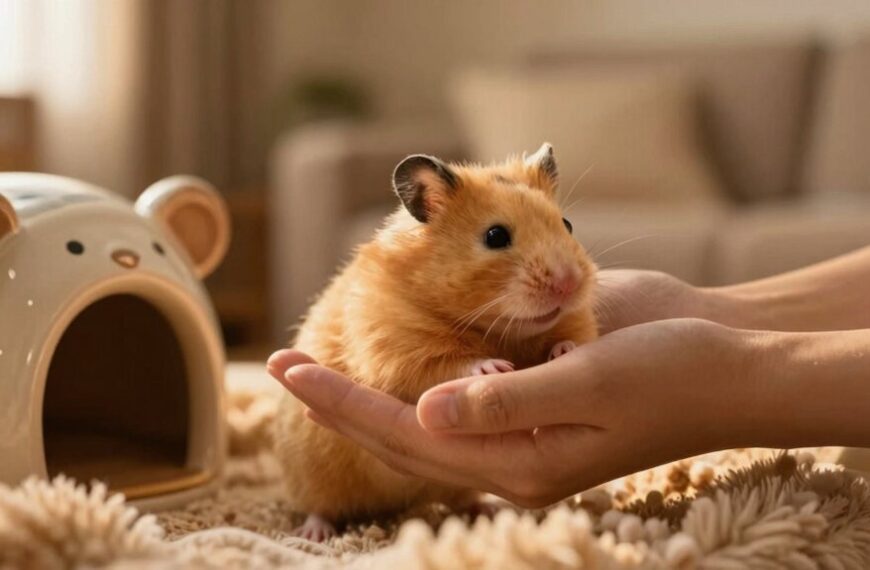
Add cozy hideouts, gentle handling, and fun toys.
Small tweaks can make a big difference.
You’re more than a pet parent. You’re their hero.
With a little love and observation, you’ll help your hamster rediscover the joy of popping out to say hi.
A lack of mental stimulation can lead to psychological strain, and in some cases, contribute to behaviors associated with cage rage.
Lethargic Hamster? Low Energy Signals Emotional Distress

You know your hamster’s usually zooming around like a tiny furry tornado, so when they’re just lying there like a potato, it’s kind of a big deal.
If your little buddy’s moving slow, skipping playtime, or napping more than a sleepy grandpa on Sunday, it might be more than mere laziness.
Low energy can actually be a sign they’re feeling down. Yeah, even hamsters have off days, but if the slump sticks around, it’s worth paying attention to.
Lethargic Behavior Indicates Distress
While your hamster mightn’t pout or sigh like a person would, a sudden drop in energy can still speak volumes.
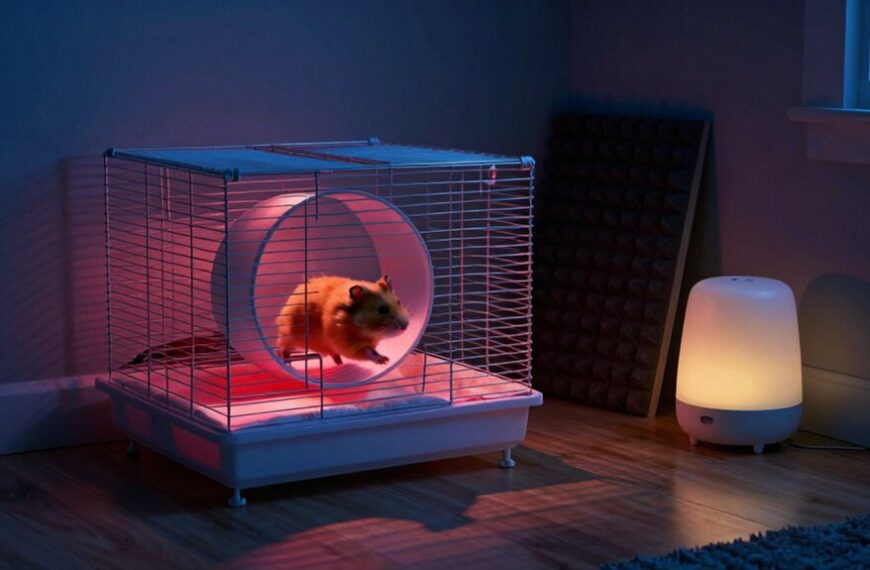
If your usually lively buddy skips their nightly wheel runs or ignores their favorite toys, it might be more than just a lazy day.
Changes in play patterns, like avoiding tunnels or napping in the food bowl, can signal emotional distress.
You might also notice they’re less excited during social interaction, pulling away when you offer a hand or not chirping hello.
Hamsters are little drama queens, sure, but real lethargy isn’t just moodiness.
It’s a cry for help.
Check their environment.
Is the cage too cold? Too quiet?
Maybe they’re bored or stressed.
A little TLC, a cozy hideout, or even a new chew toy could lift their spirits.
Don’t shrug it off.
Your tiny friend is counting on you to notice.
Lack of mental stimulation can significantly contribute to lethargy and emotional distress in hamsters.
Reduced Activity Signals Sadness
When your hamster starts moving like they’re stuck in slow-mo, it’s more than a sign they’re channeling their inner sloth for fun. Reduced activity can actually point to sadness or stress.
You might notice a playtime decrease, like they’re no longer racing on their wheel or exploring tunnels with gusto. Instead, they’re just… hanging out. A lot.
This social withdrawal isn’t just laziness, it’s often emotional.
Hamsters are naturally curious, so when they stop investigating or ignore their favorite toys, something’s off.
Maybe their environment changed, or they’re lonely.
Check their space, offer gentle interaction, and guarantee they’re not bored.
It’s not about forcing fun, it’s about spotting the quiet signs.
After all, even tiny hearts can feel heavy.
A little love and routine tweaks might be all it takes to bring back their bounce.
Reduced use of the exercise wheel or disinterest in toys may also signal repetitive stress behaviors linked to anxiety or environmental dissatisfaction.
Low Energy Reflects Emotions
If your hamster’s acting like they’ve been handed a tiny eviction notice from Fun Town, it might be more than just a lazy day. Low energy can actually be a whisper from their heart, not merely their body.
You might notice they’re not zooming through their wheel or ignoring their favorite toys. That drop in play behavior isn’t just boredom. It could be sadness.
Hamsters are usually curious, even a little nosy. When they skip social interaction, even with you, it’s worth paying attention.
Maybe they’re not nesting, eating less, or just sitting still like they’re pondering life.
It’s easy to miss, but low energy often mirrors their mood. Don’t shrug it off.
A little extra cuddle time, a quiet space, or a new chew toy might help.
You know your hamster best. If their spark’s dimming, they might just need you to notice.
Cage Biting? Your Hamster May Be Anxious or Bored
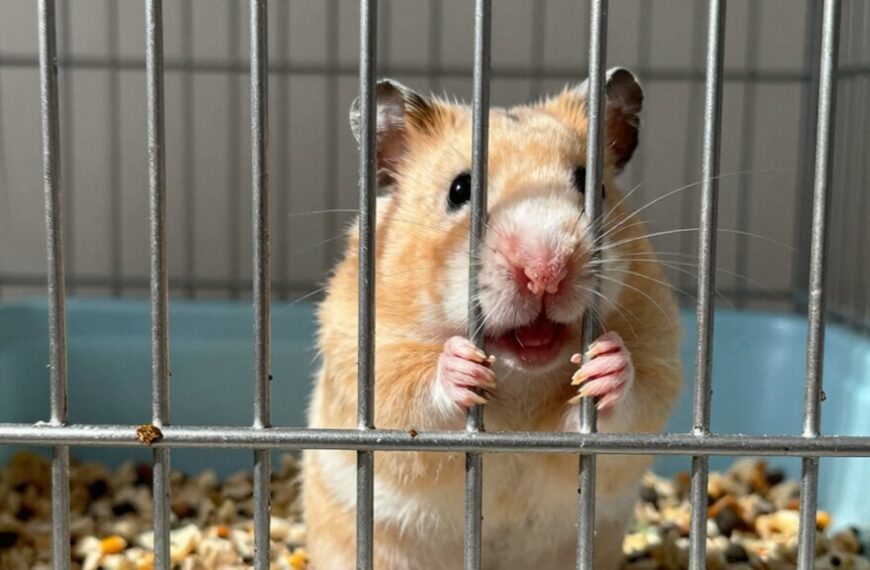
You might catch your hamster gnawing on the cage bars, and while it seems harmless, it’s often a sign they’re feeling anxious or just plain bored. Think of it like tapping your fingers when you’re restless.
Your hammy’s way of saying, “Hey, I need more fun stuff in here!”
Try adding tunnels, chew toys, or a wheel to keep them busy, and you’ll likely see that bar-biting habit fade faster than crumbs at snack time.
Hamsters chew for several reasons, including the need to manage continuous tooth growth, which is essential for their dental health and overall well-being.
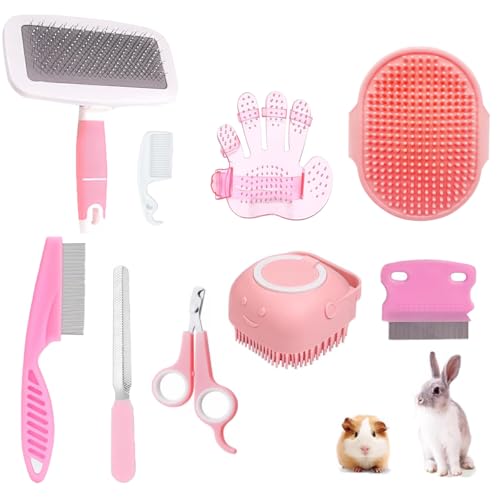
【9 Pieces pet Kits】Small Animal Grooming Kit grooming accessories ,The set contains pet nail clipper and file, flea comb*2, pet shampoo bath brush, pet shedding brush, Shampoo Brush,Which is enough to meet your pet's cleaning needs.

7-Piece Rabbit Grooming Kit: Includes a rounded-pin shedding brush, grooming glove, long and short fine-tooth combs, nail clipper, nail file and dematting tool for an organized small-pet care routine

🐹 One Box, One Fluffy Finish – This all-in-one small-animal grooming kit packs every comb, clipper & brush a hamster, guinea pig or bunny could wish for—perfect for daily upkeep on long-haired guinea pigs or dwarf rabbits.Precise scissor-style clippers + mini file trim tiny nails safely, while the bonus cleaning comb pops debris from every bristle.
Cage Biting Causes
Though your hamster can’t tell you they’re feeling down, they’re pretty chatty in their own quirky way, like when they start gnawing on the cage bars like it’s a snack bar they can’t get enough of.
This kind of chewing habit might seem harmless, but it’s often a red flag.
If your hamster’s cage design doesn’t give them enough space or fun stuff to do, they’ll get bored—fast.
And boredom, it leads to anxious chewing.
They’re not trying to redecorate, they’re craving stimulation.
A cramped cage with no tunnels, toys, or hiding spots turns into a hamster prison.
You’d chew too!
So, switch things up: add chew toys, a running wheel, and cozy corners.
Your little buddy will thank you by focusing their gnawing where it belongs, on safe, fun stuff, not the bars.
Providing appropriate chew toys helps satisfy their natural gnawing instinct and supports dental health.
Signs Of Boredom
Cage biting isn’t just a weird habit. It’s your hamster’s way of sending a tiny, toothy SOS. If your little buddy’s gnawing the bars, they’re likely bored—or even anxious.
Hamsters need more than just food and water. They crave fun and stimulation too. Without enough environmental enrichment, they get restless fast. Here’s how to spot boredom:
- Excessive cage biting or bar chewing – It’s not a home renovation project. It’s a cry for attention.
- Lethargy or lack of play – If your hamster skips the wheel or ignores toys, they might need new adventures.
- Over-grooming or repetitive actions – These can be signs of stress from too much downtime.
Boost social interaction with gentle handling and fresh toys. Rotate tunnels, add chew blocks, or scatter treats for a mini treasure hunt. A great way to enhance mental engagement is by introducing a foraging toy with hidden compartments that encourages natural retrieval behaviors and prevents boredom.
A happy hamster is a busy one. Keep life fun, and those sad, bored vibes will vanish!
Reducing Hamster Stress
Ever wonder why your hamster’s constantly gnawing on the cage bars like they’re trying to escape a tiny prison? It mightn’t be a jailbreak. They could be stressed or bored. Cage biting is a red flag, often tied to poor emotional well-being. The good news is you’ve got the power to help.
Boost your hamster’s mood with simple hamster enrichment. Add tunnels, chew toys, and a running wheel for exercise and fun.
Rotate toys weekly to keep things fresh and exciting. A cozy hideout and soft bedding also make a big difference.
Spend time near their cage daily, talking gently. Your presence is comforting.
Avoid loud noises and sudden movements. Small changes create a calmer, happier space.
You’re more than just a pet owner. You’re their hero. With a little love and creativity, your hamster can thrive, not merely survive.
Install chew-proof cage bar covers to protect your hamster from injury and prevent destructive chewing behaviors.
Lost Interest in Toys? A Red Flag for Hamster Depression
Have you ever watched your hamster zoom around the wheel like a tiny, furry racecar one week, only to find them ignoring their favorite toys the next?
That sudden disinterest might be more than just a phase. It could signal hamster blues.
That sudden disinterest might be more than just a phase—it could be your hamster’s way of saying they’re feeling blue.
Just like us, hamsters can feel down, and a loss of enthusiasm for play is a real red flag.
To keep spirits high, try a fun toy rotation and stick to a steady play routine. Small changes make a big difference!
Here’s how to re-engage your little buddy:
- Swap out toys weekly to spark curiosity.
- Introduce tunnels or chew toys for variety.
- Spend a few minutes daily encouraging gentle play.
A new puzzle feeder can reignite natural foraging instincts and provide essential mental stimulation and enrichment.
You’ve got this. Your hamster’s happiness is just a squeak away!
Ignoring Treats? Your Hamster Might Be Feeling Down

What if your hamster turns up their tiny nose at a treat they used to go wild for? That’s a red flag. A sudden disinterest in snacks can signal sadness, especially if your hamster’s food preferences have drastically changed. Normally, these little furballs get excited over seeds, fruits, or even a piece of cereal.
But when they’re feeling down, treats lose their magic. It’s more than about hunger, it’s about joy. Lack of social interaction can also play a role. Hamsters thrive on routine and gentle bonding.
If they’re withdrawn, skipping playtime and ignoring your hand offering a favorite snack, they might be lonely or stressed. Pay attention.
Try offering variety, talking softly, or spending quiet time nearby. Small gestures can reignite their spark. After all, even tiny hearts need love and the occasional sunflower seed.
When to See the Vet for a Sad or Stressed Hamster
So, how do you know when your hamster’s low mood calls for a vet visit instead of just extra cuddle time and cheer-up snacks?
Sometimes, sadness or stress can signal something more serious.
Sometimes, what looks like sadness is actually a cry for help—pay attention, because your hamster’s behavior could be signaling something bigger.
A professional assessment helps rule out illness and guarantees your tiny buddy gets the right care.
Here’s when to book that veterinary consultation:
- No appetite for more than 24 hours, even their favorite sunflower seeds don’t spark joy.
- Lethargy or hiding constantly: if they’re not merely napping but completely checked out, it’s a red flag.
- Unusual behaviors like fur loss or bar chewing. Stress can show up in weird ways.
Don’t wait too long.
Early help means faster healing.
Your hamster mightn’t talk, but their actions do.
And hey, better safe than sorry when it comes to your pint-sized pal!
Hamsters are naturally nocturnal animals, so a noticeable shift in their nighttime activity patterns could also indicate underlying health issues.
Final Thoughts
You know your hamster best, so trust your gut if something feels off. Sadness in hamsters sneaks up quietly, but you’ve got the tools to help.
Tweak their space, spend extra time nearby, and offer favorite snacks. Small changes make big differences.
And hey, even hamsters have off days. We’ve all been there, right? Just stay patient, stay kind, and don’t hesitate to call the vet if worries linger.


FRUITY FLAVOR COMBINATION: Crafted with delicious cherry and banana, these bite-sized treats are made for dwarf hamsters, rats, and mice, offering a burst of sweet taste that will make snack time extra special.

Gourmet Nutrition Tailored for Golden Hamsters: Indulge your pet with Niteangel's specially crafted hamster syrian food, meticulously designed to meet the unique dietary needs of golden hamsters. This gourmet blend ensures each bite promotes both health and happiness.