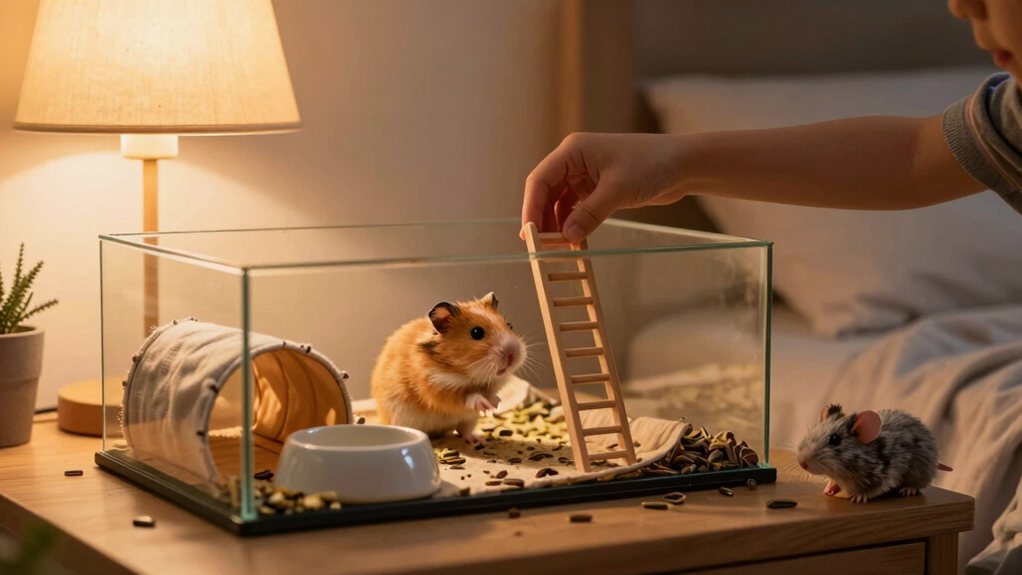
You might think hamsters are perfect starter pets, but they’re trickier than they look. They’re nocturnal, so they’ll run on their wheel all night while you’re trying to sleep.
They get stressed easily, may bite if startled, and need way more care than you’d expect, from daily cleaning to a balanced diet. Plus, not many vets treat them, and they only live 2–3 years. Spoiler: there’s a lot more to contemplate before bringing one home.
Hamsters Aren’t Ideal Pets for Young Kids

Ever wonder why so many kids beg for a hamster, and why those same hamsters often end up being cared for by Mom or Dad?
While hamsters have a gentle nature that makes them seem perfect, they’re not always the best match for young kids.
Hamsters may seem like the perfect pet for kids, but their gentle nature doesn’t always match a child’s energy and attention span.
Let’s face it: little ones have a short attention span, and caring for a pet takes daily effort—cleaning, feeding, and gentle handling.
Hamsters are nocturnal, so they’re up when kids are asleep, which means missed bonding time.
Plus, they can get stressed easily if handled too much or too roughly.
Even with the best intentions, a child might lose interest fast, leaving you stuck with the job.
It’s not that they can’t learn responsibility.
It’s just that hamsters need consistency and calm.
So, while they’re cute and cuddly in theory, think twice before handing over the cage keys.
You might end up the real pet parent!

【COMPLETE HABITAT UPGRADE KIT】Pluvinctus Hamster Cage Accessories Elevate your pet's living space with this all-in-one upgrade kit, featuring 1 maze wooden house, 1 silent hamster wheel, 1 water bottle with stand, 1 wooden bridge tunnel, 1 rabbit seesaw and 13 diverse chew toys—all designed to meet exercise, exploration, and chewing needs in one convenient solution

Natural Environment Decoration: This hamster fence is made of natural wood, is safe and clean, and is an interesting nesting and resting place that satisfies the natural instincts of small animals, is a good hamster accessory
Hamsters Are Nocturnal: Hard to Bond With
You might be up early, ready to say good morning to your hamster, but don’t be surprised if they’re curled up tight and fast asleep.
These little guys are night owls by nature, so they’re just getting started when you’re heading to bed.
That means you’ll have to catch them during their active hours if you want to play, snack together, or just hang out, yes, even at 10 p.m.!
Nocturnal By Nature
Why do hamsters seem to throw the best parties when you’re trying to sleep?
Because they’re nocturnal by nature, active when you’re not.
While you’re dreaming, your hamster is running on its wheel, digging, and exploring like it’s the middle of the day.
This nocturnal behavior can clash with your routine, making bonding tricky.
Your sleep patterns don’t match, so quality time happens when you’re groggy or not around.
Sure, they might nap during daylight, but don’t count on cuddle sessions at sunset.
You’ll hear the late-night rustling, the squeaky wheel symphony, maybe even a tiny escape attempt.
It’s cute—until 3 a.m.
Still, understanding their rhythm helps.
You can adjust feeding or playtime to early evening, meeting halfway.
They’re not being difficult on purpose.
Just following their instincts.
With patience, you’ll sync up enough to build a real connection, even if it’s on their clock.
Limited Daytime Interaction
What if the secret to bonding with your hamster isn’t about changing their schedule, but working with it? Hamsters are nocturnal, not diurnal, so they’re snoozing when you’re up and active. That means your chances for daytime social interaction are pretty slim.
You might wave hello at 3 p.m., only to find your tiny buddy curled in a ball, dreaming of snacks. But don’t take it personally! They’re just wired to thrive after dark.
Instead of forcing diurnal behavior, try gentle evening visits. Offer treats, talk softly, and let them wake up on their own time.
Sure, you won’t be playing fetch at noon, but late-night bonding has its charm. Think of it as a quirky friendship perk, like having a tiny roommate who throws 2 a.m. dance parties.
With patience and a sense of humor, you’ll build trust, one yawn at a time.
Hamsters Get Stressed and May Bite
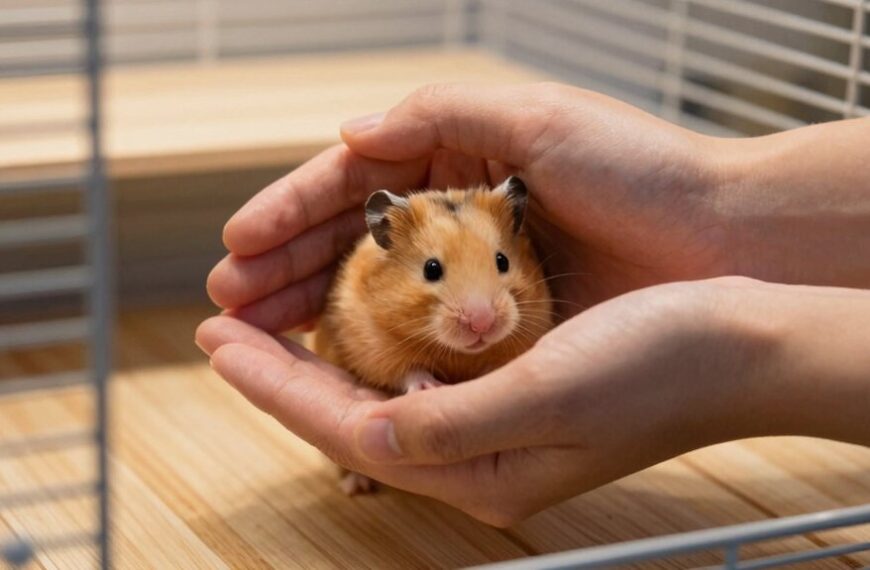
You might think picking up your hamster is a sweet way to say hi, but it can actually send them into full panic mode, imagine being snatched from your couch during a nap.
When they’re stressed, that tiny mouth can deliver a quick nip, not because they’re mean, but because they’re scared and just trying to defend themselves.
So go slow, let them sniff your hand first, and maybe skip the surprise hugs.
They’re more into chill vibes than cuddles.
Handling Triggers Stress Responses
Even though your hamster might look like a tiny, cuddly bean, handling them too much or too soon can send their little stress levels through the roof.
Gentle handling and a calm environment are key to helping them feel safe.
But remember, hamsters aren’t built for constant cuddling like cats or dogs.
Here’s what happens when handling goes wrong:
- Their heart rate spikes, making them jittery and scared.
- They may freeze or try to bolt, seeing you as a threat.
- Stressed hamsters often bite, not out of meanness, but panic.
You’re trying to bond, but from their view, it’s like being scooped up by a giant during an earthquake.
Give them time, go slow, and let trust grow.
Think less “snuggle buddy,” more “tiny roommate you respect.”
A happy hamster isn’t one in your hands. It’s one feeling safe in their space.
Biting As Defense Mechanism
When your hamster nips at your finger, it’s not plotting world domination. It’s just doing what tiny creatures do when they feel cornered.
Hamsters are naturally skittish, and when startled or scared, they might bite as a quick defense. It’s not personal; they’re just trying to protect themselves.
The key is gentle handling and trust building from day one. Start slow—let your hamster sniff your hand before picking it up.
Over time, with patience and calm energy, it’ll learn you’re not a threat. Avoid sudden moves, and never wake them abruptly from a nap. Nobody likes being startled awake!
While bites are usually mild, they’re a clear sign your pet feels unsafe. With consistency, most hamsters warm up to their humans.
Hamsters Need a Balanced Diet of Pellets and Fresh Food
While your hamster might act like a tiny, furry vacuum cleaner ready to suck up any snack in sight, they actually need a well-balanced diet to stay healthy and full of energy.
A good mix of diet variety and nutritional balance keeps their little bodies running efficiently.
Think of their meals like your own. Junk food every day just won’t cut it! Here’s what your hamster really needs:
- High-quality pellets as the daily staple, packed with vital nutrients.
- Fresh veggies like carrots or cucumber a few times a week for hydration and vitamins.
- Occasional protein treats, like boiled egg or mealworms, to round things out.
Too much fruit or sugary snacks can lead to health issues. Yes, even hamsters get diabetes.
Small Cages Cause Stress and Health Issues
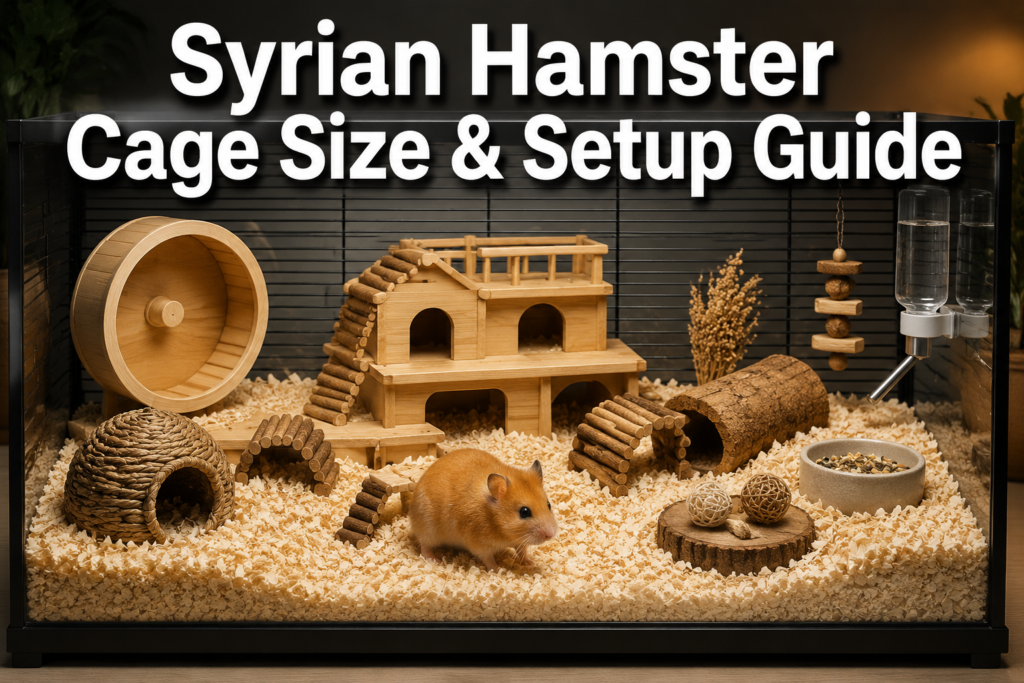
You might think a tiny pet only needs a tiny space, but cramming your hamster into a small cage is like asking you to live in a closet. Sure, you’d fit, but you wouldn’t exactly thrive. A proper cage size isn’t just about room to run, it’s about mental health.
When your hamster can’t explore, burrow, or stretch its legs, it gets stressed. Yes, even little guys feel anxiety. That stress can lead to health issues like obesity, overgrown teeth, and even a shorter lifespan.
Think of it this way: would you stay happy in a shoebox? Of course not!
Give your furry buddy at least two square feet of floor space, more if you can. A bigger cage means more toys, tunnels, and fun, which keeps your hamster active and mentally sharp.
You’ll both sleep better knowing they’re happy, healthy, and not plotting a great escape from a too-tiny prison.
Hamster Care Requires Daily Cleaning and Enrichment

You’ve got to clean your hamster’s cage a little every day, nobody likes a messy room, not even tiny furballs.
Make sure they’ve always got fresh food and water, because, let’s be honest, stale snacks are a mood killer for all of us.
And don’t forget to give them toys or tunnels to explore; a bored hamster is basically a tiny drama queen running on a wheel of chaos.
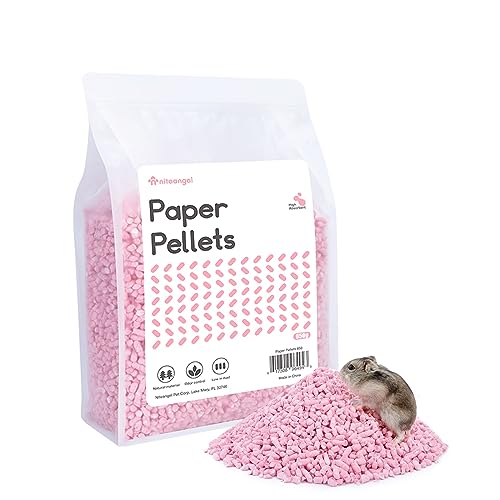
[Natural Material Paper Bedding] Are you still worried about the annoying smell of your tiny pet farm? Niteangel small animal paper bedding are made of natural pulp, which has strong water absorption, which can better absorb the annoying smell of the cage, and it will not deform in contact with water, allowing hamsters to have more fun rolling and digging.

【LOW DUST & ODOR CONTROL】A low-dust formula helps minimize dust during pouring and fluffing, while odor control helps keep your pet’s habitat fresh between cleanups. Ideal for owners looking for hamster bedding with odor control or rabbit bedding for an indoor rabbit.

【LOW DUST & ODOR CONTROL】A low-dust formula helps minimize dust during pouring and fluffing, while odor control helps keep your pet’s habitat fresh between cleanups. Ideal for owners looking for hamster bedding with odor control or rabbit bedding for an indoor rabbit.
Daily Cage Maintenance
Ever wonder how a little creature with such a tiny home can make such a big mess? You’d be surprised how fast your hamster’s cage turns into a stinky, chaotic zone without daily care. To keep things fresh and fun, stick to these three must-dos:
- Scoop out soiled bedding every morning, yes, even on Mondays.
- Refresh water and remove leftover food to prevent mold and pests.
- Rotate toys weekly for mental stimulation and try simple cage customization, like tunnels or hideouts.
Toy rotation isn’t just cute. It prevents boredom meltdowns, yes, hamsters have those. A clean, enriched space keeps your pet healthy and happy.
Sure, it’s work, but think of it as bonding time. With a little daily love, your tiny roommate stays safe, sane, and surprisingly tidy. Who knew responsibility could be this adorable?
Fresh Food And Water
Keeping that tiny furball happy doesn’t stop at a clean cage and cool toys, what your hamster eats and drinks matters just as much.
You’ve got to meet their hydration needs daily; always check that the water bottle drips effortlessly—no sipping through a clogged nozzle!
Refill it with fresh water every day, because, let’s be real, stale water isn’t doing anyone any favors.
When it comes to food, mix in small portions of fresh produce like carrot slices or cucumber a few times a week—think of it as their salad bar.
But don’t overdo it; too much can upset their tummy.
Hamsters may be small, but their health hinges on these little details.
Skipping fresh food and clean water? That’s like surviving on old chips and tap drips—no thanks!
Stay on top of this, and your pint-sized pal will stay lively, healthy, and maybe even do a happy wheel sprint for you.
Mental Stimulation Needs
What’s on your hamster’s mind as they dart through their cage at 2 a.m.?
Probably more than you think!
Hamsters need serious cognitive enrichment to stay happy and healthy.
Without it, they get bored, yes, even tiny furballs suffer from the blues.
To support their behavioral complexity, try these simple but effective ideas:
- Rotate toys weekly to keep things fresh and exciting.
- Hide treats in puzzle feeders to spark natural foraging instincts.
- Build DIY obstacle courses using cardboard tubes and safe household items.
You don’t need fancy gear—just time and creativity.
A stimulated hamster is a joyful hamster, less likely to chew bars or nap excessively.
Think of it as playtime with a purpose.
So, when you see that little nose twitching with curiosity, celebrate it.
You’re more than merely cleaning a cage.
You’re nurturing a clever little mind.
And honestly, isn’t that kind of adorable?
Hamsters Escape Easily and Are Hard to Catch
While hamsters are naturally curious and love to explore, the idea that they escape easily and are impossible to catch is more myth than reality if you set things up right.
Thanks to their nocturnal behavior, they’re most active when you’re not watching, which can make it seem like they vanish into thin air. But with a secure cage and no tiny gaps, escapes are rare.
Small enclosures might tempt them to look for adventure, so give them space and plenty of tunnels to satisfy that explorer instinct.
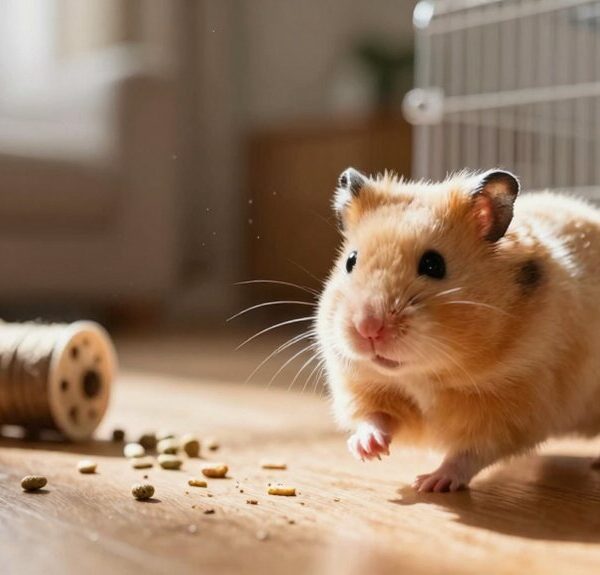
If they do sneak out, don’t panic. Sure, they’re quick, but they usually hide nearby, like under the couch or in a shoebox. A trail of sunflower seeds often lures them back.
You’ll laugh when you find them curled up in your socks. With a little prep, you’re not chasing a Houdini. You’re just playing hide-and-seek with a tiny, furry friend.
Few Vets Treat Hamsters: and It’s Costly
- Only 1 in 5 clinics treats small mammals
- Emergency care can cost more than buying a new hamster
- Routine checkups add up fast with specialty fees
It’s stressful, yes, but also kind of wild, right? You love your little buddy, but the system isn’t exactly hamster-friendly.
Still, knowing this helps you plan ahead. Maybe start a tiny vet fund. Every penny counts when your pet fits in a teacup.
Hamsters Only Live 2–3 Years
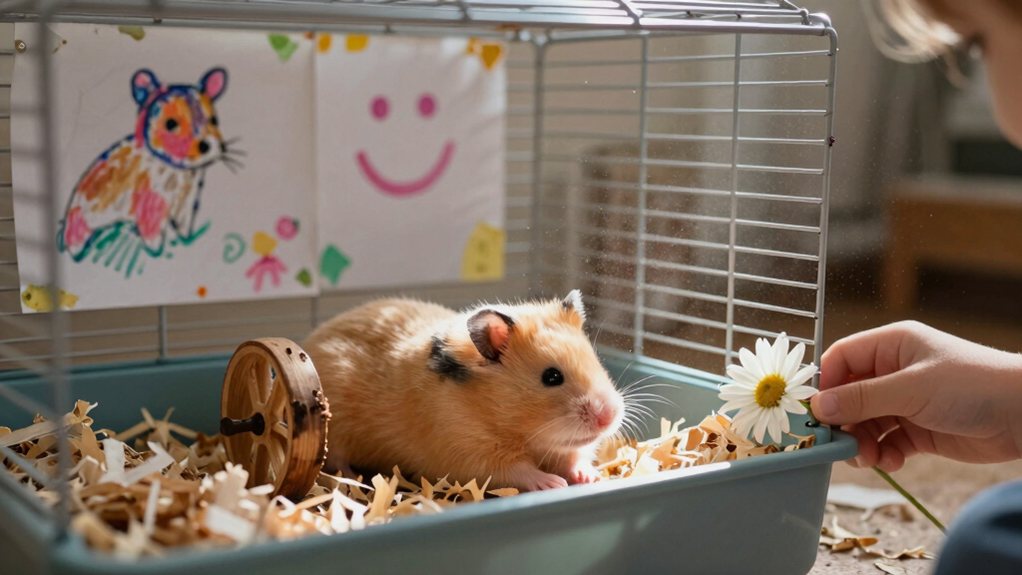
Let’s get real for a sec, yeah, it’s true, most hamsters only stick around for 2 to 3 years. That’s the hard truth about their short lifespan. You’ll blink, and your tiny buddy’s gone, no warning, just a quiet little nap they don’t wake up from.
You’ll blink, and your tiny buddy’s gone—no warning, just a quiet little nap they don’t wake up from. Hamsters live only 2 to 3 years, but they pack a lifetime of love into every whisker-twitching moment.
It mightn’t seem like a big deal at first, but the emotional impact? Real. You bond fast, laugh at their silly wheel runs, and then poof, they’re gone. It’s tough, especially for kids or adults who secretly talk to their pets.
But hey, even short lives can be full of joy. Think of it like a really good TV show, it’s over too soon, but you’re still glad you watched.
Loving a hamster means savoring the cute chaos while it lasts. Yeah, it stings when they go, but isn’t love worth it, even if it’s just for a few whisker-twitching years?
Guinea Pigs and Rabbits Make Better Starter Pets
Losing a hamster can leave a quiet ache in your heart, no doubt about it. Those little fluffballs sneak into your daily routine and your emotions fast.
But if you’re looking for a starter pet that’s easier on the heart and more rewarding long-term, consider guinea pigs or rabbits.
Their gentle nature and social behavior make them fantastic companions, especially for families or first-time pet owners. Here’s why they shine:
- They live 5–10 years, giving you lasting bonds.
- They thrive on interaction and love a good chin scratch.
- They’re chatterboxes—guinea pigs “whee!” and bunnies binky with joy.
You’ll laugh watching them zoom around or cuddle up on your lap.
They’re more than pets—they’re tiny, furry friends who truly *get* you.
And honestly, who wouldn’t want that kind of warmth in their life?
Final Thoughts
So, you’re thinking of getting a hamster? They’re cute, sure, but they’re not the easiest little buddies. They sleep all day, stress easily, and honestly, they’d rather not be held.
Plus, they live fast and leave young. If you want a pet that’s more hands-on and chill, maybe go for a guinea pig or bunny instead. They’re just as fluffy, way friendlier, and actually enjoy hanging out. No hiding in tiny wheels required.
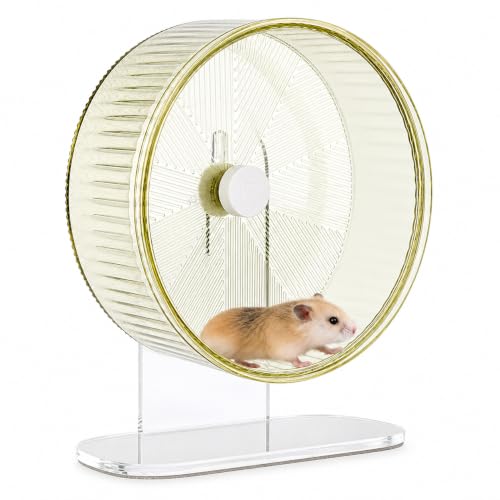
Quiet Running for Day & Night Use: This silent hamster wheel is designed with a dual ball bearing system and cork pad to help reduce vibration and running noise during everyday use. A smooth-spinning quiet hamster wheel for bedrooms, living rooms, glass tanks, small animal cages and hamster habitats

Silent: Silent structure for spinning, your animal can run at night without disturbing others, encourage your pet with hours for maintaining their strength and well-being,ideal hamster toys stuff accessories for your hamster cages..

🐻 HAPPY FITNESS✔:hamster wheel 7 inch, brings your little hamster endless running happiness, Hamsters love the silent wheel like a runner, help them to enrich their nighttime, also keep them to exercise for maintaining their strength.