You might love the smell of citrus or lavender, but your hamster absolutely hates those scents, and they can actually stress them out or even make them sick. Strong smells like peppermint, air fresheners, or scented candles overwhelm their sensitive noses.
Even cleaning with lemon juice or using pine bedding can irritate their lungs. Keep things simple with unscented, safe materials, and your hamster will breathe easier—literally. Stick around to discover how to keep their space fresh without the funk.
Smells Hamsters Hate (And Why They React So Strongly)
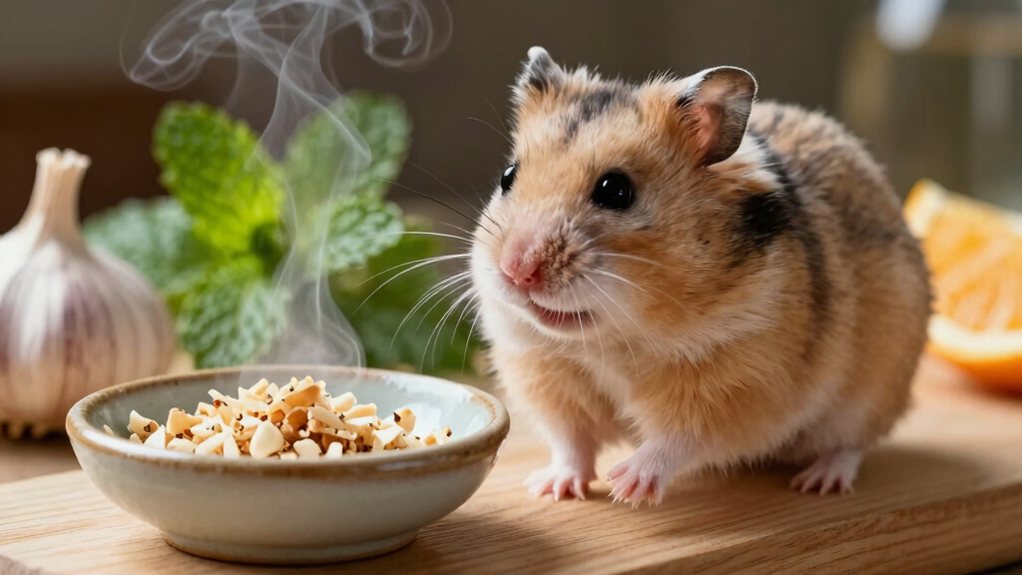
While you might enjoy the fresh scent of citrus or a whiff of peppermint, your hamster probably doesn’t feel the same way, and for good reason.
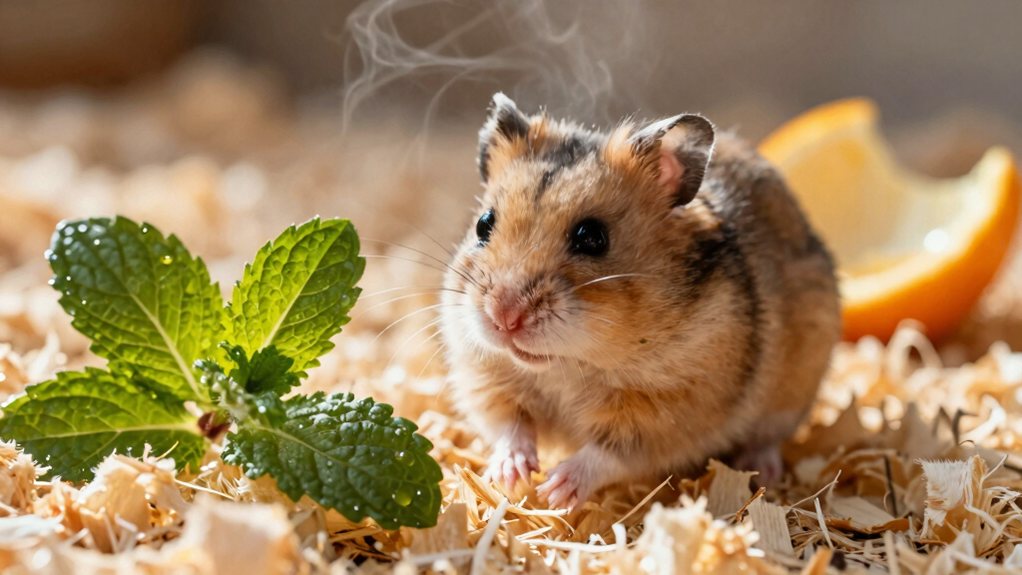
Strong smells like mint leaves or lavender fields can overwhelm your tiny friend’s sensitive nose.
Hamsters rely heavily on their sense of smell to explore, find food, and feel safe.
When bombarded with intense scents, they can get stressed or even scared.
Think of it like walking into a room drenched in perfume—it’s too much, right?
That’s how your hamster feels near strong indispensable oils or aromatic plants.
While you might picture them happily rolling in mint leaves or napping in lavender fields, those smells are actually a no-go.
Keep their space calm and scent-free, and your hamster will thank you with happy cheek-puffing and energetic wheel runs.
A little freshness goes a long way—just not in their cage!
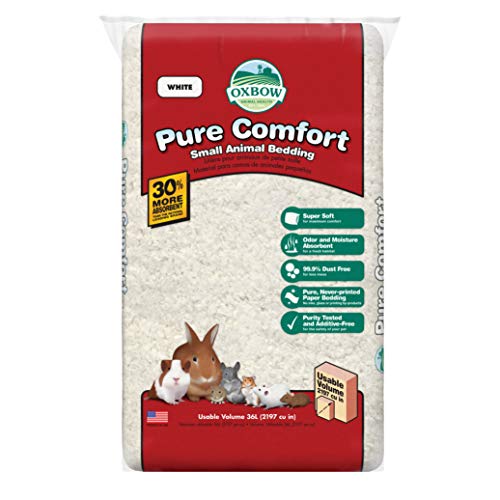
ODOR ABSORBENT TO MINIMIZE PET ODORS: Effectively neutralizes odors to keep bunny bedding & hamster bedding fresh; Ideal for pet bedding, ferret cages, and litter boxes, it helps maintain a clean environment for your pets and a better experience for you
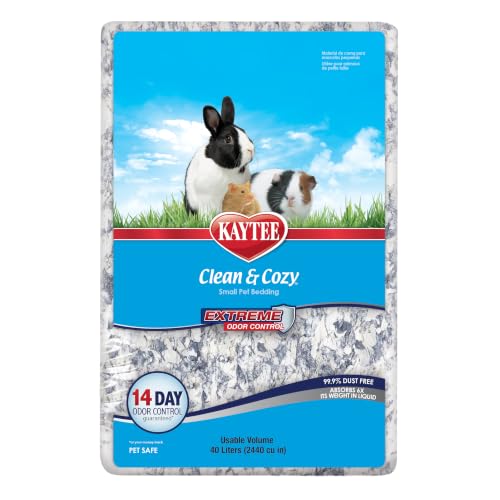
14-DAY ODOR CONTROL for long-lasting freshness. Kaytee Clean & Cozy can be used with any type of habitat for a fresh animal home

ODOR CONTROL for long-lasting freshness. Kaytee Clean & Cozy can be used with any type of habitat for a fresh animal home.
How Bad Smells Affect Hamster Health and Behavior
When your hamster’s nose catches a whiff of something harsh, like strong cleaners or scented bedding, it’s more than just annoyed, it’s genuinely stressed. Those tiny lungs and sensitive noses weren’t built for chemical overload.
Strong scents like cleaners or perfumed bedding don’t just bother your hamster—they cause real stress. Those delicate noses and tiny lungs can’t handle chemical overload.
Bad smells can mess with their diet impact, making them eat less or skip meals altogether. No fun when you’re a snack-sized creature with big energy needs.
Plus, hamsters already deal with serious noise sensitivity, so pairing loud sounds with nasty odors is like a double whammy of stress.
You might notice them hiding more, grooming nonstop, or even acting grumpy. Yes, hamsters can give you the cold shoulder!
Keep their space fresh with mild, natural scents and unscented bedding.
Your little buddy will breathe easier, snack happier, and maybe even forgive you for that one time you sneezed near their cage. A calm nose means a calm hamster, everyone wins.
To avoid harmful residues, always choose a disinfectant labeled as hamster-safe disinfectant that eliminates pathogens without toxic chemicals.
Why Citrus Is a No-Go for Hamsters
You might love the fresh zing of citrus, but your hamster definitely doesn’t. Those strong scents can overwhelm their tiny noses and cause real discomfort.
The sharp oils in oranges, lemons, and limes aren’t just annoying. They can irritate your pet’s lungs and lead to breathing troubles.
Skip the lemony cleaners and go for gentler, natural alternatives instead. Your little buddy will thank you with fewer sneezes and more happy wheel runs.
Citrus Causes Respiratory Irritation
Ever wonder why your hamster scurries away when you peel an orange nearby? Those orange fumes might seem fresh to you, but they’re harsh on your tiny friend’s sensitive nose.
Hamsters have super-strong sniffers, and citrus smells, like lemon toxicity or even grapefruit spray, can irritate their little lungs.
Seriously, what smells zesty to us feels like a chemical attack to them.
Prolonged exposure might lead to sneezing, wheezing, or worse.
You wouldn’t want to breathe in strong cleaners all day, right? Well, citrus oils and peels are kind of like nature’s air fresheners and just as risky for hamsters.
So, while you’re enjoying that sunny citrus scent, remember your pet’s comfort.
Keep lemons, limes, and oranges and their peels far from the cage.
Your hamster may not thank you in words, but they’ll stay healthier and way less grumpy.
Essential oils are toxic to hamsters when inhaled or ingested, even in small amounts.
Strong Scents Overwhelm Hamsters
That zesty punch from a lemon isn’t just unpleasant for your hamster, it can actually knock their sensitive system for a loop.
Hamsters rely heavily on their sense of smell, and strong scents overwhelm them fast, kind of like how loud noises or sudden movements spook them.
Imagine chugging a bottle of air freshener, yikes, right? That’s what potent citrus smells feel like to your tiny buddy.
Their little noses aren’t built for intense fragrances, and too much can cause stress, sneezing, or even breathing trouble.
So while you might love that lemony glow, skip the citrus sprays near their habitat.
Keep their space calm and scent-free, more spa day, less chemical explosion.
Think soft bedding, quiet corners, and gentle routines.
You wouldn’t want someone waving perfume under your nose all day, same goes for your hamster.
A happy hamster is a sniffably serene one!
Natural Alternatives Are Safer
While your hamster mightn’t hand out perfume reviews, they definitely vote with their paws, especially when it comes to citrus.
That zesty orange or lemon scent you love is a total no-go for your tiny friend. Their sensitive noses can’t handle the strong acids, which may lead to stress or even breathing issues.
But don’t worry—you’ve got safer, natural alternatives.
Lavender benefits include a calming effect, helping your hamster relax (just use it sparingly!).
And vinegar safety makes it a smart choice for cleaning their habitat without harsh chemicals. A diluted vinegar mix cuts grime and odors gently, keeping things fresh without overwhelming your pet.
Stick to mild, natural scents, and your hamster will thank you with happy zoomies.
You’re more than cleaning. You’re caring. So skip the citrus, welcome the calm, and let your little buddy enjoy a safe, sniff-friendly home.
Everyday Scents That Stress Your Hamster
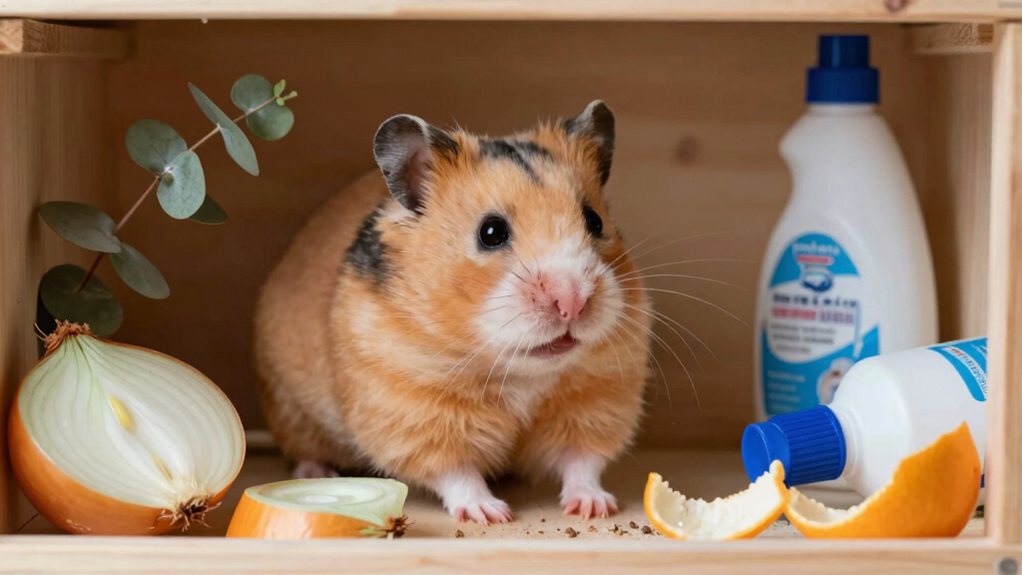
What if the very scents you love, like that freshly baked vanilla candle or your go-to lavender air freshener, were sending your hamster into a tiny, furry panic?
Yes, those calming lavender fields you dream about. To your hamster, they’re more like danger zones.
Strong floral or herbal smells, even natural ones like mint leaves, can overwhelm their super-sensitive noses.
Imagine trying to chill while someone sprays perfume in your face. Annoying, right? That’s your hamster’s life near scented candles, air fresheners, or vital oils.
These everyday scents don’t just bother them. They cause real stress.
And stressed hamsters can get sick or act out, like refusing to sleep or snack.
So skip the lavender spritz and ditch the minty room spray.
Your hamster isn’t trying to be dramatic. They just want fresh, clean air.
Keep it simple, keep it safe, and let your pet enjoy their quiet little world without a whiff of your latest home fragrance.

BIO-ENZYMATIC CLEANING FORMULA: Penetrates to help break down and destroy tough stains and odors

Natural Botanical Habitat Enrichment: This hamster bedding and hamster sprays and forage mix is crafted from air-dried flowers and grasses, creating a calm and natural small animal habitat décor that helps hamsters feel safe, relaxed and engaged in their cage

YES! BYE, BYE SCRUBBING – Our wipe off, non-toxic Pet Cage and Crate Cleaner is so easy, just spray and wipe away. No need to rinse as we don't use harmful dyes, overpowering perfumes, or harsh chemicals.
Safe, Non-Toxic Alternatives for Cleaning
You don’t need harsh chemicals to keep your hamster’s home clean, good news, since those fumes can really freak them out.
Try wiping things down with a mix of vinegar and water, or grab a pet-safe disinfectant that won’t leave behind toxic fumes.
Your little buddy will thank you with fewer stressed-out zoomies at 2 a.m.
Enzyme-based cleaners are highly effective at eliminating odors without irritating your hamster’s sensitive respiratory system, making them a top choice for safe, regular use. Enzyme-based formulas break down waste naturally and are featured in many vet-approved, non-toxic cleaning products designed specifically for small animals.
Natural Cleaning Solutions
Since you’re aiming to keep your hamster’s home clean without sending them into a sneezing fit, it’s smart to skip the harsh chemicals and reach for natural cleaning solutions instead. You don’t need chemical cleaners that leave behind fumes your tiny friend will hate, seriously, they’d rather sniff their own bedding.
Try simple mixes like vinegar and water in a 1:1 ratio to wipe down cages safely.
Baking soda’s great too, it tackles odors without any risky fundamental oils, which can actually be toxic to hamsters.
Lemon juice adds a fresh zing and cuts grease, but always rinse well.
These natural cleaning solutions are gentle, effective, and won’t make your pet panic like you’ve invaded their space with a science experiment.
Plus, your nose and theirs will thank you. Clean home, happy hamster, no lab coat required!
Hamster-Safe Disinfectants
Ever wonder how to zap germs without turning your hamster’s cozy home into a chemical war zone? Good news—you don’t need harsh cleaners to keep things fresh and safe.
Try hamster-safe disinfectants like diluted white vinegar or pet-safe, non-toxic sprays made for small animals. They knock out bacteria without leaving behind scary fumes your tiny buddy hates.
When cleaning, remove your hamster first, safety first, right? Wipe down the cage, bedding area, and don’t skip wheel maintenance; gunk builds up fast!
Even that cute hammock needs a check. Hammock safety means no mold or damp spots.
Rinse well and let everything dry before reassembling.
Your hamster will thank you with happy zoomies, not sneezy sniffles. Simple, safe, and effective. Cleaning can be kind to both you and your pint-sized pal.
A clean environment starts with identifying the bathroom spot to target odor and bacteria at the source.
Creating a Scent-Safe Habitat for Your Hamster
While your hamster may not exactly file a formal complaint about a whiff of air freshener, they’re way more sensitive to smells than you might think.
Keeping their space scent-safe isn’t just thoughtful, it’s essential.
Hamsters rely heavily on their noses, so strong scents can stress them out or even make them sick.
When picking bedding, skip the perfumed kinds.
Your hamster doesn’t need lavender-scented toilet paper, no matter how fancy it sounds.
Go for plain, unscented paper or aspen shavings instead.
Also, think about cage location: avoid placing it near kitchens, bathrooms, or cleaning supplies where harsh odors hang around.
A quiet corner away from strong smells gives your hamster peace of mind.
You wouldn’t want to nap next to a pine-scented air freshener, right?
Treat their home like a chill, low-odor zen zone.
They’ll thank you with happy cheek pouches.
Never use cedar or pine shavings as they release toxic compounds that can severely impact your hamster’s respiratory health.
Final Thoughts
You now know the scents your hamster would rather not deal with, citrus, strong cleaners, even some air fresheners can send them into a tizzy. Protecting their tiny nose means a happier, healthier pet.
Stick to safe, unscented options when cleaning, and your little buddy will thank you by staying calm and curious. Think of it as nose etiquette: keep it mild, keep it clean, and you’ll both breathe easier. Well, maybe just you actually care about the air freshener.
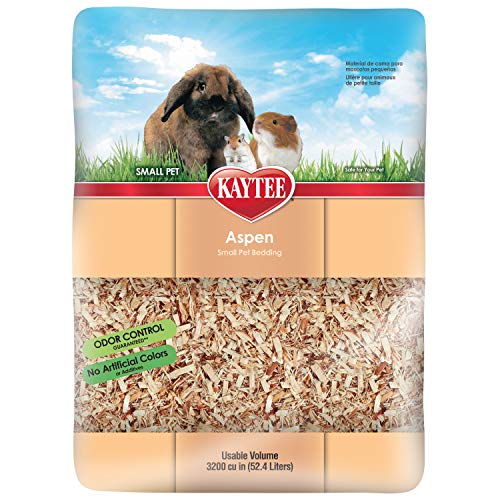
ALL-NATURAL ASPEN SHAVINGS, crafted for a natural, comfortable habitat

Natural Pet Bedding – Made from 100% natural materials with no additives or fragrances. Soft, fluffy, and safe, providing a healthy bedding option for your small pets.

Natural Materials And Easy To Use: Hamster bedding is made of selected natural coco materials, the soft and delicate material will give the hamster to dig and play without hurting its paws, you just need to sprinkle Hamster Bedding on the hamster habitat , let the hamster enjoy the fun of digging and exploring.