You might love cuddly pets, but dwarf hamsters are nocturnal, so they’ll be fast asleep when you’re ready to play. They bite sometimes, usually out of fear or if your hands smell like snacks.
Kids can accidentally hurt them, and their tiny bodies make handling risky. These little escape artists can squeeze through small gaps, and without the right wheel or chew toys, they get stressed.
Plus, cleaning and care? Non-negotiable. Stick around—there’s more to know before you bring one home.
Dwarf Hamsters Are Nocturnal: Expect Limited Interaction
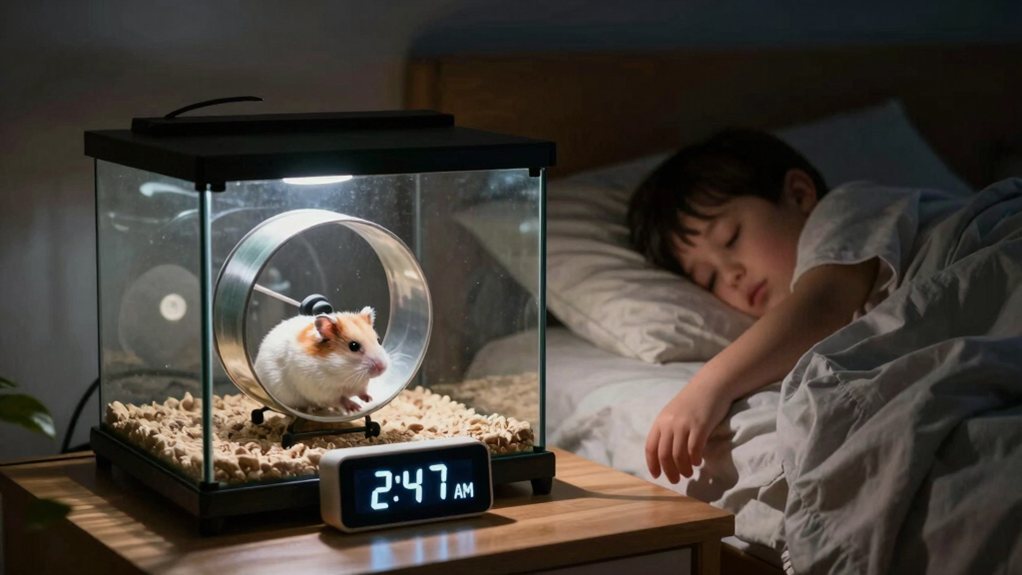
Wait, do you really only get to see your dwarf hamster when you’re trying to sleep? Yep, thanks to their nocturnal behavior, these tiny furballs are just waking up as you’re heading to bed.
While you’re dreaming, they’re busy running on their wheel, exploring, and snack-hunting.
That means your quality time together? Pretty limited.
Your quality time together? Barely exists—thanks to their nighttime schedule, bonding feels like chasing moonlight.
You might wave goodnight and catch them yawning—or rather, stretching for their daily “morning” routine.
Because they’re active at night, bonding during your free hours can feel like trying to chat with a roommate who only speaks a different time zone.
This leads to limited bonding opportunities, which can be tough if you’re hoping for a cuddly companion.
But hey, they’re still adorable—even if they’re more “night owl” than “hug buddy.”
Just don’t expect sleepy snuggles or daytime chats.
They’ll win your heart, just on their own clock.
Dwarf hamsters are naturally solitary animals, so even when awake, they often prefer solitary living over interaction with humans.

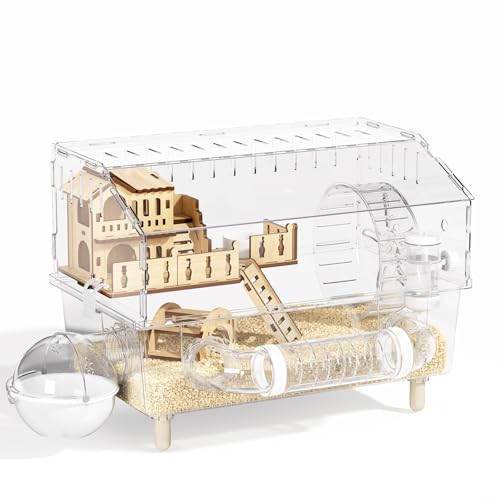
【Complete Starter Kit】This hamster cage comes with a complete set of accessories, including the cage itself, a wooden house, an 18cm silent running wheel, a sand bath, a tunnel, a water bottle, a food bowl, an arched bridge, a platform, and a ladder. All essential accessories are included, eliminating the need for additional purchases and ensuring your hamsters has a comfortable and enriching living environment.
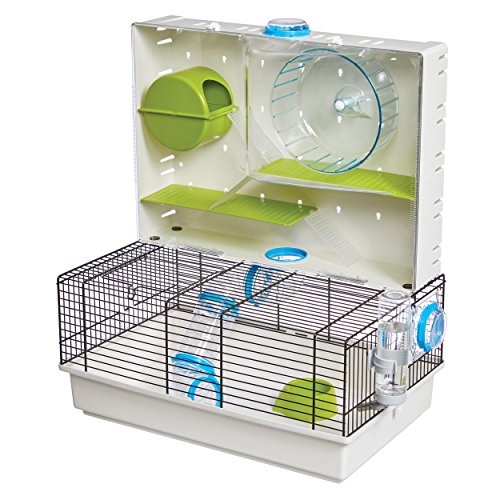
Fun Arcade Hamster Home features a cool multi-level play space to watch your hamster in action 18.11 length x 11.4 width x 21.5 height inches, 6.1 pounds
Why Dwarf Hamsters Bite (And How to Prevent It)
Why does your dwarf hamster sometimes nip your finger when you’re just trying to say hello? It’s not personal. Tiny teeth don’t mean big grudges.
Dwarf hamsters bite mostly due to fear or surprise, especially if you reach in fast.
Strong smells on your hands, like food or other pets, can confuse them and trigger aggression triggers.
To prevent this, always wash your hands and move slowly.
Let your hamster sniff you first.
Patience builds trust.
Good handling techniques make a huge difference.
Scoop gently with both hands, avoid grabbing, and keep interactions calm and short.
Never wake them suddenly. They’re grumpy when startled, just like you on a Monday morning.
With time, consistency, and a little treat, your hamster will learn you’re not a threat.
Think of it as tiny diplomacy. Small efforts, big rewards.
Hamsters do not bite to show affection; what may seem like loving nips are actually signs of curiosity or fear.
Too Small for Young Kids: Safety Risks Explained
Even if you’ve worked hard to earn your dwarf hamster’s trust and avoid surprise nibbles, that doesn’t mean just anyone should handle them, especially young kids. These tiny furballs are delicate, and a toddler’s grip can be too strong, even if they’re being gentle.
Dwarf hamsters are fragile and easily startled—toddlers, no matter how gentle, may unintentionally harm them with a too-tight grip or sudden movement.
A startled hamster might bite, not out of meanness, but fear.
Plus, little hands can accidentally drop them, leading to serious injury. While you’ve nailed the cage size and feeding schedule, kids mightn’t follow routines consistently.
They could skip meals or leave the door open. That’s risky.
Dwarf hamsters thrive on predictability and calm. If your child is enthusiastic to help, let them assist under close supervision.
Maybe they can hand you veggies for the feeding schedule or decorate the cage when it’s empty. It’s a great way to teach responsibility without putting your pet in danger.
Handling too much or too soon increases stress levels, and elevated heart rate can seriously impact their fragile health.
Insecure Cages = Guaranteed Escapes

If you think your dwarf hamster’s cage is escape-proof, think again, those little escape artists are smarter than you’d expect. Dwarf hamsters are tiny, curious, and relentless when it comes to testing cage security.
Even the tiniest gap or loose bar can become their grand escape route. You’ll wake up to find them on your dresser, inside your shoes, or worse—nowhere in sight. That’s why escape prevention should be a top priority.
Wire cages with wide bar spacing? Big no. Plastic bins with secure lids? Much better.
Always double-check latches and seams—your hamster will.
Sure, their Houdini acts can be funny after you find them, but prevention beats panic.
Invest in a solid setup, stay vigilant, and save yourself the midnight search party. A secure cage means peace of mind—for you and your pint-sized explorer.
A reliable solution is using chew-proof 1.0mm thick plastic guards to block bar gaps without obstructing visibility.

[ All-Natural Materials ] Made from 100% natural materials, with no artificial harmful additives or preservatives, ensuring a safe and healthy option for your pets.

[FORMULATED FOR SMALL ANIMALS] - Each package contains 3 delicious flavors: strawberry, mixed berries, and raspberry. Each flavor is intentionally chosen for rabbits, hamsters, guinea pigs, chinchillas, rats, mice, gerbils, and other small animals. This is a perfect choice for rodents who are picky eaters or if you are unsure which flavor your pet will enjoy the most. A 50g package contains approximately 50-55 bite-sized pieces

Natural Materials And Easy To Use: Hamster bedding is made of selected natural coco materials, the soft and delicate material will give the hamster to dig and play without hurting its paws, you just need to sprinkle Hamster Bedding on the hamster habitat , let the hamster enjoy the fun of digging and exploring.
Daily Care You Can’t Skip
Ever wonder what it takes to keep your tiny furball happy and healthy every single day? A lot, actually: you can’t just wing it. Sticking to a consistent feeding schedule is key. Skip a meal, and your hamster might just hold a grudge or at least act hangry.
Fresh water, quality pellets, and the occasional veggie treat keep them thriving. Grooming needs are minimal since they’re self-cleaners, but that doesn’t mean zero effort. Check their fur for tangles or debris, especially in long-haired breeds.
You’ll also need to spot-clean the cage daily. Nobody likes a messy roommate. Nail trims are needed every few weeks.
And don’t forget playtime; they need mental stimulation too.
It’s not all fluff and fun. Responsibility comes with the cuteness. But hey, who said being a hamster parent was easy?
A full weekly deep clean is essential to prevent odor and bacterial buildup, even with daily spot cleaning.
Must-Have Enrichment to Prevent Stress
You’ve got to keep your dwarf hamster busy, or you’ll come back to a tiny escape artist on your hands. Set up tunnels and hideouts so they can scurry and snooze like the little ninjas they are, and don’t skip the exercise wheel.
Trust me, a hamster with cabin fever is *not* a happy camper. Toss in some chew toys too, because those ever-growing teeth won’t stop, and you’d rather they gnaw on wood than your furniture. For added enrichment, include a natural wood climbing branch to encourage safe chewing and active exploration.
Tunnels And Hideouts
While your dwarf hamster might look like a tiny, low-maintenance buddy, don’t be fooled. This little explorer craves adventure just as much as a kid with a backyard full of cardboard boxes.
To keep your hamster happy and stress-free, tunnels and hideouts are a must. These cozy spots support natural digging behavior and nesting habits, giving your pet a sense of security.
Without them, your hamster might get anxious or bored. No fun for either of you!
Go for chew-safe materials like wood or cardboard, and make sure the tunnels connect seamlessly.
Add some soft bedding inside the hideouts, and watch your hamster snuggle in like it’s claiming a tiny, furry mansion.
Think of it as building a mini dream home where your hamster can burrow, nap, and maybe even stash a snack or two. It’s not merely cute—it’s crucial.
A great option includes multi-room layouts made from untreated natural wood to ensure safety and enrichment.
Exercise Wheel Importance
Your hamster’s cozy hideout might be the perfect spot for naps and snack stashes, but don’t forget, this little furball was built for movement.
Without enough activity, your dwarf hamster can get stressed or even develop behavioral issues.
That’s where an exercise wheel comes in: it’s a must-have, not a luxury.
But more than just any wheel will do.
You’ve got to watch the wheel size; too small, and it can cause back pain or exercise injuries.
Aim for at least 8 inches in diameter to keep their spine straight while they sprint.
A solid surface is key, too.
No rungs that could trap tiny toes.
Trust us, your hamster will thank you with midnight marathons and fewer chewed bars.
It’s like a gym membership, but fluffier.
Skip it, and you might end up with a grumpy, stir-crazy hamster on your hands.
Chew Toys For Health
Since chewing is as natural to dwarf hamsters as breathing, skipping chew toys is like asking them to hold their breath all day. Just don’t do it. Your hamster’s teeth grow nonstop, so without safe things to gnaw on, they can overgrow and cause serious dental health issues.
Chew toys aren’t just fun extras. They’re must-have enrichment to prevent stress and keep little jaws in top shape.
Always pick toys made for small pets to guarantee toy safety. Avoid anything with sharp edges or toxic materials. Think cardboard tubes, wooden blocks, or store-bought chew treats.
Rotate them weekly to keep things interesting. Yes, even hamsters get bored.
A happy chewer is a healthy chewer, so stock up on safe options. Trust me, you’ll both sleep better knowing those tiny teeth are busy and safe instead of stuck in a sunflower seed shell at 2 a.m.
Choose products made from 100% natural materials to ensure your hamster stays safe from harmful chemicals while satisfying their instinctual need to chew.
Final Thoughts
So, yeah, dwarf hamsters are cute, but they’re not all snuggles and bedtime chats. They’re night owls, might nip if startled, and can vanish like Houdini if their cage isn’t secure.
They need daily care and toys to stay happy: think tiny toddlers with big needs. Great for patient owners, not so much for little kids. But if you’re ready for the quirks, they can be little bundles of joy. Just don’t expect them to fetch.

Wooden Hamster Bridge Size : 3.5 × 21.7 in. Handmade from fruit wood sticks, strung and formed by two of flexible metal wires, hamster bridge is bendable and takes shapes easily as your wish, like a climbing hamster ladder, bedding or sand area divider, suspension bridge toys

Ceramic Hamster Hideaway – Made of degradable and environmentally friendly ceramic, which can effectively bite resistance. Water washable can be used with wet wipes for cleaning. (It will degrade into the soil after being placed outdoors for 1-2 years)

The hamster house adopts a double-layered design with a ladder, satisfying the hamster's exploratory nature. They can climb up and down, play around the house and dig up bedding