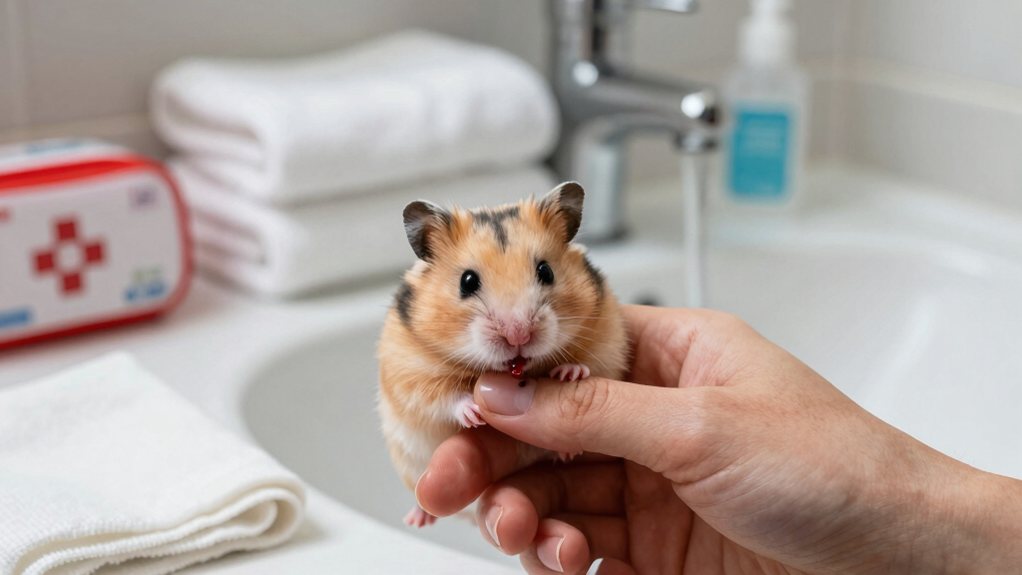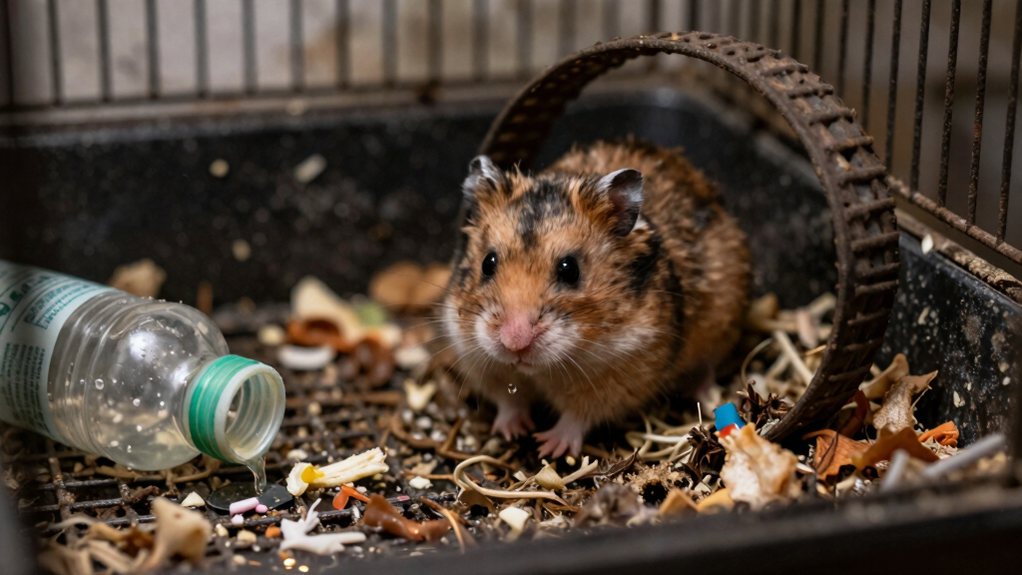
You might think hamsters are low-maintenance, but they’re nocturnal, so they’ll sleep when you’re awake and zoom around at midnight. They startle easily and might nip if woken suddenly.
Super fragile, they can get hurt from small falls or rough handling, tough with kids. They hoard food, making messes daily, and their short 2–3 year lifespan can break your heart.
Plus, they’d rather explore than cuddle. If you’re okay with quiet company and nightly antics, you’re already thinking like a real hamster owner.
Hamsters Are Nocturnal: Limited Daytime Interaction

While it’s true that hamsters are most active at night, don’t let that fool you into thinking you’ll never catch them awake during the day.
Still, their nocturnal behavior means you’ll likely find them snoozing when you’re ready to play.
If you’re an early riser or spend your evenings out, bonding time gets tricky, leading to limited bonding opportunities.
You might wave hello at 8 a.m., only to see a sleepy hamster curled in a ball, totally unimpressed.
But hey, they’re not being rude—they’re just living their best night life.
Try interacting in the late afternoon or early evening when they start stretching and perking up.
With a little patience, you’ll sync with their rhythm.
Sure, you won’t have a daytime buddy, but watching your hamster zoom at midnight can be oddly entertaining.
Think of it as your own tiny, furry night owl.

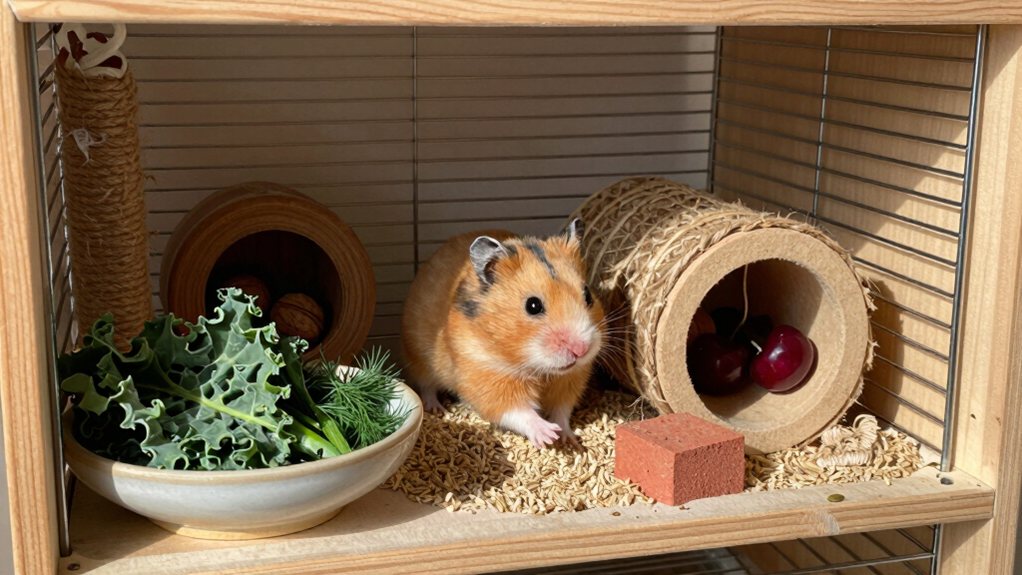
【COMPLETE HABITAT UPGRADE KIT】Pluvinctus Hamster Cage Accessories Elevate your pet's living space with this all-in-one upgrade kit, featuring 1 maze wooden house, 1 silent hamster wheel, 1 water bottle with stand, 1 wooden bridge tunnel, 1 rabbit seesaw and 13 diverse chew toys—all designed to meet exercise, exploration, and chewing needs in one convenient solution

Natural Environment Decoration: This hamster fence is made of natural wood, is safe and clean, and is an interesting nesting and resting place that satisfies the natural instincts of small animals, is a good hamster accessory
Hamsters Startle Easily and May Bite
Ever wonder why your hamster sometimes jumps like it’s seen a ghost when you reach into the cage? Well, hamsters startle *super* easily, thanks to their wild instincts and nocturnal behavior.
While you’re wide awake at 7 a.m., your little buddy’s probably still dreaming of sunflower seeds. Waking them suddenly? Not a great move.
They might lash out and give a quick, surprised bite—ouch! It’s not that they’re mean. They’re just scared and disoriented.
Because of their limited interaction during the day, it’s easy to forget they’re not always “on.” Go slow, speak softly, and let them wake up naturally.
A startled hamster is a jumpy hamster, and a jumpy hamster might nip. Usually, it’s more out of panic than anger.
Be patient, respect their rhythm, and you’ll both enjoy calmer, happier moments together.
Hamsters Are Fragile, Especially Around Kids
You’ve got to handle hamsters like they’re tiny, furry soufflés, drop them and things go south fast.
Their little bones are super delicate, so even a clumsy hug from a well-meaning kid can hurt them.
Sure, they’re cute, but maybe save the cuddles for older kids who can be gentle and actually listen when you say, “No squeezing!”
Fragile Bones And Bodies
It’s true, hamsters may be tiny bundles of energy, but they’re not built like little tanks. Their bone fragility means a simple fall from your hands or a too-tight squeeze can seriously hurt them.
You mightn’t mean to, but even gentle play can turn risky fast because of their physical vulnerability. Think of them as fluffy little acrobats with zero padding—adorable, yes, but not crash-test dummies.
Kids especially mightn’t grasp how delicate hamsters are, leading to accidental drops or rough handling. That’s why it’s key to teach gentle touches and supervised interactions.
A hamster’s body just isn’t made for roughhousing. While they’re curious and lively, they need care as soft as their fur.
Not Ideal For Young Children
Why do so many families think hamsters are the perfect first pet for little kids?
They’re small, cute, and seem so easy to care for, thanks to their independent nature and low maintenance needs.
But here’s the truth: hamsters aren’t always a great match for young children.
They’re fragile, fast, and easily stressed by loud noises or clumsy hands.
Here’s what you should consider:
- Hamsters can bite if startled or scared
- They’re nocturnal, so they sleep when kids are awake
- Little hands might drop them by accident
- They need quiet, calm environments
- They don’t enjoy being held like dogs or cats
While they’re low maintenance, they’re not cuddly playmates.
If you want a pet that thrives on interaction, a hamster might leave your child disappointed.
Require Gentle Handling Only
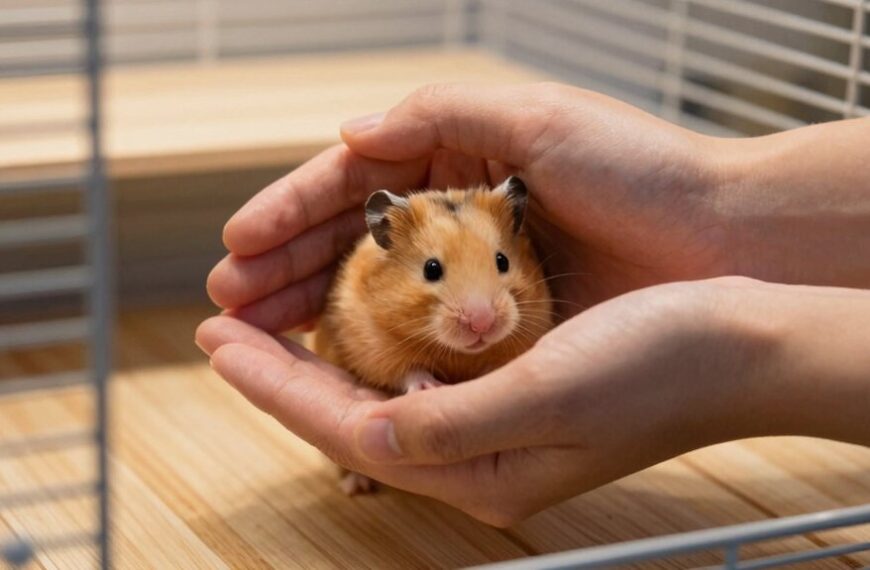
While they might look tough in those tiny cheek-puffed photos, hamsters are actually pretty delicate creatures, especially when little hands are involved. You’ve got to use a gentle grip, think soft paws, not wrestling moves.
These little guys can get stressed or even injured if squeezed too hard, and let’s be real, kids don’t always know their own strength.
Careful cuddling is key: scoop them slowly, support their whole body, and keep playtime calm.
A startled hamster might bite, not because they’re mean, but because they’re scared. It’s like giving a high-five to a butterfly, gentle and quick.
Sure, they’re adorable in your palm, but remember, they’re not toys.
With a little patience and a lot of soft touches, you’ll both enjoy safer, happier snuggles.
Hamsters Aren’t Safe for Young Children

You’ve got to be careful when little kids are around hamsters, they’re tiny and can get hurt easily if dropped or squeezed too tight.
These little guys might also nip if they’re startled, especially if woken up from a deep nap (and trust me, they love their sleep).
Small And Fragile Pets
Sure, hamsters are adorable little fluffballs that zip around their wheels like tiny furry racecars, but here’s the thing: they’re also super small and surprisingly delicate.
Their tiny frames can’t handle rough play or sudden drops, especially with young kids around.
Because of their nocturnal behavior, they’re often zonked during the day, making them cranky if woken up, definitely not ideal for enthusiastic little hands.
Plus, their limited handling window means you’ve got to pick the right time, or risk a stressed-out pet.
To help you understand just how fragile they are, consider this:
- One wrong grip and they might squeak in panic
- A fall from just a few feet can seriously hurt them
- They scare easily from loud noises or fast movements
- Their bones are tiny and can break without much force
- Stress from mishandling can shorten their lifespan
Handle with care, always!
May Bite When Startled
If you’ve ever tried to wake a grumpy teen for school, you’ve got a hint of what it’s like to disturb a hamster mid-nap, except this tiny furball might bite.
Hamsters are nocturnal, so they sleep during the day and get active at night. If you wake one by accident, their bite reflex kicks in fast. They’re not being mean, they’re just scared.
This startle response isn’t personal, but it can still hurt, especially for little kids who don’t understand why the cute pet suddenly nipped them.
Since hamsters are small and fragile and may bite when startled, they aren’t the safest choice for young children. You’ll want to teach kids how to handle them gently and only when the hamster’s awake and calm.
With a bit of care and timing, you can avoid surprises—and keep everyone, including your fingers, happy.
Hamsters Create Daily Mess: Hoarding & Scatter

Ever wonder why your hamster’s cage looks like a tiny tornado hit it every morning?
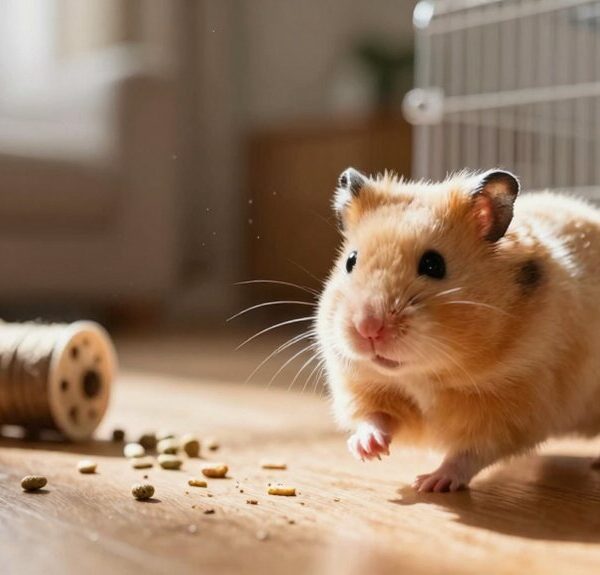
Your hamster’s cage a disaster zone every morning? Blame their inner hoarder—tiny paws, big mess, zero apologies.
That’s thanks to their natural food hoarding and scatter behavior.
These little furballs stash snacks and bedding all over, often overnight.
While it’s instinctual, it means you’ll face a mess daily.
But hey, it’s part of their charm, even if it drives you a little nuts.
To give you an idea of what you’re dealing with:
- They hide food in secret nooks you didn’t know existed
- Bedding gets flung like confetti during burrow-building
- Scatter behavior turns tidy corners into chaos zones
- Hidden snacks can sprout mold if not found
- Cleaning becomes a daily treasure hunt
You’ll laugh, sigh, and probably mutter, “Again?!”
But it’s all part of loving a hamster.

Helps reduce boredom in small animals

[ All-Natural Materials ] Made from 100% natural materials, with no artificial harmful additives or preservatives, ensuring a safe and healthy option for your pets.

12 Pack Hamster Chew Toys: Small animals chew toys pack includes apple wood ladder, bell roller, single-plank bridge, bell swing, unicycle, seesaw, square molar block with rope,pine nuts*2, willow rattan ball, wood rattan ball,apple sticks 50g.
Hamsters Live Only 2–3 Years
You clean up their scattered snacks, rebuild their knocked-down tunnels, and laugh at their nightly cleanup routine. But just as you get the hang of your hamster’s quirky habits, time flies by.
The truth is, hamsters have a short lifespan, usually just 2 to 3 years. That might seem long when you first bring them home, but it sneaks up on you.
You form emotional attachment fast: their tiny paws, sleepy yawns, and cheeky hide-and-seek games win you over. Then, before you know it, you’re saying goodbye.
It’s tough, especially for kids or first-time pet owners.
But knowing this helps you cherish every squeak and sprint on the wheel. Sure, they don’t live long, but they pack a lot of joy into those years.
Love them hard, enjoy the mess, and make every moment count. It’s worth it.
Hamsters Offer Less Interaction Than Other Pets
Why do so many people think hamsters are just little furry paperweights that nap all day?
Well, it’s because they do, kind of!
Hamsters aren’t known for cuddling or playing fetch like dogs.
Their independent nature means they’re happy doing their own thing, which makes them low maintenance but less interactive.
If you’re craving a pet that bonds closely or responds to your voice, a hamster might leave you wanting more.
Here’s what to expect:
- They’re active mostly at night
- Rarely enjoy being held for long
- Don’t recognize names like dogs do
- Prefer exploring over snuggling
- Thrive alone, not in social groups
You’ll love their chill vibe, but don’t expect a lap pet.
They’re sweet, just… quietly sweet.
Final Thoughts
So yeah, hamsters are cute, but let’s be real—they’re not for everyone. You’ll probably miss them most when you’re awake, they spook easy, and that tiny body can’t handle rough handling.
Plus, they’ll stash food everywhere like tiny, furry hoarders. They don’t stick around long, and they won’t cuddle like a dog. But if you’re okay with their quirks, they can still be fun little pals, just know what you’re signing up for!
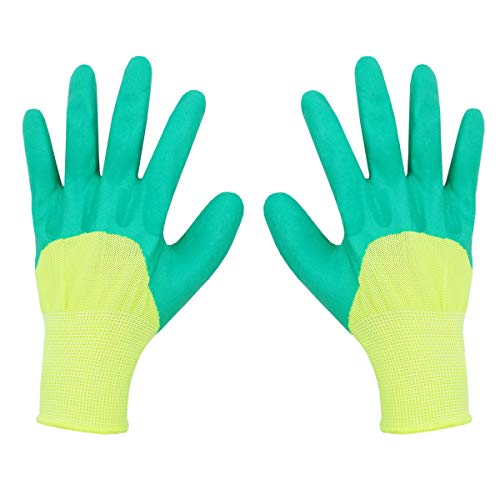

Sized for every interaction: At 9.84x7.87 inches for the hamster anti-bite gloves and 4.92x1.57 inches for the hamster brush, this hamster sugar glider bonding pouch set offers the suitable size for gentle pet care and is suitable for hamsters cats sugar gliders bunnies ferrets rats chinchilla guinea pigs, hedgehogs parrots small dogs. The calming glove comfortably fits most hands, ensuring a pleasant interaction, while the compact grooming brush easily touch hard-to-reach areas.

PROTECT LITTLE HANDS: These kids anti bite gloves help protect children’s hands from minor bites, scratches, dirt and garden thorns during small pet handling, gardening or outdoor activities. Great for safer pet care, planting and hands-on learning