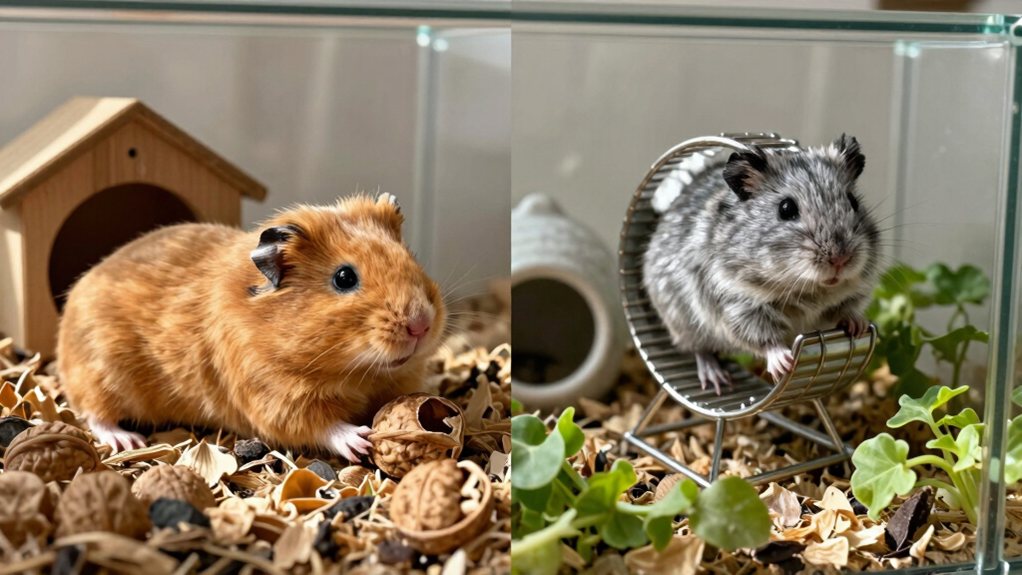
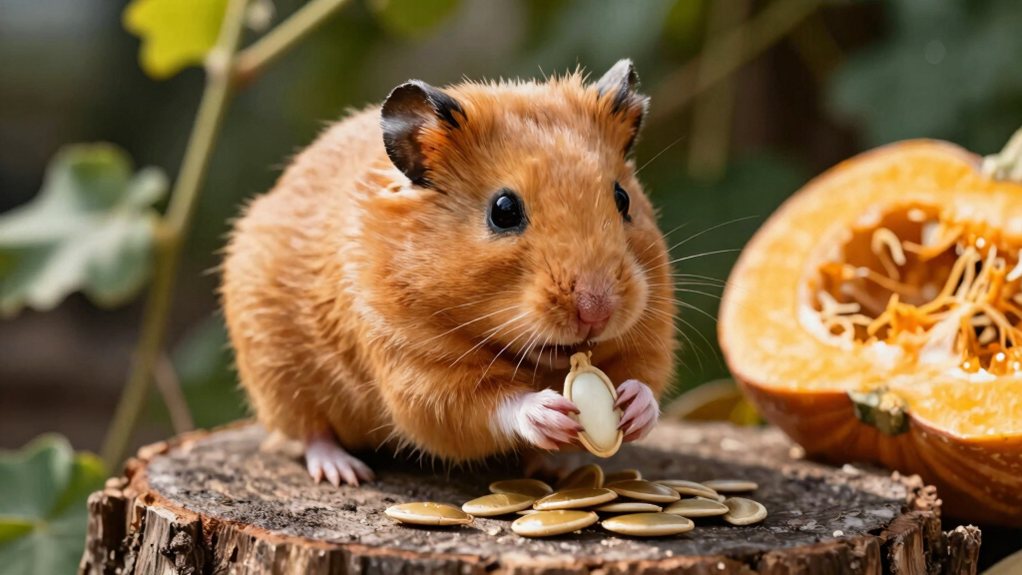
You’d be amazed, your hamster poops every 10 to 15 minutes when awake, racking up 50 to over 100 droppings a day. That’s because their tiny digestive system runs nonstop, fueled by constant snacking.
Normal poop is dark brown, firm, and rice-shaped, messy but totally healthy. It’s kind of like their version of a productivity badge. If things look off, though, it’s time to pay closer attention, and you’ll want to know what comes next.
What Does Normal Hamster Poop Look Like?
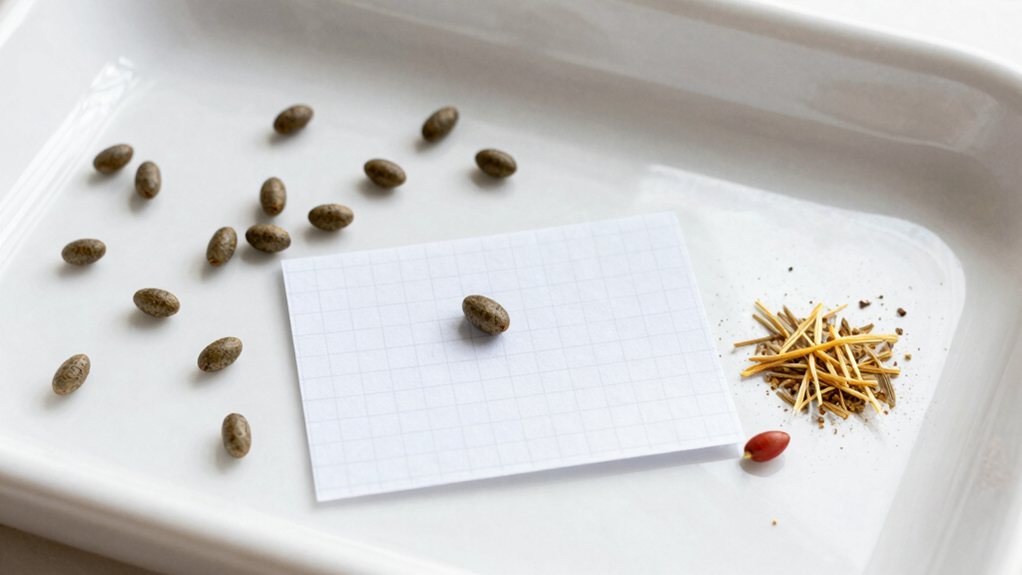
So, you’ve probably caught your hamster doing the potty dance, quick, tiny, and everywhere, and now you’re wondering, “What should I even be looking for?”
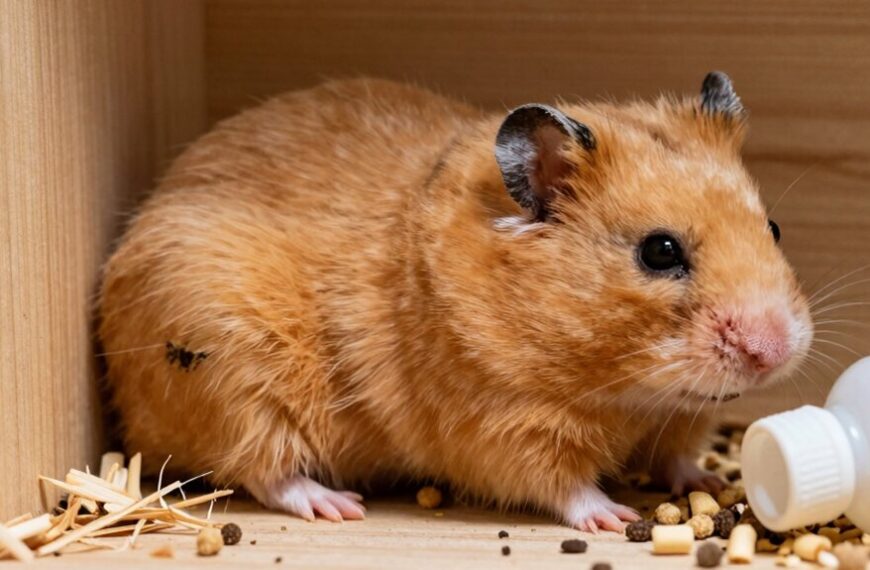
Normal hamster poop is small, firm, and shaped kind of like little footballs or rice grains, usually dark brown but not black.
The poop shape matters, it should be consistent, not mushy or crumbly.
As for poop color, stick to that rich brown, black could mean digestive trouble, and white might point to parasites.
You’ll spot these little deposits scattered around the cage, totally normal! Think of it as your hamster’s tiny calling card.
If the shape changes or the color looks off, it’s worth a vet check.
But most days, you’ll just be dodging poop landmines like a pro.
Yep, it’s gross, but hey, it’s also kinda cute.
Healthy hamster, healthy poop, simple as that.
Keep an eye out, but don’t stress. You’ve got this.
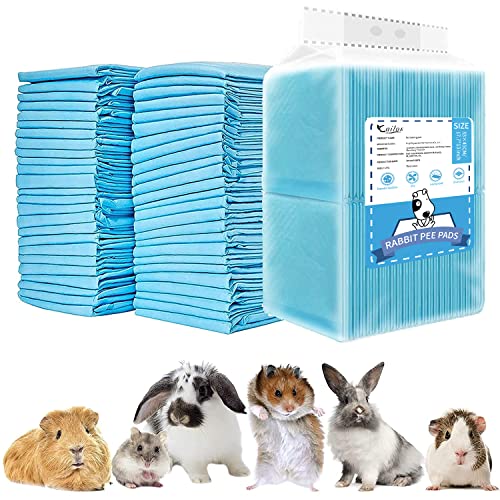
Small Animals Pee Pads - The pet training pads suitable for guinea pigs, hedgehog, hamsters, chinchillas, cats, rabbit and other small pets. whether you are potty training a puppy, taking care of an old dog or taking care of other small pets

High Quality Material:Rabbit cage mat is made of crystal velvet fabric soft and delicate touch,wear-resistant and durable,helps to quickly absorb water on the surface.Guinea pig cage mat is tight and not easy to shed,machine woven thread,with dense stitches and no curling or thread detachment.Washable guinea pig bedding can effectively control odors and keep floor clean

Proper Size for Small Pets: our guinea pig cage liners come with a size of about 16 x 24 inches/ 40 x 60 cm, suitable for small animals, such as guinea pigs, rabbits, chinchillas, squirrels, hamsters, rats, puppies, hedgehog, ferrets, cats and other similar size small pets, and can also serve as dog bowl pads or cat litter pads to keep areas clean and tidy
How Often Do Hamsters Poop?
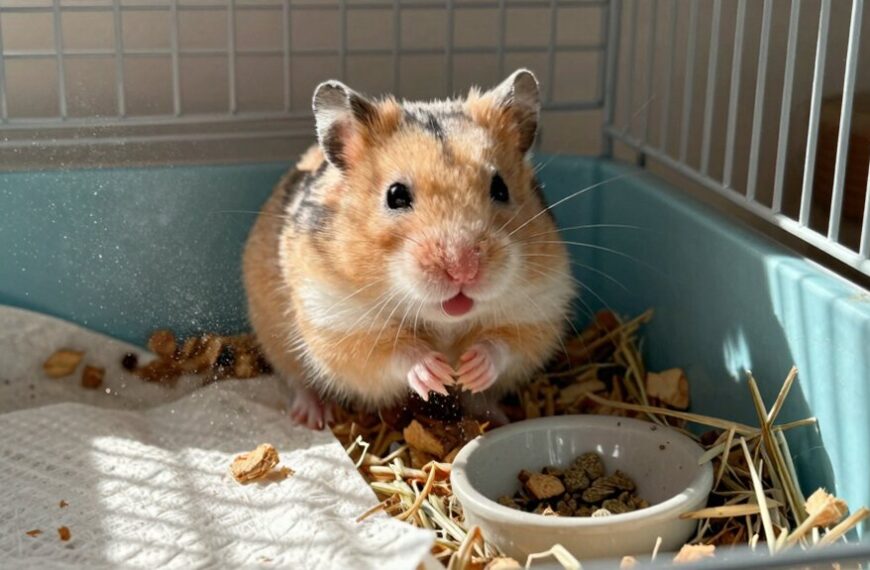
You’re probably no stranger to finding tiny droppings scattered across the cage floor. Hamsters poop *a lot*, and honestly, it’s kind of impressive.
Their poop frequency is high because they’re always munching, and that constant snacking keeps their digestive system running like a tiny, efficient machine.
You’ll notice your hamster has regular bowel habits, often pooping every 10 to 15 minutes, especially when active or eating.
That means dozens—sometimes over a hundred—droppings a day! Don’t panic; it’s totally normal.
A healthy hamster’s system processes food quickly, so waste shows up fast.
Just think of it as proof your little buddy is thriving.
While it might seem excessive, this consistent output is a good sign.
Keep an eye out, though—sudden changes in poop frequency or texture could signal trouble.
But for now, welcome to life with a furry, high-output roommate!
Why Do Hamsters Produce So Much Poop?
Ever wonder why your hamster’s cage looks like a tiny crime scene of scattered droppings? Well, it’s not because they’re messy on purpose, blame it on their supercharged digestive system.
Blame the droppings on a supercharged digestive system—not laziness. Your hamster’s gut runs like a tiny, efficient factory, turning snacks into poop at lightning speed.
You see, hamsters have crazy-fast gut motility, meaning food zips through their bodies in no time. That quick turnover means more poops per day.
But don’t worry, it’s a sign of good digestive efficiency. Your little buddy is extracting nutrients fast and keeping things moving seamlessly.
Think of it like a well-oiled snack-to-poop assembly line! While it might seem like overkill, all that output actually means their system’s working just right.
So, even if you’re constantly spotting little droppings, take comfort in knowing it’s normal. Just another quirky, slightly gross, totally adorable part of hamster life.
Who knew being this efficient could be so… prolific?
How Does Diet Affect Hamster Poop?

You know how your hamster’s diet shapes their tiny poops more than you’d think? Feeding them high-fiber foods like fresh veggies and quality pellets keeps their digestion humming and their droppings firm.
Not giving them enough water can leave their poop dry and crumbly, nobody wants that! So, keep their bowl full of fresh water and their snacks balanced.
You’ll likely see happy, healthy hamster poops every day.

[ All-Natural Materials ] Made from 100% natural materials, with no artificial harmful additives or preservatives, ensuring a safe and healthy option for your pets.

【20 PCS SET】1x apple wood molar string,1x timothy cake string,2x loofah toys,3x timothy grass ball with flowers, 1x rabbit shape grass cake,5x grass sticks,2x woven carrots,4x rattan balls

12 Pack Hamster Chew Toys: Small animals chew toys pack includes apple wood ladder, bell roller, single-plank bridge, bell swing, unicycle, seesaw, square molar block with rope,pine nuts*2, willow rattan ball, wood rattan ball,apple sticks 50g.
High Fiber Impact
A solid chunk of your hamster’s daily poop routine comes down to what’s in their bowl, especially the fiber. High-fiber foods boost digestive efficiency and keep gut motility humming like a tiny, furry engine. Without enough fiber, things can slow down. No one wants a constipated hamster, right?
Fiber-rich foods like timothy hay and fresh veggies help form firm, healthy poops.
Good gut motility means effortless, regular waste, just what you’re hoping for.
Too little fiber? You might see smaller, dry droppings or even blockages.
Too much? Loose stools, and suddenly cleanup duty gets messy.
Fiber isn’t just filler. It’s fuel for a happy digestive system. So when you’re prepping your hamster’s meal, think: “Will this keep their system running like a well-oiled wheel?” Spoiler: leafy greens and hay usually win.
Hydration And Consistency
What’s the secret behind those neat little droppings in your hamster’s corner? It’s all about hydration. Your hamster’s water intake plays a big role in how their poop looks and feels.
When they drink enough, their stool texture stays firm but not too hard, just right, like tiny pebbles.
But if they’re not sipping enough water, things can get dry and clumpy, which isn’t great for their digestion.
On the flip side, too much water or watery foods might lead to softer stools. Nobody wants a messy cage! So keep that water bottle full and fresh.
A well-hydrated hamster means happy, healthy poops. Think of it like tuning an instrument: balance is key.
Watch their droppings as a clue. Consistent texture means you’re doing something right.
And hey, who knew checking poop could feel like a tiny victory?
When Should You Worry About Poop Changes?

Ever wonder when your hamster’s bathroom habits might be waving a little red flag? While poop talk isn’t exactly dinner conversation, it’s important to keep an eye on things.
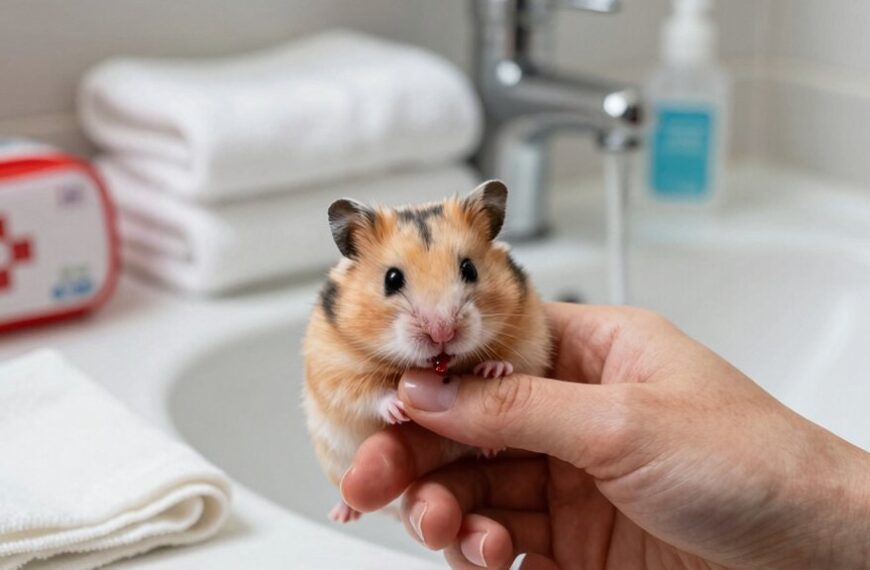
If you notice abnormal color, like white, black, or pale droppings, or actual blood in stool, it’s time to act. Don’t panic, but do pay attention.
Spot white, black, pale poop, or blood? Don’t panic—but do act. It’s time to pay close attention to your hamster’s health.
Here’s when to worry:
- Sudden diarrhea that lasts more than a day
- Dramatic drop in poop count overnight
- Abnormal color or texture, especially greasy or slimy
- Blood in stool or signs of straining
These could mean diet issues, stress, or something more serious.
When in doubt, call your vet. Better safe than sorry, even for tiny tushies. You’ve got this, pet parent!
How to Keep Hamster Poop Healthy
You’ve got the power to keep your hamster’s poop in great shape just by tweaking their diet and cleaning routine. Offer a balanced mix of quality pellets, fresh veggies, and the occasional treat.
Your little buddy’s tummy will thank you, and so will your nose.
Plus, a quick scoop of their habitat a few times a week goes a long way in keeping things fresh and healthy.
Diet And Nutrition
While you mightn’t spend your days counting hamster droppings, keeping an eye on your pet’s poop can actually tell you a lot about their health, especially when it comes to what they’re eating.
A balanced diet supports strong digestive health and keeps your hamster’s gut flora in harmony.
To help things run efficiently and produce healthy poop, consider these tips:
- Feed a quality hamster pellet as the main food. It’s packed with nutrients and fiber.
- Add small amounts of fresh veggies like carrots or cucumber for hydration and variety.
- Offer occasional treats like apple or boiled egg, but skip sugary or fatty snacks.
- Always provide fresh water to aid digestion and prevent constipation.
Watch how your hamster responds.
Consistent, firm droppings mean you’re on the right track.
You’re more than just feeding them. You’re nurturing their whole system!
Clean Habitat Tips
Most of the time, a clean cage means a happy hamster, and healthier poop too. You’ve got to stay on top of cage cleaning to keep things fresh and your little buddy feeling great.
Aim to spot-clean daily by removing soiled bedding and tossing in new bits. Once a week, do a full wipe-down with pet-safe cleaner.
Your bedding choices matter. Go for paper-based or aspen shavings, and skip the dusty or scented stuff. It’s like picking the right socks: comfy and irritation-free!
Also, think about cage placement. Keep it in a quiet, draft-free spot away from direct sunlight and loud TVs.
You wouldn’t want your bedroom next to a washing machine, right? A calm space helps reduce stress, which means better digestion, and yes, better poop. You’ve got this!
Final Thoughts
So, you’re basically a hamster poop detective now, congrats! You’ve learned they go *a lot*, and that’s totally normal. Keep an eye on their droppings like a pro, tweak their diet if needed, and don’t panic unless things look funky.
A little poop patrol keeps your tiny buddy happy and healthy. Just remember: in the world of hamsters, business is *always* booming—and so is the bathroom schedule!

ODOR CONTROL for long-lasting freshness, Kaytee Clean & Cozy can be used with any type of habitat for a fresh animal home

ODOR CONTROL for long-lasting freshness. Kaytee Clean & Cozy can be used with any type of habitat for a fresh animal home.
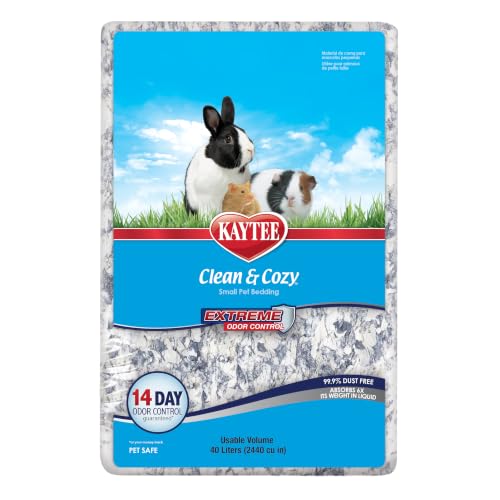
14-DAY ODOR CONTROL for long-lasting freshness. Kaytee Clean & Cozy can be used with any type of habitat for a fresh animal home