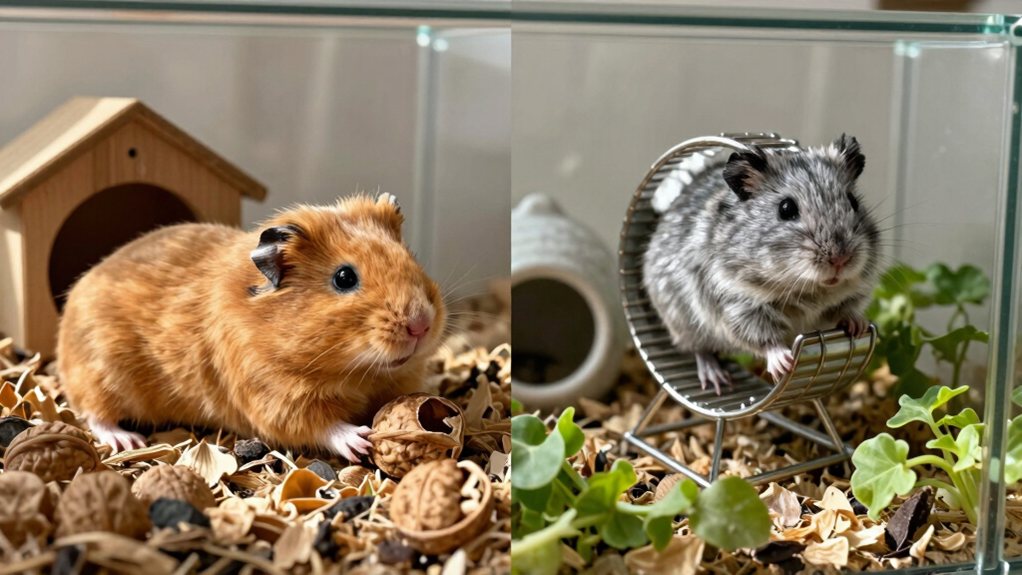
You’ll love a Syrian hamster if you want a calm, friendly pet that’s easy to handle and fits snugly in your palm. They’re great for beginners and less likely to zip away during playtime.
Syrians usually live longer and stay chill, while dwarfs thrive on stimulation and secure setups. Keep an eye out for their sneaky escape attempts! Dwarf hamsters are super active and fun to watch, but they’re feisty, harder to tame, and need more patience.
You’re going to discover which one truly matches your lifestyle in just a bit.
Syrian vs Dwarf Hamsters: Which Is Right for You?

So, what’s the deal? Ready to bring a tiny, furry friend into your life but not sure which hamster type fits your vibe? If you’ve got the cooking skills of a five-year-old and the dance moves of a robot, no worries—both Syrian and dwarf hamsters won’t judge.
Syrians are larger, calmer, and usually love one-on-one time, perfect if you’re home a lot and want a cuddly buddy. Dwarfs are smaller, super speedy, and a bit feisty—great if your energy matches their zoomies.
Syrians need more space, so a bigger cage is a must. Dwarfs are escape artists, so secure lids are key.
Think about your schedule: Syrians prefer gentle handling, while dwarfs might nip if startled.
Either way, both bring joy, laughter, and tiny footprints on your heart. Pick the one that vibes with your lifestyle—because let’s be real, they’re both adorable roommates.
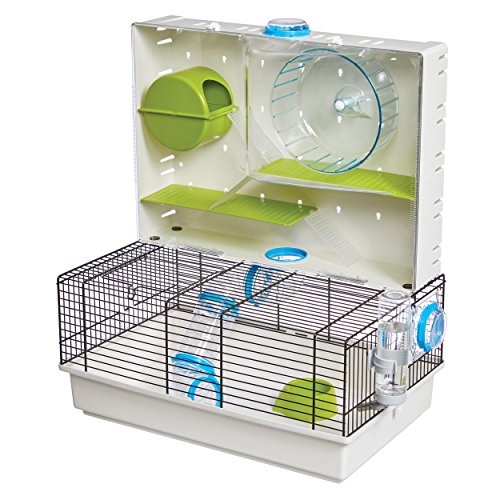
Fun Arcade Hamster Home features a cool multi-level play space to watch your hamster in action 18.11 length x 11.4 width x 21.5 height inches, 6.1 pounds

Fine Silica Sand: Bath sand is one of the necessary hamster accessories. And silica sand is a type of sand commonly used in hamster sand baths. It is a natural and absorbent fine sand that helps remove excess grease and dust from the hamster's fur, removes dirt and odors from the body, and keeps the little pet dry and clean
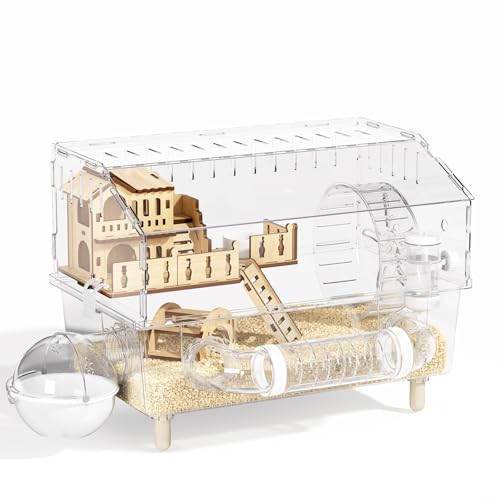
【Complete Starter Kit】This hamster cage comes with a complete set of accessories, including the cage itself, a wooden house, an 18cm silent running wheel, a sand bath, a tunnel, a water bottle, a food bowl, an arched bridge, a platform, and a ladder. All essential accessories are included, eliminating the need for additional purchases and ensuring your hamsters has a comfortable and enriching living environment.
Size Showdown: How Big Do Syrians and Dwarfs Get?
You’re probably wondering who wins the size showdown. Well, Syrian hamsters are the clear heavyweights, growing up to 6 or 7 inches long, about the size of your hand.
Dwarf hamsters, on the other hand, stay tiny—usually just 3 to 4 inches—so small they could almost fit in your pocket (but please don’t try that).
It’s like comparing a tennis ball to a golf ball, if the golf ball had super-cute whiskers.
Syrian hamsters are also solitary by nature and must be housed alone to prevent stress and aggression.
Syrian Hamster Size
When it comes to size, Syrian hamsters don’t just win the title—they practically dominate the hamster world like tiny, furry linebackers. You’ll notice right away that they’re the largest pet hamster breed, and their size isn’t the only thing that stands out.
Here’s what makes their build so special:
- They grow up to 7 inches long, nearly double the size of most dwarfs.
- Their coat length varies from short to long-haired “teddy bear” types, adding to their fluffy charm.
- They’re solitary, meaning their breeding habits require careful separation to avoid drama.
- Their size means bigger cages and more food, but also easier handling for kids and beginners.
You’ll love how their sturdy frame and bold personality make them stand out.
Sure, they’re not pocket-sized, but that just means more hamster to love—literally.
Dwarf Hamster Dimensions
Think of dwarf hamsters as the nimble acrobats of the hamster world, small, quick, and always zipping around like they’ve got places to be.
Most dwarf types, like the Roborovski or Campbell’s, only grow to about 2 to 4 inches long, barely longer than your thumb!
Despite their tiny frames, they pack tons of personality.
You’ll notice their compact bodies come with rounder ears and softer coat textures compared to larger breeds.
Their ear shape helps them stay alert, twitching at every little sound.
Don’t let their size fool you—these little guys are full of energy and curiosity.
While they mightn’t dominate the cage like a Syrian, their miniature dimensions make them extra endearing.
Plus, their small size means they need less space, but still love a good maze or wheel.
Handling Ease: Which Hamster Is Friendlier?
So, which little furball will actually let you pet it without playing hide-and-skip?
When it comes to temperament differences and bonding potential, Syrian hamsters usually win the friendliness crown. They’re more laid-back and enjoy human interaction, perfect if you want a cuddly companion.
Dwarf hamsters can be feisty and a bit jumpy, making handling trickier, especially for beginners.
Here’s what really matters:
- Syrians respond better to consistent handling
- Dwarfs may nip when startled or overstimulated
- Syrians bond deeply with one primary caregiver
- Dwarfs thrive with gentle, patient training
You’ll likely find Syrians easier to tame, while dwarfs need extra time and trust-building.
If you want a hamster that greets you at the cage, leans into pets, and remembers your voice, go Syrian.
But if you love a spirited little escape artist, a dwarf might be your quirky match.
A hamster’s individual personality differences can significantly influence how quickly and deeply it bonds with its human.
Energy Levels: Who’s More Fun to Watch?
Ever wonder which hamster turns your living room into a 24/7 comedy show? Syrian hamsters are big, bold, and full of charm, but they’re also a bit lazy, often napping when you’re ready to watch the action.
Dwarf hamsters, on the other hand, are tiny tornadoes of energy. Thanks to their natural nocturnal behavior, they really come alive at night, sprinting on their wheel or digging through bedding like they’re training for hamster Olympics.
If you love late-night entertainment, dwarfs win hands down.
Plus, their high energy makes cage decoration a blast. You’ll love watching them explore tunnels, climb ramps, and disappear into tiny hideouts.
While Syrians enjoy a simpler setup, dwarfs thrive in busy, stimulating spaces.
To keep them mentally engaged, consider adding a foraging toy designed for small pets.
Social Needs: Can They Live Together?

You just watched your dwarf hamster sprint through its maze at 2 a.m. like it’s being chased by tiny ghosts, and now you’re wondering, could it use a roommate?
When it comes to social behavior, dwarf hamsters can sometimes live together, especially if raised in pairs.
But Syrian hamsters? Nope. They’re lone rangers through and through.
Cage compatibility is everything here. Get it wrong, and you’ll have a tiny turf war on your hands.
Here’s what you need to know:
- Syrians are solitary, never share a cage.
- Dwarf pairs might coexist if introduced young.
- Watch for biting, chasing, or one hogging food.
- Always have backup cages, just in case.
Even if they seem friendly, moods change fast.
You’re aiming for peace, not hamster drama.

Ceramic Hamster Hideaway – Made of degradable and environmentally friendly ceramic, which can effectively bite resistance. Water washable can be used with wet wipes for cleaning. (It will degrade into the soil after being placed outdoors for 1-2 years)

Ultimate Interactive Hamster Cage. Unlike standard Hamster cages, this habitat features a spacious openable top and wide acrylic panels. Easily reach in for feeding, cleaning, or gentle interaction with your pet, creating a stress-free bonding experience right in your living room.

Engage in Playful Bonding: Watch tiny paws go! This award-winning, clear mini hamster ball keeps your little buddy safely active while giving you a front-row seat to their adventures, turning exercise into bonding time
Best for Beginners: Who’s Easier to Care For?
You’ll love how easy it’s to handle a Syrian hamster. They’re usually calmer and less likely to bolt when you pick them up.
Their habitat needs are simple too, just a spacious cage with room to run and explore.
Compared to the speedy, skittish dwarf, the Syrian’s laid-back vibe makes them a total sweetie for first-time owners.
Easy Handling Traits
So, which little furball is more likely to sit still while you figure out how to hold them without panic?
If you’re after a hamster with a gentle temperament and calm demeanor, the Syrian is your go-to. They’re naturally more relaxed and tend to enjoy human interaction. This makes them perfect for new owners still learning the ropes.
Here’s what makes them easier to handle:
- Larger size – Easier to grip without squeezing too hard.
- Less skittish – They’re chill, not jumpy like some dwarf cousins.
- More tolerant – They’ll put up with clumsy hands (within reason!).
- Love attention – Many actually enjoy a good chin scratch or two.
Dwarfs can be feisty and fast. They’ve great personalities, but they aren’t always in the mood for cuddles.
With Syrians, you’re more likely to build trust quickly. So if you want a furry buddy who won’t bolt like a tiny escape artist, go Syrian. You’ll both feel more confident, faster.
A hamster that feels secure is less likely to respond with fear-based nips, so prioritizing calm interactions helps foster a bond built on trust rather than stress. fear-based nips
Simple Habitat Needs
A calm hamster is great, but even the sweetest little buddy can’t thrive in a cramped or confusing home.
When it comes to simple habitat needs, Syrian hamsters take the win for beginners. They’re larger, so they need more space, think a 24-inch cage minimum.
Their size makes adding bedding types and cage accessories easier and safer. You won’t have to worry about tiny escape routes or toys that are too small.
Dwarf hamsters are clever little escape artists and need secure setups. Syrians are happy with basic bedding like paper or aspen, plus a wheel, hideout, and some chew toys.
You’re not stuck overthinking every detail. Set it up right, and your fluffy roommate will nap, munch, and run in peace.
Less stress for you, more comfort for them—every newbie pet parent’s dream.
A well-ventilated cage with micro-holes under 5 mm ensures healthy airflow and prevents respiratory issues.
Lifespan: Who Lives Longer-Syrian or Dwarf?
When it comes to hamster years, time flies, especially when you’re chasing snacks and running laps on a squeaky wheel. You might wonder who sticks around longer: your fluffy Syrian or tiny Dwarf. Well, here’s the scoop:
Syrians typically live 2–3 years thanks to fewer genetic predispositions to chronic issues.
Dwarfs average 1.5–2 years, often impacted more by environmental impacts like stress or diet.
A clean cage, steady routine, and vet check-ups can add months of happy zoomies.
Love and attention matter. Hamsters thrive when you’re part of their daily joy.
Final Thoughts
So, which hamster is right for you? If you want a cuddly, easygoing buddy, go for a Syrian. They’re larger, calmer, and perfect for beginners.
But if you love tiny bundles of energy, dwarf hamsters will keep you laughing. Just remember: dwarfs can be feisty, and they *definitely* don’t like sharing cages. Think about your lifestyle, and you’ll know who fits best!

Little Live Pets Mama Surprise comes in a fun mini format that everyone will adore
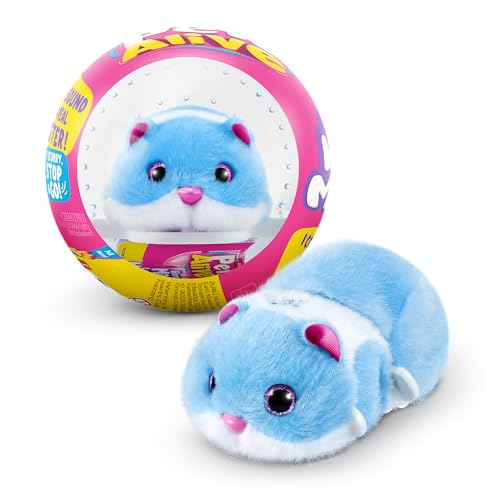
Scurry around: Hamster Mania pets can run in and outside of their ball!

Sprinkz the Lil' Hamster moves and sounds just like a real hamster!