You’ll have the silkiest cuddle sessions with a Syrian hamster, they’re the chill kings of the hamster world. Start handling them young, and they’ll barely think twice about hopping onto your hand.
Dwarfs like Winter Whites are sweet but skittish, while speedy Robos might nip out of surprise, not spite. Chinese hamsters are total sweethearts with trust. Treat them kindly, keep things calm, and you’ll see fewer nips and more naps in your palm. Plus, there’s a little more you should know about keeping those tiny teeth to yourself.
Why Some Hamsters Bite Less Than Others

While no hamster comes with a “no-bite” guarantee, some are naturally more laid-back than others. That’s great news for you if you’re looking for a furry little friend who’d rather snuggle than snap.
A hamster’s chill vibe often comes down to genetic predisposition: think of it like personality handed down at birth. Syrians, for example, tend to be calmer than their tiny dwarf cousins. But genes aren’t everything.
Syrians often take it slow and steady by nature, while dwarfs bring big energy in tiny packages—personality starts with genetics, but love shapes the rest
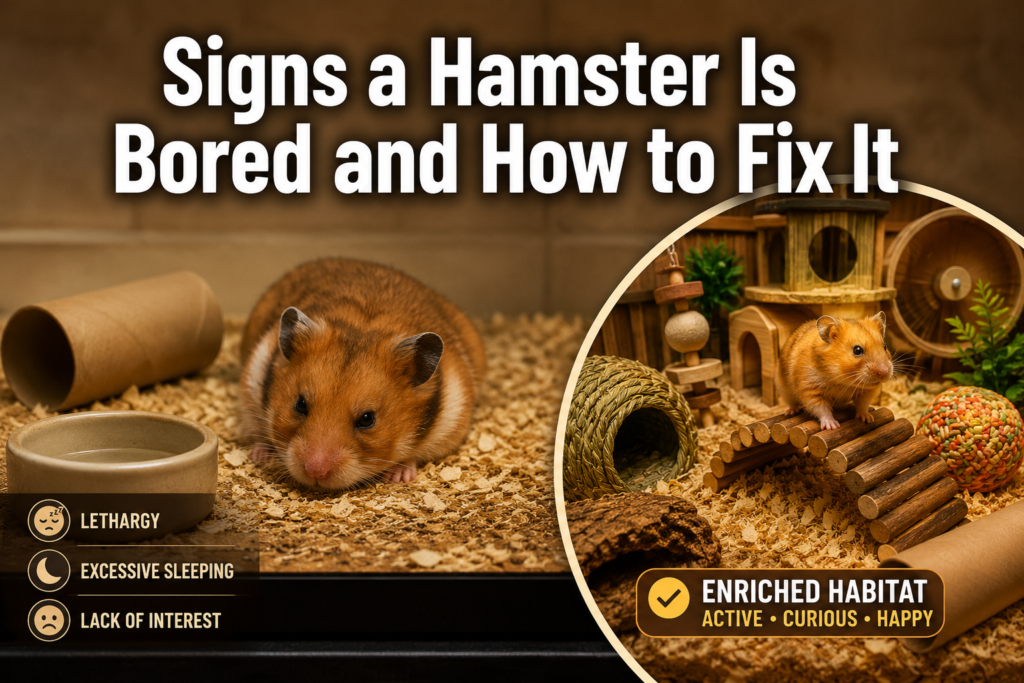
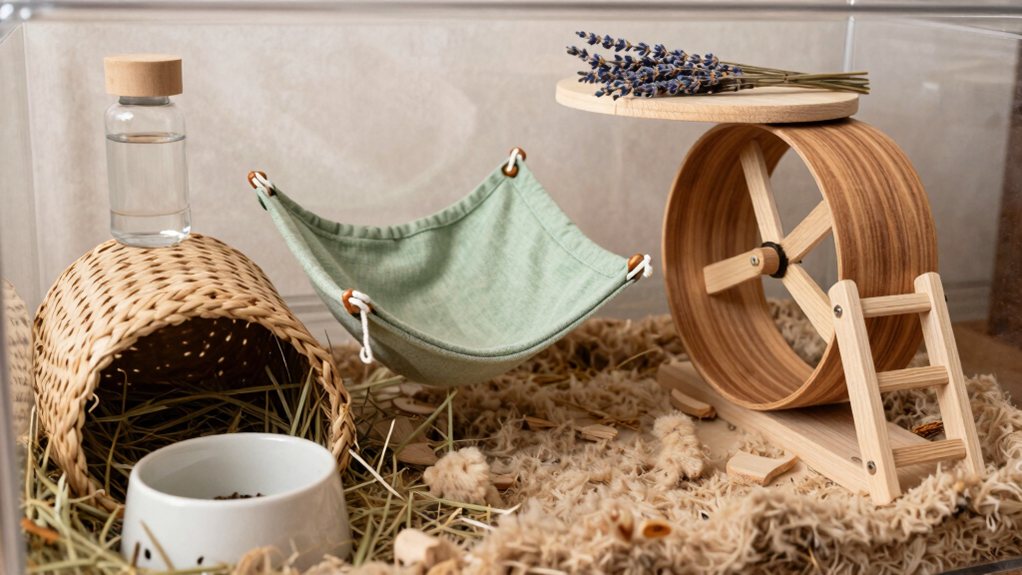
You can shape behavior too, especially with environmental enrichment. Tunnels, chew toys, and a roomy cage give your hamster less reason to stress.
Less stress means fewer surprise nips.
You’re doing far more than housing a pet; you’re building a happy home. Treat them kindly, handle them gently, and they’ll likely return the favor.
Sure, they might still nibble your finger once in a while: hey, they don’t know it’s not a sunflower seed. But with love and enrichment, bites become rare.
Trust develops over time with patience, calm presence, and warmth, and this foundation of established trust makes biting much less likely.
Syrian Hamsters: Least Likely to Bite When Handled Early
You’ve probably heard the sweet reputation Syrian hamsters have, big, fluffy, and usually up for a gentle chin scratch. When handled early and often, they’re the least likely to bite, making them perfect for first-time owners.
These furry pals are nocturnal behavior champs, so don’t be surprised if they’re snoozing during the day. They’re also solitary animals, meaning they prefer living alone. No roommate drama here!
Start bonding right when they’re young.
Offer treats from your hand to build trust.
Be calm and slow—no sudden moves!
Respect their sleep. They party at night.
Never force interaction. They’ll come around.
With patience and love, your Syrian will see you as a friend, not a threat. Sure, they might grumble if startled, but that’s just their hamster humor. Handle them gently, and you’ll have a cuddly buddy for life.
Fear and stress are the main reasons hamsters bite, so creating a calm environment helps prevent defensive behavior. Fear and stress are natural triggers, not signs of aggression.
Winter White & Campbell’s Dwarfs: Friendly but Sensitive
Ever wonder why your tiny Winter White or Campbell’s dwarf seems to zip away at the slightest movement? These little guys are friendly but super sensitive, thanks to their natural nocturnal behavior. They’re light sleepers, so sudden noises or movements can startle them. Imagine being woken up by a thunderclap every time someone walks by.
To help them feel safe, your cage setup should include cozy hideouts and soft bedding. Keep it in a quiet corner, not next to the TV or washing machine.
With gentle, regular handling during their awake hours (usually evening), they’ll grow more trusting. Sure, they might nibble if startled, but it’s rarely aggressive. More like a “Hey, watch it!” moment.
Treat them with patience, and they’ll charm you with their tiny antics. You’ve got this!
If a bite does occur, remember that it’s usually fear-based behavior rather than true aggression, and can be managed with proper care and understanding.
Roborovski Hamsters: Fast and Prone to Startle Bites

You’re in for a wild ride with Roborovski hamsters, they’re tiny speedsters that can zoom across their cage before you even blink.
They’re nervous by nature, so sudden moves might spook them, leading to the occasional startle bite.
It’s not personal, they’re just jumpy little beans.
Handle them gently and regularly, and you’ll build trust without turning your hand into a chew toy.
Tiny Speedsters
What’s the secret behind those tiny, zippy furballs that zoom through their cages like they’re late for a meeting? You’re about to find out! Roborovski hamsters may be small, but they’ve got big personalities and even bigger energy. Their nocturnal habits mean you’ll catch them running laps at night.
While their burrowing behavior keeps them happily tucked in tunnels by day. But here’s the thing, they’re skittish, not snappy.
- They’re the smallest hamster species, barely fitting in your palm
- No thumbs, but they sure can climb and dig!
- Super fast—blink and you’ll miss them
- Prefer observing you over cuddling (it’s not you, it’s their nature)
- Rarely bite, but startle easily if handled too quickly
Handle with care, respect their pace, and you’ve got a lively little friend.
Even when startled, any nips are typically due to fear rather than aggression, and understanding fear-based nips can help prevent them.
Nervous By Nature
Why do some hamsters dart away the second you reach into their cage?
Well, Roborovskis are wired that way.
These tiny speedsters are naturally nervous, thanks to their wild instincts.
With nocturnal behavior, they’re most alert at night, making daytime handling extra startling.
Add their solitary lifestyle, and you’ve got a hamster that’d rather sprint than snuggle.
You can’t blame them—they’re built to flee predators, not pose for selfies.
They’re not aggressive, but if you surprise one, a quick nip might happen, more reflex than rage.
Think of it like waking someone during a deep nap: they might yelp before they see it’s you.
With patience and gentle interaction, you can build trust.
But if you want a cuddly companion, this mightn’t be your guy.
They’re adorable, yes, but best admired like a speedy little shadow.
Handling With Care
Roborovskis may be small, but they’ve got big personalities packed into those tiny, lightning-fast bodies. These speedy little escape artists can startle easily, which sometimes leads to quick nips when they feel threatened. But don’t worry—you can build trust and keep playtime safety in mind with a few smart bonding techniques:
Let your Robo sniff your hand before picking them up, no sudden moves!
Use a spoon or cup to gently scoop them instead of grabbing.
Keep play sessions short and calm to avoid overstimulation.
Offer treats from your palm to create positive associations.
Always supervise playtime—those tiny legs move fast!
If a bite does happen, remember to wash the bite immediately to prevent infection and monitor for any signs of complications.
With patience and gentle handling, your Robo will learn you’re not a threat.
They might never cuddle like a teddy bear, but they’ll zoom into your heart, one careful step at a time.
Chinese Hamsters: Gentle With Consistent Handling
You’ll find Chinese hamsters are usually pretty chill, thanks to their naturally gentle vibe. Stick with regular handling, and they’ll get used to you.
Just don’t sneak up on them like a ninja at snack time. They’re not show-offs, but with a little patience, they’ll warm up and might even nap in your hand.
Gentle By Nature
Ever wonder what makes some hamsters extra sweet-natured, even when you’re fumbling with your morning coffee and trying to say good morning? Chinese hamsters are gentle by nature, especially when you spend time with them regularly. Their playful behavior and curious eyes make every interaction a joy.
Sure, their nocturnal habits mean they’re snoozing while you’re up, but that doesn’t make them any less affectionate when they wake. They’re naturally calm and rarely aggressive. They respond well to gentle, daily handling.
They love exploring tunnels and small spaces. They enjoy quiet time in a cozy, safe habitat. They bond quickly when you’re patient and kind.
With a little love and routine, your Chinese hamster will likely become a trusting, nibble-free pal. Just remember—slow wins the race when building trust!
Consistent Handling Benefits
Most of the time, a calm hand makes for a happy hamster, and that’s especially true with Chinese hamsters. When you handle yours regularly, they learn to feel safe instead of skittish. Think of it like making a new friend. Consistency builds trust.
Gentle, daily interaction is key to trust building, and your little buddy will start to see you as a source of snacks and snuggles, not a threat.
Use positive reinforcement, like a tiny treat or soft praise, every time they stay calm in your palm. Over time, they’ll look forward to your touch.
You’re not merely taming them. You’re bonding.
Sure, they might still dart around like tiny escape artists, but that’s part of their charm.
Stick with it, stay patient, and you’ll have a confident, chill companion who rarely bites.
Consistent handling turns jitters into joy. One pet at a time.
Calm Temperament Traits
What makes some hamsters naturally calmer than others? Well, it often comes down to their temperament, and Chinese hamsters are a prime example. With consistent handling, they develop trust quickly and show off their gentle side.
You’ll notice their playful behavior during evening hours, thanks to their nocturnal habits. They’re not too jumpy, which means fewer surprise nips.
Here’s what to look for in a calm hamster:
- Slow, curious movements instead of frantic darting
- Relaxed body language when you approach
- Willingness to sniff your hand before climbing on
- Minimal squeaking or hiding when handled
- A habit of grooming instead of freezing in place
You’ll love how peaceful they feel in your hands. Just remember, even calm hamsters need downtime, especially after a busy night of wheel-running and snack-stashing!
How Early Socialization Prevents Biting
While you might think a hamster’s bite comes out of nowhere, it’s usually a cry for help, or at least a plea for a little understanding. The truth is, early socialization makes all the difference. When you start early bonding, your hamster learns your scent, voice, and touch, turning fear into familiarity.
Gentle handling from a young age builds trust building naturally. No drama, just quiet wins. Think of it like making a new friend: you wouldn’t expect instant cuddles on day one, right? Same goes for hamsters.
Spend a few minutes daily letting them explore your hand or climb on your arm. Stay calm, move slow, and keep it positive. A stressed pup is more likely to nip, but a confident one? They’ll nap in your palm.
How to Handle Your Hamster Without Bites

Ever wonder why your hamster sometimes treats your finger like a chew toy? It’s usually because they’re scared or unsure. The good news? You can minimize bites with a few simple steps. Building trust is key.
It starts with your daily habits, like consistent feeding routines and a calm cage setup. Here’s how to handle your hamster safely:
- Wash your hands before touching them (no surprise snack scents!).
- Move slowly so you don’t startle your tiny friend.
- Let them sniff your hand first: hello, trust exercise!
- Support their whole body when lifting: no dangling legs!
- Stick to a peaceful cage setup with hiding spots to reduce stress.
Pair gentle handling with predictable feeding routines, and you’ll both enjoy cuddle time, minus the nibbles.
Always ensure supervised playtime is part of your routine to support both safety and bonding.
Why Hamsters Bite: Fear, Stress & What to Do
Why does your hamster suddenly go from sweet to nip-happy? It’s usually fear or stress, your tiny buddy might feel startled or overwhelmed.
Maybe you reached for them too fast, or their cage is in a noisy spot.
Loud sounds and sudden movements can spook them.
Even changes in playtime routines can cause stress. Try sticking to a calm, consistent schedule so they know what to expect.
Also, don’t overlook dietary influences. Junk food or sudden diet switches can make them grumpy! Stick to healthy hamster snacks.
When they bite, don’t scold. Just gently set them down and take a break.
Wash your hands before handling to avoid confusing your scent with food.
With patience, love, and a little routine, your hamster will feel safer and far less likely to chomp.
After all, nobody likes a surprise snack attack, especially not from a tiny furball who thinks your finger is a sunflower seed!
Excessive cage biting can also be a sign of underlying distress, often linked to dental health needs or environmental boredom.
Best Hamster for Beginners: Calm, Handleable Breeds Ranked
If you’re on the hunt for a small, sweet companion that won’t bite every time you offer a treat, you’re in luck. Some hamsters are naturally calmer and easier to handle than others.
Here’s a quick ranking to help you pick your perfect pocket pet:
- Syrian hamsters: Big, friendly, and love attention, great for beginners who want a cuddly buddy.
- Roborovski: Super tiny and fast, but rarely bite, just don’t expect lap naps.
- Campbell’s Dwarf: Social and curious, though they need time to warm up.
- Winter White: Similar to Campbells but calmer, especially with gentle handling.
- Chinese hamsters: A bit shy, but thrive with routine and patience.
All hamsters are nocturnal behavior lovers, so don’t expect daytime cuddles.
They also have cage size preferences. Bigger is always better for happy, bite-free bonding.
Final Thoughts
You’ve got this! With a little patience and gentle handling, your hamster can become a sweet, nibble-free buddy. Syrian hamsters are your best bet for calm cuddles, while dwarfs and Chinese hamsters shine with consistent love.
Robos? They’re speed demons, but even they’ll chill out over time. Just go slow, respect their tiny feelings, and no sudden moves. Nobody likes surprise hugs, right?