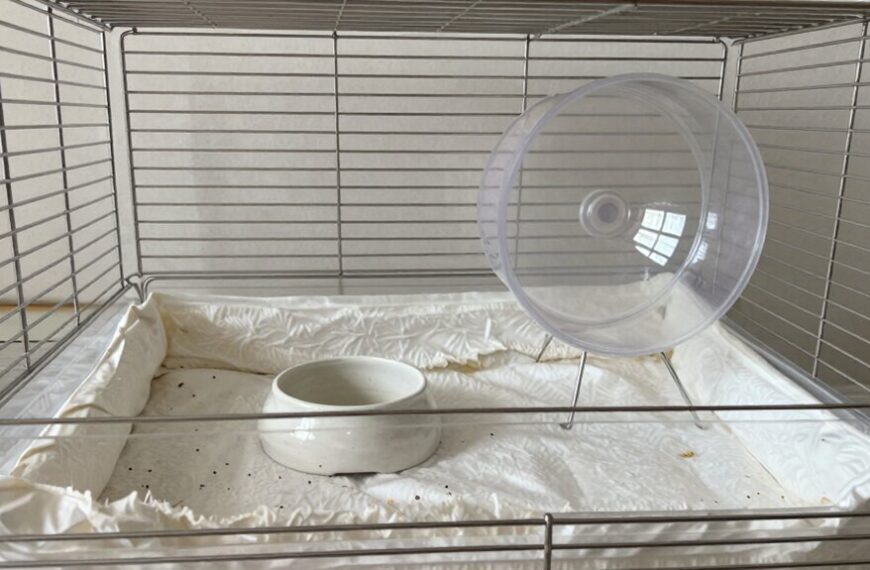
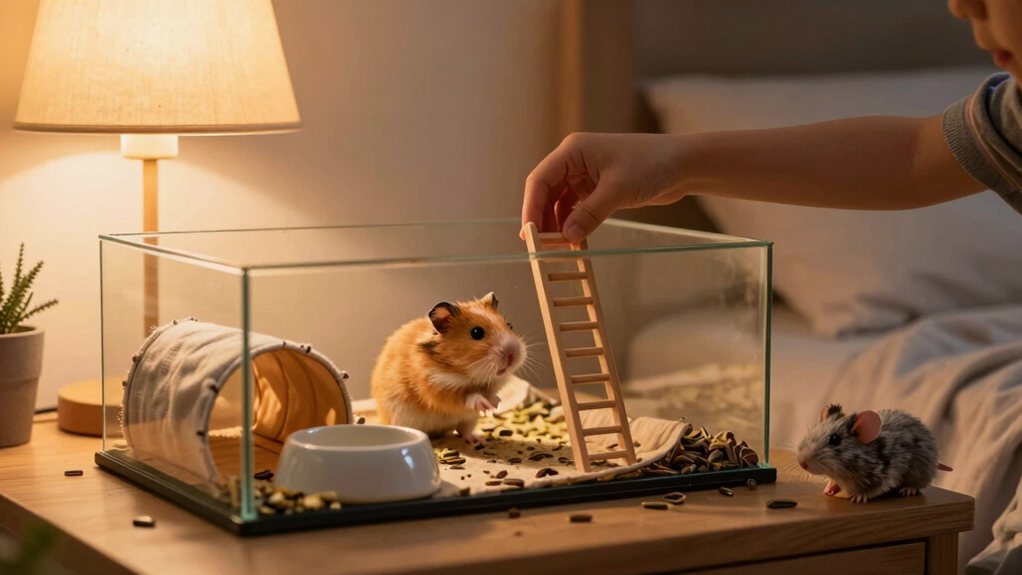
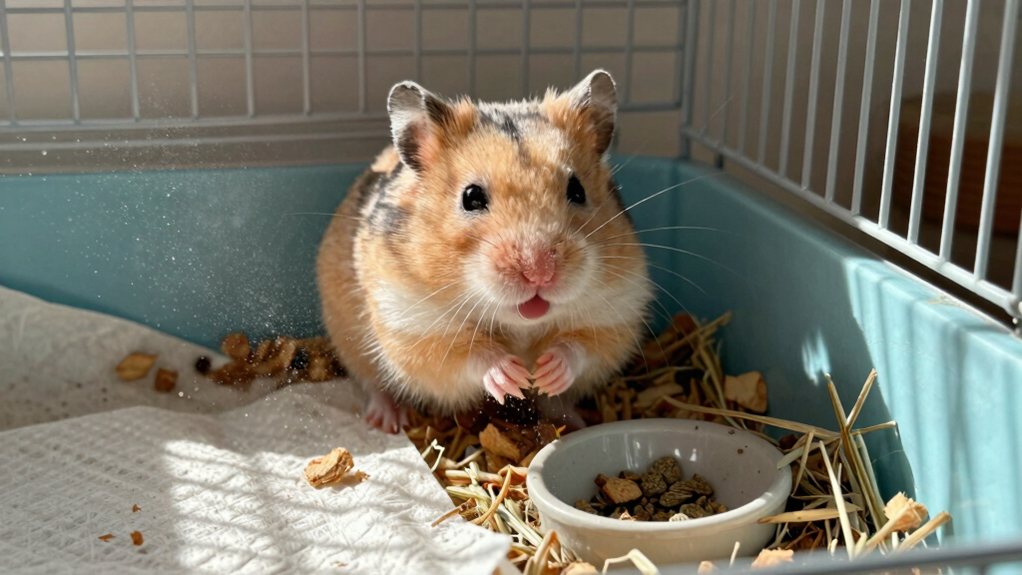
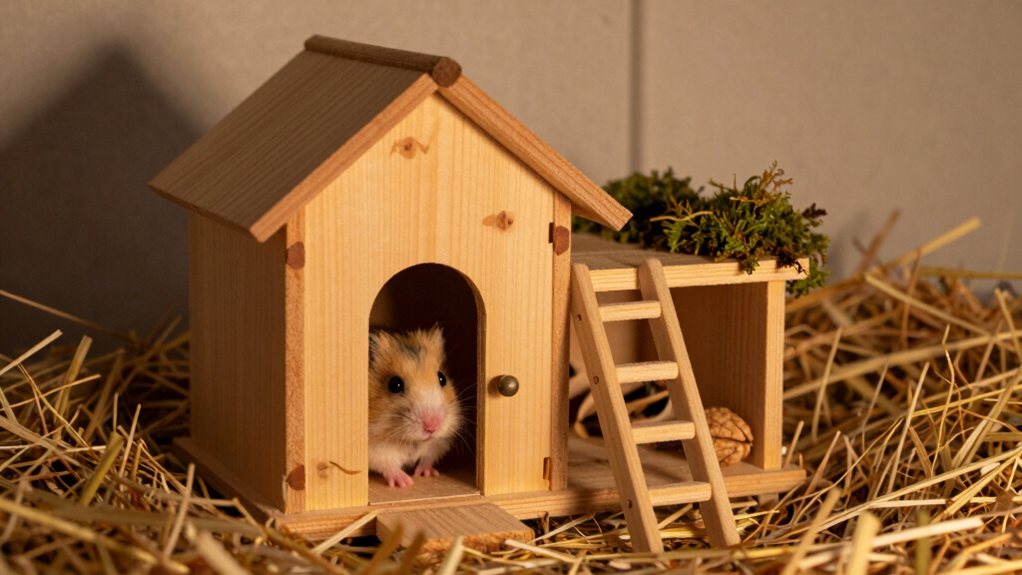
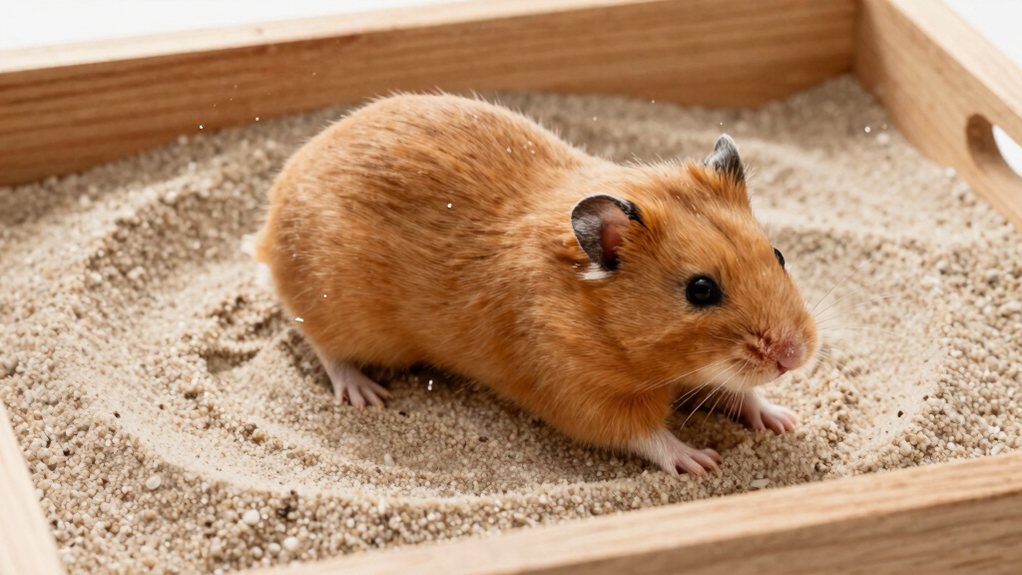
You might think hamsters smell worse because of their musky scent glands, but honestly, guinea pigs usually win or lose the stink contest. Their cages get gross fast, wet corners, scattered poop, and messy mealtimes add up.
Hamsters keep a tidier space with designated potty spots, even if males mark territory now and then. With guinea pigs, you’re basically signing up for daily cleanup duty. Stick around, you’ll pick up some smart tricks to keep odors under control.
Do Hamsters Smell More Than Guinea Pigs?
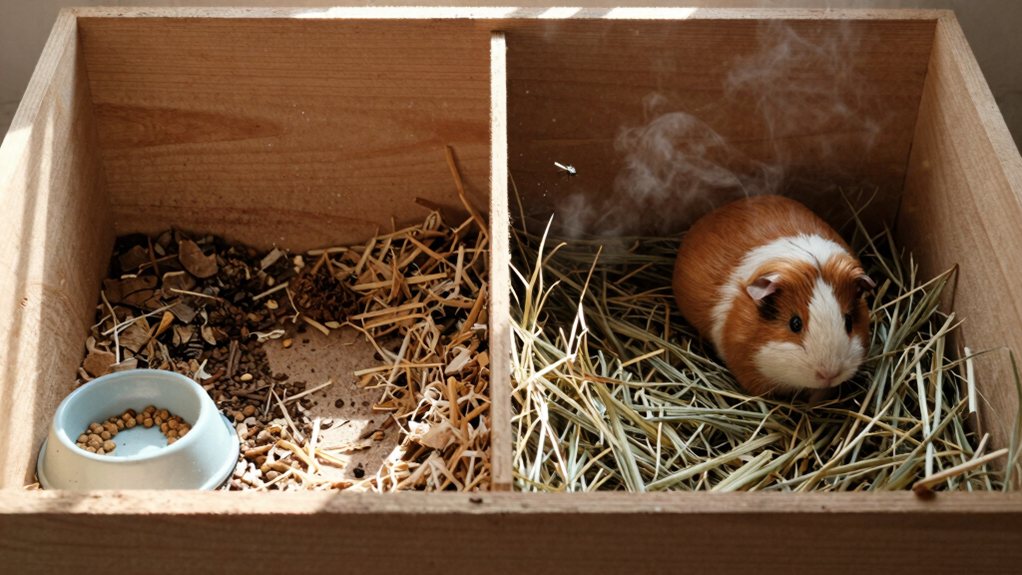
Ever wonder why your nose wrinkles more around one pet than the other? When it comes to hamsters vs. guinea pigs, you might be surprised. Neither naturally stinks much, but how you manage cage location and pet diet makes all the difference.
Hamsters are tidy, but their small cages can get smelly fast if you skip cleanings.
Guinea pigs, while sweet, produce more waste, so their space needs extra attention.
If you place the cage in a stuffy corner with poor airflow, odors stick around longer—no bueno.
A healthy pet diet cuts down on funky smells too. Fresh veggies and quality pellets mean less stinky poop.
Honestly, with a little effort, both pets stay fresh.
So, who smells worse? Depends more on *you* than them.
Keep things clean, and you’ll breathe easy—literally.
A buildup of ammonia from urine can quickly worsen cage odor, making regular spot cleaning essential for maintaining air quality and cleaning schedule.
Why Hamsters Develop a Musky Odor
While they’re usually clean little critters, hamsters can sometimes give off a musky smell that catches you off guard, like a surprise whiff of old socks hidden in a gym bag. That odor often comes from their scent glands, tiny spots near their hips that secrete oils.
You’ll notice this more in males, who use these glands for territorial marking, basically saying, “Hey, this corner is mine!” without saying a word.
When your hamster rubs along cage edges, it’s more than stretching, it’s leaving a personal signature.
Stress or a dirty cage can make the smell stronger, too. But don’t worry, it’s totally normal! A quick clean-up and some fresh bedding usually do the trick.
Think of it as their quirky way of decorating.
Why Guinea Pig Cages Get So Smelly
Why does your guinea pig’s cage go from fresh to funky faster than you can say “pellets and hay”? Well, those adorable little furballs eat a lot, and what goes in must come out! Their pet diet is rich in fiber, which means frequent poops and wet spots that can stink if not cleaned quickly.
Plus, guinea pigs don’t always “aim” perfectly, so urine builds up in corners. If you’ve placed the cage in a stuffy corner with poor airflow, the smell lingers longer. Cage location really matters!
Humidity and heat can turn a once-fresh habitat into a smelly swamp before you know it.
But don’t panic! Spot-clean daily, swap out wet bedding, and give the whole cage a deep clean weekly. A little effort goes a long way. Your nose—and your guinea pig—will thank you!
Do Male or Female Hamsters Smell More?
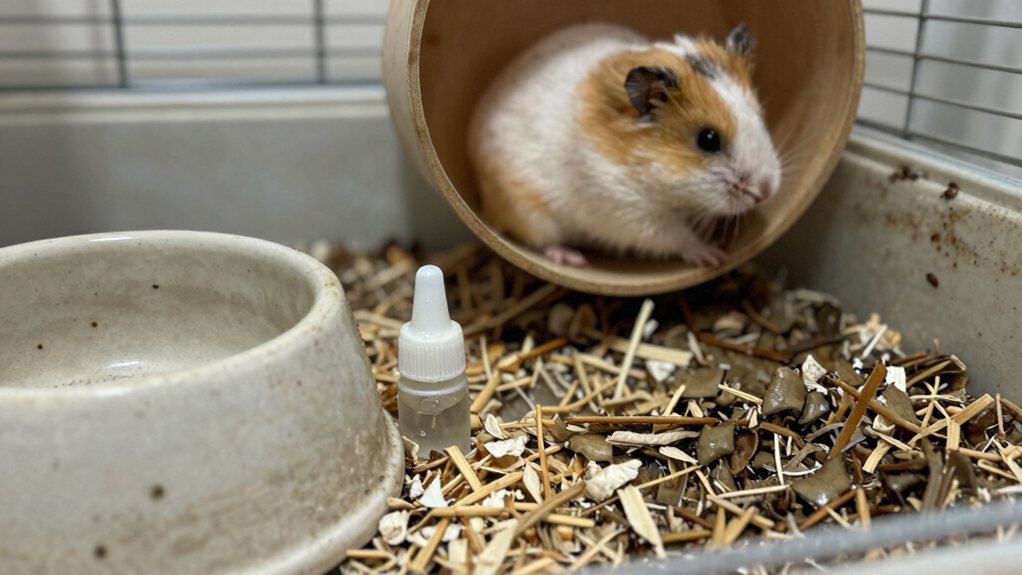
So, who’s really behind the stink—the boys or the girls? Well, sorry, fellas, but male hamsters usually take the crown for smelliness. Thanks to hormonal changes, especially as they mature, males tend to scent mark more, yes, that means rubbing their butts on cage bars and toys to claim territory. It’s their way of saying, “I was here!”
But let’s be real, it’s also why your hamster’s home can go from fresh to funky fast.
Females have their moments too, especially during their cycle, but they’re generally less intense about scent marking. So if you’re picking a pet and nose sensitivity’s a factor, a female might be your best bet.
Still, no hamster is totally odor-free—regular cleaning helps a lot.
Bottom line? Males smell more, but with a little love and laundry, you’ve got this.
Do Male or Female Guinea Pigs Smell More?
Ever wonder if your guinea pig’s gender affects how much their cage smells? You’re not alone!
Male guinea pigs usually smell more than females, especially as they grow. That’s because males tend to scent mark more often, rubbing their grease glands on toys, food bowls, and corners to claim territory.
Hormonal changes during puberty can crank up this behavior, making their cages need cleaning more often.
Females still have some odor, but it’s typically milder, unless they’re going through hormonal shifts too.
Still, with regular cleaning and a little patience, you can stay ahead of the stink. Think of it as part of the guinea pig charm!
So, if your boy’s cage smells stronger, don’t panic. It’s just nature and a little scent marking drama.
Keep things fresh, and you’ll both be happier.
How Often Should You Clean Each Cage?
You just learned that male guinea pigs can be a bit more pungent, especially when they’re busy marking their turf like tiny furry landlords.
Now, let’s talk cage cleaning frequency, your secret weapon for odor prevention tips that actually work. A clean cage keeps your pets happy and your nose grateful.
Here’s how to stay on top of it:
- Spot clean daily, toss out wet bedding and leftover veggies.
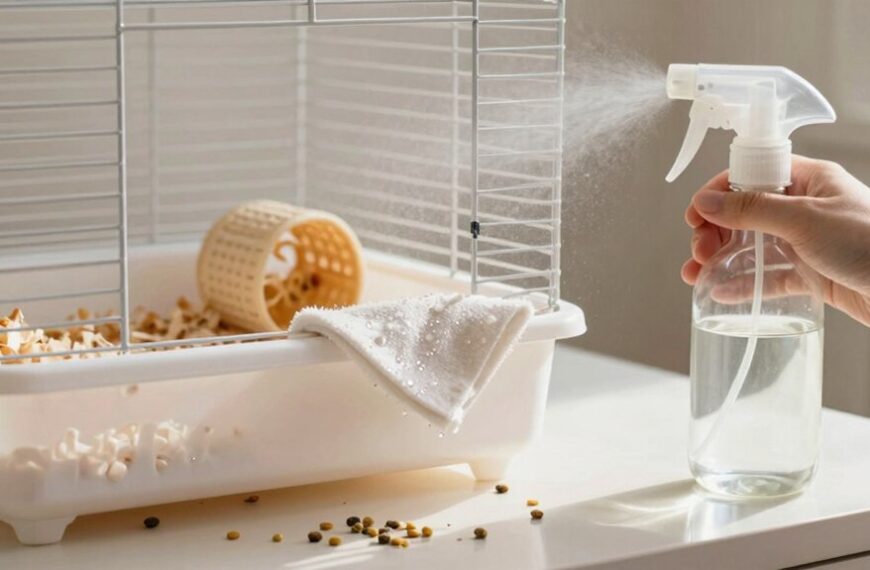
- Do a full cage overhaul weekly, scrub, rinse, and replace all bedding.
- Check corners and hideouts, those sneaky pee spots love to linger.
- Use pet-safe cleaners, no harsh fumes, just fresh-smelling safety.
With this routine, you’ll keep stink at bay and your little pals comfy.
Think of it as spa day, for them *and* your living room. A little effort goes a long way in odor prevention tips that make life better for both of you.
A consistent weekly deep clean supports hygiene and helps prevent bacterial growth, especially in smaller enclosures.
Are You Making These Cage Setup Mistakes?
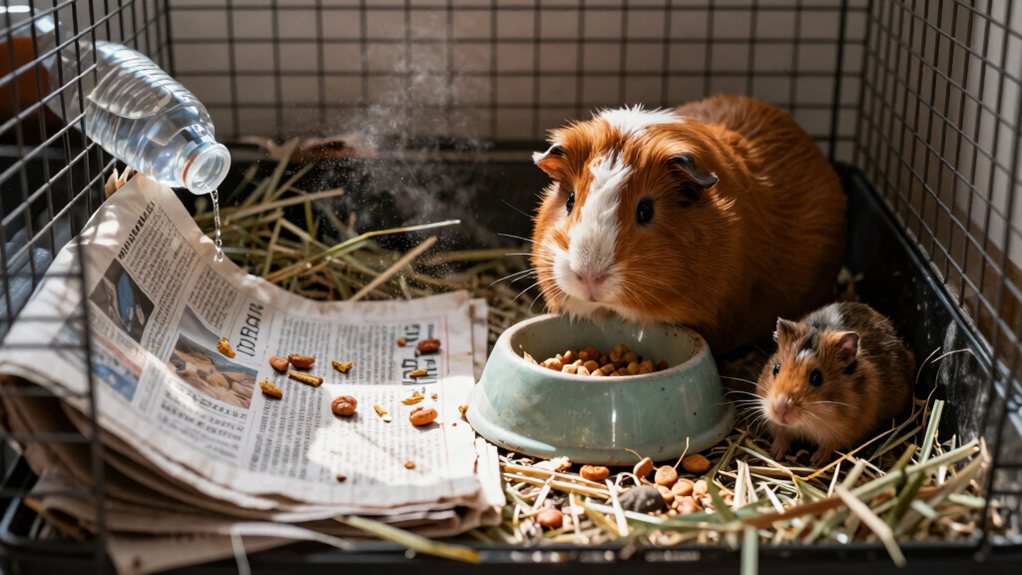
You mightn’t realize it, but skimping on bedding or blocking airflow can turn your pet’s home into a stink zone fast.
If you’ve stacked up too many hides or used a solid-top cage, your hamster or guinea pig probably can’t catch a fresh breeze.
That means odors stick around.
Let’s fix that with a little fluffier bedding and some smart airflow swaps, yeah?
Choosing the right cage liner can also make a big difference—pairing proper ventilation with bamboo charcoal odor control helps neutralize smells at the source.
Poor Ventilation Choices
What if the secret to fresher air in your pet’s home isn’t about stronger cleaners, but smarter airflow?
Poor ventilation choices can turn a cozy cage into a smelly hotspot, no matter if you have a hamster or guinea pig.
Good air circulation is key, and where you place the cage makes all the difference.
Don’t tuck it into a dark corner or shove it against a wall. Your pet needs breathing room! Try these simple fixes:
- Keep the cage at least 6 inches from walls.
- Avoid stuffy closets or damp basements.
- Choose a well-ventilated room with natural airflow.
- Skip solid-topped enclosures. Mesh tops let air move freely.
Smart cage placement and steady air circulation do more than reduce odors.
They keep your little buddy healthier and happier.
And hey, your nose will thank you too!
Inadequate Bedding Depth
While you’re busy picking the perfect toys and tasty treats, there’s one sneaky setup slip-up that might be hiding under your pet’s feet, too little bedding.
If your hamster’s digging dreams or your guinea pig’s floor naps are hitting hardpan, it’s time to pile it on.
Inadequate bedding depth traps moisture and lets waste buildup turn your pet’s paradise into a stink zone.
You want at least 2–3 inches of cozy, absorbent bedding to keep things fresh and dry.
Think of it like socks, no one likes soggy socks, and your pets don’t like damp bedding either.
Proper depth helps control odor, supports natural digging, and keeps their little toes happy.
Don’t skimp! A deeper layer means fewer sniffles from you and more snuggles from them.
A safe and comfortable environment starts with choosing the right material, so always opt for dust-free bedding to protect your hamster’s sensitive respiratory system.
You’ve got this, just add fluff, and breathe easy.
Best Bedding for Less Smell (Hamsters vs. Guinea Pigs)
You want bedding that keeps smells under control without irritating your little buddy, right? For hamsters, paper-based or aspen shavings work great and won’t overwhelm their sensitive noses.
Guinea pigs do best with soft, dust-free paper or fleece that you can wash and reuse.
Skip the cedar, it might smell nice to you, but it’s a no-go for their lungs and could turn your cozy pet zone into a stinky and sneezy mess.
Bedding with 99.9% dust-free properties is essential for maintaining respiratory health in both hamsters and guinea pigs.
Best Bedding Choices
When it comes to keeping your small pals’ homes fresh, picking the right bedding isn’t just about comfort. It’s your first line of defense against funky odors.
The right bedding material can make all the difference, especially when you consider absorption capacity. You want something that traps moisture fast and keeps smells under control. Here are the top 4 picks:
- Paper-based bedding – super absorbent and great for both hamsters and guinea pigs.
- Aspen shavings – safe, natural, and handles odor well.
- Fleece liners (with padding) – reusable and odor-resistant if washed regularly.
- Corn cob bedding – high absorption but messy; best for hamsters.
Swap out soiled spots often, and you’ll both breathe easier—literally. Your nose (and pet) will thank you!
Avoiding harmful materials like cedar and pine is essential, as their toxic aromatic compounds can cause serious respiratory issues in small pets.
Odor Control Performance
Ever wonder why your guinea pig’s cage seems to win the stink contest even when you’re doing everything right? It’s more than you—guinea pigs produce more waste than hamsters, and that waste buildup can really pack a punch.
Hamsters are smaller and use designated corners, making odor control easier. But guinea pigs? They’re messy eaters and constant poopers.
The right bedding helps a ton. Opt for paper-based or aspen bedding, they absorb moisture and reduce smells.
Plus, don’t forget air circulation! A well-ventilated cage keeps odors from settling in like uninvited guests.
Spot clean daily and do full changes weekly. With hamsters, you can stretch it a bit, but guinea pigs need more attention.
Stick to a routine, and you’ll stay ahead of the stink. Your nose—and your pets—will thank you.
A full bedding replacement should be done weekly to reset bacteria levels, especially for single hamsters in spacious cages, though full bedding replacement may be needed more often with multiple animals.
Safe For Sensitive Pets
Choosing the right bedding does more than keep things smelling fresh. It protects your little buddy’s delicate nose and lungs, especially if they’re prone to sensitivities.
You want something cozy but safe, especially if your pet has high allergen levels or noise sensitivity. Nobody wants a sneezy, startled hamster or a grumpy guinea pig!
Here’s how to keep them comfy and calm:
- Pick dust-free bedding to reduce allergen levels and protect tiny airways.
- Go for soft, quiet materials—no crinkly stuff that’ll scare them during naps.
- Avoid scented papers or woods; natural is better for sensitive snouts.
- Change bedding regularly, but leave a bit behind to comfort them with familiar scent.
Your furry friend will breathe easier—and you’ll both enjoy a quieter, happier home. After all, peace and sniffle-free living? That’s the dream.
A great option for maintaining a healthy environment is choosing cotton-based nesting materials, which are soft, dust-free, and safe for sensitive respiratory systems.
Which Pet Wins the Smell Test?
So, which little furball comes out on top when it comes to staying fresh-smelling? Honestly, guinea pigs usually win the smell test, but only if you stay on top of their care.
Their litter training habits aren’t perfect, but with a little patience, you can guide them to use a corner.
Plus, their social interaction impact means they’re often out and active, which can lead to more messes if you’re not watching.
Hamsters, on the other hand, are loners and often cleaner by instinct, but they don’t litter train as easily.
A neglected cage? That’s when odors sneak up fast.
Clean bedding, daily spot checks, and weekly deep cleans keep both pets smelling sweet.
You’ve got this—just stay consistent.
With a little effort, your furry friend won’t clear a room.
Whichever you choose, love and routine go a long way in keeping things fresh.
Final Thoughts
So, who wins the smell test? Honestly, it’s a tie. You’ve got to do your part either way.
Hamsters pack a musky punch, especially males. Guinea pigs leave messy cages that reek fast. Clean weekly, spot-clean often, and pick the right bedding. With a little effort, neither pet has to stink up the room.
Think of it like laundry. Ignore it, and things get gross. Stay on top of it, and everyone breathes easy, especially you.