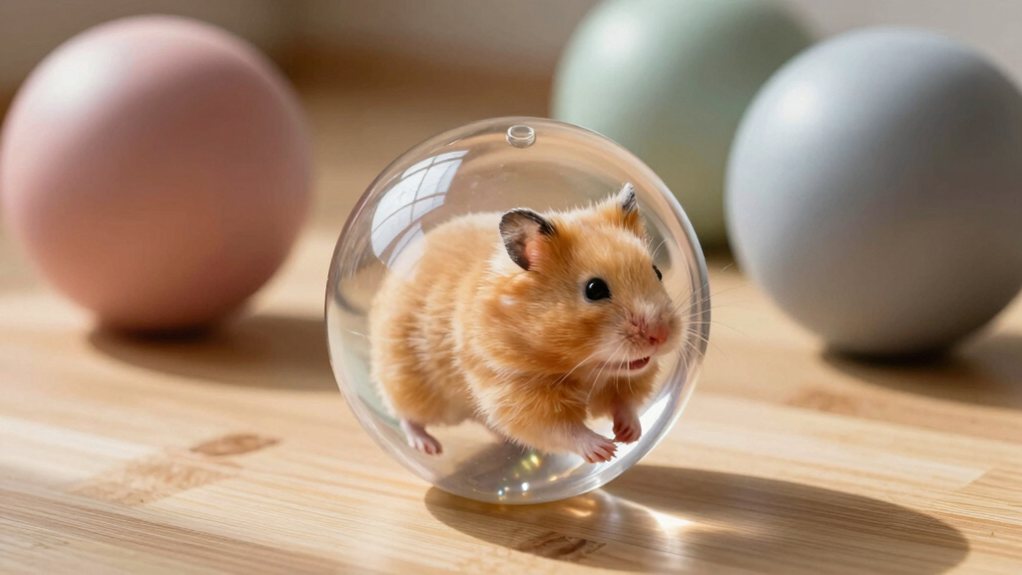
You might lose some sleep thanks to your hamster’s late-night wheel sprints and cage-side scratching, think tiny drummer with zero off-hours. They’re not great for little kids, startle easily, and might nip out of fear.
Vet bills can surprise you, smells build up fast, and bonding takes real patience. Still, if you’re ready to learn the ins and outs of life with a small, busy buddy, there’s a lot you can get right with a little know-how.
Why Do Hamsters Keep You Up at Night?

Ever wonder why your hamster seems to throw a midnight rave just as you’re drifting off to sleep?
Your hamster isn’t ignoring your bedtime—those midnight wheel sprints and cage-side concerts are just nature’s alarm clock going off.
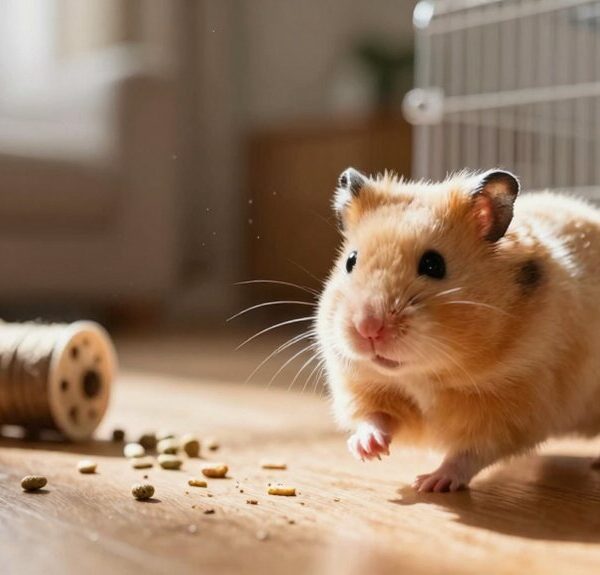
Well, blame their nocturnal behavior: hamsters are naturally active at night, so when you’re ready to chill, they’re just getting started.
You’ll hear them running on their wheel, scratching in their bedding, or chewing on cage bars.
If you’ve got noise sensitivity, those little sounds can feel like a drum solo in your ear.
It’s not personal, of course. Your hamster’s just being a hamster.
But if you’re a light sleeper, this nightly routine might leave you counting wheel spins instead of sheep.
Consider moving the cage to a different room or using a quieter wheel.
A little adjustment can go a long way.
After all, you love your tiny roommate. You just wish they’d clock out a little earlier.
Their nighttime activity is tied to their natural rhythm, which makes daytime interaction difficult and reinforces their nocturnal and solitary behavior.
Are Hamsters Good Pets for Kids?
So, you’re thinking a hamster might be the perfect first pet for your child? Well, hold on a sec. While they’re cute and low-maintenance, hamsters aren’t always kid-friendly. They’ve got temperament issues. They’re skittish, easily startled, and don’t enjoy being held much.
Ever tried cuddling a tiny, nervous speedball? Yeah, not ideal. Because of this, bite risks go up—especially with little hands grabbing too fast. Most bites aren’t serious, but they can scare both the kid and the hamster.
Plus, they’re nocturnal, so your child might wake up to a busy wheel at 3 a.m. Not exactly peaceful.
That said, with proper handling and supervision, kids can learn responsibility. But honestly, a hamster’s better suited for older kids who understand gentle care. Think of them as tiny roommates with attitude—not plush toys with tails.
Biting or scratching typically stems from fear or stress rather than aggression, and understanding these defensive behaviors can help prevent negative interactions.
How Often Do Hamsters Get Sick: and How Much Does It Cost?
How often do hamsters actually get sick, and what happens when they do?
Well, hamsters can fall ill more than you’d think, especially if their habitat isn’t clean or their diet’s off.
While they’re generally hardy, issues like wet tail or respiratory infections pop up fast.
When that happens, you’ll need veterinary visits—pronto.
And here’s the kicker: small animal vets aren’t on every corner, and costs add up quickly.
A simple check-up might be $50, but medical emergencies? That could jump to $300 or more.
Yep, your tiny buddy can come with a not-so-tiny vet bill.
But don’t panic—most problems are preventable with good care.
Keep their space clean, feed them right, and watch for changes.
You’ve got this.
Just remember: a healthy hamster is a happy (and affordable) hamster.
Sudden and unpredictable death can occur even with excellent care due to hidden genetic defects.
What Hidden Costs Come With Keeping a Hamster?

- Cage & accessories: A proper home isn’t cheap, wheel, hideouts, bedding, and toys add up fast.
- Food upgrades: Basic pellets aren’t enough, fresh veggies and treats are part of the budget.
- Bedding refills: You’ll be buying bags monthly, surprisingly pricey over time.
- Emergency vet visits: Even small checkups can cost a surprising amount.
It’s worth it for the joy, but plan ahead. You’ll thank yourself later.
A high-quality starter bundle can reduce long-term costs by including durable, chew-resistant materials like bamboo and apple wood that last longer and support dental health.
Why Do Hamster Cages Smell: And How to Stop It?
Let’s be real, hamster cages can get stinky fast, especially if you skip cleanings or pick the wrong bedding.
You’ve probably noticed the smell hits hardest near the corner they use as a bathroom, so spot-cleaning every few days really helps.
Go for odor-absorbing bedding like paper-based kinds, and your nose (and your hamster) will thank you.
A buildup of ammonia from urine can cause strong, unpleasant odors and indicate poor cage hygiene.
Why Odors Develop
Ever wonder why your hamster’s cozy little home starts smelling like a locker room after gym class? It’s more than just pee and poop.
Odors develop because of bacterial growth, poor ventilation, and a few sneaky habits you might overlook.
Here’s what’s really going on:
- Leftover food – Hamsters stash snacks, and forgotten nuggets rot fast.
- Urine buildup – They use one corner as a bathroom, leading to strong ammonia smells.
- Bacterial growth – Warm, damp bedding is a bacteria party waiting to happen.
- Poor ventilation – Airtight cages trap stink instead of letting it escape.
The good news? You’ve got control.
Scoop daily, swap bedding weekly, and choose a well-ventilated cage.
A little effort keeps the funk away and your furry buddy happy.
Think of it as nose insurance—worth every minute!
Prolonged exposure to the fumes from a dirty cage can lead to respiratory irritation, especially in poorly ventilated rooms, making ammonia from urine buildup a serious concern for both you and your pet.
Cleaning Frequency Tips
Most of the time, a smelly hamster cage isn’t about laziness. It’s about life getting busy. But skipping cage maintenance even once can lead to waste buildup fast. Those tiny toilets add up!
Aim to spot-clean every few days: scoop out soiled bedding, wipe corners, and refresh water. A full clean? Do it weekly. Trust me, your nose and your hamster will thank you.
Think of it like laundry. Ignore it too long, and suddenly it’s a science experiment.
Regular cleaning stops odors before they start and keeps your little buddy healthy.
Plus, it’s way easier to tackle a small mess than a stinky disaster.
So set a reminder, grab some gloves, and make it part of your routine.
With a bit of consistency, cage maintenance becomes no big deal.
It’s just a quick chore that keeps your fuzzy pal happy and your room smelling like you, not a hamster hotel.
Using safe, absorbent paper-based bedding can significantly reduce odor and moisture between cleanings.
Bedding Choice Matters
You’ve got the cleaning schedule down, spot-cleaning every few days, full wash once a week.
So why does your hamster’s cage still carry that unmistakable “eau de rodent”?
The culprit might be your bedding choice.
It’s not merely about freshness, bedding safety and material comfort play big roles in your pet’s health and your nose’s peace.
Here’s what to keep in mind:
- Avoid scented or dusty bedding – it can irritate your hamster’s lungs.
- Opt for paper-based or aspen shavings – safe, absorbent, and cozy.
- Skip cedar and pine – they release harmful oils over time.
- Layer it deep – hamsters love to burrow, so give them 2–3 inches for nesting.
The right bedding keeps odors low, your little buddy happy, and your living room smelling like *you*, not a barnyard.
Win-win!
Aromatic compounds in certain beddings can lead to respiratory distress, so always choose non-toxic bedding materials to protect your hamster’s sensitive respiratory system.
Can You Really Bond With a Hamster?
Is it really possible to form a true bond with a tiny creature that spends half its life stuffing its cheeks with food?
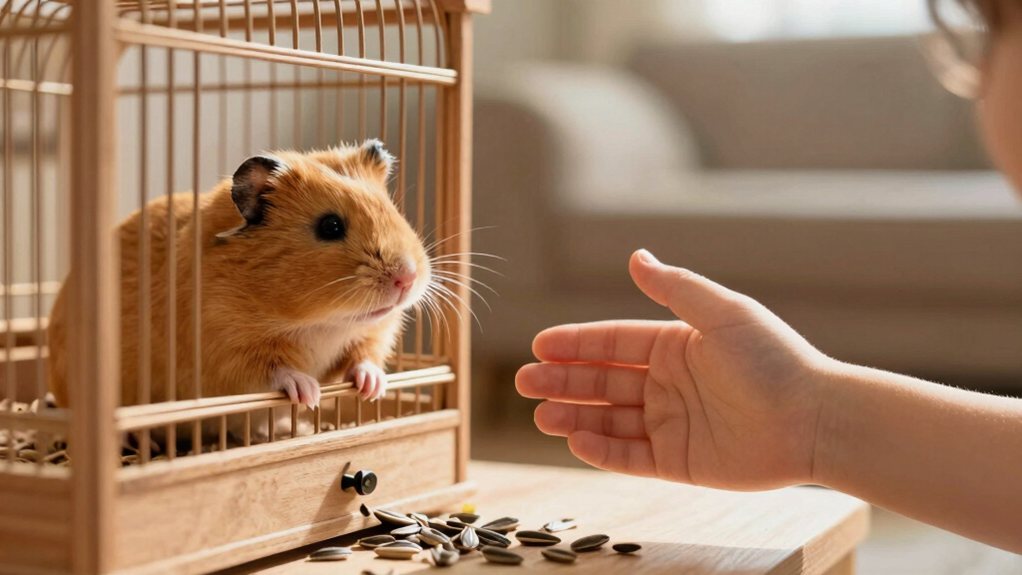
Well, you can develop emotional attachment, but don’t expect cuddles or constant attention. Hamsters are naturally skittish and nocturnal, so your interaction is limited.
You might see your hamster freeze when you reach in, or worse, get a surprise bite during morning cleanup.
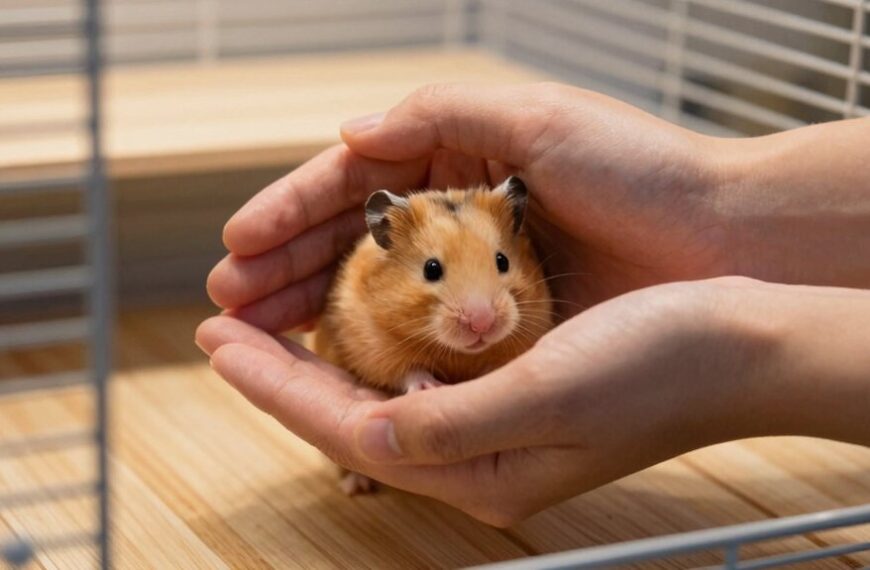
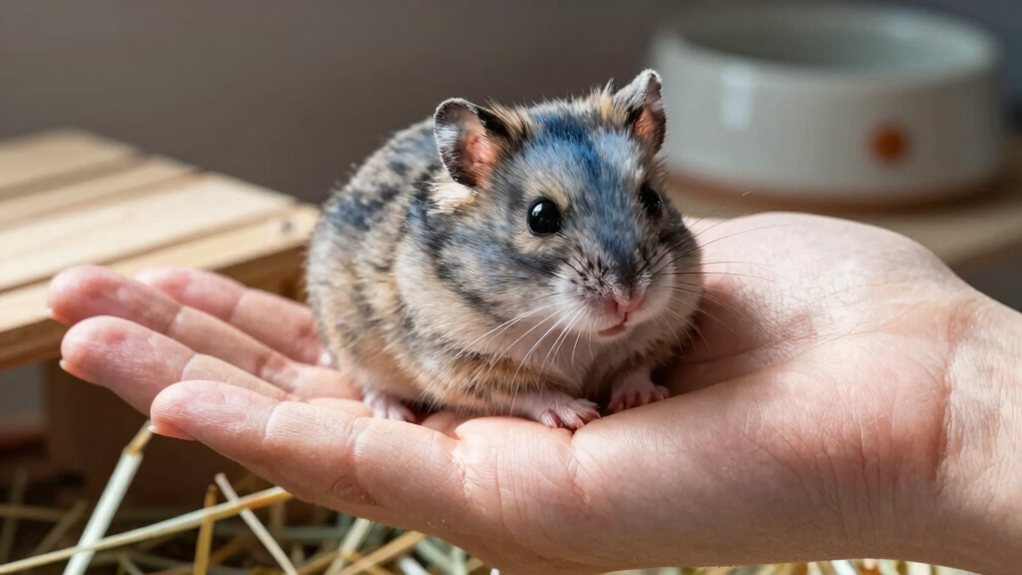
Still, with patience, gentle handling, and daily treats from your hand, some hamsters learn to recognize you.
They might even nap in your palm or climb onto your shoulder.
But let’s be real: their idea of quality time is tunneling through bedding, not heart-to-heart chats.
The bond is subtle, built on trust, not talk.
So yes, you *can* connect, but keep expectations low and enjoy the small wins.
After all, love sometimes comes in a very small, very sleepy package.
Final Thoughts
So, yeah, hamsters aren’t all cute cuddles and bedtime snuggles. They’re noisy, kinda stinky if you’re not on top of cleaning, and honestly, not the huggable type.
But hey, they’re low-cost, fun to watch, and teach you responsibility. Just don’t expect a furry best friend who texts back. With a little effort and a good sense of humor, you and your tiny roommate can totally make it work, nap schedules and all.