You’re more likely to catch a cold from a coworker than a serious illness from your hamster, but yes, they can pass on a few germs. Salmonella and a rare virus called LCMV are the main concerns, usually from droppings, pee, or dirty bedding.
Ringworm’s another one, despite the funny name. It’s a fungus, not a worm. Don’t worry, though. Washing your hands after handling your pet or cleaning their home makes a big difference.
Oh, and skip the hamster kisses. Your tiny buddy will still love you. You’d be surprised what else you can do to stay safe and keep your little furball happy.
Can Hamsters Make Humans Sick?

Ever wonder if your adorable hamster could secretly be plotting against your health?
Could your cuddly hamster be a tiny health threat? Don’t worry—good hygiene keeps both of you safe and sniffle-free.
While they’re tiny and sweet, hamsters do have some zoonotic potential, meaning they can pass certain germs to humans, though it’s rare.
You’re more likely to catch a cold from the bus than from your pet, but it’s still smart to practice good pet hygiene.
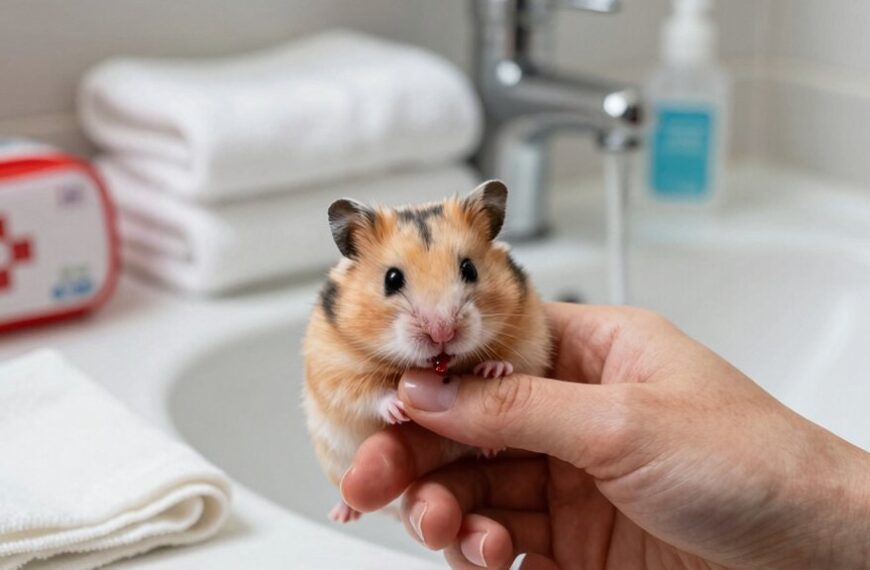
Always wash your hands after handling your hamster or cleaning its cage.
Avoid kissing your hamster. We know, they’re tempting!
Most issues come from bacteria like Salmonella or tiny mites, usually when hygiene slips.
Stay on top of cage cleanings and vet checkups, and you’ll both stay happy and healthy.
So no, your hamster isn’t out to get you.
Just treat it with care, and you’ll be fine.
Think of it as a tiny roommate who pays rent in cuteness.
A rare but more serious concern is infection with Lymphocytic Choriomeningitis Virus, which can spread through airborne particles from infected rodent droppings or urine.
How Do Hamsters Spread Diseases to People?
So, how exactly can your pint-sized furball pass along an illness? Well, it’s mostly through zoonotic transmission, fancy talk for germs jumping from pets to people.
You mightn’t realize it, but handling your hamster, then touching your face or food, can spread bacteria like Salmonella.
Their droppings, bedding, or even sneezes can carry nasties.
That’s why pet hygiene is super important. Washing your hands before and after playtime is non-negotiable.
Cleaning their cage regularly is a must. Think of it as part of the hamster hug tax.
While they’re adorable little goofballs, they don’t know they’re potential germ carriers.
So stay smart, stay clean, and you’ll both stay healthy.
A little caution goes a long way, keeping your tiny buddy safe and you sniffle-free.
After all, fun with furballs should never come with a side of sickness!
Prolonged exposure to ammonia from unclean bedding can also lead to respiratory issues in humans, especially in poorly ventilated rooms, making ammonia buildup a serious concern for indoor air quality.
What Is Lymphocytic Choriomeningitis (LCMV)?
You’ve got your hand-washing down and your cage-cleaning routine on point, great job!
Now, let’s talk about LCMV, or lymphocytic choriomeningitis. It’s a rare virus mostly linked to wild mice, but pet hamsters can carry it too, usually if they caught it from an infected rodent before coming home.
LCMV transmission happens through pee, poop, saliva, or bedding, so always wear gloves when cleaning.
Most healthy people won’t get seriously sick, but LCMV symptoms can include fever, headache, and feeling wiped out, kind of like a nasty flu.
In rare cases, it can get more serious, especially for pregnant women or those with weak immune systems.
The good news? It’s super uncommon, and you’re already doing the right things to stay safe.
Keep up the great care, and you and your fuzzy buddy will stay happy and healthy together!
Can Hamsters Give You Salmonella?

You can actually catch salmonella from your hamster, especially if you don’t wash your hands after handling them or cleaning their cage.
Symptoms like stomach cramps, fever, and diarrhea can sneak up on you, kind of like your hamster stealing snacks when you’re not looking.
To stay safe, always wash your hands with soap and water after playtime.
Keep their home clean so germs don’t throw a party.
Salmonella Transmission Routes
While hamsters may look like harmless little fluffballs, it’s worth asking whether they can actually make you sick. Specifically, can they give you salmonella? The short answer is yes, though it’s not common.
Salmonella lives in their droppings, so if you handle your hamster and then touch your mouth without washing your hands, you could get sick.
It’s more than just about pet handling. Food contamination is a risk too.
If their food or cage gets contaminated and you touch it, then eat a snack without cleaning up, you’re rolling the dice.
But don’t panic. Just wash your hands after playing with your pet, keep their space clean, and avoid eating near their habitat.
Think of it like kitchen hygiene. Simple habits make a big difference.
Stay smart, and you and your tiny furball can stay happy and healthy together.
Symptoms In Humans
So, what happens if you do catch salmonella from your hamster? While it’s not super common, you’ll definitely know something’s off. Your body tends to throw a little tantrum, and suddenly your cozy night in turns into a far more than just fun adventure. Here’s what you might experience:
- Fever rash: Your skin might feel warm, and a light rash could pop up, like your body’s way of saying, “Hey, something’s wrong!”
- Nausea headache: You’ll feel queasy, maybe even dizzy, and that pounding in your head won’t quit. No, it’s far more than just Monday blues.
- Stomach cramps and diarrhea: Yeah, it gets messy. Your gut becomes the main stage for an unwelcome show.
Stay calm, hydrate well, and call your doctor if things go south. Most people bounce back fast. Just maybe wash your hands before snack time next time, okay?
Prevention Tips
Even though your hamster may look like a tiny, harmless fluffball, it’s smart to play it safe, because, yes, those adorable little cheeks can carry bacteria like salmonella. To protect yourself, always wash your hands before and after handling your pet.
Keep their habitat clean by changing bedding materials regularly. Dirty bedding can harbor germs.
Avoid using scented or dusty types, as they can irritate your hamster and increase health risks. Stick to safe, simple options like paper-based bedding.
When handling food, make sure your hamster diet includes fresh veggies washed thoroughly and store-bought pellets. No spoiled snacks. Clean their food bowl weekly.
And hey, don’t let your hamster roam loose in the kitchen. Nobody wants salmonella on their sandwich. A little care goes a long way in keeping both you and your pint-sized pal happy and healthy.
Use a hamster-safe disinfectant like Zoo Med Wipe Out 1 to effectively eliminate pathogens such as Salmonella from the enclosure.
Is Ringworm From Hamsters Common?
Wondering if your furry little hamster could give you ringworm? While it’s not super common, ringworm is a type of zoonotic transmission you should be aware of, meaning it can jump from pets to people.
This pesky skin issue falls under fungal dermatology and isn’t actually a worm at all. Surprise—it’s a fungus!
But don’t panic; a few smart habits go a long way.
- Wash your hands before and after handling your hamster, especially if they’ve flaky skin or bald patches.
- Keep their cage clean and dry—fungus loves moisture more than your hamster loves sunflower seeds.
- Check your pet regularly and call the vet if you spot anything weird.
With a little care, you and your tiny roommate can stay happy, healthy, and fungus-free.
Can You Get Mites or Fungal Infections From Hamsters?
You just learned that ringworm, despite the creepy name, isn’t a worm at all, just a fungus that can sometimes pass from hamsters to humans.
So, can you get mites or fungal infections from your tiny furball? Yes, but it’s rare.
Some zoonotic mites and fungal zoonoses can jump from hamsters to people, especially if your pet is sick or stressed.
You’re more likely to notice your hamster scratching or looking patchy before you feel anything yourself.
Still, always wash your hands after handling them—better safe than itchy!
While these issues sound scary, they’re usually mild and treatable.
Think of it like catching a cold from a friend, not surviving a horror movie.
Should You Worry About Hantavirus From Pet Hamsters?

Could your hamster secretly be a carrier of a wild rodent virus?
Let’s clear up some Hantavirus myths.
While wild rodents can carry it, your cuddly pet hamster isn’t a threat.
Hantavirus is rare and mostly linked to deer mice or rats in rural areas, not the cute little guys in pet stores.
When it comes to pet safety, you’re way more likely to sneeze from dusty bedding than catch something serious.
Here’s what you should know:
- Pet hamsters have never been known to carry or spread Hantavirus.
- The virus spreads through wild rodent droppings, urine, or saliva, not from store-bought pets.
- Keeping your hamster’s cage clean helps with allergies and odors, not Hantavirus.
Who’s Most at Risk From Hamster-Borne Illnesses?
You mightn’t think your cute little hamster could pose a health risk, but some people really need to be careful.
Kids and babies, older folks, and anyone with a weak immune system are more likely to get sick if germs do spread, so it’s smart to be extra cautious.
Just like you wouldn’t let a toddler wrestle a grizzly bear, it’s all about playing it safe with the tiny but feisty furballs.
Children And Infants
Why do little hands always seem drawn to fuzzy cheeks and tiny paws? Because kids just can’t resist hamster cuddles during playtime safety moments or bonding activities.
But those tiny paws can carry germs, and young children and infants are especially vulnerable since their immune systems are still learning the ropes, kind of like how they’re still mastering shoelaces.
To keep your little ones safe while still enjoying the joy of hamster love, consider these tips:
- Always supervise kids during hamster handling to guarantee gentle, clean interactions
- Make handwashing a fun habit before and after playtime safety routines
- Avoid letting infants near hamsters, those cuddles aren’t worth the risk
With a little care, your family can enjoy the fluff without the fuss.
Elderly Individuals
Ever wonder who’s most likely to feel under the weather after a hamster hug? While hamsters bring joy, elderly individuals may face higher risks from germs like salmonella. Your immune system tends to weaken with age, making it harder to fight off infections.
That’s not to say you should skip the cuddles. Just be smart about hygiene. Wash your hands before and after playtime, and keep cages clean.
The good news is that those little paws offer more than cuteness. Caring for a hamster can boost cognitive stimulation, helping you stay sharp.
Plus, light chores like feeding and cleaning might even count as gentle movement. Bonus points for arthritis prevention.
Just remember, balance is key. Enjoy the companionship, but stay aware. With a few simple steps, you can have fun, stay healthy, and keep your tiny friend a happy part of your daily routine.
People With Weak Immunity
What if a tiny hamster could pack more than just adorable whisker wiggles?
If you have weak immunity, those cuddly cheeks might come with hidden risks.
Your body works hard to fight off germs, and hamsters can carry bacteria or viruses that mightn’t bother most people, but could hit you harder.
Always wash your hands before and after handling your hamster to protect against bite wounds and sneaky germs.
Watch for signs of allergic reactions, like sneezing or itchy skin. Your immune system might be extra sensitive.
Keep your hamster’s habitat clean. A tidy cage means fewer surprises for your body to battle.
You’ve got this.
Just a little extra care keeps the cuddles safe and the sniffles away.
Stay smart, stay cozy, and keep loving your pint-sized pal!
How to Handle Hamsters Safely and Avoid Germs
So, you’ve just brought home your new hamster, and you’re ready to bond. Maybe even share a laugh when it stuffs its cheeks like a tiny, furry food hoarder.
While hamster behavior can be adorable, it’s smart to play it safe. Always wash your hands before and after handling your pet to avoid spreading germs.
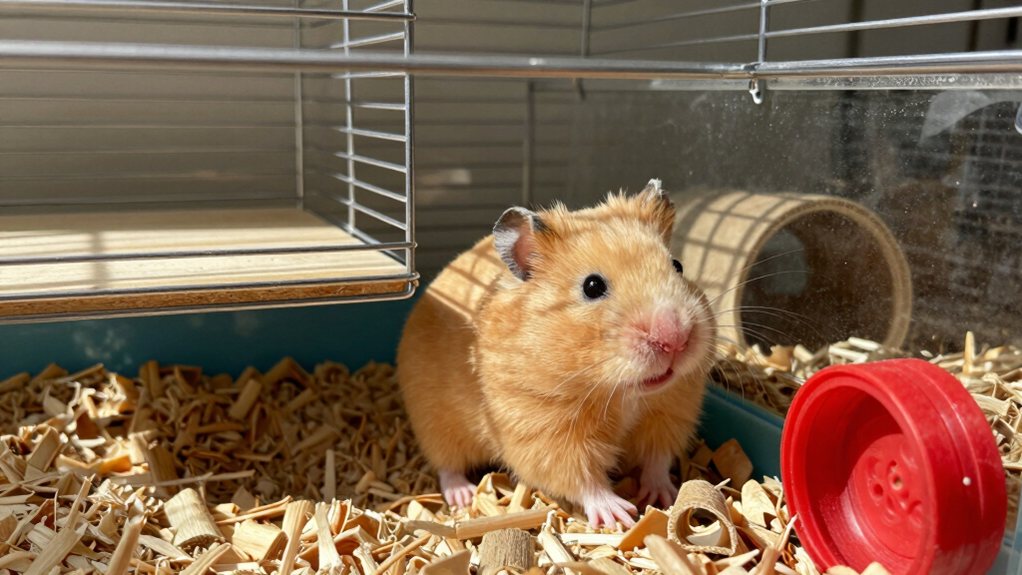
Keep cage decoration simple and clean. No plush toys or fabric that traps bacteria. Use paper-based bedding and scrub the cage weekly with mild soap.
Avoid kissing your hamster or letting it near your face, no matter how cute it looks mid-nibble.
Supervise kids closely, and teach them gentle handling.
If your hamster seems off—sneezing, tired, or not eating—call the vet fast.
You love your little buddy, and staying germ-smart means more happy, healthy playtime together.
Simple habits make all the difference!
How to Clean a Hamster Cage Without Spreading Germs
While your hamster might treat its cage like a five-star snack suite, it’s up to you to keep it clean without turning cleanup time into a germ-spreading free-for-all. Here’s how to handle cage disinfection methods and waste disposal safety the smart way.
Remove your hamster first. They’re not fans of deep-cleaning chaos. Place them in a secure playpen or carrier.
Scoop out soiled bedding and toss it in a sealed bag. This is waste disposal safety 101 to block odor and germs.
Wipe down the cage with warm, soapy water or a pet-safe disinfectant. Then rinse and dry thoroughly before refilling.
You’ve got this. A clean cage means a happy, healthy hamster and fewer worries for you.
Just remember: gloves help, ventilation matters, and yes, your tiny roommate appreciates your effort, even if they don’t say thanks in human words.
A full weekly deep clean is essential to prevent bacterial growth and maintain a hygienic environment for both you and your hamster.
Final Thoughts
You’ve got this! Hamsters are sweet little pals, but yeah, they can sometimes pass germs your way. Don’t panic—just wash your hands, clean their space regularly, and handle them gently. A few simple steps go a long way in keeping both of you happy and healthy.
Think of it like a tiny pet, big responsibility, but totally worth those adorable cheek pouches. Stay smart, stay clean, and keep snuggling safely!