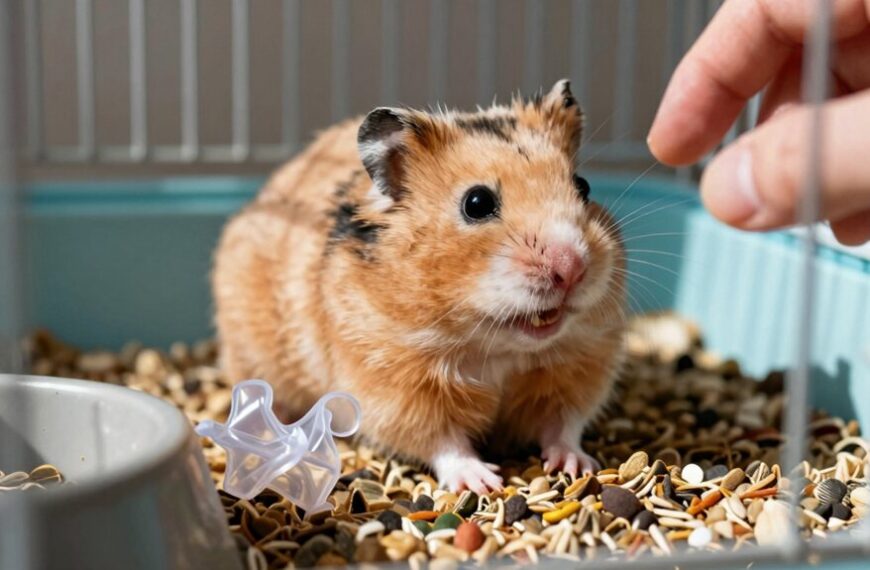
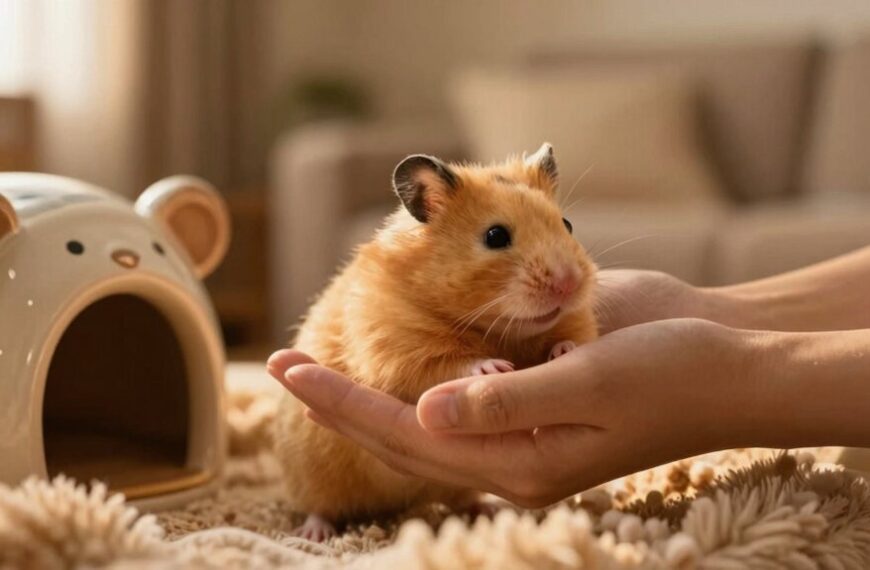
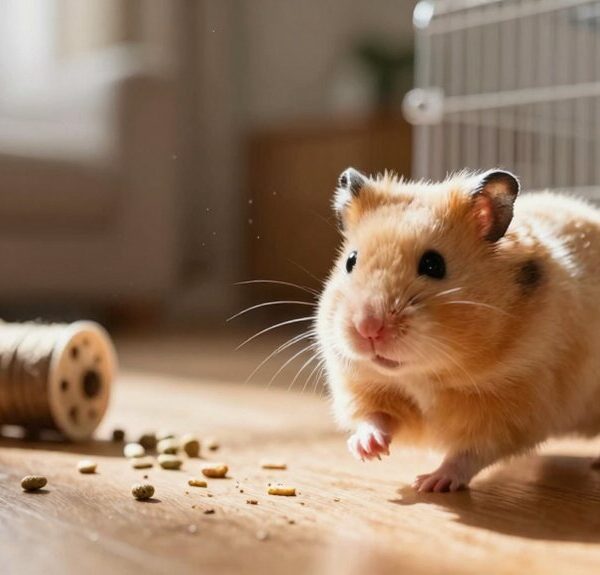
Yes, you can toilet train your hamster. It’s totally doable with a little patience and the right setup.
These tiny pros usually pick a corner for bathroom breaks, so you’re just helping them stick to it. Use a small box with safe, paper-based litter, place it where they naturally go, and toss in some soiled bedding to set the scent. Reward them with a treat when they get it right, think of it as hamster high-fives.
Accidents happen, but consistency wins. You’ll be amazed how quickly they catch on, and hey, a cleaner cage means more time for cuddles and sunflower seed negotiations. There’s a simple way to make training even easier. You’ll want to hear this trick.
Yes, You Can Toilet Train Your Hamster
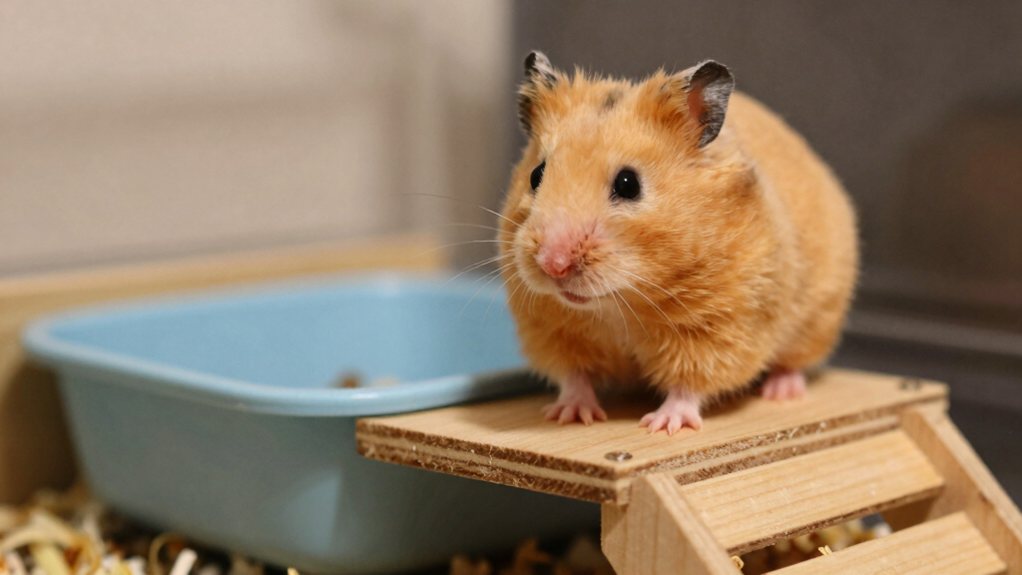
Wait—can you *really* teach your hamster to use a litter box? Yes, you can! Despite their tiny size, hamsters are smarter than they look. Hamster intelligence makes basic training possible.
Yes, you can teach your hamster to use a litter box! These clever tiny creatures are smarter than they look—hamster intelligence makes basic training totally possible with patience and consistency.
With a little patience and training consistency, your furry buddy can learn to go in one spot. Start by placing a small litter box in their favorite corner. Hamsters naturally pick one spot for bathroom breaks.
Add some soiled bedding to the box to encourage the habit.
Reward them with a sunflower seed or gentle praise when they get it right. It won’t happen overnight, but stick with it. Think of it as a fun little game you’re playing together.
You’re doing more than cleaning less—you’re bonding!

1️⃣Ideal Size for Small Pets: The Meow&Woof hamster sand bath measures 5.2 inches in diameter with a 4.5-inch wide opening, giving dwarf hamsters, teddy bear hamsters, and Syrian hamsters enough room to enter, turn, dig, and roll comfortably. The compact round design fits easily in most cages, while the smooth edges help protect tiny paws. The clear top lets you watch your pet’s natural sand-bathing behavior, making it a practical hamster sand bath container or gerbil sand bath option for daily cage care.

【360° Panoramic View】High-definition transparent material allows you to have an unobstructed view and enjoy observing the hamster bathing, digging and playing. On this basis, we have upgraded it and frosted the sidewall of the sand bath box to reduce the light entering the inside of the box, which will make the bathing of the hamster more comfortable

SIZE:9-1/2 inch length,6-1/2 inch width,4 inch high. The ideal size is suitable for small guinea pigs, hamster, baby rabbit, chinchillas and galesaur or other small animals. Please note that the potty is relatively small, and it isn't fit for adult rabbit or relatively large rats
What You Need to Start Hamster Toilet Training
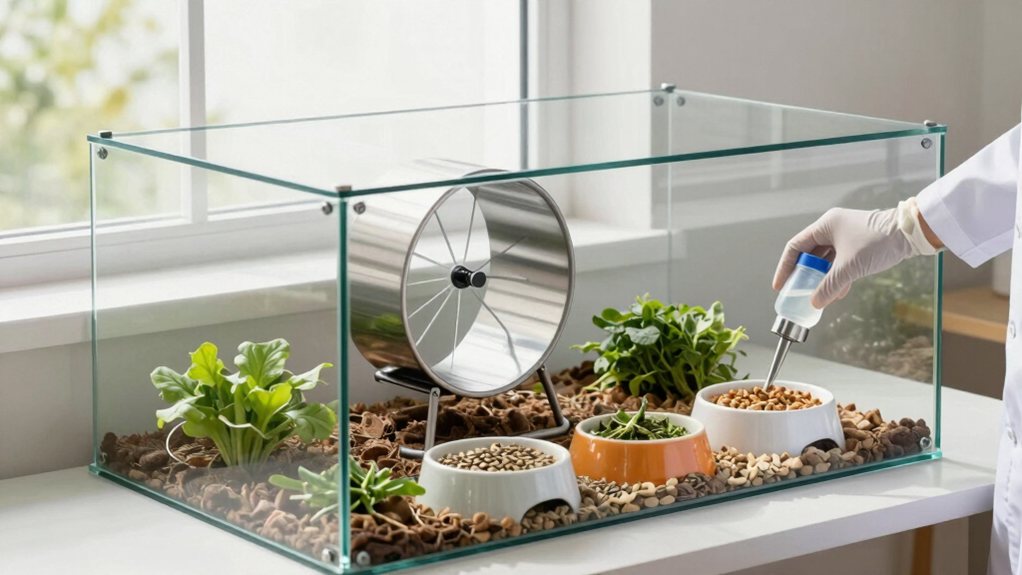
To get started, you’ll need just a few simple supplies—nothing fancy, but the right tools make all the difference. Grab a small litter box or a repurposed container that fits snugly in your hamster’s cage corner. Use paper-based, non-toxic litter to keep things safe and odor-free. A tiny scoop helps you clean spots quickly—because yes, even hamsters deserve a tidy bathroom!
Place a treat near the box to encourage visits; positive reinforcement works wonders. Keep an eye on your hamster’s habits—they often pee in the same spot, which makes training easier. Pair this with a balanced hamster diet and a solid exercise routine, and your little buddy will be more focused and healthy. Consistency is key, but don’t stress—mistakes happen (hey, we’ve all been there). With patience and a smile, you’ve got this!
[After applying the rules:]
To get started, you’ll need just a few simple supplies, nothing fancy, but the right tools make all the difference. Grab a small litter box or a repurposed container that fits snugly in your hamster’s cage corner.
Use paper-based, non-toxic litter to keep things safe and odor-free. A tiny scoop helps you clean spots quickly, because yes, even hamsters deserve a tidy bathroom!
Place a treat near the box to encourage visits; positive reinforcement works wonders. Keep an eye on your hamster’s habits. They often pee in the same spot, which makes training easier.
Pair this with a balanced hamster diet and a solid exercise routine, and your little buddy will be more focused and healthy. Consistency is key, but don’t stress. Mistakes happen (hey, we’ve all been there). With patience and a smile, you’ve got this!
Pick the Best Spot for Your Hamster’s Toilet
You’ll want to pick a corner your hamster already uses as a bathroom, check for little piles of droppings to find the favorite spot.
Placing the toilet there makes it way easier for your tiny roommate to get the idea.
Yes, they can be a bit lazy about walking far.
Just remember, consistency is key, unless you enjoy playing hamster janitor every morning!
Best Location Tips
Where should you put your hamster’s tiny toilet so they’ll actually use it? Think like your hamster. Hamsters love corners, especially ones that feel safe and quiet. Place the toilet in a corner they already use for bathroom breaks. Checking for little damp spots or droppings can clue you in.
This matches natural hamster behavior and cuts down on training challenges. Avoid high-traffic zones or near their food. Nobody likes eating next to the bathroom. Keep it consistent. Moving the toilet often confuses your furry friend.
You’re doing more than just picking a spot. You’re setting them up for success. Think of it as interior design for a tiny roommate. With a little patience and smart placement, your hamster might just surprise you. After all, even small wins feel big when you’re only 4 inches long.
Cage Corner Selection
Why do hamsters always seem to pick the coziest corner for their bathroom habits?
Good news: you can work with their instincts during cage corner selection.
Hamsters naturally prefer a quiet, out-of-the-way spot, so your toilet placement should match their vibe.
Think of it like setting up a tiny bathroom they’ll actually use.
Here’s how to nail it:
- Pick a corner they already use, Check for droppings or pee stains; that’s your clue.
- Keep it away from food and bedding, Nobody wants dinner next to the loo.
- Make it easy to clean, A corner near the cage edge saves you hassle.
Smart toilet placement turns guesswork into success.
Your hamster mightn’t flush, but with the right spot, they’ll do their business where you want.
Win-win!
Step-by-Step: Train Your Hamster to Use the Litter Box
While your hamster won’t fetch like a dog or do tricks on command, believe it or not, they *can* learn to use a litter box, with a little patience and a lot of tiny scooping.
Start by placing a small litter box in the corner they already use, yes, they’ve probably picked one on their own.
Add some soiled bedding so the scent guides them. Use paper-based litter, it’s safe if they nibble it during grooming.
After meals or playtime, key parts of their hamster diet and exercise routine, gently place them in the box.
Reward with a seed or a soft “good job.” They’ll catch on faster than you think!
Consistency is key, so stick with it.
And hey, if they miss once in a while? No biggie. You’re not training a circus star, just helping your little buddy stay clean.
What to Do When Your Hamster Won’t Use the Toilet
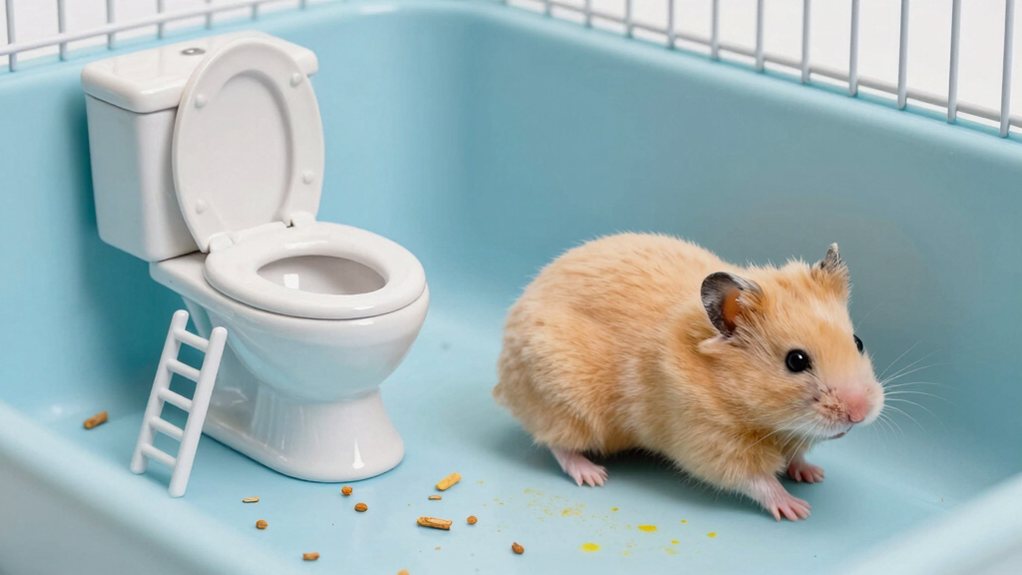
If your hamster’s ignoring the litter box, don’t panic. You’re not alone, and a few simple tweaks might do the trick.
Try moving the box to a corner your hamster already uses as a bathroom, because let’s be honest, they’ve got their own schedule and preferences.
And if accidents keep happening, check for clean-up spots they might be marking.
Then gently guide them toward better habits with patience, and maybe a tiny bit of bribery with treats.
Litter Box Placement Tips
Ever wonder why your hamster insists on using the corner of the cage like it’s a five-star bathroom, except it’s not the one you set up? Hamster behavior can be quirky, and training challenges often come down to simple placement.
If your little buddy’s ignoring the litter box, it mightn’t be defiance. It could just be poor positioning.
Try these tips:
- Follow the habit: Place the box where your hamster *already* goes—nature knows best.
- Keep it quiet: Avoid high-traffic zones in the cage, like near the wheel or food bowl.
- Secure the spot: Choose a corner with low escape risk so it feels safe and contained.
A well-placed box works with your hamster’s instincts, not against them.
You’ve got this. Small steps lead to big wins, and fewer surprises on cage cleaning day.
Addressing Persistent Accidents
So you’ve picked the perfect spot for the litter box, followed your hamster’s cues, and still, surprise droppings appear like tiny land mines in the least expected places. Don’t panic.
First, check your hamster’s diet consistency. Sudden changes can lead to messier habits. Stick to a stable, high-quality food plan to help regulate their system.
Next, look for stress indicators. Chewing bars, hiding nonstop, or excessive grooming can all signal stress. A stressed hamster won’t care much about toilet training.
Make sure their space is quiet, cozy, and free from loud noises or other pets looming nearby.
Clean accidents gently with pet-safe wipes, avoiding strong scents that might confuse them.
Remember, progress isn’t always linear. Stay patient, keep the litter box accessible, and celebrate small wins.
You’re both learning—and that’s okay.
How Long Until Your Hamster Is Potty Trained?

How long does it take to potty train a hamster, anyway?
Well, every little furball learns at their own pace, but with a solid training timeline and some patience, you’ll start seeing results in about 1–3 weeks.
Progress tracking helps. You’ll notice fewer accidents and more consistent spot use.
Keep at it, and soon your hamster will have a routine!
Here’s what to expect:
- Days 1–7: Your hamster explores; you observe and gently guide.
- Weeks 2–3: Accidents drop as your pet starts linking the corner with potty time.
- After Week 3: Most hamsters get the hang of it, though occasional slip-ups happen. Hey, we’ve all been there.
Stay consistent, celebrate small wins, and remember: you’re more than just teaching tricks.
Stay patient, cheer for every success, and know this: you’re not just training—you’re growing a bond built on trust and tiny triumphs.
You’re building trust.
And honestly? That’s the real win.
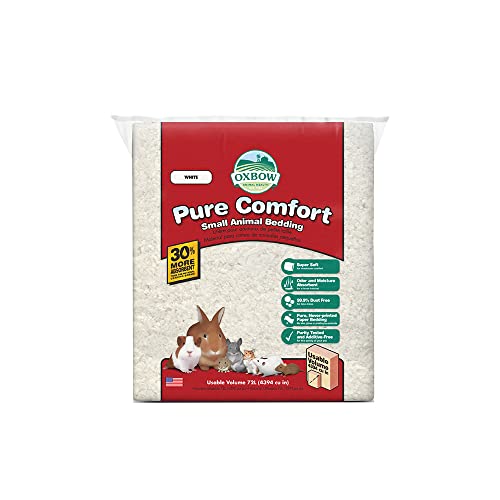
ODOR ABSORBENT TO MINIMIZE PET ODORS: Effectively neutralizes odors to keep bunny bedding & hamster bedding fresh; Ideal for pet bedding, ferret cages, and litter boxes, it helps maintain a clean environment for your pets and a better experience for you
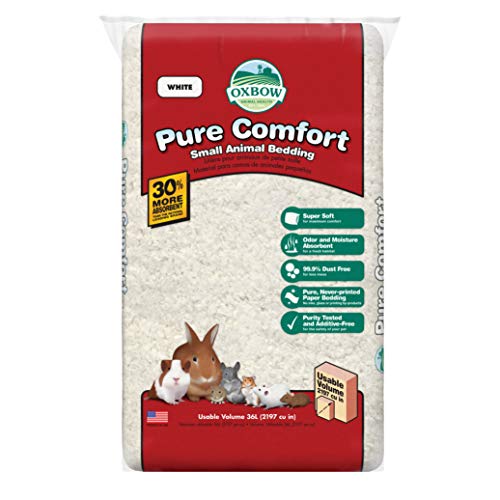
ODOR ABSORBENT TO MINIMIZE PET ODORS: Effectively neutralizes odors to keep bunny bedding & hamster bedding fresh; Ideal for pet bedding, ferret cages, and litter boxes, it helps maintain a clean environment for your pets and a better experience for you

Natural Odor Control – Effectively eliminates odors without chemicals or artificial fragrances, keeping your pet’s space fresh.
Choose Safe, Effective Litter for Hamsters
Picking the right litter isn’t just about cleanliness, it’s about keeping your tiny roommate safe and comfortable. You’ve gotta avoid dusty stuff. Dust concerns are real for little lungs, and too much can lead to breathing issues or even hamster allergies.
Skip clay or clumping cat litter. It’s a no-go and could hurt your pet if ingested. Instead, go for paper-based or aspen shavings. They’re soft, absorbent, and way safer.
Pine and cedar? Nope. They smell nice to us, but their oils can irritate your hamster’s system. Think of it like picking baby wipes. You want gentle, hypoallergenic, and non-toxic.
A clean cage means a happy hamster, and that means fewer midnight cleanups for you. Win-win!
Just remember, when in doubt, check with your vet. Your fluffball will thank you with fewer sneezes and more zoomies.
Keep the Hamster Toilet Area Clean & Odor-Free
Keeping your hamster’s little bathroom spot clean isn’t just about fresh scents, it’s key to keeping your tiny buddy healthy and happy.
Good hamster hygiene prevents messes and keeps your home smelling great, not like a dirty gym sock.
For effective odor control, stay on top of cleaning with these simple steps:
- Scoop daily – Remove soiled litter and droppings every day, just like you’d clean a kitty litter box.
- Replace bedding weekly – Swap out the old, stinky stuff for fresh, safe litter to keep things hygienic and cozy.
- Wipe the corner – Use a pet-safe cleaner to wipe down the toilet area once a week, your nose (and hamster) will thank you.
A clean corner means a healthier hamster and fewer “eww” moments.
You’ve got this!
Why Hamsters Naturally Avoid Potty in Their Bed
Let’s talk instincts. Your hamster may be tiny, but that little brain packs some smart survival tricks. In the wild, pooping near their nest would attract predators, so your hamster’s nesting instincts kick in to keep their bed behavior clean. That means they naturally avoid going to the bathroom where they sleep. Smart, right?
It’s more than about comfort. It’s survival hardwired into their DNA. So when you notice your hamster darting to a corner to do their business, don’t be surprised. They’re following ancient rules to stay safe and keep their cozy nest odor-free.
This instinct actually helps you with toilet training. Work with their nature, not against it.
Set up a litter spot away from bedding, and they’ll likely take to it fast. Think of it as teamwork. You provide the setup, and they bring the smarts. Pretty cool for a creature that naps 14 hours a day!
Final Thoughts
You’ve got this! Toilet training your hamster might take a little patience, but hey, even the tiniest pets deserve a clean space. Pick a corner, use safe litter, and keep it tidy. Your little buddy will catch on.
And if they occasionally miss? No stress, they’re still adorable. With consistency and a smile, you’ll both get into the rhythm. Honestly, it’s kind of impressive when they “get it.” Go celebrate with a high five… if your hamster’s into that.

ODOR CONTROL for long-lasting freshness. Kaytee Clean & Cozy can be used with any type of habitat for a fresh animal home
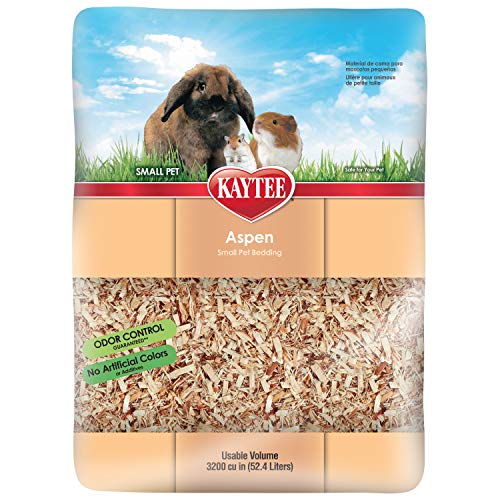
ALL-NATURAL ASPEN SHAVINGS, crafted for a natural, comfortable habitat

ODOR ABSORBENT TO MINIMIZE PET ODORS: Effectively neutralizes odors to keep bunny bedding & hamster bedding fresh; Ideal for pet bedding, ferret cages, and litter boxes, it helps maintain a clean environment for your pets and a better experience for you