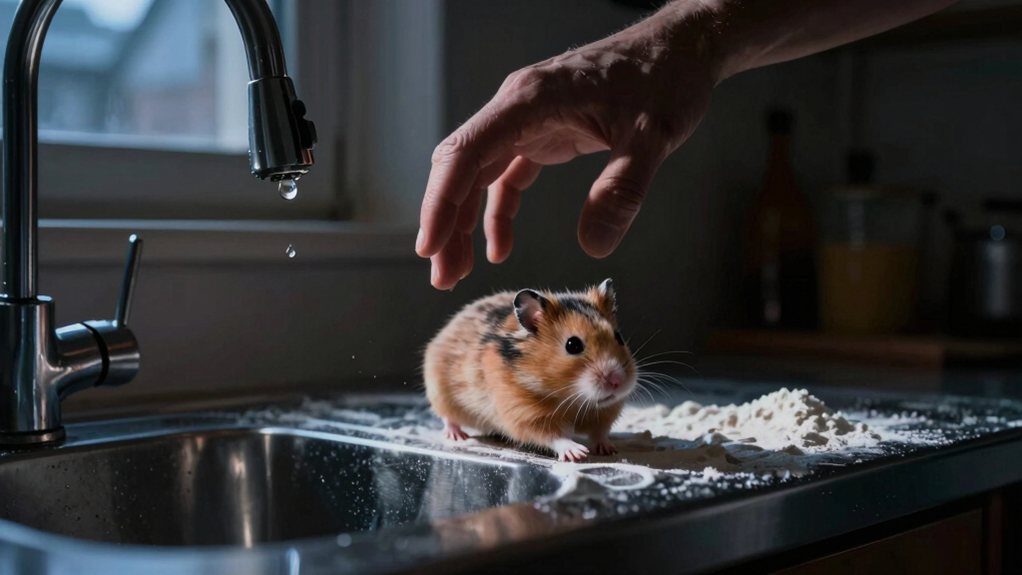
While you’re asleep, your hamster’s living their best night life, zooming on their wheel, stuffing cheeks with snacks, and digging through bedding like a tiny furry explorer. They’re naturally nocturnal, so don’t be surprised by midnight crunching or sudden wheel sprints. This activity is totally normal and keeps them happy and healthy.
Think of them as little ninjas of the pet world, awake and busy when the lights go out. You’ll want to stick around to see what else they get up to after dark.
Why Are Hamsters Nocturnal?

Ever wonder why your hamster starts sprinting on its wheel the second you’re trying to fall asleep? It’s because hamsters are naturally nocturnal, meaning they’re most active when the sun goes down. In the wild, this helps them avoid daytime predators and extreme heat. Even though your pet lives in a safe home, those instincts are still strong.
Unlike diurnal behavior, being awake during the day, hamsters thrive at night. Artificial lighting in your house can confuse them a bit, but they usually stick to their nighttime routine.
Their nocturnal behavior evolved as a survival strategy in the wild to minimize encounters with predators.

🐻 HAPPY FITNESS✔:hamster wheel, brings your little hamster endless running happiness, Hamsters love the silent wheel like a runner, help them to enrich their nighttime, also keep them to exercise for maintaining their strength.
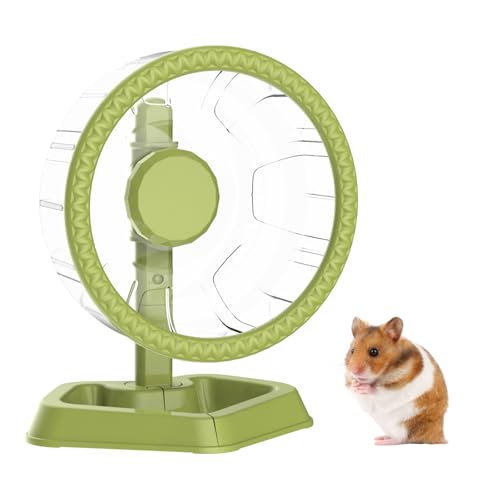
【High-Quality Durable Construction】Crafted from premium transparent ABS material, this hamster wheel is non-toxic and odor-free. It boasts rounded edges to maximize safety and ensure reliable stability.

What Do Hamsters Do at Night?
While you’re tucked in bed dreaming, your hamster is just getting the night started. While you’re lost in hamster dreams of cheese buffets, your tiny friend is wide awake and busy. Night foraging is their favorite pastime—they scurry around, sniffing out snacks you might’ve missed. You’d be surprised how much they pack into the dark hours!
While you dream of cheese, your hamster’s already on patrol—sniffing, scurrying, and stuffing cheeks like a midnight snack ninja.
They zigzag through their cage like tiny, furry racecars looking for hidden treats.
They stuff their cheeks fuller than a grocery bag during night foraging missions.
They run on their wheel like they’re training for the Hamster Olympics.
They groom themselves like little spa enthusiasts after a long night out.
Even when the house is quiet, your hamster’s world is buzzing. So next time you hear a rustle at midnight, smile—they’re just living their best nine-to-five… at night.
Why Your Hamster Never Slows Down After Dark
What makes your hamster transform into a tiny nocturnal tornado the moment the lights go out? It’s all about instinct. In the wild, hamsters avoid daytime predators by staying hidden, then burst into action under moonlight exploration. That same drive lives in your pet, even in a cozy cage.
When you’re winding down, they’re just getting started. They run on their wheel, rearrange bedding, or dig through tunnels. Their night shift includes serious silent foraging.
They sniff out hidden treats like little detectives with snack motives.
You might hear faint scratching or the gentle spin of the wheel. This is proof they’re wide awake while you’re half-asleep. They don’t slow down because their internal clock says, “Party time!”
So, while you dream, your hamster’s living its best moonlit life.
It’s not personal. Just biology with a side of cuteness. Accept the chaos. After all, who else throws a solo rave at 2 a.m.?
Hamsters can run up to five miles per night, which is why providing a spacious cage with ample room for activity is essential for their well-being. five miles per night
Is It Okay to Play With Your Hamster at Night?

You might catch your hamster sprinting on its wheel at midnight, but that’s because these little guys are night owls by nature.
While it’s tempting to play when they’re active, the best time to interact is during their calm moments, usually just after dusk or before dawn.
Respecting their sleep cycle keeps them happy and might save your fingers from an accidental nibble during their prime nighttime zoomies.
Hamsters are naturally nocturnal animals, which means their peak activity occurs in the dark hours, aligning with their instinctual behaviors like foraging and exploring.
Nocturnal Nature Explained
Ever wonder why your hamster suddenly springs to life when you’re ready to hit the hay?
That’s because hamsters are nocturnal, not diurnal, meaning they sleep during the day and party at night!
While you’re catching some Zs, your little buddy is wide awake, exploring, munching, and running laps on that squeaky wheel.
They avoid predators by staying active when it’s dark and quiet.
Their natural rhythm kicks in after sunset: hello, nighttime energy!
Daytime naps help them recharge for their nightly marathon.
Bright lights during the day make them want to curl up and snooze.
A dim, quiet environment supports their natural behavior and helps prevent stress, especially since artificial light at night can disrupt their sleep cycle—making nocturnal nature a key factor in proper hamster care.
Best Time To Interact
So, should you roll out of bed at midnight for a playdate? Probably not. Your hamster might be wide awake, but it’s also their quiet hours. While they’re naturally nocturnal, bursting into their world during bedtime routines can stress them out.
Think of it like waking someone in the middle of a dream to play tag. Not cool, right? Instead, aim for dusk or early evening, when they’re just starting to stir. That’s when they’re most alert and ready for gentle interaction.
Keep things calm and quiet, and let your little buddy come to you. A little patience goes a long way.
Sure, watching them run on their wheel at 2 a.m. is kind of entertaining, but save the cuddle sessions for their version of morning. That way, you both stay happy, rested, and out of tiny hamster drama.
Hamsters are most active during nocturnal behavior, which means they may eat, groom, or explore their habitat when the house is quiet.
Respecting Sleep Cycles
Hamsters don’t run on the same schedule as people, and that’s perfectly okay. They’re nocturnal, so while you’re winding down, your hamster is just waking up and ready to explore.
That means nighttime play might seem fun for you, but it can stress them out.
Respecting their natural rhythm helps keep them happy and healthy.
Think of it like this: waking a hamster at night is like someone shaking you awake during your deepest daytime naps, no fun at all!
- Let your hamster enjoy quiet moments during the day without disturbing their rest
- Save playtime for early evening or late afternoon when they naturally stir
- Keep nighttime interactions calm, no loud noises or sudden handling
- Watch for signs of grumpiness; a sleepy hamster is a grumpy hamster
A little patience goes a long way!
Hamsters are especially easily startled by sudden movements, which can lead to stress or defensive biting if they’re woken abruptly.
Do Hamsters Ever Sleep at Night: And When?
Ever wonder why your hamster seems wide awake when you’re ready to hit the hay?
That’s because hamsters aren’t into diurnal behavior, they’re crepuscular, meaning they’re most active at dawn and dusk.
So, while you’re dreaming, your tiny friend might be running on their wheel or stuffing their cheeks with snacks.
But do they ever sleep at night? Absolutely!
They nap in short bursts throughout the day and night, adjusting their sleep patterns to feel safe and rested.
Just because you’re quiet doesn’t mean they are.
Think of them as little nocturnal roommates with weird schedules.
So if you hear rustling at midnight, don’t be surprised—they’re just living their best life while you’re counting sheep.
Respecting their rhythm means letting them be without too much midnight interaction.
After all, even small mammals need their beauty sleep—just not when you are!
Balancing Your Sleep and Your Hamster’s Night Life
You’re trying to catch some Z’s, but your hamster’s turning bedtime into a full-blown nighttime adventure, wheel spinning, crate rearranging, snack smuggling. It’s cute, but let’s be real: you need rest too.
Your hamster’s midnight escapades are adorable—but you’ve got to sleep too. Balance their energy with smart solutions for peaceful nights.
The trick is balancing your sleep with your hamster’s natural rhythm. Here’s how:
- Place the cage in a quieter room, away from your bedroom if the noise bugs you.
- Use soft bedding and safe cage decor to keep your hamster busy without loud disturbances.
- Stick to a routine for feeding and hamster hygiene checks, this helps regulate their activity.
- Choose a solid-surface wheel to reduce nighttime clatter.
You don’t have to choose between sleep and a happy hamster.
A few smart tweaks mean both of you can thrive, one by day, one by night, with less noise and more harmony.
Sweet dreams to you both!
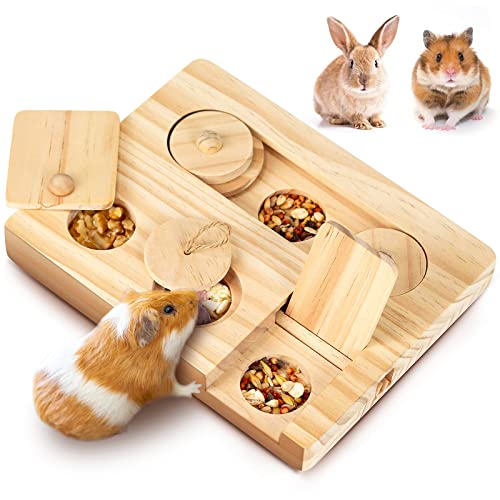
【SMALL ANIMAL PUZZLE GAME】Guinea pigs beignner love this accessories, the hamstersgame of SPIN & SLIDE, HIDE, & SEEK highly interested. The guinea pigs accessories game can highly encourage pet's natural foraging instincts. Guinea Pig would get exciting and active , they don’t feel bored.

Core Function: The hamster ball is an interactive foraging toy designed to stimulate hamsters' innate foraging instincts. Through multiple activation methods—sniffing, pushing, rolling, and gnawing—it encourages hamsters to explore their environment

A fun way to teach your small pet to search for treats; interactive and rewarding
7 Signs Your Hamster’s Night Activity Is Normal

What’s really going on when your hamster hits the ground running at midnight?
Don’t panic, it’s totally normal!
You might hear rustling, wheel spinning, or soft night nibbling as your little buddy snacks.
These sounds mean your hamster’s living their best nocturnal life.
If they’re burrowing, grooming, or stuffing their cheeks, that’s all good.
Even the occasional freeze-and-scan move? Just hamster instincts kicking in.
You won’t see hamster dreams, but trust that their active nights help them stay healthy and happy.
Just make sure their space is quiet and cozy so your sleep isn’t sacrificed.
Remember, a busy night doesn’t mean a problem, it means a thriving pet.
So, while you’re dreaming, your hamster’s living their own midnight adventure.
And honestly? That’s kind of adorable.
Keep an ear out, but don’t stress.
Normal night noises are just part of loving a little night owl.
Best Nighttime Setup for Hamsters
Now that you know your hamster’s midnight munching and wheel sprints are totally normal, it’s time to make sure their nighttime routine happens in the best possible setup.
You want your little buddy comfy, safe, and ready to zoom without a hitch.
Here’s how to build the perfect nighttime habitat:
- Pick the right wheel size, a too-small wheel can hurt their back, so go for at least 8 inches (larger for Syrians).
- Place a cozy bed fort made of safe, chewable materials so they can snuggle or hide whenever they want.
- Keep the cage in a quiet, dim spot: hamsters love privacy when they’re active.
- Use soft bedding that’s easy to burrow in, because let’s be real, every hamster’s a tunneling pro.
A happy nighttime setup means a healthy, busy hamster—and way fewer “why is that wheel still spinning?” moments for you.
How Nocturnal Habits Keep Hamsters Healthy
While your hamster might seem like a tiny night owl with a one track mind, snack, sprint, repeat, those late night antics actually play a big role in keeping them healthy.
By being nocturnal, your hamster avoids diurnal confusion, staying in tune with their natural rhythm.
Staying nocturnal keeps your hamster in sync with their natural rhythm, avoiding confusion and supporting overall well-being.
This helps regulate their body clock, reducing the risk of sleep disorders that can come from mixed up schedules.
When they’re active at night, they burn energy, stay lean, and keep their minds sharp.
Plus, all that wheel running isn’t just for fun. It supports heart health and prevents boredom.
Letting them follow their nighttime groove means better digestion, stronger immunity, and a happier pet.
You wouldn’t want to nap when your friends are awake, right? Same goes for your hamster.
So, while you’re catching Z’s, trust that their midnight hustle is doing wonders.
No need to worry. Just let them be their quirky, nocturnal selves.
Final Thoughts
So, your hamster’s late-night zoomies? Totally normal. While you’re dreaming, they’re busy living their best life, running, snacking, and exploring like tiny nocturnal ninjas. It’s just how they’re wired.
Sure, they nap here and there, but prime time for fun is after dark. You don’t need to match their schedule, just give them a cozy, quiet setup. And hey, if you wake up to a chewed-up toilet paper roll? Classic hamster move. Love them for it.

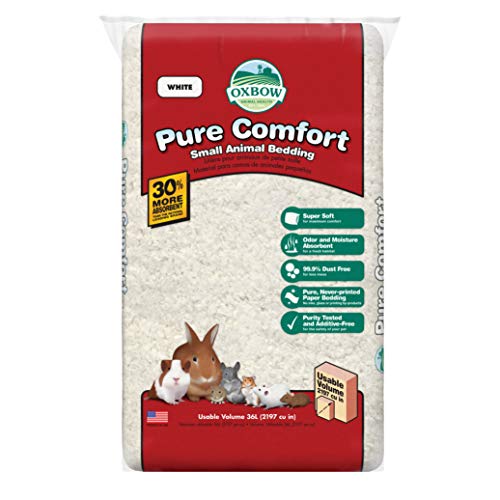
ODOR ABSORBENT TO MINIMIZE PET ODORS: Effectively neutralizes odors to keep bunny bedding & hamster bedding fresh; Ideal for pet bedding, ferret cages, and litter boxes, it helps maintain a clean environment for your pets and a better experience for you