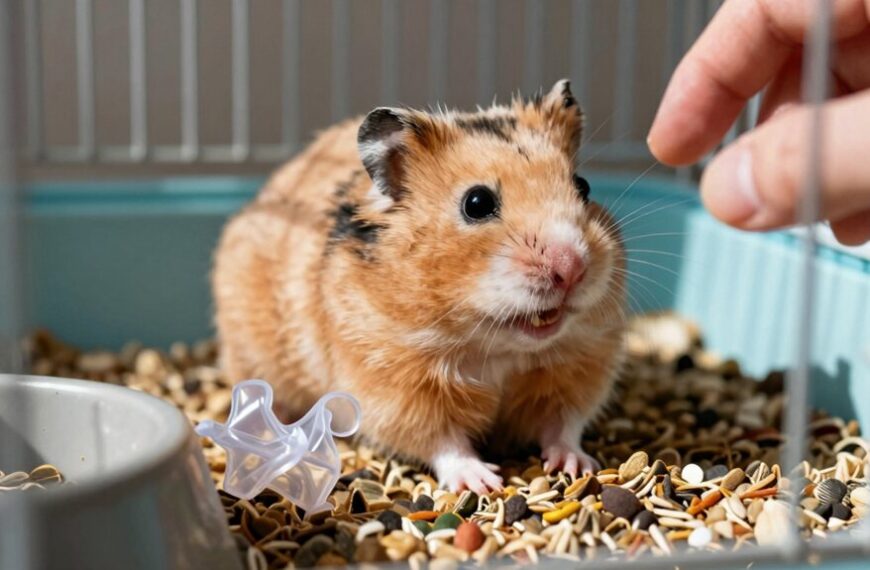
Yeah, hamsters can bite or scratch, but they’re not being mean. They’re usually just scared or confused.
Think of it like waking a grumpy toddler. Sudden moves or strange smells on your hands can startle them. They rely on scent and routine, so staying calm and predictable helps.
Gentle handling, quiet voices, and daily treats go a long way. If they nip, don’t worry—it’s rarely serious, and with patience, it happens way less. You’ll see how to keep those tiny teeth to yourself.
Why Do Hamsters Bite or Scratch?

Ever wonder why your hamster suddenly nips or gives you a little scratch? It’s usually not about aggression. It’s more about fear or confusion. If you reach into their space too fast, you might trigger a stress response.
Hamsters rely heavily on scent. So if your hands smell like food or another animal, they might get mixed signals. That’s when an accidental bite happens.
Also, hamsters are naturally territorial, and they don’t love surprises. Sudden movements near their nest are a no-go.
These tiny furballs aren’t trying to be mean. Those aggression triggers are just part of their survival instincts.
To avoid scratches, always wash your hands and move slowly. Offer a treat to build trust. With patience, your little buddy will learn you’re not a threat. Just a snack-bearing friend they can count on.

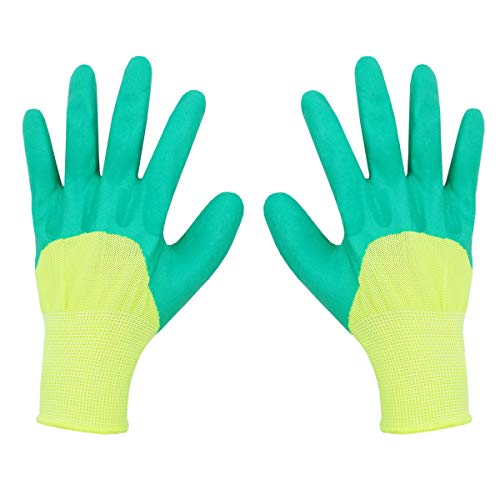
PROTECT LITTLE HANDS: These kids anti bite gloves help protect children’s hands from minor bites, scratches, dirt and garden thorns during small pet handling, gardening or outdoor activities. Great for safer pet care, planting and hands-on learning

Sized for every interaction: At 9.84x7.87 inches for the hamster anti-bite gloves and 4.92x1.57 inches for the hamster brush, this hamster sugar glider bonding pouch set offers the suitable size for gentle pet care and is suitable for hamsters cats sugar gliders bunnies ferrets rats chinchilla guinea pigs, hedgehogs parrots small dogs. The calming glove comfortably fits most hands, ensuring a pleasant interaction, while the compact grooming brush easily touch hard-to-reach areas.
How Can You Tell If Your Hamster Is Stressed?
You know your hamster’s usually a little bundle of joy, but if they’re acting jumpy, hiding more than usual, or gnawing at the cage bars, they might be stressed. Keep an eye out for changes in behavior, like skipping meals or zooming around nonstop, because those can be clues something’s up.
And hey, even tiny creatures have bad hair days. Just check their body language, like flattened ears or wide eyes, to see if your little buddy needs some quiet time and extra TLC.
Signs Of Stress
What’s bugging your hamster lately? Even though hamsters are tiny, they feel stress just like we do, especially when their nocturnal habits or dietary needs aren’t respected.
A stressed hamster might act out in ways you can spot if you pay attention. Here’s what to watch for:
- Over-grooming or chewing the cage bars – It’s like they’re saying, “I need more to do!”
- Hiding more than usual – Even for a night owl, this is a red flag.
- Biting or scratching when handled – They’re not being mean; they’re overwhelmed.
- Changes in eating or sleeping patterns – Skipping snacks? That’s serious business.
Keep their routine calm, offer fun toys, and stick to a consistent feeding schedule.
A happy hamster is a chill hamster. Less stress means fewer surprise nips during cuddle time!
Behavior Changes
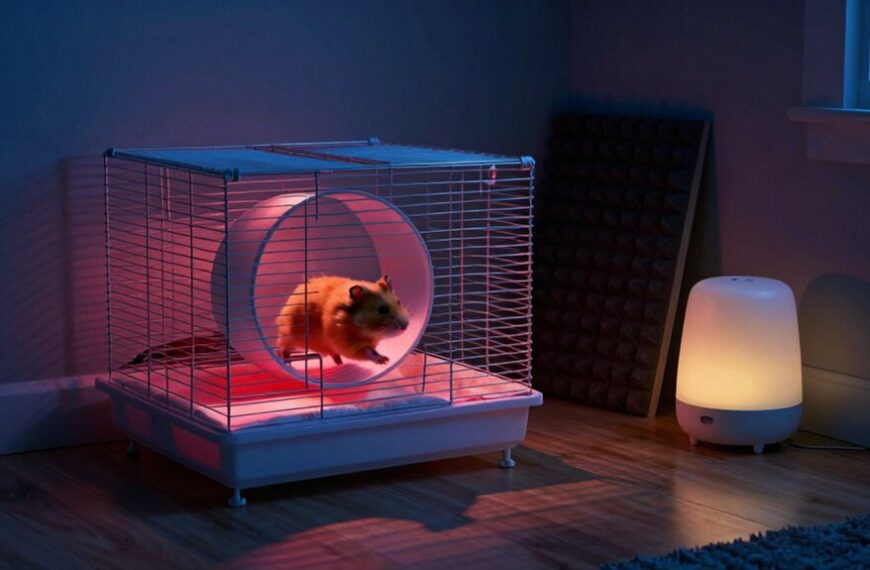
Why’s your little furball suddenly acting so off? Keep an eye out, stressed hamsters often ditch their usual nocturnal habits, becoming restless during the day or overly sleepy at night.
Maybe your hammy’s ignoring their favorite treats, which could signal shifts in dietary preferences due to stress.
You might notice more hiding, less wheel running, or even grumpiness when handled. They’re not being dramatic, they’re telling you something’s up!
Watch for over-grooming or chewing the cage bars, classic red flags.
Loud noises, messy cages, or too much handling can overwhelm them.
Stay calm, give them space, and keep their routine consistent.
A quiet corner, fresh snacks, and a clean home go a long way.
Remember, small bodies mean big feelings.
Tune in, adjust gently, and your tiny buddy will likely bounce back, probably just in time to steal your sock again.
Body Language Clues
Ever wonder what your hamster’s really thinking when they freeze mid-nibble or suddenly dart into their nest like a furry little spy?
Hamsters may be small, but their body language speaks volumes, especially when they’re stressed.
Paying attention helps you support their well-being and avoid surprise nips.
Here’s what to watch for:
- Flattened ears or wide eyes: They’re startled or feeling unsafe.
- Excessive grooming or scratching: Could signal anxiety, rather than mere cleanliness.
- Changes in play patterns: If your hamster skips the wheel or ignores toys, something’s off.
- Disrupted sleep cycles: Waking often or hiding more than usual might mean stress.
You know your little buddy best—trust your gut.
A calm hamster is a happy hamster, and that means fewer surprises (and fewer toe nibbles).
Stay curious, stay kind, and keep that bond strong.
How Should You Handle a Hamster Safely?
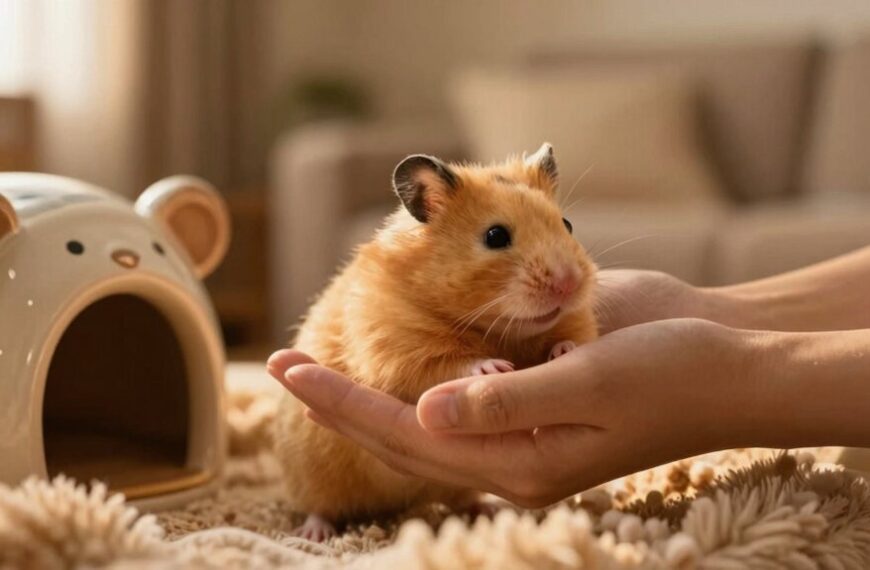
How do you pick up a hamster without sending it into panic mode? Start by washing your hands, no leftover hamster diet crumbs or cage cleaning scents, please. Approach slowly and let your hamster sniff you first.
Cup both hands gently around its body, supporting its whole frame like a tiny furry burrito.
Never grab or swoop, that’s a one-way ticket to panic town. Keep handling short at first, just a few minutes, so your pet builds trust.
And always stay low to the ground, hamsters are escape artists with zero fear of gravity.
Think of it like holding a sleepy grape: firm enough to hold, soft enough to comfort.
With patience, your hamster might even nap in your palm. It’s not magic, just trust, time, and no sudden moves. You’ve got this!
How Can You Build Trust With Your Hamster?
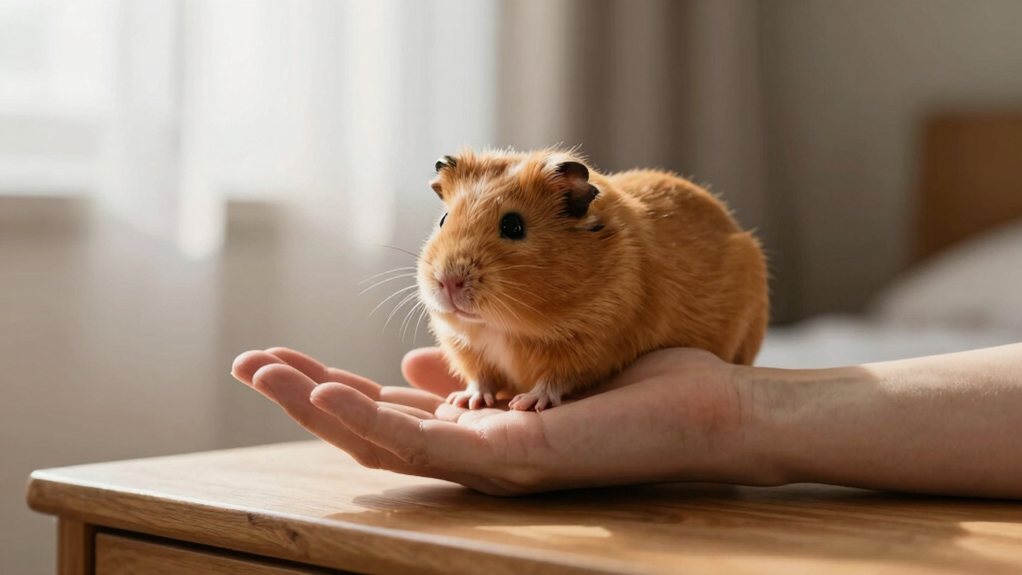
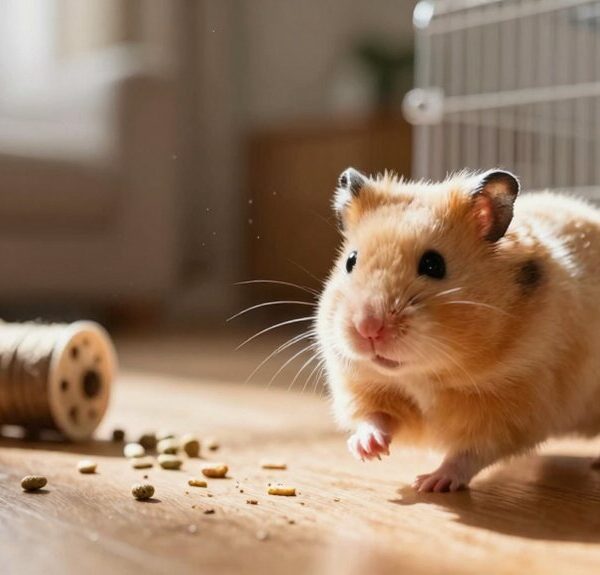
What’s the secret to turning a skittish little ball of fluff into a confident, hand-perching pal? It’s all about building trust, slowly and with lots of treats. Hamsters aren’t born ready to cuddle. But with a consistent routine and positive reinforcement, they’ll start seeing you as a friend, not a threat.
Let them sniff you first – offer a treat from your hand daily, letting them come to you.
Talk softly – your voice becomes familiar and calming over time.
Stick to a schedule – feeding and playtime at the same hour builds security.
Avoid sudden moves – quick gestures scare them; slow wins the race.
You’re more than just a giant to them. You’re their world. Be patient, stay kind, and soon that little nibble might just be a kiss, or at least hamster approval.

Safe Material: Made of food-grade silicone, safe, odourless, and non-toxic.

Safe Material: Made of food-grade silicone, safe, odourless, and non-toxic.

Ultra Soft and Durable: Made from high-quality silicone, our Taba Hamster Squishy provides a soft and satisfying squeezing experience. Handle with care to avoid damage.
What Should You Do If a Hamster Bites or Scratches?
Why do these tiny, button-eyed pals sometimes nip or scratch when you’re just trying to be friendly? Sometimes they’re scared, startled, or just don’t realize it’s you. Maybe your hands smell like snacks.
If your hamster bites or scratches, stay calm and don’t jerk away. That could hurt both of you. Gently place your hamster back in its home.
Then, check the wound. Wash it with soap and water, apply an antiseptic, and cover it if needed. Good wound care prevents infection. Keep an eye on it for redness or swelling.
For your pet, stress can affect hamster health, so give them quiet time afterward. Wash your hands before handling them next time. No surprise snack smells.
What Mistakes Make Hamsters Bite?
You know how you’d jump if someone startled you out of nowhere? Well, hamsters feel the same. Sudden movements can scare them, and that’s when they might bite out of fear.
Reaching into their space without warning is like a surprise pop quiz. Nobody likes it, and things can get messy fast.
Sudden Movements Startle Hamsters
Ever wonder why your hamster sometimes freezes like a tiny, wide-eyed statue when you reach into the cage? It’s because sudden movements startle them, big time.
Thanks to their nocturnal habits, hamsters are wired to be extra alert during low-light hours, making quick motions seem like predator alerts.
You might think you’re being gentle, but to your hamster, it feels like a tornado just touched down in their cozy world of cage decorations.
To keep your little buddy calm, try these tips:
- Move slowly and predictably near the cage
- Talk softly to signal it’s you, not a threat
- Wash your hands first—strange smells add stress
- Avoid reaching from above, like a swooping hawk
A calm approach means fewer bites and more trust. Slow and steady really does win the race, with tiny paws and a heart full of fluff.
Handling Without Warning Frightens Them
How would your hamster react if a giant hand suddenly swooped in without a heads-up? Not great, right? Hamsters have nocturnal habits, so grabbing them while they’re snoozing can be a real shock.
Imagine being yanked from a nap by something twice your size. Yeah, they might bite or scratch out of fear.
Always give your little buddy a gentle warning before handling. Tap the side of the cage or speak softly so they know you’re there.
A calm approach works best, especially since your cage setup likely includes cozy hideouts where they feel safe.
Startling them ruins that sense of security. Think of it like waking a grumpy toddler, best done gently!
With a little patience and awareness, you’ll build trust, not trauma.
Your hamster will thank you with fewer nips and more cuddles, well, hamster-style cuddles, anyway.
Final Thoughts
You’ve got this! Hamsters might nip or scratch sometimes, but it’s usually because they’re scared or stressed, not because they’re mean. By handling them gently, reading their moods, and building trust slowly, you’ll both feel more at ease.
Think of it like making a new friend: patience wins every time. And hey, if you do get nipped, don’t panic—it happens! Just stay calm, clean it up, and keep going.

Completely safe to chew with "pet safe" Food colors

[ All-Natural Materials ] Made from 100% natural materials, with no artificial harmful additives or preservatives, ensuring a safe and healthy option for your pets.

12 Pack Hamster Chew Toys: Small animals chew toys pack includes grass apple tree ladder, apple wood block, seagrass ball, willow branch ball, rattan balls,roller, Timothy grass ball, apple stick ring,aquare molar block with rope, bell roller, apple sticks 50g, natural sweet bamboo gauge 50g.