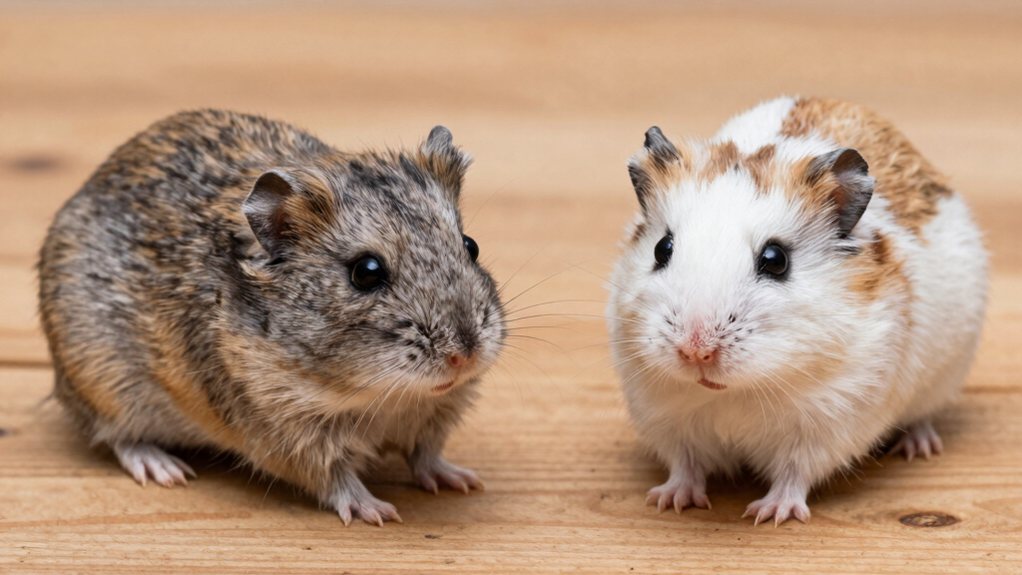
Hamsters hide illness until they’re critically unwell, a survival instinct that makes early detection the difference between a treatable infection and an emergency vet visit. By the time a hamster looks obviously sick, the condition has often progressed for days or weeks. Recognizing hamster health warning signs early requires daily observation and knowing exactly what changes matter.
This guide breaks down specific symptoms, what they indicate, and when to act. No vague advice about “seeming off”, just concrete warning signs organized by body system, with species-specific differences between Syrian and Dwarf hamsters where relevant.
Key Takeaways
- Hamsters mask illness instinctively,subtle changes in behaviour, posture, or grooming often appear 3-5 days before obvious symptoms
- Wet tail, laboured breathing, and sudden lethargy require same-day veterinary care; delays of even 12-24 hours significantly worsen outcomes
- Daily weight checks and activity monitoring catch problems like dental overgrowth, diabetes, and tumours weeks earlier than visual symptoms alone
- Species matters,Dwarf hamsters show different warning signs for diabetes and neurological issues than Syrians
- Cage setup directly impacts health,inadequate wheel size, shallow bedding, and poor bar spacing cause chronic stress that manifests as physical symptoms
Understanding Normal Hamster Behaviour First
Before identifying hamster health warning signs, establish what’s normal for your individual hamster. Syrians are solitary and territorial, active for 2-4 hour blocks at night. Dwarf species (Campbell’s, Winter White, Roborovski) show similar patterns but with shorter, more frequent activity bursts.
Normal baseline includes:
- Weight stability: Adult Syrians 120-200g, Dwarfs 20-50g depending on species
- Grooming frequency: 3-5 times per waking period, lasting 30-90 seconds
- Food consumption: 1-2 tablespoons of pellet mix daily, plus fresh vegetables
- Water intake: 10ml per 100g body weight daily (more in warm conditions)
- Scent marking: Frequent flank rubbing on cage items, normal territorial behaviour
- Burrowing behaviour: Daily rearrangement of bedding, tunnels maintained
Track these metrics for 7-10 days after bringing a hamster home. Deviations from their normal pattern matter more than comparing to general standards. A hamster who typically drinks 8ml daily but suddenly consumes 20ml shows a warning sign even if both volumes fall within “normal” ranges.
Respiratory Warning Signs
Respiratory infections progress rapidly in hamsters. What starts as mild sneezing can become pneumonia within 48-72 hours, particularly in Dwarf species with smaller lung capacity.
Early Respiratory Symptoms
Sneezing more than 3-4 times per hour indicates irritation or early infection. Occasional sneezes happen with dusty bedding or sudden temperature changes, but persistent sneezing requires investigation.
Nasal discharge appears clear initially, turning white or yellow as infection develops. Check for:
- Wet fur around nostrils
- Crusty buildup on nose
- Pawing at face repeatedly
- Matted fur on front paws from wiping nose
Audible breathing should never be normal. Wheezing, clicking, or rattling sounds indicate:
- Upper respiratory infection (clicking/whistling)
- Lower respiratory infection or pneumonia (rattling/crackling)
- Heart problems in older hamsters (rapid shallow breathing)
Critical Respiratory Emergencies
Laboured breathing with visible chest/abdomen movement, open-mouth breathing, or blue-tinged ears requires immediate veterinary care. These signs indicate severe oxygen deprivation.
Lethargy combined with respiratory symptoms suggests systemic infection. A hamster who stops normal activities to focus on breathing needs same-day treatment.
Environmental factors matter: inadequate cage setup with poor ventilation or dusty bedding causes chronic respiratory irritation that becomes infection. Ensure 6+ inches of bedding depth for proper burrowing behaviour without creating dust clouds.
Digestive System Warning Signs
Digestive problems in hamsters range from mild dietary upset to life-threatening conditions like wet tail (proliferative ileitis). The challenge: hamsters naturally have soft cecotropes (nutrient pellets they re-ingest), making “abnormal” faeces harder to identify.
Diarrhoea vs. Wet Tail
Standard diarrhoea presents as:
- Loose, unformed droppings
- Slight dampness around tail base
- Hamster remains active and eating
- Usually resolves in 24-48 hours with dietary adjustment
Wet tail (primarily affects Syrians under 12 weeks, but any hamster can develop it):
- Severely watery diarrhoea, tail and hindquarters soaked
- Strong foul odour
- Rapid lethargy and hunched posture
- Dehydration (skin tenting when gently pinched)
- Mortality rate 90%+ without treatment within 24-48 hours
Wet tail requires immediate veterinary intervention with antibiotics and fluid therapy. This isn’t a “wait and see” condition, delays are fatal.
Other Digestive Warning Signs
Constipation shows as:
- No droppings for 12+ hours
- Straining in toilet area
- Hunched posture
- Reduced appetite
Often caused by dehydration or dietary issues. Increase water-rich vegetables and ensure water bottle functions properly.
Bloating appears as:
- Visibly distended abdomen
- Reluctance to move
- Sitting in hunched position
- Reduced eating
Can indicate intestinal blockage, gas buildup, or internal tumours. Requires veterinary assessment within 24 hours.
Changes in appetite matter more than absolute amounts. A hamster who normally empties their food bowl but suddenly leaves half untouched shows a warning sign, even if they’re “still eating.”
Skin, Fur, and External Parasites
Healthy hamster fur should be smooth, glossy, and even. Grooming happens multiple times per waking period. Changes in coat condition often indicate systemic health problems before other symptoms appear.
Fur and Skin Changes
Patchy fur loss (alopecia) has multiple causes:
- Mites: Intense scratching, flaky skin, hair loss around face/ears first
- Fungal infection: Circular bald patches with red, scaly skin
- Hormonal issues: Symmetrical hair loss on flanks (older hamsters)
- Stress: Over-grooming specific areas, often from chronic stress factors
- Cage bar rubbing: Hair loss on nose/face from bar chewing (indicates inadequate enrichment or bar spacing issues)
Excessive scratching beyond normal grooming suggests:
- External parasites (mites most common)
- Allergic reaction to bedding
- Skin infection
- Dry skin from low humidity
Wounds or abscesses appear as:
- Swollen lumps under skin
- Open sores that don’t heal
- Scabbing or crusty areas
- Foul smell from infection
Check for injuries after any escape attempts or if housing multiple Dwarfs together (even “bonded” pairs can fight). Abscesses require veterinary drainage and antibiotics.
Lumps and Bumps
Tumours are common in hamsters over 18 months, particularly Syrians. Warning signs include:
- Firm or soft lumps under skin
- Rapid growth over 2-4 weeks
- Lumps that interfere with movement
- Changes in behaviour or appetite
Not all lumps are cancerous, abscesses, cysts, and benign tumours occur frequently. Veterinary examination determines the type and treatment options.
Scent gland issues: Syrians have prominent flank glands (dark spots on hips) used for scent marking. These can become infected or develop tumours. Watch for:
- Excessive licking of gland area
- Swelling or discharge
- Foul odour beyond normal musky scent
- Crusty buildup
Neurological and Mobility Warning Signs
Neurological symptoms in hamsters often indicate serious conditions: stroke, brain tumour, inner ear infection, or genetic disorders (particularly in Dwarf species).
Balance and Coordination Issues
Head tilt (torticollis) appears as:
- Persistent head held at angle
- Circling in one direction
- Difficulty eating/drinking
- Rolling or falling over
Usually caused by inner ear infection or stroke. Requires immediate veterinary care, ear infections respond to antibiotics if caught early.
Wobbling or unsteady gait suggests:
- Neurological damage
- Severe weakness from illness
- Vitamin E deficiency (rare with proper diet)
- Age-related decline in hamsters over 24 months
Seizures present as:
- Sudden collapse
- Rigid body or twitching
- Loss of consciousness (brief)
- Disorientation afterward
More common in Dwarf hamsters, particularly Campbell’s with genetic predisposition. Can indicate diabetes, brain tumour, or epilepsy. Document seizure frequency and duration for veterinary assessment.
Weakness and Lethargy
Sudden lethargy,a normally active hamster who won’t emerge from their nest or responds slowly to stimuli, indicates serious illness. This is never normal and requires same-day veterinary evaluation.
Progressive weakness over days/weeks suggests:
- Chronic illness (heart, kidney, liver disease)
- Tumour growth
- Severe anaemia
- Diabetes (particularly in Dwarf species)
Difficulty climbing or using wheel when previously active indicates:
- Arthritis (common in hamsters over 18 months)
- Injury
- Neurological decline
- Obesity limiting mobility
Ensure wheel size is appropriate: 8-12 inches for Syrians, 6.5-8 inches for Dwarfs. Wheels too small cause back injuries that manifest as mobility problems.
Eye, Ear, and Facial Warning Signs
Facial symptoms often indicate localized infections but can signal systemic disease. Hamsters have poor eyesight naturally, so vision changes are harder to detect than in other pets.
Eye Problems
Discharge or crusty eyes indicate:
- Conjunctivitis (pink eye)
- Upper respiratory infection spreading to eyes
- Injury or irritation
- Dental abscess (pressure affects eye socket)
Bulging or protruding eye suggests:
- Abscess behind eye
- Tumour
- Glaucoma (rare)
- Trauma
Requires immediate veterinary care, pressure can cause permanent eye damage within days.
Cloudy eyes in older hamsters (18+ months) usually indicate cataracts, common and not painful. Hamsters adapt well to vision loss if cage setup remains consistent.
Sticky or closed eyes after sleep are normal if the hamster can open them with grooming. Eyes that remain stuck shut indicate infection requiring treatment.
Dental Warning Signs
Hamster teeth grow continuously, 2-3mm per week. Malocclusion (misaligned teeth) prevents normal wear and causes overgrowth.
Drooling or wet chin indicates:
- Overgrown incisors preventing mouth closure
- Cheek pouch impaction
- Mouth injury or abscess
Difficulty eating shows as:
- Dropping food repeatedly
- Eating only soft foods
- Weight loss despite interest in food
- Swollen cheeks (not from pouching food)
Visible tooth overgrowth: Incisors should be 7-10mm long, yellow-orange (white teeth indicate calcium deficiency). Teeth curving inward or growing at angles require veterinary trimming.
Provide appropriate enrichment and chew items, wooden houses, safe chews, and hard vegetables help maintain tooth length naturally. Proper cage setup includes multiple chewing opportunities.
Urinary and Reproductive Warning Signs
Urinary problems often present subtly. Hamsters naturally have concentrated, dark urine with strong odour, this is normal. Changes in frequency, colour, or behaviour around urination indicate problems.
Urinary Issues
Blood in urine (red or pink-tinged) suggests:
- Urinary tract infection
- Bladder stones
- Kidney disease
- Reproductive tract issues in females
Straining to urinate with little output indicates:
- Bladder stones or blockage
- Severe UTI
- Tumour
This is an emergency, complete blockage causes kidney failure within 24-48 hours.
Increased urination (wet bedding in multiple areas, not just toilet corner) suggests:
- Diabetes (particularly Dwarf hamsters)
- Kidney disease
- Excessive water drinking from other causes
Strong ammonia smell beyond normal indicates:
- Dehydration (urine too concentrated)
- Kidney problems
- Inadequate cage cleaning
Reproductive Issues
Vaginal discharge in females:
- Clear/white: Normal during estrus (every 4 days)
- Yellow/green/bloody: Infection (pyometra) requiring immediate care
Swollen abdomen in females could indicate:
- Pregnancy (16-day gestation)
- Pyometra (life-threatening uterine infection)
- Tumour
Testicular swelling in males suggests infection or tumour. Normal testicles are prominent in mature males but should be symmetrical.
Species-Specific Warning Signs
Syrian Hamster Concerns
- Wet tail susceptibility: Highest risk under 12 weeks during stress (rehoming, diet changes)
- Larger tumour presentation: Lumps more visible earlier due to size
- Territorial stress: Aggression toward owners can indicate pain or illness, not just temperament
- Hibernation attempts: Temperatures below 15°C (59°F) trigger torpor, appears dead but is reversible with gradual warming
Dwarf Hamster Concerns
- Diabetes risk: Campbell’s and Winter Whites particularly susceptible; symptoms include excessive drinking/urination, weight loss despite eating, lethargy
- Glaucoma: More common than in Syrians, presents as bulging eyes
- Smaller size masks symptoms: Weight loss of 5g is significant in a 30g Dwarf but barely noticeable
- Faster disease progression: Smaller body mass means infections and illnesses advance more rapidly
When to Seek Veterinary Care
Emergency Symptoms (Same-Day Care Required)
- Laboured breathing or open-mouth breathing
- Wet tail with severe diarrhoea
- Bleeding that doesn’t stop within 5 minutes
- Seizures or loss of consciousness
- Complete loss of appetite for 12+ hours
- Inability to urinate
- Severe lethargy (won’t wake or respond)
- Eye bulging or sudden blindness
- Trauma from falls or attacks
Urgent Symptoms (Within 24 Hours)
- Persistent sneezing with discharge
- Lumps that appear suddenly or grow rapidly
- Head tilt or balance problems
- Difficulty eating or visible tooth overgrowth
- Blood in urine or faeces
- Constipation lasting 24+ hours
- Skin wounds or abscesses
Monitor and Schedule Appointment
- Gradual weight loss over 2+ weeks
- Reduced activity levels
- Minor fur loss or skin changes
- Occasional sneezing without other symptoms
- Lumps that aren’t growing rapidly
Find an exotic vet before emergencies occur. Not all veterinarians treat hamsters, locate a specialist experienced with small rodents and keep contact information accessible.
Prevention Through Daily Monitoring
Early detection of hamster health warning signs requires systematic observation. Implement these daily checks:
Morning check (when hamster is settling to sleep):
- Fresh water available
- Food bowl status (eaten normally?)
- Toilet area condition
- Visible injuries or discharge
Evening check (when hamster wakes):
- Activity level normal for that individual
- Grooming behaviour
- Eating and drinking observed
- Movement and coordination
Weekly checks:
- Body weight (use kitchen scale, record in grams)
- Coat condition and skin examination
- Tooth length and alignment
- Cage hygiene and bedding depth
Monthly checks:
- Full body examination for lumps
- Nail length (trim if needed)
- Scent gland condition
- Overall body condition score
Document baseline normals and track changes. A notebook or phone app with weight records, behaviour notes, and photos helps identify gradual changes that might otherwise go unnoticed.
Environmental Factors Affecting Health
Many hamster health warning signs stem from inadequate housing rather than disease. Proper cage setup prevents stress-related illness:
Minimum cage requirements:
- 450+ square inches floor space (Syrian), 370+ for Dwarfs
- 6+ inches bedding depth for burrowing behaviour
- Wheel size: 8-12″ Syrian, 6.5-8″ Dwarf
- Multiple hide spots
- Bar spacing under 1cm (prevents escapes and injuries)
Temperature and humidity:
- Maintain 18-24°C (65-75°F)
- Avoid drafts and direct sunlight
- Humidity 40-60% (prevents respiratory issues)
Enrichment requirements:
- Rotate toys weekly
- Provide chew items continuously
- Offer foraging opportunities
- Ensure solitary housing for Syrians (aggression causes chronic stress)
Chronic stress from poor housing manifests as physical symptoms: fur loss, digestive problems, weakened immune system, and behavioural changes. Prevention through proper care is more effective than treating stress-induced illness.
FAQ
How can I tell if my hamster is in pain?
Hamsters hide pain instinctively. Look for hunched posture, reluctance to move, reduced grooming, aggressive behaviour when handled, teeth grinding, half-closed eyes, or decreased appetite. Any combination of these symptoms warrants veterinary evaluation.
What’s the difference between normal sleeping and lethargy?
Normal sleeping: hamster wakes when gently disturbed, returns to normal activity within minutes, maintains regular sleep/wake cycle. Lethargy: hamster difficult to wake, slow to respond, remains inactive during normal waking hours, shows little interest in food or environment.
Can hamsters recover from wet tail?
Yes, if treated within 24-48 hours of symptom onset with appropriate antibiotics and supportive care. Survival rate drops dramatically after 48 hours. Wet tail is always an emergency requiring immediate veterinary intervention.
How often should I weigh my hamster?
Weekly for adults, twice weekly for hamsters under 12 weeks or over 24 months. Weight loss of 10% or more indicates significant health problems. Use a digital kitchen scale accurate to 1g.
Are respiratory infections contagious between hamsters?
Yes, many respiratory pathogens spread through direct contact or airborne transmission. If one hamster shows symptoms and you have multiple hamsters (in separate cages), maintain strict hygiene: wash hands between handling, use separate equipment, isolate the sick hamster.
What causes sudden death in hamsters with no warning signs?
Common causes include heart disease, stroke, internal tumours, or acute infections. Hamsters mask illness effectively, “sudden” death often follows days of subtle symptoms owners didn’t recognize. This underscores the importance of daily monitoring and knowing your hamster’s normal behaviour patterns.
Conclusion
Recognizing hamster health warning signs early transforms outcomes. The difference between a treatable respiratory infection and fatal pneumonia is 24-48 hours of observation and action. Between catching diabetes at onset versus managing advanced complications is weekly weight monitoring.
Hamsters won’t tell you they’re sick, they’ll hide it until they can’t anymore. Your responsibility as an owner is daily observation, knowing what’s normal for your individual hamster, and acting on deviations before they become emergencies.
Start tonight: weigh your hamster, document their current behaviour patterns, and locate an exotic vet in your area. These three actions prepare you to catch problems early and give your hamster the best chance at a healthy, full lifespan.
For more guidance on maintaining hamster wellbeing, explore our resources on stress prevention, essential care requirements, and understanding normal hamster behaviour.