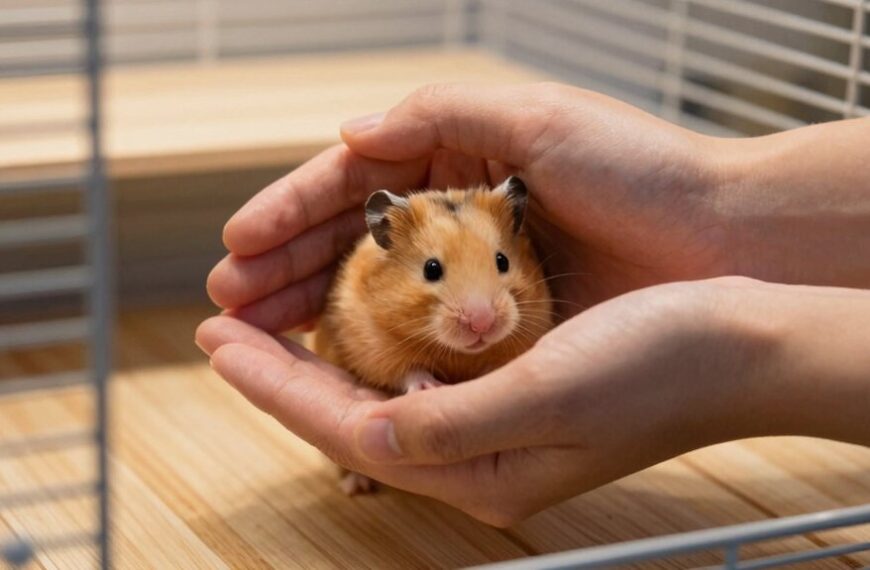
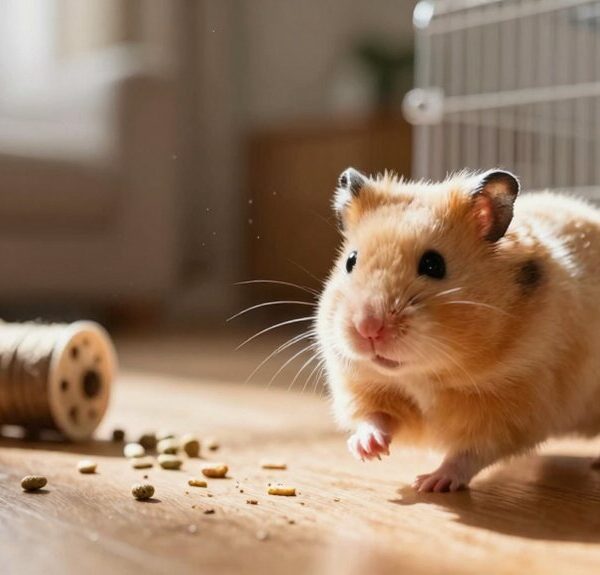
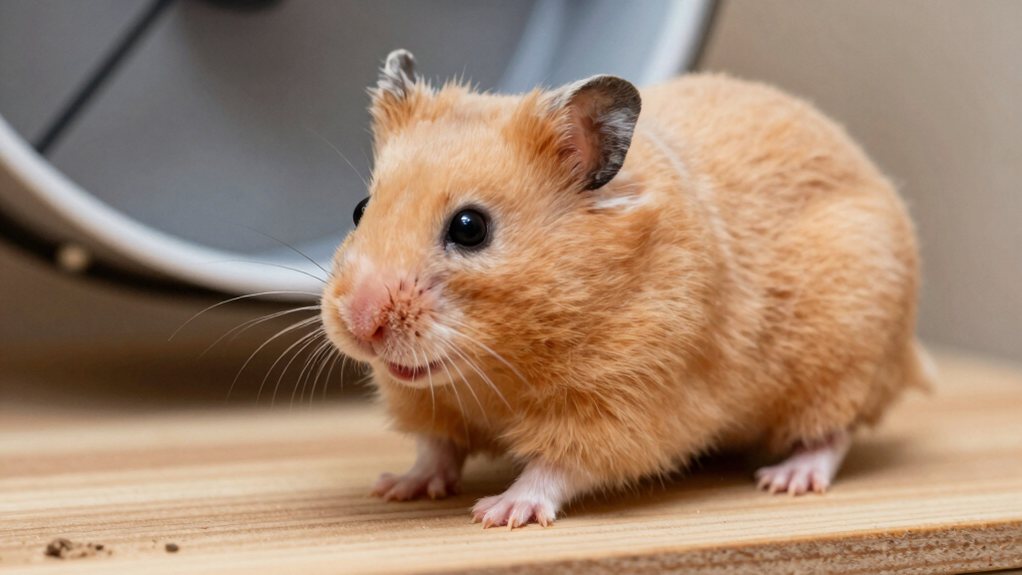
A hamster costs £15-30 to buy, but that’s where the cheap pet myth falls apart. The real monthly hamster ownership costs run £25-60 depending on species, cage size, and whether you’re replacing a chewed wheel for the third time. Most new owners underestimate bedding volume, vet fund needs, and how quickly a Syrian hamster destroys cardboard enrichment.
This breakdown covers what you’ll actually spend each month in 2026, not the optimistic figures pet shops quote. The numbers reflect proper care standards, adequate bedding depth for burrowing behaviour, species-appropriate wheel size, and realistic replacement cycles for consumables.
Key Takeaways
- Monthly hamster ownership costs typically range £25-60 depending on species size, cage dimensions, and enrichment needs
- Bedding is the largest recurring expense at £10-25/month for proper 6-10 inch depth in appropriately sized enclosures
- Syrian hamsters cost more monthly than dwarf species due to larger cage requirements, bigger wheel size, and higher food volume
- Emergency vet fund contributions (£10-15/month) prevent financial crisis when wet tail or respiratory issues strike
- Enrichment rotation and replacement adds £5-10/month but prevents stress-related health problems
Essential Monthly Hamster Ownership Costs
Bedding: The Biggest Line Item
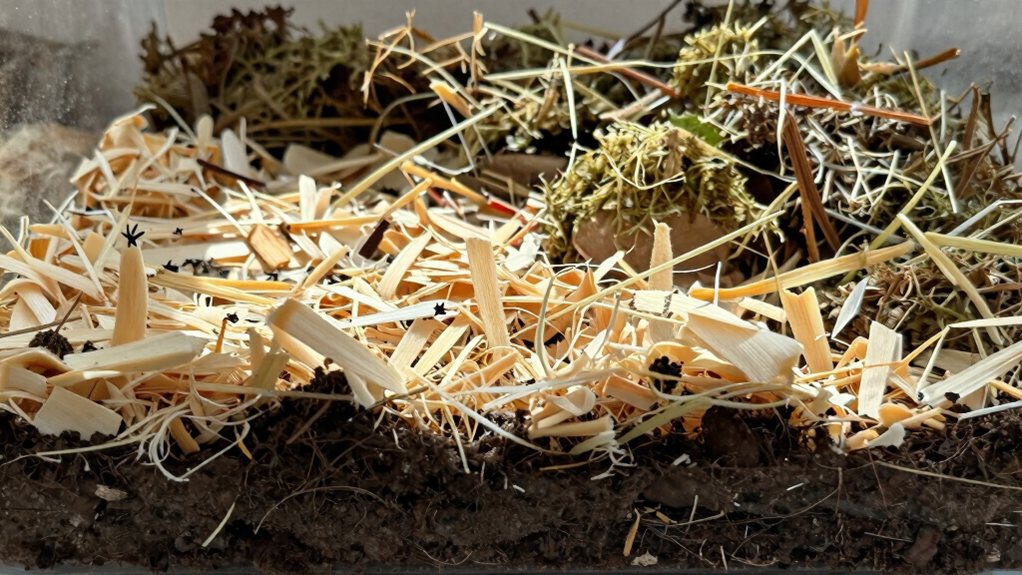
Paper-based bedding runs £10-25 monthly depending on cage size and how often you spot-clean. A Syrian hamster in a 100×50cm enclosure needs 15-20 litres of bedding for proper 8-10 inch depth. That’s roughly one large bag (60L) every 2-3 months, or £8-12 monthly if you buy in bulk.
Dwarf hamsters in smaller enclosures (80×50cm minimum) use proportionally less, about £6-10 monthly. But don’t skimp on bedding depth. Shallow bedding (under 6 inches) prevents natural burrowing behaviour and causes stress.
Aspen shavings cost less (£6-15/month) but compress faster and need more frequent changes. Paper bedding controls odour better and lasts longer between full cage cleans. The upfront cost difference evens out over time.
Spot-cleaning frequency affects monthly costs. Daily removal of soiled bedding in toilet corners extends the main bedding’s lifespan. Weekly spot-cleans can stretch a full change from 3 weeks to 4-5 weeks, saving £3-5 monthly.
Food: Quality Matters More Than Price
Commercial hamster pellets cost £4-8 monthly for a single hamster. A 900g bag of quality pellets (Burgess, Supreme Science Selective) lasts 2-3 months at the recommended 1-2 tablespoons daily for Syrians, or 3-4 months for dwarf species.
Fresh vegetables add £3-6 monthly. Small portions of broccoli, cucumber, carrot, and leafy greens 3-4 times weekly don’t require dedicated shopping trips, most owners use scraps from their own meals. What hamsters love to eat most includes these fresh options alongside their pellet base.
Treats and seed mixes run £2-4 monthly if you’re not overfeeding. A 100g bag of mealworms or a small seed mix lasts 4-6 weeks when used sparingly for enrichment and bonding.
Total monthly food costs: £9-18 depending on species size and whether you buy premium brands or budget options. The difference in pellet quality affects health outcomes, cheap mixes with coloured bits and high sugar content contribute to diabetes in dwarf species.
Hay and Chew Items
Hay costs £2-4 monthly. A small bag of timothy or meadow hay lasts 6-8 weeks. Hamsters don’t eat hay like rabbits do, they use it for nesting material and occasional nibbling. One handful refreshed weekly is sufficient.
Wooden chew toys need replacement every 4-8 weeks depending on your hamster’s chewing intensity. Budget £3-6 monthly for apple wood sticks, willow balls, or cork bark pieces. Hamster teeth grow continuously; inadequate chewing materials lead to overgrown incisors requiring vet intervention (£40-80 per trim).
Cardboard enrichment is essentially free if you save toilet rolls and plain cardboard boxes. But purpose-made cork logs, grapevine wood, and ceramic hideouts last months and cost £5-10 monthly when amortized over their lifespan.
Variable Monthly Hamster Ownership Costs
Wheel Replacement and Cage Accessories
Quality wheels last 6-12 months before bearings fail or plastic cracks. A proper 28cm wheel for Syrians costs £15-25; an 20cm wheel for dwarf species runs £12-18. Amortized monthly: £2-4.
Cheap wheels with bars or mesh running surfaces cause bumblefoot and need immediate replacement, that’s not a monthly cost, that’s a welfare issue. What belongs in a hamster cage includes a solid-surface wheel as non-negotiable.
Water bottles need replacement every 3-4 months when the ball bearing sticks or algae builds up inside the tube. Budget £1-2 monthly. Glass bottles last longer than plastic but cost more upfront (£8-12 vs £3-5).
Food bowls rarely need replacement unless ceramic ones crack. Budget £0.50-1 monthly for this category.
Cleaning Supplies
Vinegar and water for cage cleaning costs pennies. A £2 bottle of white vinegar lasts 6+ months. Pet-safe disinfectants run £4-6 per bottle and last 2-3 months with weekly spot-cleans and monthly deep cleans.
Paper towels, spare cloths, and a dedicated small brush add £2-3 monthly. Some owners use reusable cloths exclusively, dropping this to under £1 monthly.
Sand bath substrate (children’s play sand or reptile sand) costs £3-5 for a 5kg bag that lasts 3-4 months. Monthly cost: £1-2. Dwarf hamsters need sand baths for grooming; Syrians enjoy them but don’t require them for coat health.
Hidden and Emergency Monthly Hamster Ownership Costs
The Vet Fund Reality
Hamsters don’t need routine vet visits like dogs or cats, but when health issues strike, they strike fast. Wet tail, respiratory infections, abscesses, and tumours are common. A single vet visit costs £40-80; treatment runs £60-150 depending on medication and follow-up needs.
Setting aside £10-15 monthly in a dedicated vet fund means you’re not choosing between treatment and rent when your hamster develops a respiratory infection at 2am on a Sunday. Over a 2-year average hamster lifespan, that’s £240-360 saved, enough to cover 2-3 moderate health crises.
Exotic vet specialists charge more than general practices but have better hamster-specific knowledge. The leading cause of death in hamsters is often treatable if caught early and finances aren’t a barrier to care.
Enrichment Rotation and Replacement
Hamsters need environmental changes every 2-4 weeks to prevent boredom and stress. Signs of stress in hamsters include bar chewing, over-grooming, and lethargy, all preventable with proper enrichment rotation.
Budget £5-10 monthly for:
- New cardboard tubes and boxes (free if you save household items)
- Rotating hideouts and tunnels (£3-8 each, bought every 2-3 months)
- Forage mixes and scatter feeding materials (£3-5 per bag, lasts 6-8 weeks)
- Occasional new toys or climbing structures (£5-12 every 2-3 months)
This isn’t frivolous spending. Enrichment directly impacts health. A bored hamster develops stereotypic behaviours that lead to stress-related illness, which circles back to vet costs.
Seasonal and Unexpected Costs
Summer cooling (ceramic tiles, frozen water bottles) costs nothing if you use household items. Winter heating for rooms below 18°C might add £5-10 to monthly energy bills if you run a small space heater near the cage.
Bedding price fluctuations happen. Paper bedding jumped 15-20% in 2024-2025 due to supply chain issues. Building a £10-15 buffer into your monthly budget absorbs these variations without forcing you to switch to inadequate bedding types.
Cage upgrades aren’t monthly costs but happen eventually. Bar spacing issues, discovering your “dwarf” hamster is actually a Syrian, or realizing your cage is too small, these trigger £60-150 one-time expenses that some owners amortize mentally as £5-10 monthly over the cage’s lifespan.
Syrian vs Dwarf: Monthly Cost Differences
Syrian hamsters cost £5-12 more monthly than dwarf species:
Syrian hamsters need:
- Larger cage (minimum 100×50cm vs 80×50cm for dwarfs)
- More bedding volume (15-20L vs 10-15L)
- Bigger wheel (28cm vs 20cm)
- More food (1-2 tablespoons daily vs 1 teaspoon)
- Larger hideouts and accessories
Dwarf hamsters (Winter White, Campbell’s, Roborovski) cost less monthly but:
- Roborovskis need deeper bedding for their intense burrowing behaviour
- Winter Whites are prone to diabetes, requiring careful diet management
- Campbell’s can be more aggressive, potentially needing more frequent enrichment rotation
Syrian vs dwarf hamster differences extend beyond size to behaviour and care needs. The monthly cost difference reflects these practical realities, not just food volume.
Solitary housing for Syrians means one set of supplies. Some dwarf species can live in pairs (Roborovskis, sometimes Winter Whites), which doesn’t double costs but increases them by 60-80%,you need more bedding, food, and space, but not duplicate wheels or water bottles.
Real Monthly Budget Breakdown by Setup Quality
Minimum Adequate Care (£25-35/month)
- Bedding: £10-15
- Food (pellets + fresh veg): £9-12
- Hay and chews: £3-5
- Cleaning supplies: £2-3
- Vet fund contribution: £10
- Enrichment: £0-5 (mostly DIY)
This covers a dwarf hamster in a properly sized cage with basic but appropriate care. It’s not luxury, but it meets welfare standards.
Optimal Care (£40-60/month)
- Bedding (premium paper, deeper layers): £15-25
- Food (premium pellets, varied fresh veg, quality treats): £12-18
- Hay, chews, and natural materials: £5-8
- Cleaning supplies (pet-safe disinfectant): £3-4
- Vet fund contribution: £15
- Enrichment (purchased items, forage mixes): £8-12
This reflects a Syrian hamster in a large enclosure with regular enrichment rotation and premium supplies. It’s what experienced owners typically spend.
Budget Traps to Avoid
Buying tiny cages to save money backfires. A 60×40cm cage seems cheaper (£30-40) than a 100×50cm enclosure (£80-120), but inadequate space causes stress, bar chewing, and health issues. The vet bills exceed the cage savings within months.
Cheap wheels break fast. A £5 wheel lasts 6-8 weeks; a £20 quality wheel lasts 12+ months. The cheap wheel costs more annually (£30-40 in replacements vs £20-25 for one good wheel).
Skipping the vet fund means crisis decisions. When your hamster needs £100 in treatment, you either find the money, use credit, or face impossible choices. Monthly contributions prevent this.
Reducing Monthly Hamster Ownership Costs Without Compromising Care
Buy bedding in bulk. A 140L compressed bale costs £25-35 and lasts 4-6 months for a Syrian, 6-9 months for a dwarf. Per-month cost drops by 20-30% compared to buying small bags.
DIY enrichment from safe household items. Toilet paper tubes, plain cardboard boxes, paper bags stuffed with hay, these cost nothing and provide excellent enrichment. Rotate them weekly to maintain novelty.
Grow your own hamster-safe herbs. A small pot of parsley or basil on a windowsill costs £2 and provides fresh treats for months. This doesn’t replace pellets but reduces fresh veg spending.
Join hamster owner communities for supply swaps. Someone upgrading their cage might sell their old (but adequate) setup cheap. Bulk-buying groups split large bedding orders to access wholesale pricing.
Prevent rather than treat health issues. Proper cage setup, adequate wheel size, correct bar spacing, and appropriate bedding depth prevent most common health problems. What not to do with a hamster includes the mistakes that lead to expensive vet visits.
Don’t cheap out on the wheel or cage size. These are the two items where budget options cause welfare problems. Everything else has acceptable budget alternatives.
What Increases Monthly Costs Over Time
Aging hamsters need more vet care. A 18-24 month old hamster is geriatric. Tumours, dental issues, and mobility problems become common. Monthly vet fund contributions should increase to £15-20 in the final 6 months of life.
Enrichment fatigue requires more variety. A hamster who’s seen the same three hideouts for 18 months needs more frequent new items to maintain interest. Long-term owners spend more on enrichment than new owners.
Cage wear and tear. Plastic bases crack, bar spacing widens from chewing, doors stop latching properly. A cage lasts 3-5 years with good care, but small repairs and eventual replacement are inevitable.
Your own standards increase. Most owners start with adequate care and gradually upgrade to optimal care as they learn more. This is good, it means you’re improving your hamster’s welfare, but it does increase monthly spending by £10-20.
Frequently Asked Questions
How much does a hamster cost per month on average?
Monthly hamster ownership costs average £30-45 for dwarf species and £40-60 for Syrian hamsters when including bedding, food, enrichment, and vet fund contributions. Budget setups run £25-35 monthly but require more DIY enrichment and careful shopping.
What is the most expensive part of monthly hamster care?
Bedding is the largest recurring expense at £10-25 monthly, followed by vet fund contributions (£10-15) and food (£9-18). Proper bedding depth for burrowing behaviour requires significant volume, especially in appropriately sized cages.
Do Syrian hamsters cost more monthly than dwarf hamsters?
Yes, Syrian hamsters cost £5-12 more monthly due to larger cage requirements (more bedding), bigger wheel size, higher food volume, and larger accessories. A Syrian needs 15-20L of bedding monthly versus 10-15L for dwarf species.
Can I reduce monthly hamster costs without harming my pet?
Buy bedding in bulk (saves 20-30%), use DIY cardboard enrichment, grow fresh herbs for treats, and join bulk-buying groups. Never compromise on cage size, wheel quality, or vet care, these “savings” cause expensive health problems.
How much should I budget monthly for hamster vet emergencies?
Set aside £10-15 monthly in a dedicated vet fund. Over a 2-year lifespan, this creates a £240-360 buffer covering 2-3 moderate health crises. Single vet visits cost £40-80; treatment for wet tail or respiratory infections runs £60-150.
Does hamster bedding really need to be that deep?
Yes. Hamsters are burrowing animals requiring 6-10 inches of bedding depth for natural behaviour. Shallow bedding (under 6 inches) causes stress, stereotypic behaviours, and health issues that lead to vet costs exceeding any bedding savings.
Conclusion
Monthly hamster ownership costs in 2026 run £25-60 depending on species, cage size, and care standards. Bedding, food, and vet fund contributions form the core budget, with enrichment and replacement items adding variable costs. Syrian hamsters cost more than dwarf species due to size requirements, but both need proper investment to prevent stress-related health issues.
The “cheap pet” reputation ignores reality. Adequate care requires consistent monthly spending, and cutting corners on cage size or bedding depth creates expensive problems. Budget £30-45 monthly for dwarf hamsters, £40-60 for Syrians, and adjust upward as your hamster ages or your care standards improve.
Start by calculating your specific setup costs: measure your cage, determine bedding volume needed for 8-10 inch depth, choose quality pellets, and commit to monthly vet fund contributions. Track spending for three months to establish your baseline, then adjust enrichment and supply choices based on what your hamster actually uses.
The hamsters who thrive are the ones whose owners planned for real costs, not pet shop estimates. Your monthly budget directly determines your hamster’s welfare, make it adequate from day one.