If your hamster’s chomping the cage bars, hiding more than usual, or acting grumpy when you try to pet them, they might be stressed. You might notice less eating, more chewing, or even a messier cage than normal, like droppings in odd spots or shredded bedding everywhere.
They could be restless at night or extra still during the day. Sound familiar? These quirks often mean your tiny friend’s feeling overwhelmed, and a few cozy tweaks could help them bounce back. There’s more to uncover about helping them thrive.
What Causes Stress in Hamsters?

Ever wonder why your hamster suddenly starts zooming around the cage like it’s late for a very important date? Well, stress might be the sneaky culprit. Hamsters are super sensitive to noise. Loud sounds like music or shouting can really rattle them.
Even constant background noise from a TV or vacuum can make them anxious.
That is why noise sensitivity is a big deal.
Also, while hamsters aren’t super social, they still need gentle interaction. Too much social isolation can leave them feeling lonely or stressed. You wouldn’t want to be stuck alone all day, right?
Make sure your little buddy gets quiet time in a calm space and a few minutes of your attention daily.
A peaceful environment and a little love go a long way. Keep things chill, and your hamster will thank you. Probably with a happy wheel sprint instead of a stress dash.
Cage setup plays a crucial role in mental health, and a cramped or unstimulating environment can lead to cage rage, a condition marked by hyperactivity and agitation due to unmet natural instincts.
Chewing Bars or Overgrown Teeth: A Stress Signal?
Why do some hamsters chew on their cage bars like they’re trying to escape a tiny prison?
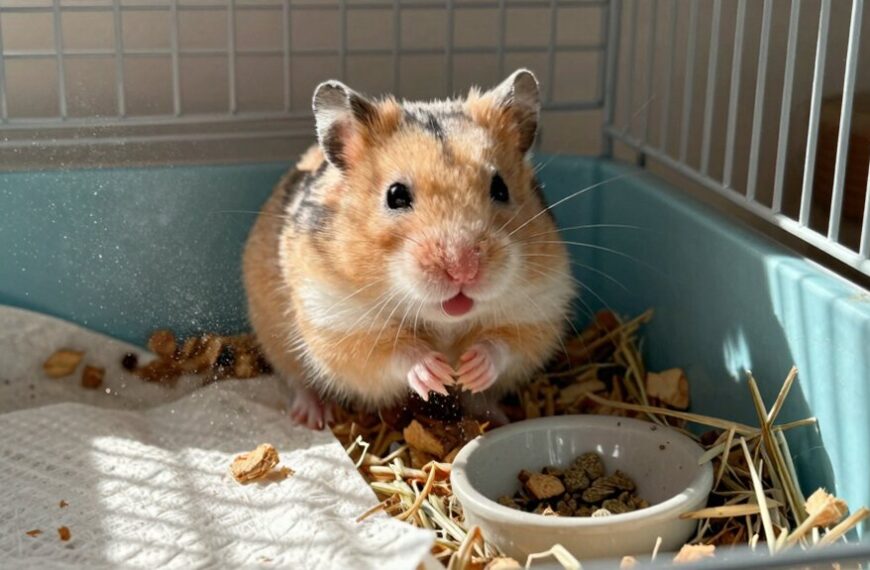
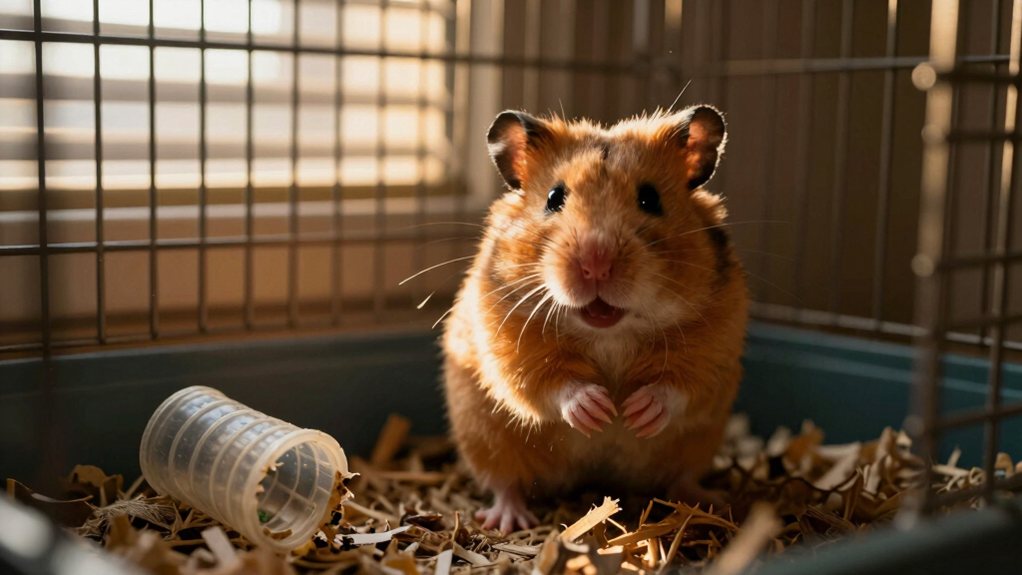
Well, bar biting can be a sign of stress, especially if your hamster’s feeling bored or cramped.
While chewing helps wear down their ever-growing teeth, constant bar biting isn’t healthy.
Chewing is natural, but endless bar biting? Not so much—it can lead to dental woes and stress. Time for safer, happier chew options!
It can lead to overgrown teeth or even tooth grinding from jaw strain.
That grinding sound? It’s not always a happy hum.
Sometimes it means discomfort or anxiety.
Instead of scolding your little escape artist, try enriching their space with chew toys, tunnels, and more playtime outside the cage.
Redirecting that energy helps prevent dental issues and eases stress.
Think of it like giving them a chew toy spa day, fun and functional!
So if you spot bar biting, don’t panic.
Just tweak their environment, keep an ear out for odd tooth grinding, and show your hamster some extra love.
A lack of mental stimulation can lead to repetitive behaviors like bar chewing, especially when combined with an unvaried environment.
Sudden Aggression: Is Your Hamster Stressed?
You’ve probably seen your hamster happily munching on a chew toy or zipping through a tunnel like a furry little racecar.
But what happens when that sweet ball of fluff suddenly nips at your hand or hisses like a tiny grumpy cloud?
Sudden aggression can be a clear sign your hamster is stressed.
Even normally calm hamsters might show territorial behavior when they feel threatened or overwhelmed.
Environmental changes, like a new cage, loud noises, or even a different bedtime routine, can spook them.
Imagine someone rearranging your room while you’re napping; not cool, right?
Your hamster feels the same.
Give them time to adjust, and avoid sudden handling.
Stay calm, speak softly, and offer treats to rebuild trust.
A little patience goes a long way with these tiny, dramatic drama queens.
Biting or scratching during handling is often linked to defensive behaviors triggered by fear rather than true aggression.
Hiding or Lethargy: Withdrawal as a Stress Sign
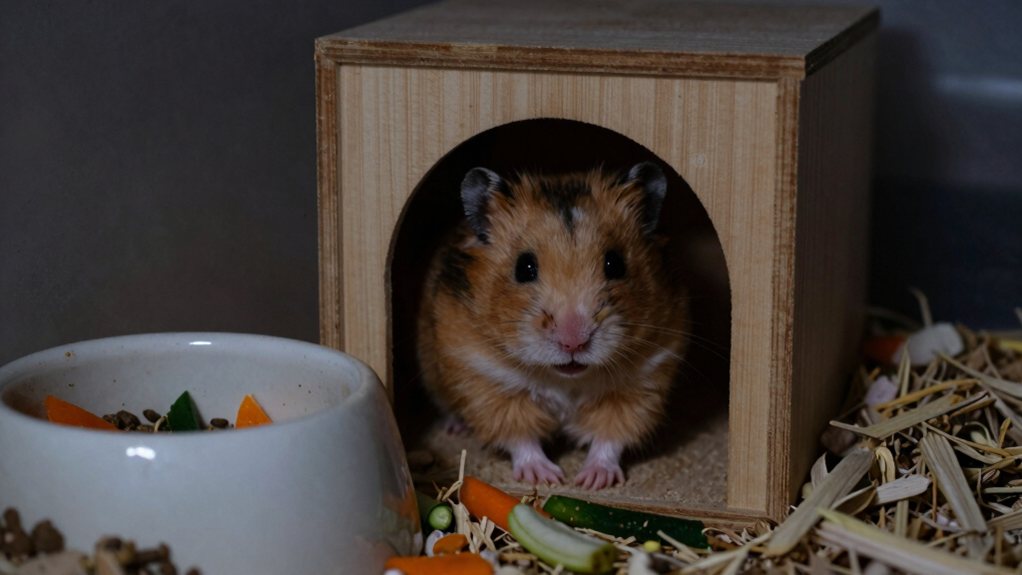
What’s going on when your hamster vanishes into the deepest corner of the cage and barely moves all day? It might be more than just napping. Hiding or acting lethargic can be a clear sign your little buddy is stressed.
Vanishing into the corner and barely moving? It might not be nap time—your hamster could be stressed and in need of some peace and care.
You might notice they’re skipping playtime, ignoring treats, or even piling up food hoarding like they’re prepping for hibernation. While nesting behavior is normal, excessive hiding or refusing to come out could mean something’s off.
Maybe the cage is too loud, the temperature’s wrong, or they’re feeling overwhelmed.
It’s like they’re saying, “I need a timeout!” Keep an eye on their routine. If your hamster’s acting more like a hermit than a hamster, it’s time to check their environment and maybe offer some quiet cuddle time.
Chronic stress can also lead to serious health issues, including heart disease, which is a leading cause of death in older hamsters.
You’ve got this—your care makes all the difference.
Eating Less, More, or Not Drinking? Stress Clues
You might notice your hamster skipping meals or suddenly gobbling way more food than usual, both can be signs they’re stressed.
Sometimes, they’ll even drink less water, which is a red flag if you ask me.
Just like how you might stress-eat a whole bag of chips or forget to eat lunch, your tiny buddy shows it in their own quirky way.
Loss Of Appetite
Ever wonder why your hamster suddenly turns up its tiny nose at the food you offer? Loss of appetite can be a telltale sign of stress, and it’s more common than you’d think.
If you notice food refusal or unexplained weight loss, your little buddy might be overwhelmed. Stress messes with their tiny tummies just like it does ours, except they can’t grab a snack or vent to a friend.
Here’s what to watch for:
- Leftover treats piling up like last week’s homework
- A hamster who once gobbled everything now nibbling half a seed
- Visible ribs or a slimmer frame during cuddle time
Don’t panic. Adjusting their environment often helps. Quiet corners, familiar scents, and gentle routines go a long way.
Your hamster’s not being dramatic. They’re just stressed. A little patience and love can bring back their appetite and their spark.
Sudden loss of appetite can also be an early indicator of more serious health issues, including those associated with end-of-life stages, such as loss of appetite.
Overeating As Symptom
Could your hamster be stress-eating its way through the snack drawer? While some stressed hamsters lose interest in food, others do the opposite. Overeating becomes their go-to comfort move.
Yep, just like us reaching for chips after a rough day, your little buddy might be dealing with food anxiety. If you notice your hamster stuffing its cheeks nonstop or ignoring its wheel in favor of nibbling, it might be more than merely greedy—it could be stressed.
This habit can lead to weight gain, which brings health risks like heart issues or joint strain. Keep an eye on portion sizes and offer distractions like toys or tunnels.
A balanced diet and playtime help reduce stress.
Reduced Water Intake
Just because your hamster isn’t stress-eating doesn’t mean it’s handling things just fine. Sometimes, the signs are quieter, like skipping the water bottle more often than usual.
When your little buddy drinks less, it can lead to dehydration risks and even urinary issues over time.
You mightn’t notice at first, but a dry nose, sunken eyes, or less pee in the cage are red flags.
Your hamster used to lick the water bottle like it’s a juice bar. Now it walks past like it’s closed.
Pee spots in the corner? Fewer than usual could mean trouble.
That bouncy energy? Gone. Dehydration zaps their spark fast.
Don’t wait for a full meltdown. Check the bottle, offer wet veggies, and keep things calm. A sip today keeps the vet away!
Bald Spots and Over-Grooming: Physical Stress
While your hamster can’t tell you when something’s bothering them, their fur might.
If you notice fur loss or bald spots, especially around the back or sides, stress could be the culprit.
Fur loss or bald patches on your hamster, particularly on the back or sides, could be a sign of stress rather than illness
Hamsters under stress often over-groom, licking or scratching themselves raw, which leads to skin irritation and patchy coats.
It’s like when you bite your nails when nervous, except they’re doing it with their fur.
While some shedding is normal, sudden or excessive hair loss isn’t.
Check their cage for stress triggers like loud noises, overcrowding, or a dirty environment.
Also, rule out mites or allergies. Your vet can help.
Keep their space calm, clean, and cozy.
A happy hamster is a fluffy one.
So, if your little buddy looks a bit thin on top, don’t panic.
Just pay attention, make adjustments, and maybe offer extra treats. You’ve got this.
Nighttime Hyperactivity or Sleep Changes

Ever wonder why your hamster kicks into turbo mode the second you’re trying to fall asleep?
While hamsters are naturally nocturnal, sudden nighttime hyperactivity might be more than just routine—it could be stress.
If your little buddy starts frantic nocturnal pacing or seems restless instead of sleeping, it’s worth paying attention to.
Sleep disruption isn’t just annoying for you; it can harm your hamster’s health too.
- Your hamster zipping around the cage at 2 a.m. like it’s training for the Hamster 500
- Unusual stillness during the day, a sign they’re not resting well at night
- Chewing bars or repeating paths, classic signs of stress-driven behavior
Keep their space calm and predictable.
A quiet corner, cozy hideout, and regular playtime can help balance their rhythm, and maybe let you sleep too.
Digging, Escaping, or Cage Chewing
When your hamster starts turning the cage into an escape room, it’s more than just cute chaos. It might be a cry for help.
If you catch your little buddy digging nonstop, gnawing at bars, or trying to scale the walls, stress could be the culprit. Hamsters dig and chew when they’re anxious, especially if their environment feels too small or boring.
Nonstop digging, bar gnawing, or wall climbing? Your hamster might be stressed—often a sign their space is too small or boring.
While some digging ties into natural nest building or food hoarding, excessive behavior is a red flag.
Maybe the cage needs more space, or perhaps your furry escape artist just needs more toys and tunnels to keep busy.
Think of it like a tiny roommate redecorating, except they’re stressed, not redecorating.
Give them enrichment, like cardboard tubes or chew toys, and watch the Houdini acts drop off.
You’ll both breathe easier, especially when they’re napping peacefully instead of plotting their next great escape.
Chewing cage bars can also lead to dental damage, especially when metal bar chewing occurs frequently and without access to safer alternatives.
Messy Habits: Loss of Litter Training
You know your hamster usually has it all together, using the litter box like a pro. So when you see pee in random corners or poop scattered outside the box, it’s kind of a red flag.
Maybe they’re tossing bedding everywhere or suddenly turning their clean corner into a bathroom.
And yeah, it’s messy, but it’s also their way of saying something’s off.
Stress can make even the neatest hamster a little sloppy, kind of like how you might leave dishes in the sink when you’re overwhelmed.
Changes in bathroom location can signal underlying stress or illness.
Litter Box Neglect
Could your hamster’s suddenly turning into a tiny, furry rebel refusing to follow the rules of potty time? Litter box neglect might be more than just a messy phase, it could signal stress. When your usually tidy pet starts showing litter box avoidance, it’s a red flag.
You might notice droppings scattered around the cage or a clear hygiene decline, even if the litter box is clean.
Your hamster may pee in corners instead of their designated spot, like they’re boycotting the system.
They might sleep near their mess, which is so not on-brand for a clean freak.
Or they’ll dig everywhere except the litter area, turning the cage into a construction zone.
Don’t panic. This behavior often improves once stressors, like noise or cage changes, are reduced.
Keep calm, clean gently, and give your little buddy space to readjust.
A consistent bathroom routine is natural for hamsters, and disruptions may indicate a shift from their instinctive routines.
Scattered Bedding Clues
Ever wonder why your hamster suddenly turned their cozy home into a tornado zone? If you’re seeing bedding displacement or total nest disruption, stress might be the culprit. Normally tidy hamsters can start flinging shavings everywhere when they’re anxious. It’s like they forget their litter training and go, “Out with the rules!”
This messy behavior isn’t just quirky. It’s a cry for help. Something in their environment might be off: loud noises, a new pet, or even a change in routine.
While a little rearranging is natural, constant scattered bedding clues signal unease.
You know your little buddy best. If their zen den turns into a chaos zone overnight, take a closer look. A calm space, quiet time, and a gentle chat might be all it takes to bring back the peace, and the neatness.
Sudden Spot Soiling
Why is your usually tidy hamster suddenly turning their clean corner into a bathroom battlefield?
Sudden spot soiling can be a telltale sign your little buddy is stressed.
Even if they once had perfect litter habits, stress might make them ditch the rules.
It is kind of like how you might snack nonstop when nervous, hello, food hoarding!
Your hamster may start peeing or pooping wherever they pause, even mid-tail chasing marathon.
Spot soiling often pairs with other stress clues, like shredded bedding or ignored toys.
It’s not defiance.
It’s their way of screaming, “I’m overwhelmed!” in hamster language.
Don’t panic!
Check noise levels, cage mates, or recent changes.
A calmer space can bring back both cleanliness and cuddles.
Bedding in the nest should be deep-layered and highly absorbent to help maintain dryness and discourage repeated soiling.
How to Calm a Stressed Hamster
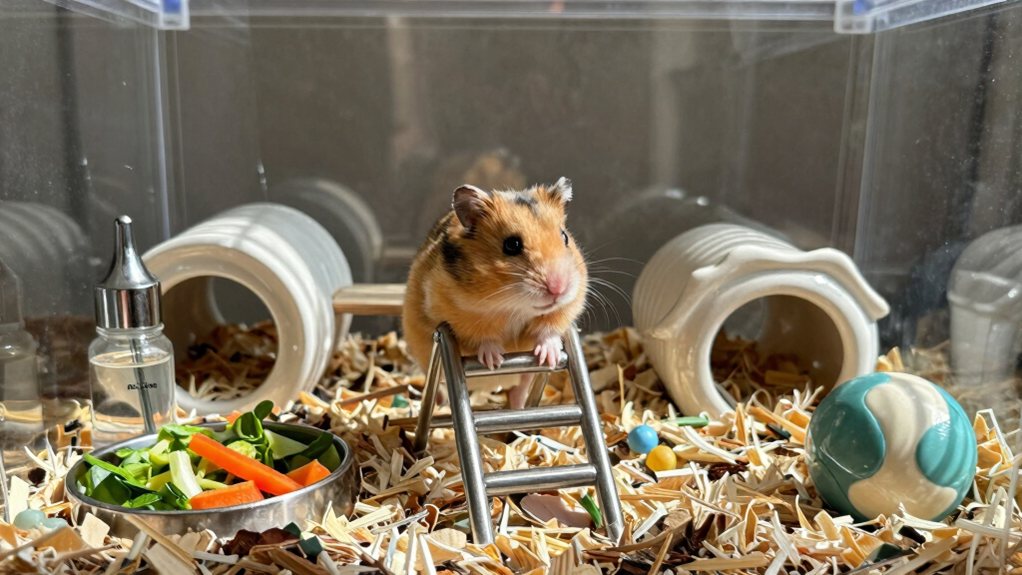
What’s got your little furball all worked up? Stress in hamsters can sneak up fast, but you’ve got the power to help. Start by boosting hamster enrichment, toss in some chew toys, tunnels, or a cardboard castle. A busy hamster is a happy hamster!
Spend quiet time near their cage, talking softly to build trust. Try hand-feeding treats to strengthen your bond, those tiny nibbles are big steps in bonding techniques.
Keep the lights low and noise down, especially at night when they’re most active.
Skip the sudden moves; slow and steady wins the race. A cozy hideout and fresh bedding can work wonders, too.
You’re doing much more than fixing stress, you’re becoming their hero, one yawn and stretch at a time. Stay patient, stay kind, and watch your whiskered buddy relax.
Consider adding BPA-free materials to their environment, such as chew-proof cage covers, to ensure safety and reduce anxiety caused by exposure to harmful chemicals.
Final Thoughts
You know your hamster best, so trust your gut when something feels off. Stress happens, but with a little love, quiet time, and maybe a new hideout or treat, your tiny friend can bounce back fast.
Keep an eye on those quirky habits. Sometimes they’re just hamster drama, but other times, they’re cryin’ out for help. Stay calm, stay kind, and remember: a happy hamster means a happy you!