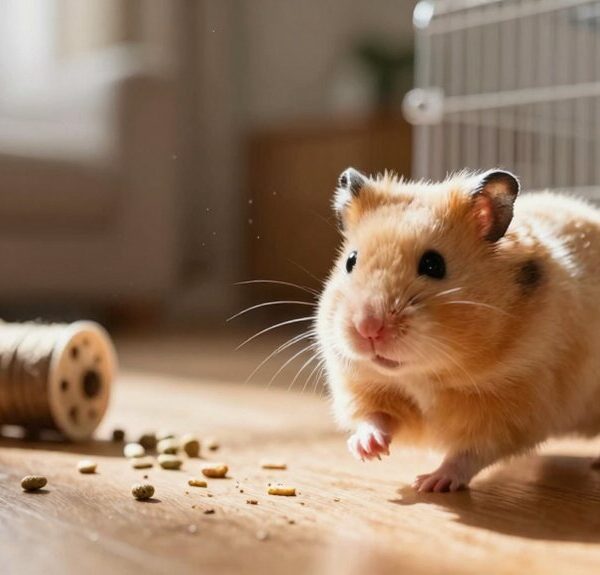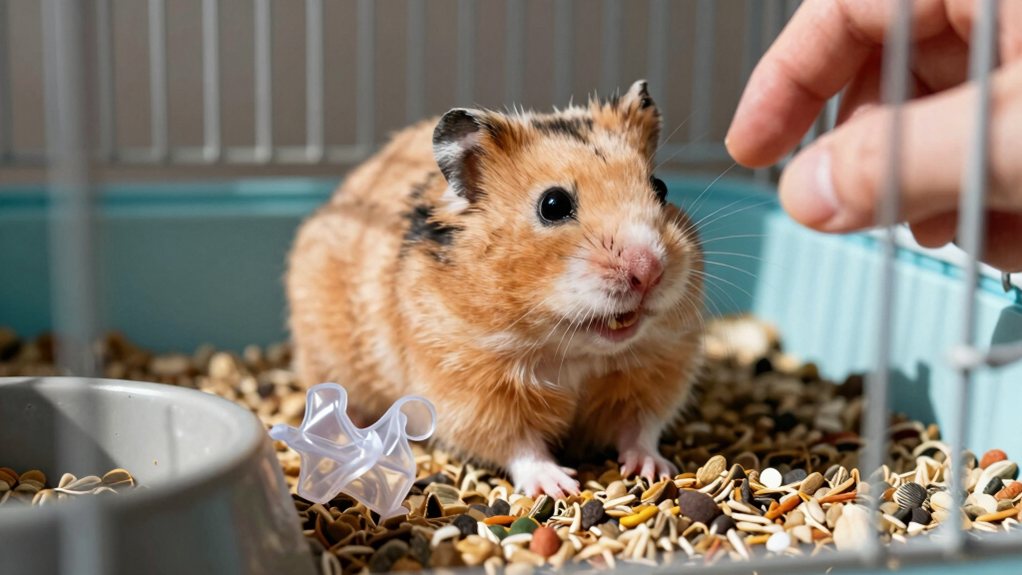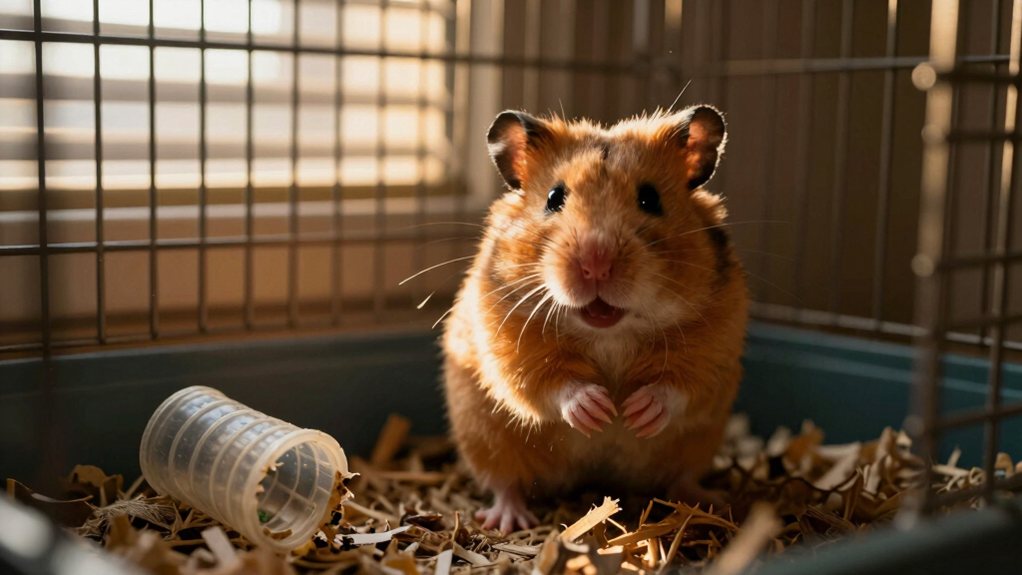
Cage rage isn’t real anger, it’s your hamster’s stressed-out way of saying, “Hey, I need more space and fun in my life!”
If your little buddy’s zooming at 2 a.m., gnawing bars, or acting grumpy, they’re likely bored or cramped.
Small cages and bare setups fuel frustration, not fury.
But don’t worry—simple upgrades like a bigger home, chew toys, and treat puzzles can turn that “rage” into happy, healthy zoomies.
You’ve got this—and we’ll show you how to make things even better.
What Is Hamster Cage Rage?

Ever wonder why your usually chill hamster suddenly starts sprinting in circles like it’s training for the Hamster Olympics or gnawing at the cage bars like they’re made of stale crackers?
That’s probably cage rage, a real thing, even if it sounds like a punk band.
It happens when your tiny furball feels stressed, bored, or cramped.
Hamsters aren’t big on sharing space, so even if you think two can live in harmony, they might be battling silent social tension behind your back.
There’s no hamster hierarchy like in guinea pigs, just solo stars who want their own stage.
Without enough room, toys, or downtime, your pet can get overwhelmed fast.
You wouldn’t want to live in a closet with no Wi-Fi, right?
Give your hamster space, chew toys, and quiet time.
A happy hamster isn’t plotting escape, it’s napping in a cozy nest, dreaming of sunflower seeds.
This mental distress, often mistaken for anger, is closely tied to unmet natural behavioral needs in captivity.
Signs Your Hamster Has Cage Rage
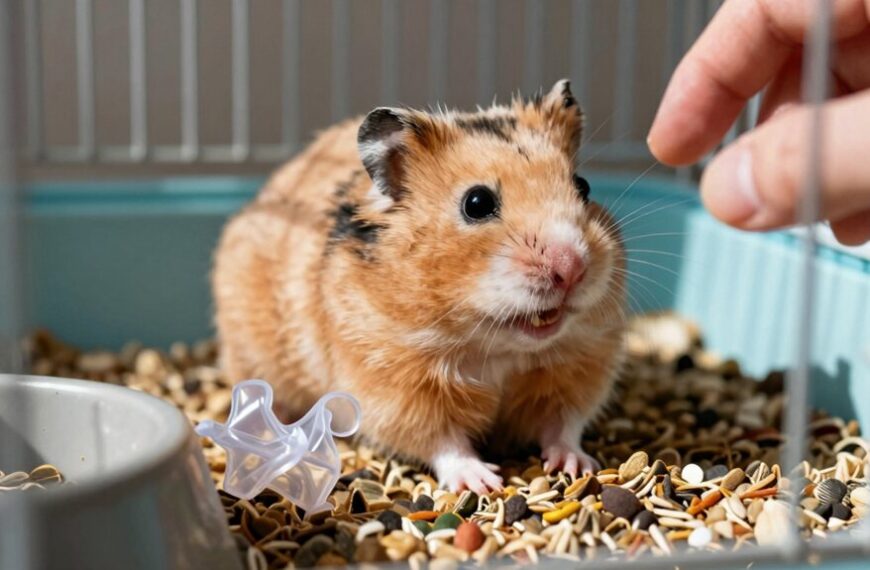
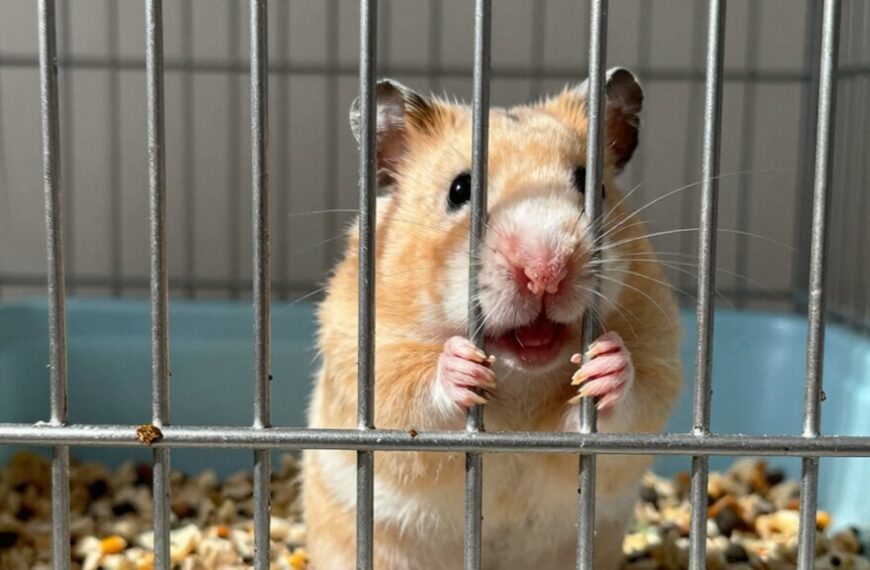
What’s going on when your hamster turns into a tiny, wired tornado at 2 a.m.? It might be cage rage. If your little buddy’s gnawing bars nonstop, biting the cage door, or acting extra grumpy during playtime, those are red flags. Hamsters are usually chill, so sudden aggression or frantic pacing means something’s off.
Even in a solo setup, your pet can feel social stress, like they’re stuck in a never-ending hamster hierarchy with no escape. They don’t have a squad to bond with, yet their instincts scream for space and control.
Add a cramped cage or boring toys, and boom: frustration builds.
You might catch them flipping out for no reason or refusing treats. These are classic signs they’re overwhelmed.
Don’t sweat it, though. A bigger cage, fun tunnels, and daily cuddle time can calm the chaos. You’ve got this, and so does your stressed-out furball.
Providing appropriate chew toys helps manage both dental health and stress-related behaviors, especially when you offer durable chew options like manzanita branches or mineral blocks.
Why Small Cages Cause Hamster Stress
You wouldn’t want to live in a closet, so why should your hamster?
When you cram your tiny buddy into a too-small cage, they can’t move around like they need to, which leads to stress and even grumpy “cage rage.”
It’s like being stuck in a tiny office all day with no coffee breaks, nobody would be happy!
Adequate minimum recommended floor space of 450 square inches is essential to support natural behaviors and prevent stress-related issues.
Limited Space Consequences
Why do hamsters start acting out when their world shrinks to the size of a shoebox?
When you cram a curious little explorer into a tiny cage, they can’t help but feel trapped.
Hamsters are naturally active and territorial. Give them too little space, and that instinct goes into overdrive.
They pace, they nip, they might even throw a tiny tantrum.
It’s more than boredom, it’s sensory overload from constant, inescapable stimuli.
No room to run, nowhere to hide. Imagine being stuck in a noisy closet all day!
A cramped cage stresses them out, making even sweet-natured hamsters act grumpy.
You’d be cranky too!
But here’s the good news: a bigger space with tunnels, toys, and room to roam can turn that cage rage into happy zoomies.
Give your hamster breathing room, and you’ll both enjoy a calmer, cozier friendship.
A cage with at least 360 square inches of floor space supports natural behaviors and reduces stress-related aggression.
Restricted Movement Effects
Ever tried doing laps in a closet? That’s basically your hamster’s life in a too-small cage. When space is tight, your little buddy can’t stretch, explore, or even zigzag like they’re meant to. Restricted movement ramps up stress fast, imagine never getting to burn off that post-snack zoom energy.
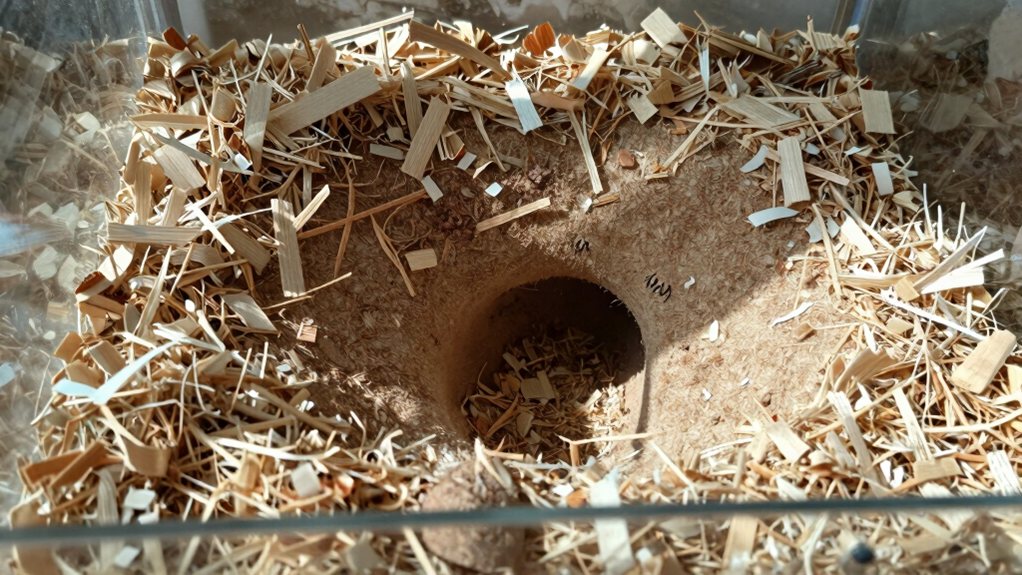
Without room to dig, burrow, or arrange nesting materials, their natural instincts go unmet. It’s like being grounded forever, but fluffier.
Social isolation doesn’t help, even though hamsters are loners by nature, they still crave mental stimulation. A cramped cage dulls their world, turning vibrant explorers into bored, anxious furballs.
You might see them bar-gnawing or circling nonstop, hamster SOS signals. Give them space to sprint, hide, and nest properly, and you’ll see a happier, calmer pet.
Think big: your hamster’s joy comes in square inches.
Expanding their habitat with modular tunnel systems allows for enriched environments, and systems with snap-together connectors ensure easy, secure assembly for long-term use.
Is Boredom Triggering Your Hamster’s Rage?
What’s really going on when your hamster turns into a tiny, furry tornado of fury? Boredom might be the sneaky culprit. Unlike in a hamster hierarchy where social cues keep things calm, your solo pet faces total social isolation.
No chatter, no cuddles, just you and the silent spin of a dusty wheel.
That loneliness can spark frustration, and before you know it, your sweet ball of fluff is biting the cage bars like it owes him rent.
Without toys, tunnels, or variety, his world feels flat and pointless. Imagine watching the same movie on loop. Yeah, he’s that bored.
But here’s the good news: you’ve got the power to fix it. Swap old toys for new, add cardboard castles, and surprise him with snacks.
A little enrichment goes a long way. Turn that rage into happy zoomies. He’ll thank you with cuteness overload.
Introducing foraging toys can significantly boost mental stimulation and mimic natural behaviors like treat-hunting and exploration.
Do All Hamsters Get Cage Rage?

Not every hamster turns into a grumpy little roommate when stuck in the same old cage.
While some go full drama queen over a missing chew toy, others stay chill no matter how small their space.
Why? It often comes down to genetic predisposition, some hamsters are just born with a feistier vibe.
Think of it like your friend who hates small talk versus the one who chats with everyone.
Social interaction or lack of it also plays a role.
Hamsters that get regular, gentle handling and fun toys tend to stay happier and less bitey.
But even the sweetest ham can snap if bored or stressed.
So, while cage rage isn’t universal, it’s smart to keep your tiny buddy entertained.
Rotate toys, offer tunnels, and talk to them, yes, they notice!
You’re not just preventing rage, you’re building a tiny, furry friendship.
How Enrichment Stops Aggressive Behavior
Why do some hamsters go from sweet to sour when their world feels too small?
It’s often because they’re bored or stressed, like being stuck in a tiny apartment with nothing to do!
The good news? Enrichment can turn grumpy back into giggly.
By boosting environmental complexity and adding social interaction (on their terms, of course), you give your hamster mental and physical outlets.
Think of it as a fun upgrade to their daily routine.
Try these four simple ideas:
- Rotate chew toys weekly to spark curiosity.
- Add tunnels and climbing structures for adventure.
- Offer foraging toys filled with treats for brain games.
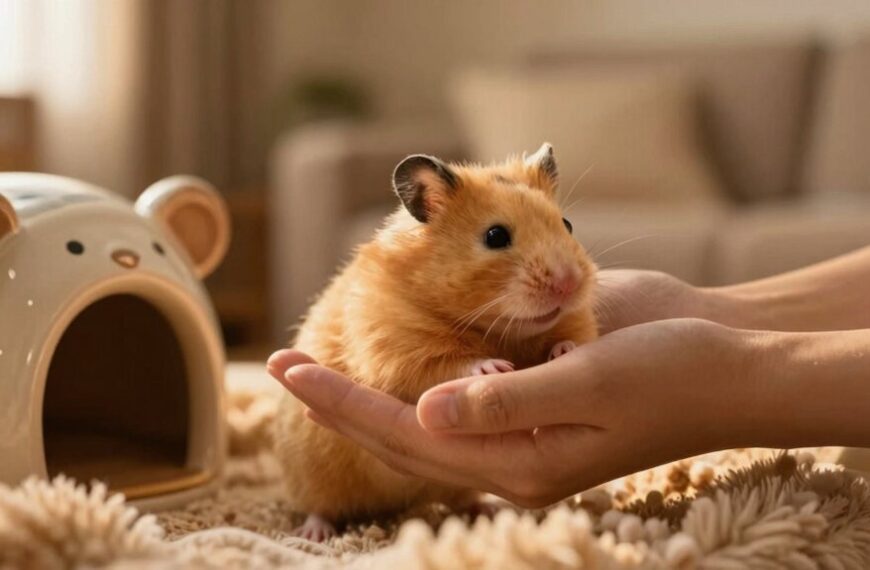
- Gently hand-feed to build trust and bond.
You’re more than merely decorating a cage.
You’re building a happier home.
A little creativity goes a long way in calming aggressive behavior and bringing back those adorable, cheek-pouch smiles.
Best Toys To Prevent Hamster Cage Rage
You know your hamster means well, but when they’re zooming at 2 a.m. or chewing the bars, it’s a sign they need more fun stuff in their cage.
Grab chew toys to help them de-stress, an exercise wheel to burn off that endless energy, and a puzzle feeder to keep their clever little brain busy.
Think of it like a gym, spa, and game night all rolled into one. Because even tiny rodents deserve a happy hour.
A great way to support both dental health and mental stimulation is by choosing chew toys made from 100% natural materials, which are safe, non-toxic, and ideal for satisfying your hamster’s instinct to gnaw.
Chew Toys For Stress Relief
While your hamster mightn’t be throwing tiny tantrums, maybe a little, those constant cage bars gnawing and frantic wheel sprints can signal stress, aka the early signs of “cage rage.”
That’s where chew toys come in. They’re more than just fun distractions but as essential tools to keep your little furball mentally happy and emotionally balanced.
Try these stress-busting picks:
- Apple wood sticks – Safe, natural, and perfect for satisfying gnawing urges.
- Cardboard rolls – Easy DIY option; swap them often for fresh chew toy rotation.
- Unvarnished pine blocks – Durable and safe, as long as they’re free of chemicals, natural material safety first!
- Hay-based chew balls – Tasty and therapeutic, double win.
Rotate them weekly to keep things exciting. Your hamster mightn’t thank you in words, but the happy nibbling? That’s hamster praise.
Chewing on peach wood sticks provides extra-long-lasting dental wear and helps reduce stress through extended, satisfying gnawing sessions.
Exercise Wheels For Energy Burn
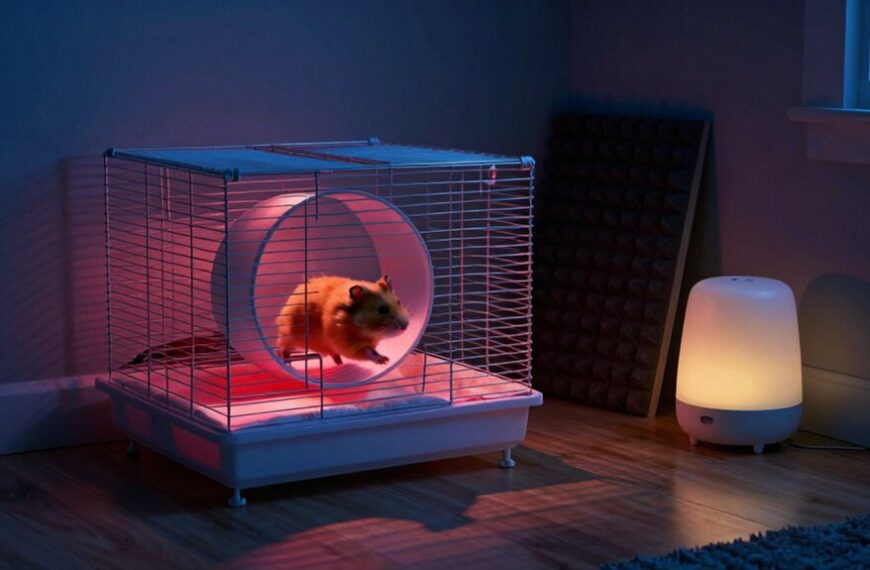
When your hamster turns into a tiny, furry marathon runner at 2 a.m., it’s more than just showing off. Those late-night sprints are a sign they’ve got energy to burn, and you’ve got the power to help. Since hamsters are nocturnal, their activity peaks at night, so an exercise wheel isn’t just a toy—it’s a must-have.
A good wheel lets them run safely and happily, helping prevent cage rage caused by pent-up energy. Look for one with wheel safety in mind: solid surfaces (no wire rungs that can hurt little feet) and a size that lets your hamster run with a straight back—no hunching!
An 8-12 inch wheel usually works.
Let them sprint, spin, and tire themselves out guilt-free. You’ll sleep better knowing they’re busy being tiny athletes instead of chewing the bars out of boredom. Win-win.
Interactive Puzzles For Mental Stimulation
Ever wonder what your hamster’s thinking as they stare at the same old cage setup?
Probably something like, “Another day, another sunflower seed?”
You can spice things up—literally—with interactive puzzles that turn snack time into brain time.
These little games fight boredom and help prevent cage rage by encouraging foraging games and sensory exploration.
Think of it as hamster homework, but way more fun.
Try these easy DIY or store-bought ideas:
- Cardboard maze with hidden treats – maze + snack hunt = win
- Puzzle feeder balls – roll it, nudge it, snack it
- Toilet paper roll foragers – stuff ‘em with goodies for sensory exploration
- Layered treat boxes – like a tiny hamster jack-in-the-box
You’ll see your pet perk up, dig in, and maybe even do a happy hop.
Who knew mental workouts could be this cute?
A great way to boost engagement is by choosing toys that promote problem-solving and foraging, which are proven to support mental health in small pets.
Ideal Cage Size For A Happy Hamster

Let’s face it, your hamster might be small, but that doesn’t mean he wants to live in a shoebox, even if it’s the world’s tiniest gym.
For real happiness, aim for at least 450 square inches of floor space. Bigger is always better.
A roomy cage means your little buddy can zoom, dig, and explore without stress.
When you go big, you’ve got room for smart cage customization: add tunnels, hideouts, and a solid-wheel runway.
This isn’t just decor, it’s habitat harmony.
A balanced setup keeps your hamster mentally and physically healthy.
You wouldn’t want to nap, snack, and sprint all in the same closet, right? Neither does he.
Skip the pet-store “starter” cages, they’re way too cramped.
Give your fuzzy pal space to thrive, and you’ll see more happy cheek-stuffing and less cage rage.
Trust us, both of you’ll sleep better.
When To Upgrade Your Hamster’s Habitat
So, how’s your hamster’s current setup working out, still playing real estate agent showing the same tiny plot every day?
If your little buddy’s acting restless or ignoring their wheel, it might be time to upgrade.
Here’s when to level up:
Your hamster’s outgrown the space. No room to stretch or explore? Time for a bigger habitat.
You’ve maxed out cage customization. No more spots for tunnels or hideouts? Bigger digs mean more fun.
Boredom’s setting in. Chewing bars or zoning out? Habitat rotation helps, but only in a spacious cage.
You’re adding friends. Never house hamsters together unless they’re siblings and even then, it’s risky.
Upgrading isn’t just about size. It’s about joy.
A roomier home means more adventures, less stress, and fewer “cage rage” meltdowns.
Your hamster’s not asking for a mansion. Just a cozy, changeable space to thrive.
Consider adding chew-proof bar covers to protect both the cage structure and your hamster from injury during enthusiastic gnawing sessions.
How To Create A Calm Space For Your Hamster
What if the secret to a happy hamster isn’t more toys or bigger wheels, but simply peace and quiet?
You can make a real difference by choosing a quiet placement for the cage, away from loud TVs, barking dogs, or slamming doors.
Place the cage in a quiet spot—away from loud noises—to create a peaceful, stress-free haven your hamster will love.
Hamsters are sensitive, and constant noise stresses them out.
Place the habitat in a calm corner with natural lighting, like near a window, but not in direct sun.
No one likes a hamster sauna.
Let gentle daylight help regulate their sleep cycle.
Add soft bedding, a cozy hideout, and maybe a cardboard tunnel or two.
Keep the area low-traffic so your little buddy feels safe.
Think of it as their zen den.
A calm space doesn’t mean boring.
It means comfort with a side of adventure.
You’ll both breathe easier knowing they’ve got their own peaceful retreat.
Sweet dreams, tiny friend.
Final Thoughts
You’ve got the power to turn your hamster’s tiny world into a happy one. Cage rage isn’t just drama, it’s a cry for space and fun.
But hey, with a bigger cage, cool toys, and a calm spot to chill, you’ll have a much calmer, cheekier pal. Small changes make a big difference. Your little buddy might not send thank-you notes, but trust us, they’ll show it, by nipping less and napping more.