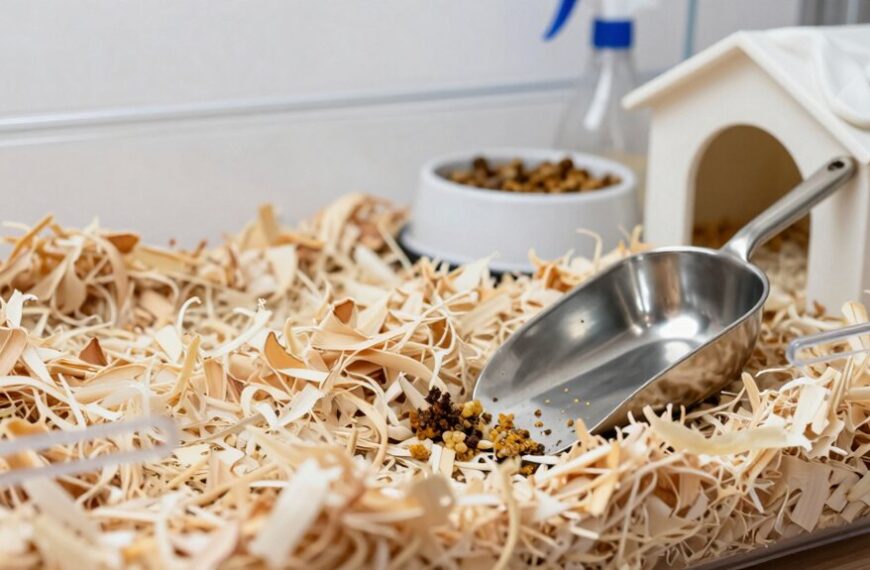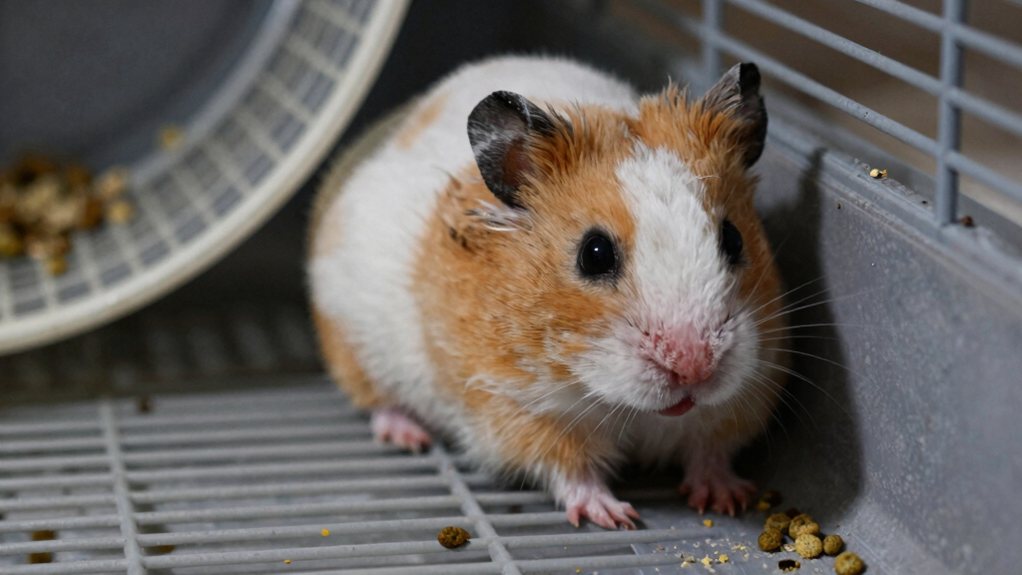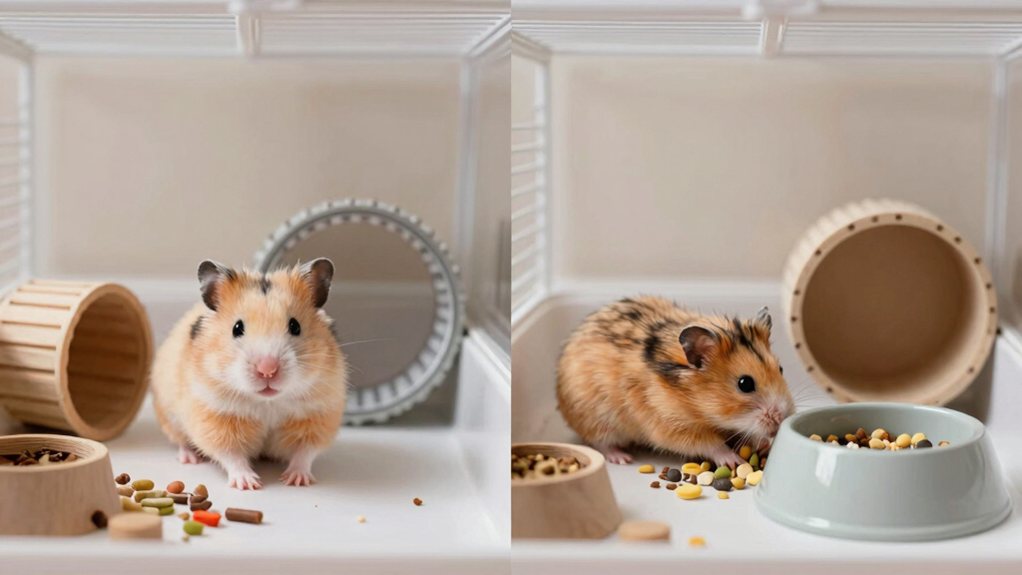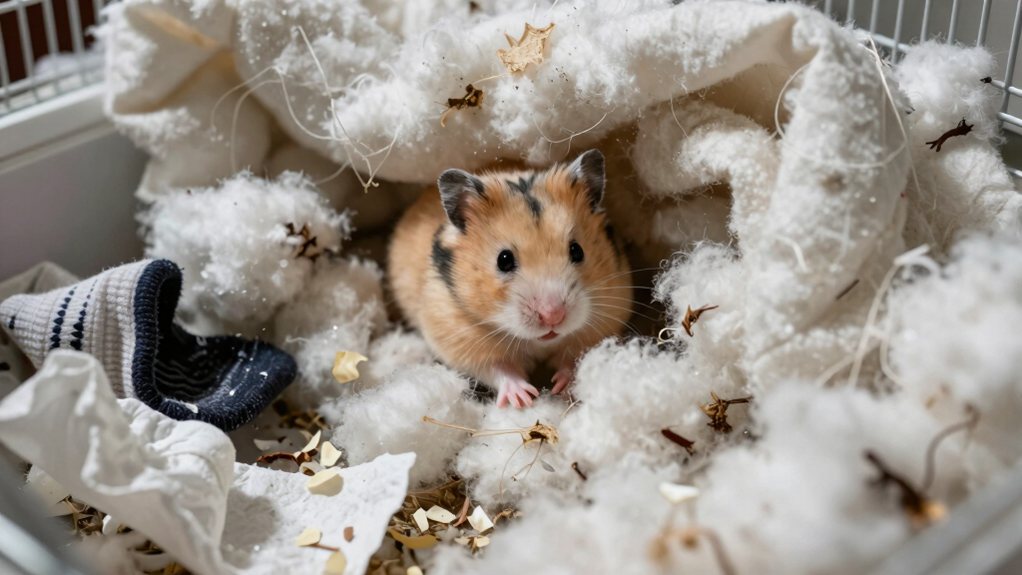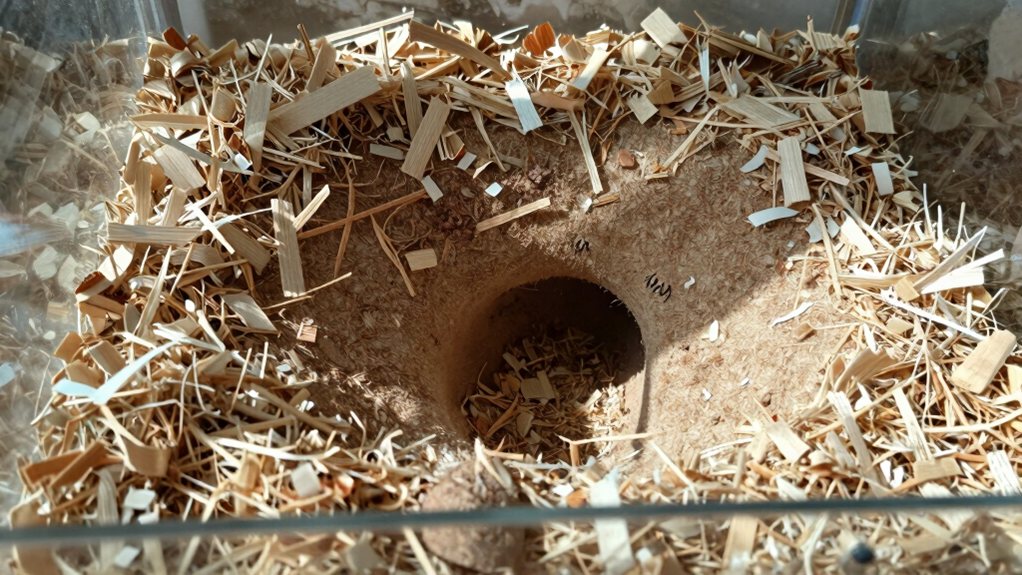
You’ll want to give your hamster at least 6–8 inches of bedding, think of it as their personal underground playground. This depth lets them dig, tunnel, and nest like they would in the wild, keeping them happy and out of trouble.
Too shallow, and they might start chewing bars out of boredom. Just don’t go over 8 inches unless your cage is built for it, or things can get damp and messy. You’re building a cozy burrow empire, after all and there’s more to get right than just depth.
How Deep Should Hamster Bedding Be? The 6–8 Inch Rule
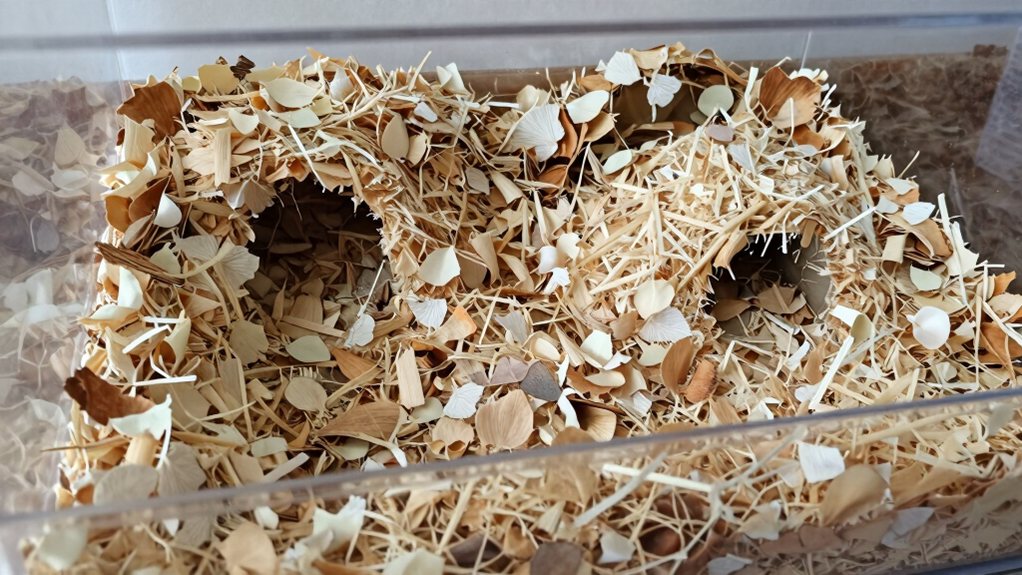
Let’s clear up a common mix-up right away. Despite what you might’ve heard, your hamster doesn’t need a bedding fortress six to eight inches deep. That much bedding can actually overwhelm your tiny buddy and trap moisture, leading to mold or discomfort.
Skip the bedding fortress—6 to 8 inches is overkill. Too much can trap moisture, cause mold, and overwhelm your tiny pal. Less is more when it comes to comfort and safety.
Most experts agree that 2–3 inches is plenty. Enough for cozy nesting habits without the drama.
You want soft, safe bedding texture that’s easy to dig and fluff into a snug nest. Think shredded paper or aspen shavings, not dusty or clumping stuff.
Your hamster’s not building a bunker. They’re crafting a snug little hideaway.
And honestly, watching them tunnel and rearrange is half the fun. Just keep it clean, dry, and comfy. A little depth goes a long way. No need to go overboard.
Your furry friend will thank you with happy squeaks and maybe a cheek-stuffed smile.
Adequate bedding depth supports natural burrowing behavior, which is essential for both physical activity and mental stimulation in hamsters, helping to prevent stress and encourage instinctual digging and tunneling.
Why 6–8 Inches Is Essential for Hamster Well-Being
You know your hamster loves to dig, so giving them 6–8 inches of bedding lets them burrow like they’d in the wild. It’s more than just for fun.
This depth keeps them happy, safe, and mentally stimulated.
Think of it as their cozy underground apartment, complete with tunnels and secret snack stashes!
Natural Burrowing Behavior
Even though your hamster might look like a tiny, fluffy potato with a mission to stash sunflower seeds in your shoe, they’ve got serious instincts wired deep inside, especially when it comes to digging.
In the wild, your little buddy spends hours tunneling through soil, creating a hidden network that keeps them safe and warm. That’s why nesting instincts run strong, even in your living room cage.
You’re more than simply giving them bedding; you’re helping them build a mini underground kingdom. With 6–8 inches, they can dig deep and design real tunnel complexity, more than merely scratch at the surface.
It’s how they relax, explore, and feel in control. Without enough depth, they get stressed and bored, no fun for you or them.
A soft, pillowy-soft texture supports natural burrowing behavior and ensures comfort while tunneling.
Optimal Bedding Depth
While your hamster may seem perfectly happy nibbling a seed or sprinting through their wheel, they’re also born with a serious case of digger’s ambition.
For proper burrowing and overall well-being, aim for 6–8 inches of bedding. This isn’t overkill, it’s crucial! Here’s why:
- Mimics natural habitat – In the wild, hamsters dig deep tunnels for safety and comfort.
- Supports nocturnal digging – Your little night owl stays busy and content when they’ve got room to tunnel.
- Regulates bedding temperature – Deeper layers help trap warmth and create cozy, stable microclimates.
- Reduces stress – A deep setup lets them hide, nest, and feel secure.
You’re not merely adding fluff.
You’re building a tiny underground paradise.
Is 8 Inches Too Much? When More Bedding Backfires
Could your hamster’s bedding be *too* cozy? While deep bedding encourages natural burrowing, 8 inches might actually backfire. When bedding gets packed down too tightly, it leads to compaction, making it hard for your hamster to dig and breathe.
Thick layers can also cause ventilation issues, trapping moisture and ammonia from waste, which isn’t great for your little buddy’s lungs. Think of it like sleeping under too many blankets. It might feel nice at first, but soon it’s stuffy and uncomfortable.
You want a happy medium: cozy but safe. Stick to 6–7 inches max, especially in well-ventilated cages. Fluff the bedding regularly to prevent dense spots.
Your hamster will still get plenty of tunneling fun without the risks. After all, a healthy, happy hamster is one that’s digging joyfully, not struggling in a fluff avalanche!
Choosing a Deep-Base Cage for Natural Burrowing
You’ve got the bedding depth just right, 6 to 7 inches of fluffy, diggable comfort.
So now let’s talk about where that cozy setup lives: the cage itself.
A deep-base cage isn’t just a luxury, it’s a burrower’s dream come true.
To keep your little digger happy and safe, consider these must-haves:
- At least 12 inches of base depth, lets your hamster tunnel like they’re training for the underground Olympics.
- Excellent cage ventilation, no stuffy tunnels; fresh air keeps your pet healthy and the smell down.
- Secure bars or solid walls, for serious escape prevention; these furballs are Houdini’s distant cousins.
- Easy access for cleaning, because nobody wants to dig for lost sunflower seeds mid-spring clean.
Pick wisely, and you’ll have a happy, tired hamster.
And fewer midnight escape attempts.
A deep, well-ventilated cage with a pull-out tray simplifies maintenance while supporting natural burrowing behaviors.
Best Bedding Materials for Deep Burrows
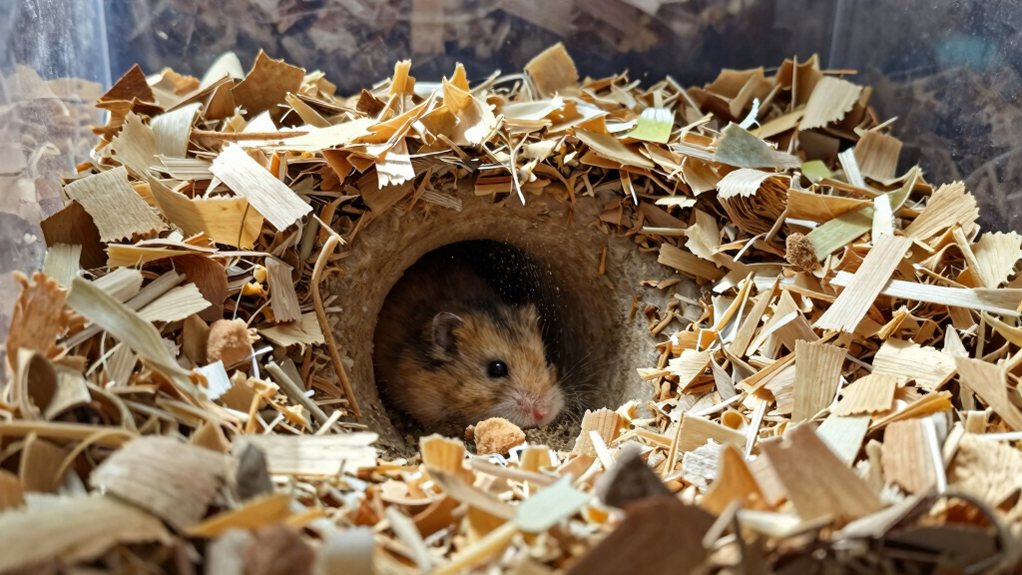
You’ll want to pick bedding that’s safe and cozy for your hamster’s deep burrows. Soft paper-based options are gentle on little paws and super absorbent, plus they’re less likely to cause sneezing.
If you go with wood shavings, stick to safe choices like aspen, not cedar or pine, because those can irritate your pet’s lungs.
Think of it like picking the perfect pillow—your hamster deserves a comfy, sniffle-free sleep!
Avoid cedar and pine wood shavings as they contain harmful aromatic oils that can lead to respiratory issues and long-term health problems.
Safe Wood Shavings Choice
What makes the perfect bedding for your hamster’s underground kingdom?
Choosing safe wood shavings matters more than you think. You’ve got to dodge wood toxicity and high dust levels, both can seriously harm your tiny buddy.
Not all wood is created equal, and your hamster’s health depends on picking the right kind.
Here’s how to get it right:
- Use aspen shavings – they’re safe, low-dust, and perfect for sensitive sniffers.
- Avoid cedar and pine – they release harmful oils that can cause respiratory issues.
- Check dust levels – sneezy bedding means a stressed pet. Opt for “dust-extracted” labels.
- Skip scented stuff – fragranced shavings might smell nice to you, but they’re a no-go for hamsters.
Pick smart, and your little digger will nap, burrow, and thrive.
No drama, just cozy tunnels and happy squeaks.
Soft Paper-Based Options
Now that you’re steering clear of risky woods like cedar and pine, let’s talk about a softer, safer favorite: paper-based bedding. You’ll love how gentle it’s on your hamster’s little paws.
The bedding texture is fluffy and cozy, perfect for digging deep tunnels without hurting delicate skin.
Plus, material safety is exceptional, no harmful dust or oils.
Brands like recycled paper pulp or unscented toilet paper strips work great.
Just make sure it’s plain and unbleached to keep things healthy.
Your hamster will go nuts building secret burrow forts, maybe even a snack stash or two, we won’t tell.
It’s like giving them a blank canvas for their tiny dreams.
Just layer it at least 6–8 inches deep so they can tunnel to their heart’s content.
Paper-based bedding isn’t just safe, it’s snuggly, fun, and basically hamster heaven.
You’ve got this!
Build a Natural Burrow With Layered Bedding
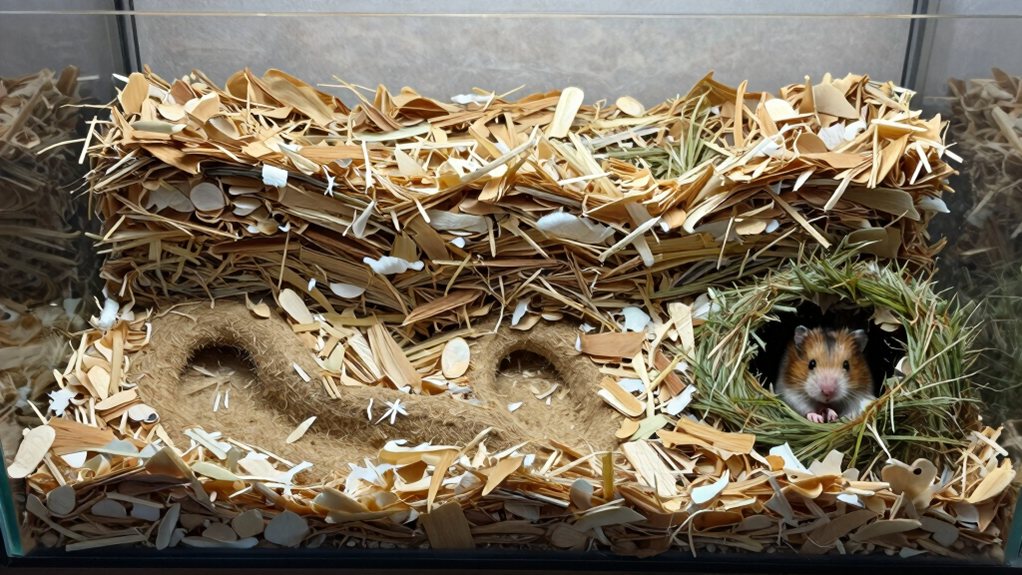
Ever wonder how your hamster would sleep, snack, and stash treasures in the wild? In nature, they dig deep, cozy burrows full of tunnels and hidden nooks. You can mimic that at home with layered bedding, just like building a tiny underground kingdom!
In the wild, hamsters dig cozy burrows full of tunnels and secrets—bring that underground magic home with layered bedding and watch your little explorer thrive.
Start with a base of soft paper-based bedding, then add layers to encourage natural digging and nesting. It’s more than comfy—it’s vital enrichment that keeps your little explorer happy between runs on the exercise wheels and playtime with toys.
Here’s how to build it right:
- Use 6–8 inches of bedding for proper burrowing.
- Layer different textures for sensory fun.
- Leave space for essentials like food and toys.
- Spot-clean daily, refresh weekly.
Your hamster’s den should feel like a 5-star hideout—safe, deep, and full of surprises!
Dwarf vs. Syrian Hamsters: Tailoring Bedding Depth
You’ve got a tiny dwarf or a chunky Syrian, great—because your little buddy’s size really shapes how deep that bedding should be. Dwarf hamsters don’t need a ton of space to tunnel, but they’ll still throw a mini sandstorm trying to dig, so a few inches will keep them happy.
Syrians, though, are the Olympic athletes of burrowing and need at least 6–8 inches to stretch out and nap like they’re in a five-star underground suite.
Dwarf Burrow Depth Needs
Why do some hamsters seem to vanish into their bedding like tiny, furry ninjas?
Dwarf hamsters are natural-born diggers with wild instincts to tunnel and nest.
Even in a cozy home, they crave depth to satisfy their need for tunnel complexity and nesting preferences.
Here’s what you should know:
Aim for at least 6–8 inches of bedding for proper burrowing.
Use soft, absorbent materials like paper-based or aspen shavings.
Dwarf hamsters love multi-level tunnels. They’ll weave intricate underground mazes.
Refresh nesting spots weekly, but leave the core nest undisturbed.
You’re doing far more than filling a cage. You’re building a tiny kingdom.
Give your little escape artist enough room, and you’ll catch glimpses of their secret world.
Watch closely… that fluffy face might disappear, but trust us, they’re happily plotting their next dig.
Syrian Space Requirements
Now that you’ve seen how dwarf hamsters turn bedding into underground playgrounds, let’s talk about their bigger, bolder cousins: Syrian hamsters. These fluffy pals need room to stretch, dig, and show off their full hamster swagger. Aim for at least 12 inches of bedding. Syrians love to tunnel deep, like tiny, determined miners.
Don’t skimp on space. They thrive in larger cages where they can run their exercise wheel like it’s a marathon, which, let’s be honest, it kind of is.
Unlike dwarfs, Syrians prefer flying solo. No roommates, please. Too much social interaction stresses them out.
Think of them as the introverts of the hamster world who still want adventure. Give them space to explore, dig, and nap in peace.
With the right setup, your Syrian won’t just survive—they’ll flourish, one epic dig at a time.
Size-Based Bedding Guidelines
Digging is their destiny, especially when it comes to bedding depth. You’ve got to match the bedding to your hamster’s size, or you’ll end up with a grumpy little burrower on your hands.
Here’s how to get it right:
- Syrian hamsters need at least 8 inches of bedding. They’re big diggers and love to tunnel deep.
- Dwarf hamsters are smaller, so 6 inches is plenty. They’ll still go wild for cozy hideouts.
- Pick a bedding color that contrasts with your pet. Makes spotting them easier, especially under soft cage lighting.
- Fluff it up! Loosened bedding mimics natural soil and encourages natural behavior.
Your hamster doesn’t need a five-star hotel, but a well-dug den? Absolutely.
Get the depth right, and you’ll see them thrive. Happy, busy, and maybe even snoring in their handmade cave.
5 Common Bedding Depth Mistakes to Avoid
Ever wonder why your little hamster keeps burrowing like it’s training for a tunnel-digging championship?
Well, if your bedding’s too shallow, it’s more than inconvenient, it’s stressful for your tiny friend.
One common mistake is skimping on depth. Hamsters need at least 6–8 inches to dig and nest comfortably.
Without enough space, you’ll run into bedding compaction issues, making it hard for air to circulate and leading to ventilation concerns.
Another blunder is piling in too much dusty or scented bedding. It might smell nice to you, but it can irritate your hamster’s lungs.
And don’t just dump in a few inches and call it a day.
Check regularly for damp spots or mold.
Keep it fresh, deep, and safe.
Your hamster’s happy tunnels depend on it!
Spot-Cleaning vs. Full Changes: Keeping Deep Bedding Hygienic
How do you keep your hamster’s cozy, deep bedding clean without tearing the whole habitat apart every few days? You don’t have to. Spot-cleaning is your best friend. Here’s how to keep things fresh and safe:
- Scoop out wet spots daily, damp bedding moisture breeds bacteria fast.
- Toss soiled bedding near the bathroom corner, yes, hamsters have one!
- Fluff the clean layers to boost air circulation and prevent musty smells.
- Do a full change every 2–3 weeks, deep clean, but don’t overdo it.
Your hamster’s nest should feel like a fluffy cloud, not a swamp.
Keeping it tidy doesn’t mean starting from scratch weekly. A little daily care goes a long way.
Plus, your hamster will thank you with happy burrowing. Maybe a cheeky side-eye if you mess with their masterpiece too much!
Aim for once a week for full bedding replacement if your cage is smaller or houses multiple hamsters to maintain hygiene and prevent odor buildup.
Signs Your Hamster Needs Deeper Bedding
That little pile of shredded paper in the corner? It might be your hamster’s cry for help. If your furry friend’s constantly chewing the cage bars, it could mean they’re bored or worse, stressed from not having enough bedding to burrow.
That shredded paper pile? A silent plea for help. Bar chewing often means boredom or stress—your hamster might just be craving more bedding to burrow in.
Tooth overgrowth is a real risk when hamsters gnaw nonstop out of frustration. Deeper bedding gives them a healthy outlet to dig and wear those teeth down naturally.
You might also notice cage aggression, biting the bars or acting grumpy during handling. That’s often a sign they need more space underground. Aim for at least 6–8 inches of cozy, safe bedding.
When they’ve got room to tunnel and hide, they’re happier, calmer, and way less likely to redecorate your living room… one chewed cord at a time.
Final Thoughts
You’ve got this! Six to eight inches of bedding keeps your hamster happy, safe, and busy, just like nature intended. Too little, and they’re stressed; too much, and it’s a soggy mess.
Pick the right stuff, clean smart, and watch your little digger thrive. Sure, they’ll stash snacks in weird spots, but hey, that’s part of the charm. Give them room to burrow, and you’ll both sleep better at night.