Yeah, scented bedding can really hurt your hamster’s sensitive nose and lungs, think of it like living in a room that never stops smelling like air freshener. Those artificial fragrances, dyes, and chemicals cause sneezing, wheezing, or even infections.
Vets agree: skip the scent and stick to plain, unscented paper or aspen bedding. Your tiny buddy will breathe easier and stay happier. And hey, there’s more to uncover about keeping their home safe and cozy.
Why Is Scented Bedding Bad for Hamsters?

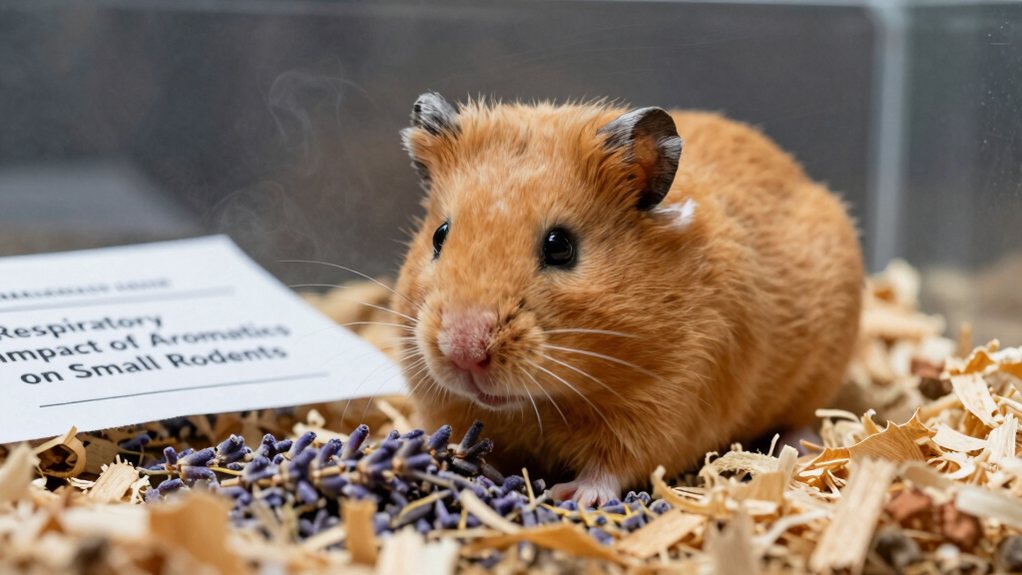
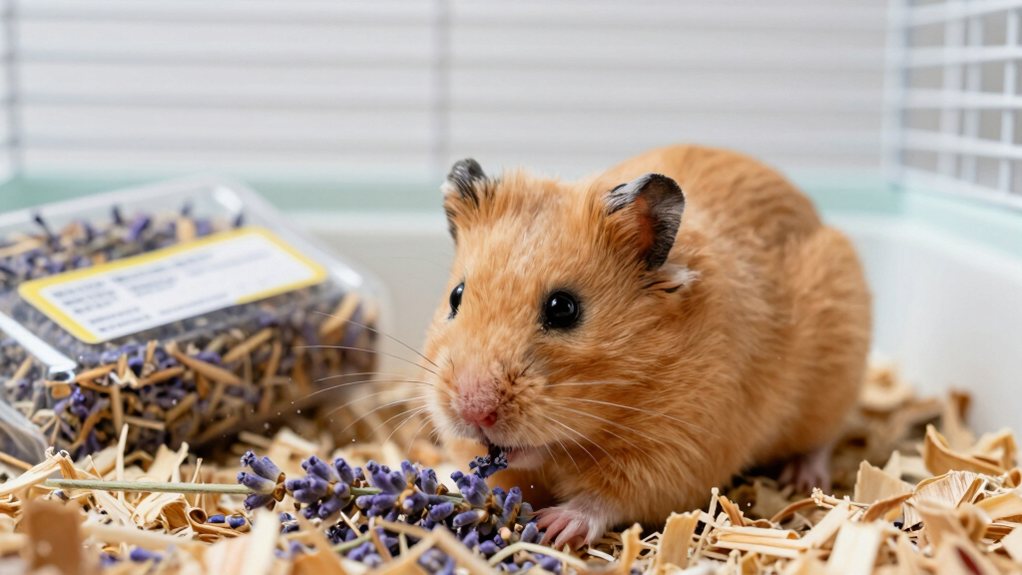
Ever wonder why your hamster seems a little off after you switched to that lavender-scented bedding?
That lavender-scented bedding might seem soothing, but your hamster’s sneezing could be a cry for fresh, unscented air—ditch the fragrance, not their comfort.
Well, here’s the scoop: scented bedding can seriously irritate your tiny buddy. Hamsters have super-sensitive noses, and those pretty fragrances? They’re more than annoying—they can trigger hamster allergies and cause respiratory sensitivity.
Think of it like spraying perfume in a closet and living there 24/7. Not fun, right?
Their little lungs weren’t built for strong smells, so chemicals in scented bedding may lead to sneezing, wheezing, or even infections over time.
You’re trying to make their home cozy, but ironically, you might be making it stressful.
Skip the floral vibes and go for plain, dust-free paper or aspen.
Your hamster won’t miss the rose scent, but they’ll thank you with more zoomies and fewer sniffles.
Seriously, unscented is the way to go. Your furball will breathe easier, literally.
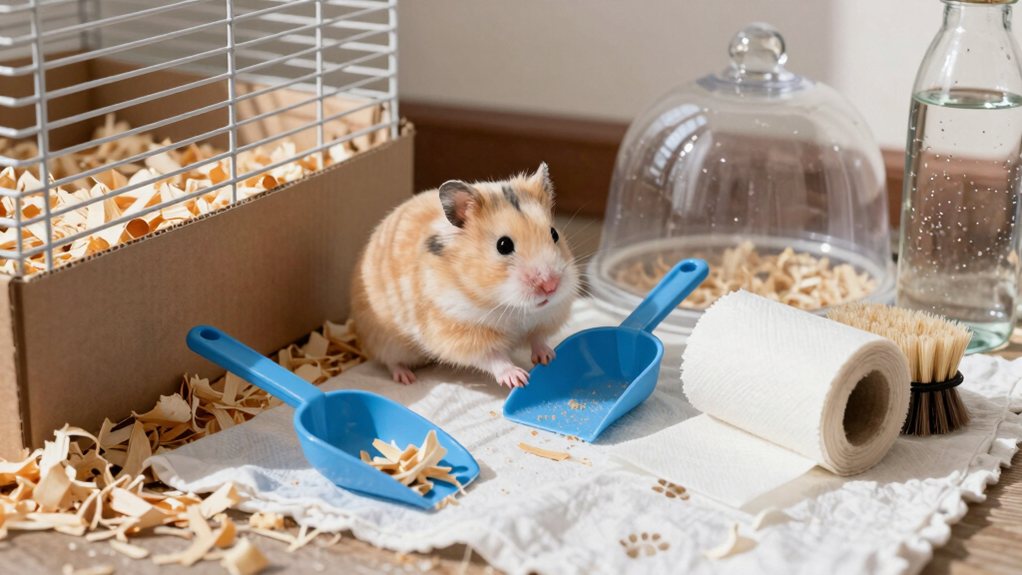
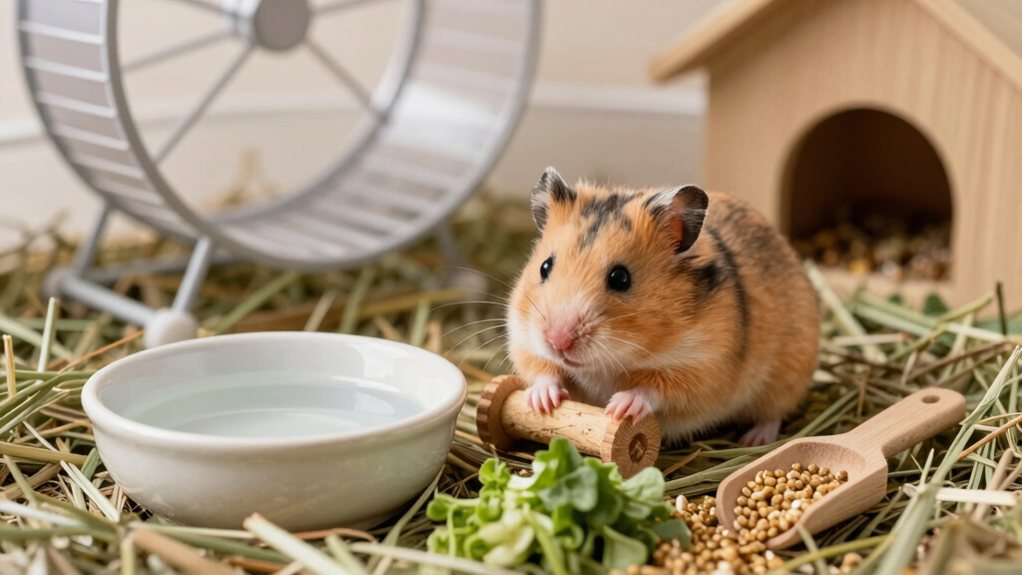
A safe and comfortable environment includes providing at least 6 to 8 inches of bedding depth to support natural burrowing behavior.
What Harmful Chemicals Are in Scented Bedding?
You wouldn’t spray air freshener in your own bedroom and call it cozy, so why do it in your hamster’s tiny home?
Scented bedding often contains hidden irritants that can seriously harm your little buddy.
Here’s what’s lurking inside:
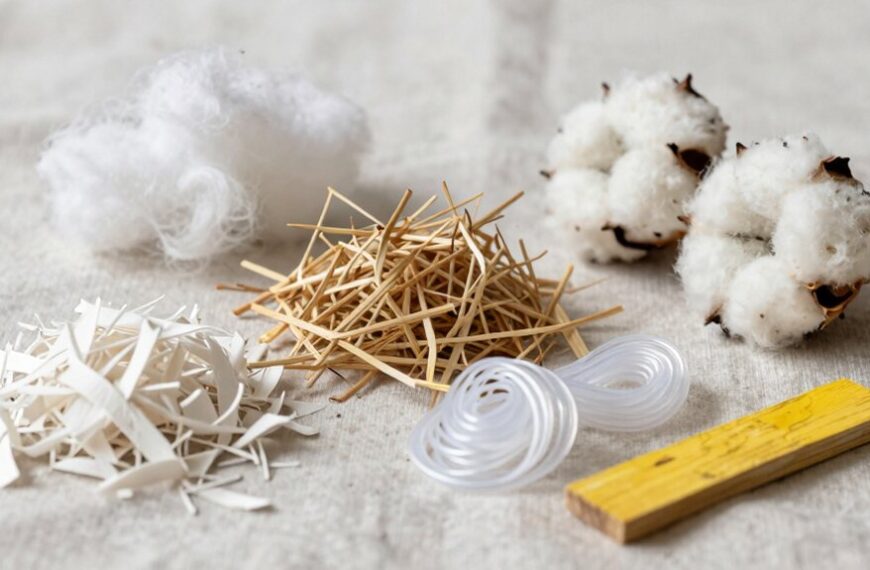
- Essential oils, even “natural” ones can overwhelm a hamster’s sensitive lungs.
- Synthetic fragrances, these lab-made scents may cause allergic reactions or breathing trouble.
- Chemical dyes and preservatives, added for looks and shelf life, but they’re tough on tiny bodies.
These chemicals don’t just smell strong.
They can lead to sneezing, itching, or even long-term health issues.
Your hamster isn’t just picky.
They’re protecting themselves.
Skip the perfume and go for plain, dust-free paper or aspen bedding instead.
Your pet will breathe easier.
And so will you, knowing their home is safe, simple, and truly snug.
Exposure to these substances can result in chronic respiratory distress, especially when combined with other unsafe materials like cedar and pine shavings.
Do Vets Recommend Scented Bedding for Hamsters?
Why would anyone perfume a hamster’s bedroom? It sounds like something out of a cartoon, right? But some pet owners do use scented bedding, not realizing the risks. Most vets don’t recommend it. There’s a good reason for this.
Those artificial fragrances can trigger hamster allergies and lead to serious respiratory issues. Your tiny friend has a super-sensitive nose, way more delicate than yours. What smells nice to you might overwhelm them.
Artificial scents may seem pleasant to us, but they can overwhelm your hamster’s delicate respiratory system—what smells sweet to you could be harmful to them.
Instead of fancy lavender-scented shavings, vets suggest plain, dust-free paper or aspen bedding. It’s safer, simpler, and keeps your hamster healthy.
Think of it like choosing unscented laundry detergent for a baby—gentle is better.
A bedding option like 99.9% dust-free paper-based products minimizes respiratory irritation and supports long-term health.
How to Choose Safe Bedding for Hamsters
Now that you know scented bedding can do more harm than good, it’s time to focus on what actually keeps your hamster happy and healthy.
Picking the right kind of bedding is essential.
Here’s how to choose wisely:
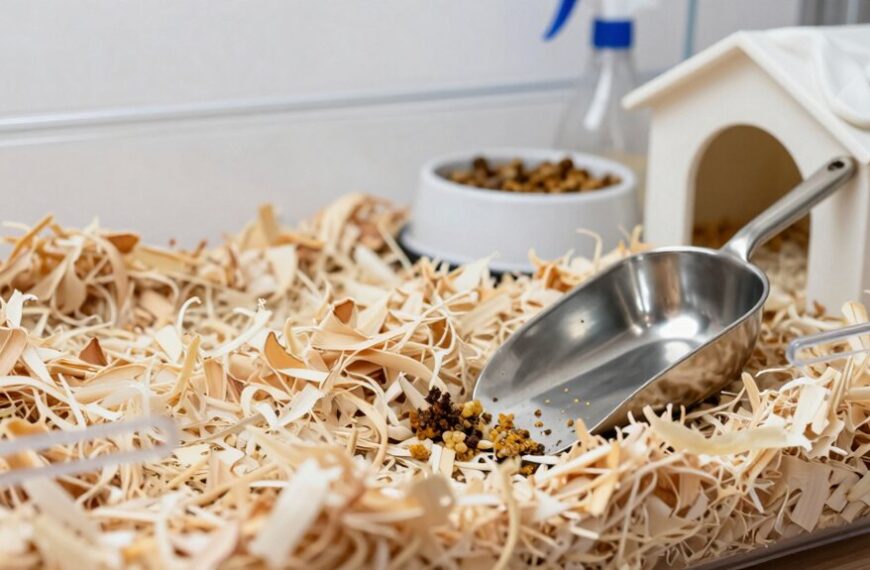
- Check the texture – Go for soft, fluffy bedding your hamster can burrow in without irritation. Rough stuff? Nope, that’s like sleeping on cardboard.
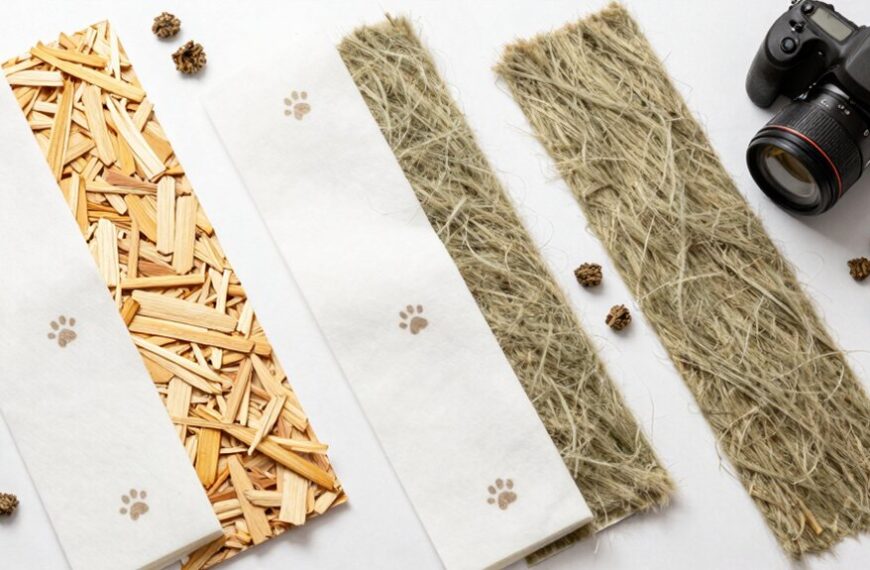
- Prioritize material safety – Stick to paper-based or aspen wood bedding. Avoid cedar and pine. They can mess with your hamster’s lungs.
- Skip the perfume – Unscented is the way to go. Your nose might like lavender, but your hamster definitely doesn’t need a spa night.
With the right bedding texture and material safety in mind, you’ll give your little buddy a cozy, safe home.
Plus, you’ll avoid sneezy sniffles and sad squeaks. Win-win!
A good bedding choice pairs well with super absorbent liners to maintain a dry, odor-controlled habitat.
What Are the Signs of Bedding Irritation in Hamsters?
Ever wonder why your hamster’s been sneezing like they just walked into a dust storm? It might be their bedding. Scented options often contain chemicals that can trigger respiratory distress, making your little buddy wheeze or sniffle more than usual.
If you notice them scratching a lot or acting extra grumpy, check their skin. Bedding irritation can cause skin redness, especially around the belly or paws.
Their cozy nest mightn’t be so cozy after all. You might even catch them rubbing against the cage, trying to soothe the itch.
And if your hamster seems lethargic or avoids bedding altogether, that’s a red flag.
Switching to plain, unscented paper-based bedding can make a world of difference. Your hamster won’t miss the fake lavender scent, we promise.
Keep an eye out, act fast, and your tiny pal will be back to zooming happily in no time.
Final Thoughts
You’ve got your hamster’s back, and their nose knows best. Skip the scented bedding. Those sweet smells? Harsh on their tiny lungs.
Vets agree: unscented, dust-free options keep your little buddy safe and happy. Watch for sneezing or scratching, and switch bedding if needed. Think cozy, not perfumed.
After all, your hamster doesn’t need lavender-scented drama—just a clean, comfy home and your love. Sweet dreams, little buddy!