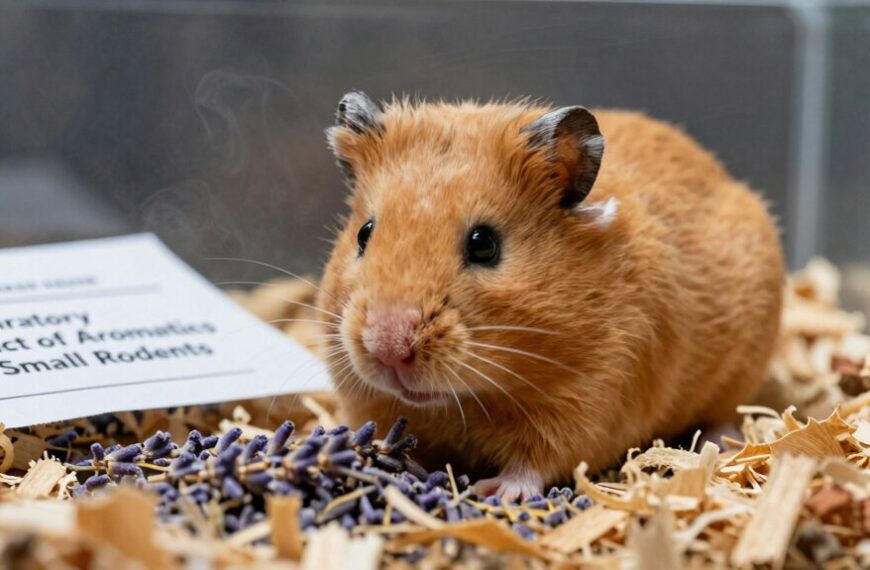
You’ve gotta skip scented bedding, those fake fragrances can wreck your hamster’s tiny lungs and cause sneezing or worse. Avoid cedar and pine too, their natural oils are sneaky irritants.
Fluffy bedding? Cute, but it can wrap around little limbs or get stuck in cheeks. Damp paper towels grow mold fast, and clumping litter can block their tummy if eaten. Even “natural” stuff like fundamental oils can be toxic.
Stick to safe, simple bedding, and you’ll keep your buddy way healthier. Plus, there’s more you’ll want to know to keep their home hazard-free.
Scented Bedding: Why Fragrances Harm Hamsters

While you might love a lavender-scented room, your hamster definitely doesn’t need a perfumed palace, and honestly, those pretty fragrances in scented bedding can do more harm than good.
Those artificial scents may smell nice to you, but they can cause serious respiratory irritation in your tiny friend.
Hamsters have super-sensitive lungs, and strong smells can make it hard for them to breathe.
You mightn’t notice at first, but over time, that floral funk could lead to sneezing, wheezing, or even allergic reactions.
Nobody wants their little furball scratching or sniffling because of fancy fluff.
Think of it this way: would you nap in a room sprayed with air freshener all day? Probably not.
Skip the scented bedding—your hamster will thank you with happy zoomies, not a stuffy nose.
Keep it simple, safe, and unscented.
Their health’s worth more than a temporary whiff of “spring meadow.”
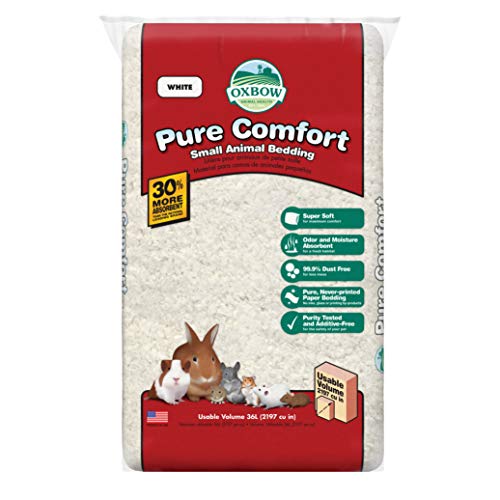
ODOR ABSORBENT TO MINIMIZE PET ODORS: Effectively neutralizes odors to keep bunny bedding & hamster bedding fresh; Ideal for pet bedding, ferret cages, and litter boxes, it helps maintain a clean environment for your pets and a better experience for you
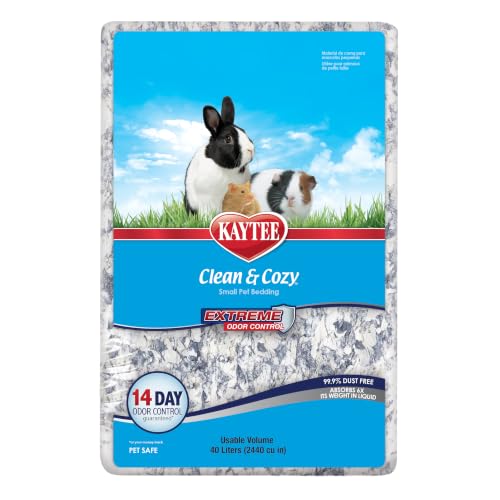
14-DAY ODOR CONTROL for long-lasting freshness. Kaytee Clean & Cozy can be used with any type of habitat for a fresh animal home

ODOR CONTROL for long-lasting freshness. Kaytee Clean & Cozy can be used with any type of habitat for a fresh animal home.
Cedar & Pine: Toxic Oils in Wood Shavings
You wouldn’t spray perfume on your hamster, right? So why use cedar or pine bedding, which is basically a forest full of hidden hazards? These wood shavings contain aromatic compounds that may smell nice to you but are tough on your tiny friend.
They can cause respiratory irritation, making it hard for your hamster to breathe.
Think of it like living in a room filled with strong air fresheners, yikes! Even small amounts over time can lead to long-term health issues.
Sure, they’re cheap and easy to find, but your hamster’s comfort and health are worth more.
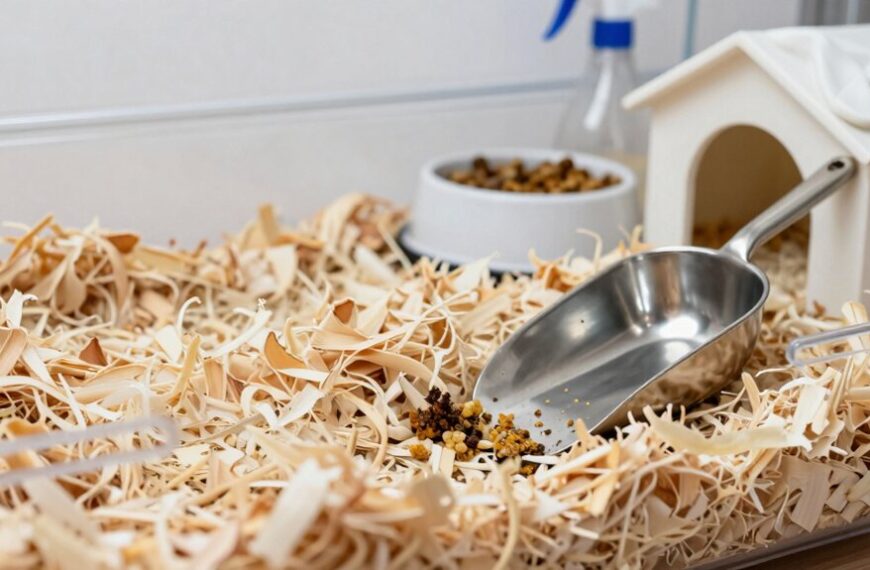
Skip the pine and cedar, and choose safer options like paper-based or aspen bedding instead.
Your little buddy will thank you with happy zoomies and fewer sneezes. After all, you want cozy cuddles, not a trip to the vet!
Fluffy Bedding: Choking and Limb Injury Risks
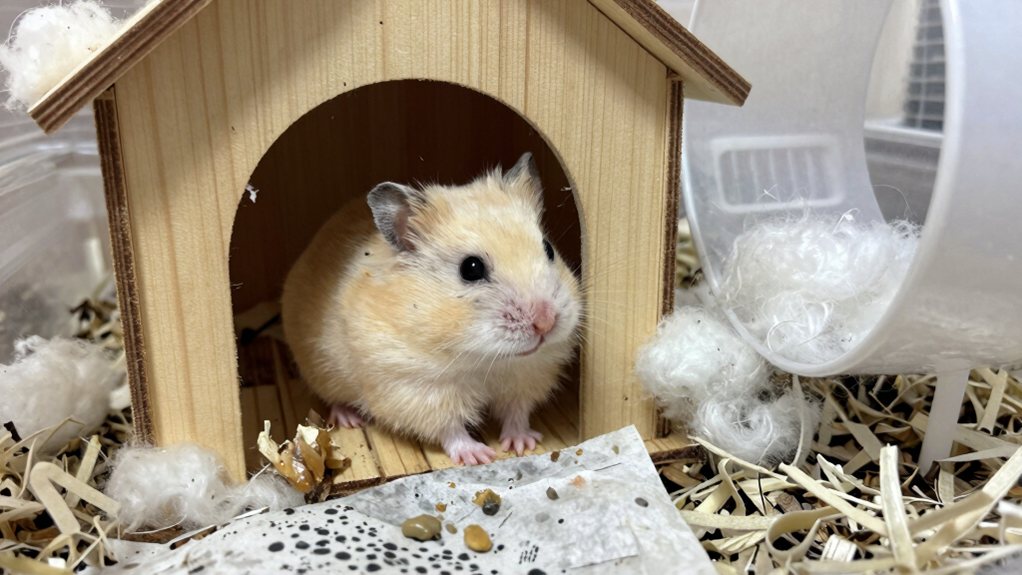
You might think fluffy bedding looks cozy for your hamster, but those soft fibers can actually cause serious trouble.
They can wrap around tiny limbs or get stuck in their cheeks, leading to injury or even choking.
Skip the絮 (fluff) — your little buddy will be much safer with simpler bedding.
Fluffy Bedding Hazards
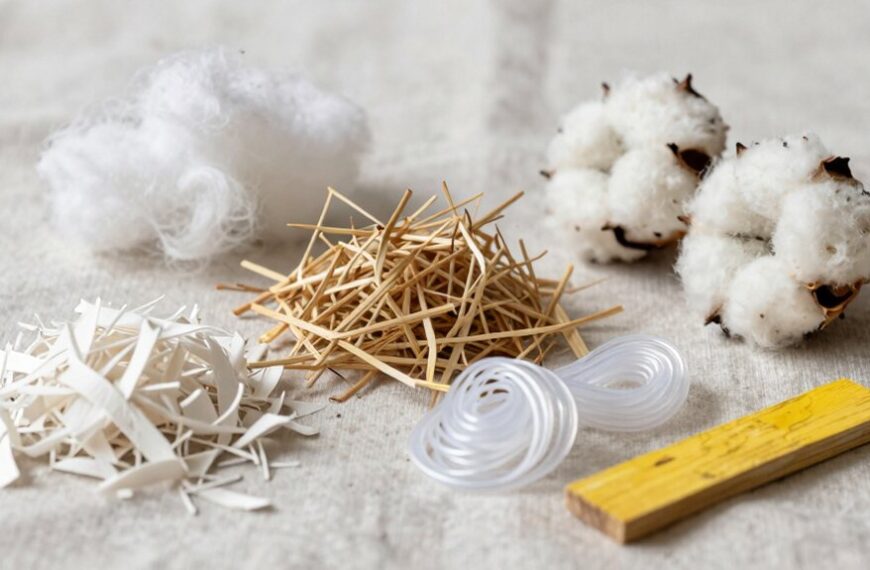
If you’ve ever thought about giving your hamster a cozy nest with fluffy bedding, think again. Those soft, cotton nesting materials might look comfy, but they can actually cause more harm than good.
The fibers easily tangle around tiny paws and limbs, leading to painful injuries or even loss of circulation. That cute fluff? It’s a sneaky culprit behind fiber entanglement, which can stress your little buddy out big time.
And here’s the kicker: hamsters love to stuff their cheeks, so they might accidentally swallow pieces, risking choking. Yikes! While you’re aiming for five-star fluffiness, you could be setting up a hazard zone.
Stick to safer options like paper-based bedding instead. Your hamster will still snuggle up just fine—without the drama. Trust us, a happy hamster is a safe hamster, and you’ve got this!
Limb Entrapment Dangers
Ever wonder what happens when that super-soft, cloud-like bedding turns into a tiny hamster trap?
Fluffy bedding might look cozy, but it’s risky, especially near wire mesh or cage bars.
Those soft strands can snag tiny paws or legs, and before you know it, your little buddy’s stuck trying to wiggle free.
It’s more than uncomfortable; it can lead to serious injury.
Imagine your hamster doing acrobatics just to take a nap—no thank you!
Even worse, if they chew the fluff, it can tangle around limbs or get swallowed.
Stick to safer options like paper-based bedding, which gives softness without the danger.
You want your hamster’s home to feel like a spa, not an obstacle course.
Keep it simple, keep it safe, and your furry friend will thank you with happy zoomies—no entrapment required!
Choking From Loose Fibers
While that fluffy bedding might look like a marshmallow cloud fit for a tiny prince, it can quickly turn into a sneaky hazard for your hamster.
Those soft, loose fibers may seem cozy, but your little buddy might chew or dig them up and accidentally swallow pieces. That’s a choking risk you don’t want to gamble with.
Plus, if those tiny fibers get inhaled, they can cause respiratory irritation, nobody wants a sniffling, sneezing hamster.
And let’s be real: your pet’s idea of “nest building” often looks more like “shredding everything at warp speed.”
While their enthusiasm is adorable, it makes fluffy bedding even riskier.
Skip the cotton balls, synthetic fluff, and anything that pulls apart too easily.
Instead, go for safer options like paper-based bedding that’s dust-free and less likely to break into dangerous bits.
Your hamster will still have a soft spot to snooze without the drama.
Paper Towels: Mold and Digestive Dangers

Though they might seem like a quick fix when your hamster’s bedding runs out, tossing a few paper towels into the cage is a shortcut that could backfire in more ways than one. Damp paper towels can quickly turn into moldy messes. Mold growth isn’t just gross, it’s dangerous for your tiny friend’s lungs.
Plus, hamsters love to shred and snack on whatever’s around, and paper towels can cause serious digestive blockage if eaten. You don’t want your little chewer ending up in the vet’s office over a lazy bedding swap.
While it’s tempting to grab whatever’s in the kitchen drawer, paper towels just don’t hold up—literally or figuratively.
Stick to safe, absorbent options like paper-based pet bedding instead. Your hamster will stay dry, healthy, and way less likely to turn their home into a science experiment. Save the paper towels for spills, not cages!

ODOR CONTROL for long-lasting freshness, Kaytee Clean & Cozy can be used with any type of habitat for a fresh animal home
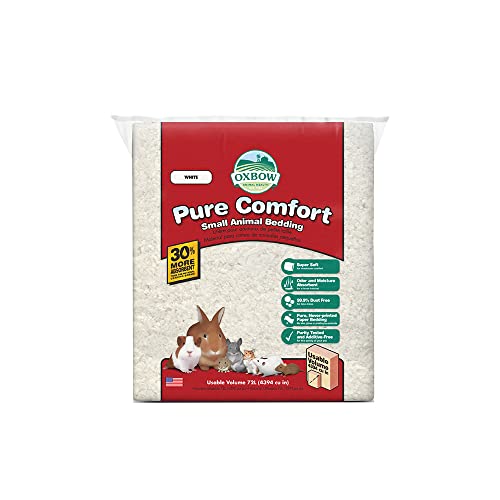
ODOR ABSORBENT TO MINIMIZE PET ODORS: Effectively neutralizes odors to keep bunny bedding & hamster bedding fresh; Ideal for pet bedding, ferret cages, and litter boxes, it helps maintain a clean environment for your pets and a better experience for you

ODOR CONTROL for long-lasting freshness. Kaytee Clean & Cozy can be used with any type of habitat for a fresh animal home
Clumping Cat Litter: Breathing and Blockage Hazards
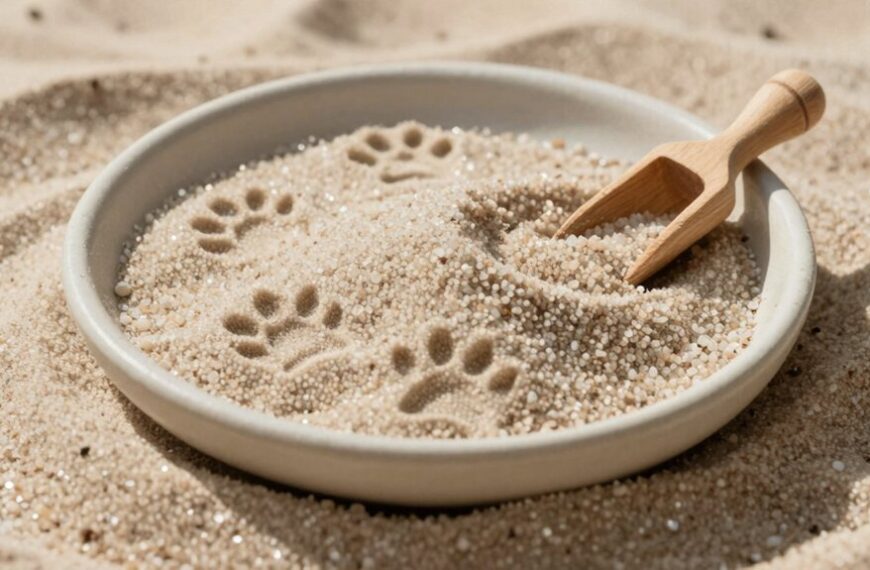
You might think clumping cat litter is a budget-friendly, super-absorbent option for your hamster’s bathroom needs, but it’s actually one of the riskiest choices out there.
When your tiny buddy burrows or sneezes, the dust can cause serious respiratory distress, think wheezing, sneezing, and unhappy little lungs.
And if they nibble it, because, let’s be real, hamsters taste-test everything, the litter clumps inside their tummy, leading to life-threatening digestive blockage.
Yikes! It’s more than uncomfortable, it’s dangerous.
Plus, most clumping litters are made with chemicals and fragrances that your sensitive little furball doesn’t need.
Save the cat litter for the cats, okay?
Your hamster deserves safer, softer bedding that won’t turn snack time into an emergency.
Stick to paper-based or aspen shavings instead, your pocket pet will breathe easier, literally.
Essential Oils: How Natural Scents Become Toxins
That clumping litter isn’t the only everyday item that seems safe but can sneakily harm your hamster, watch out for those pretty bottles of vital oils too.
Sure, you love aromatherapy risks for relaxing after a long day, but your tiny buddy has serious scent sensitivity. What’s calming for you can be toxic for them. Even diffusing oils nearby can overwhelm their little lungs and cause breathing trouble or worse.
Peppermint, tea tree, and citrus oils? Big no-nos. They might smell fresh to you, but to your hamster, it’s like breathing in fumes.
Skip the scented bedding or oils near the cage. Your pet doesn’t need a spa day if it means a trip to the vet.
Keep their space simple, safe, and unscented. Your hamster may not thank you in words, but they’ll stay healthy, happy, and full of energy for wheel-running marathons.
Final Thoughts
So, you’ve got your hamster’s best interests at heart, and that’s awesome. Skip the scented stuff, avoid cedar and pine, they’re sneaky toxic, and say no to fluffy bedding that could tangle tiny toes.
Paper towels can mold, clumping litter’s a no-go, and vital oils? Yeah, even “natural” doesn’t mean safe. Keep it simple, keep it safe, and your little buddy will nap like a pro. No drama, just happy, squeaky dreams. You’ve totally got this!
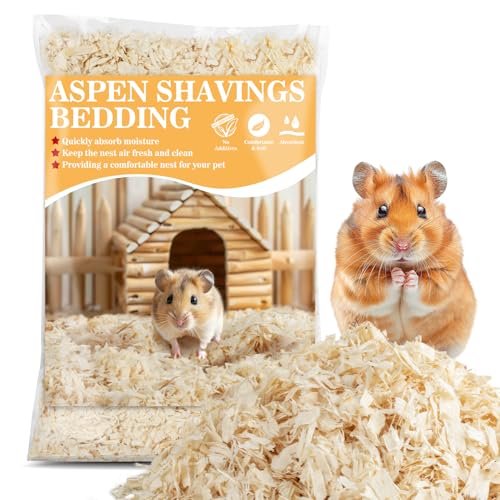
Aspen shavings: Using aspen wood, without any additives, with a nice odor, fluffy and comfortable, good for use as pet bedding

Natural Pet Bedding – Made from 100% natural materials with no additives or fragrances. Soft, fluffy, and safe, providing a healthy bedding option for your small pets.
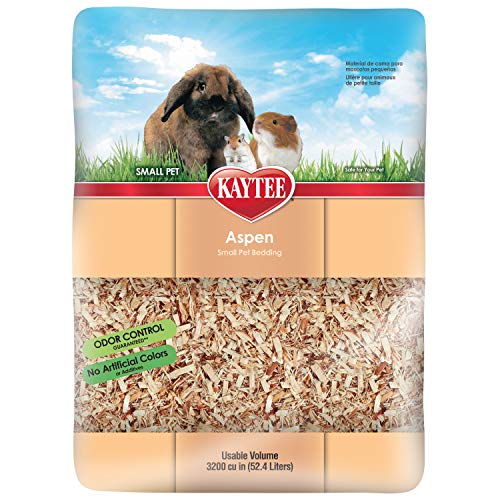
ALL-NATURAL ASPEN SHAVINGS, crafted for a natural, comfortable habitat